


 한국어
한국어  English (UK)
  Русский
  العربية
  日本語
日本語  Magyar
  Türkçe
  Español
  Čeština
  Svenska
  Português
  Ελληνικά
  Suomi
Suomi  Nederlands
  Română
  Italiano
  Français
  Polski
  Українська
  Deutsch
  简体中文
简体中文  Slovenčina
 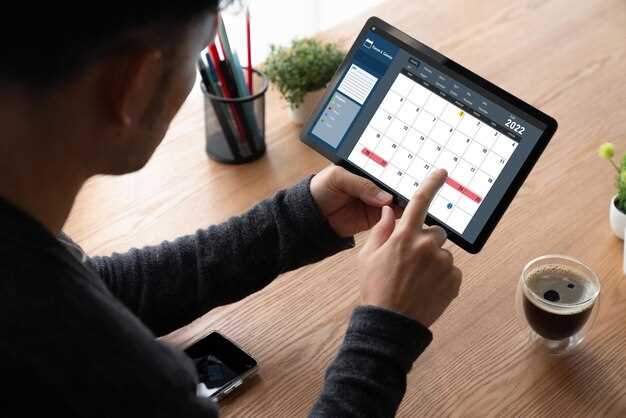 예약 일정 관리 시스템 – 알아야 할 사항들">

온디맨드 스케줄링 툴 도입 일정 동기화 및 자동 알림 기능으로 노쇼를 줄이고 프론트 데스크 업무를 간소화합니다. 이러한 변화로 관리가 더욱 용이해집니다. traffic 예약 대기열에 넣고 교대 근무 간 팀을 정렬 상태로 유지합니다. 다음과 같은 결과가 제공되어야 합니다. 실시간 인사이트 예약된 슬롯, 지연 및 수용량에 따라 직원을 조정할 수 있습니다. 전제 사용량이 빠르게 증가합니다.
구현 시 명확성 유지 전략 예약 규칙을 근무 시간과 연결하고 경로 시설 내에서. 예약 사이에 완충 시간을 추가하여 delayed 출발 시간을 정하고 늦게 도착하여 발생하는 지연을 최소화하십시오. 이 도구를 사용하여 공유하다 직원들과 매일 데일리 대시보드를 확인하여 모든 사람이 어디에 집중해야 할지 알 수 있도록 합니다.
병원의 예시, 기관, 및 서비스 센터에서는 온라인 예약, 알림, 현장 체크인이 유휴 시간을 어떻게 줄이는지 보여줍니다. 5개 시설에서 진행된 시범 운영 결과, 예약 슬롯은 8~15% 증가한 반면, 노쇼는 12~20% 감소했습니다. 전체 사이클 시간은 10~18% 단축되었습니다.
운영을 보호하려면 역할 기반 액세스 및 감사 로그를 구성하여 다음을 확인합니다. 전제 데이터, 경로, 장치 간에 일관성을 유지합니다. 또한 이 도구는 기존 시스템과 통합되어 이중 예약을 방지하고 업무를 방해할 수 있는 충돌을 최소화해야 합니다.
구현 단계: API 액세스를 제공하는 공급업체 선택, 캘린더 연결, 예약 규칙 설정, 10~14일간의 시범 운영. 팀으로부터 피드백 수집 시작됨 초기 과정에서 그리고 공유하다 리더십을 통해 접근 방식을 개선하기 위한 통찰력을 얻습니다. 활용률, 평균 지속 시간, 예약률과 같은 지표를 추적하여 수익에 미치는 영향을 확인합니다.
적절한 도구와 훈련만 있다면 sharing 이러한 통찰력을 통해 운영을 원활하게 하고, 대기 시간을 줄이며, 수요에 더 빠르게 대응할 수 있도록 직원의 역량을 강화할 수 있습니다.
예약 일정 및 예약 배송 구현을 위한 실용적인 프레임워크

구체적인 조치부터 시작하세요. 엔드투엔드 워크플로우를 매핑하고 예약, 재고 가시성, 배송 기간을 처리하는 단일 플랫폼을 선택합니다. 수요 예측, 용량 계획, 라우팅의 세 가지 모델을 기반으로 구축합니다. 팀이 개방형 API를 갖추어 예약 작업이 API 호출을 생성하고 데이터 흐름이 동기화되도록 합니다. 도착 및 변경 사항에 실시간으로 대응할 수 있습니다. 이러한 설정은 고객과 직원의 마찰을 최소화하는 간소화된 프로세스를 제공하고 대기 시간 단축을 의미할 수 있습니다.
-
목표 및 데이터 모델 정의
- 대기 시간을 최소화하고, 노동 균형을 맞추며, 라스트 마일 이동으로 인한 탄소 배출을 줄이는 목표를 설정하십시오.
- 수요 예측, 생산 능력 계획, 경로 모델의 세 가지 핵심 모델을 도입합니다. 이러한 모델은 시간대 및 서비스 수준에 대한 결정을 안내하며, 새로운 데이터로 재보정되도록 설계되었습니다.
-
정보 아키텍처 수립
- 매장, 공급업체, 택배업체의 정보를 모으고, 코로나19 안전 수칙 및 도착 예측을 취합합니다.
- 데이터 유형 정의 : 시간 슬롯, 위치, 서비스 수준, 재고, 운송 업체 가용성. 데이터 흐름 및 소유권을 설명하는 단일 문서를 유지 관리하십시오.
- 팀 변경 사항을 전달하기 위해 공유 가능한 정보 페이지와 공개 블로그를 제공합니다.
-
간소화된 워크플로 설계
- 지도 예약, 확인, 준비 및 배송 단계를 명확한 상태로 표시하고 슬롯 취소 시 자동 재할당합니다.
- 통합된 대시보드 페이지를 사용하여 현재 예약, 재고 상태 및 택배 예상 도착 시간을 표시합니다. 시간은 예약, 상점 및 택배 시스템에서 일관성을 유지해야 합니다.
- API 호출 시 일시적인 오류가 발생하면 재시도하고, 디버깅을 위해 상세 정보를 로깅하여 안정성을 확보하세요.
-
배송 계획 및 시간대
- 도착 및 수용 능력을 기준으로 고정 창 또는 유연 창을 정의하고, 지연을 처리하기 위한 버퍼를 삽입합니다.
- 웹 및 매장 키오스크를 통해 고객에게 스케줄링을 개방하고, 구성 가능한 규칙을 사용하여 부하를 최적화하고 유휴 시간을 줄입니다.
-
시스템 설계, 통합 및 장착 완료
- 개방형 아키텍처를 선택하고 매장 시스템, 주문 관리 및 택배 파트너와 통합합니다. 매장 가용성 및 도착 정보는 중앙 허브를 통해 흐릅니다.
- 현장 직원에게 모바일 장치 지급, API 호출 및 상태 업데이트 추적, 보안 및 개인 정보 보호 규칙 문서화.
-
안전, 코로나19, 및 위험 통제
- 작업 흐름에 건강 프로토콜, 비대면 체크인, 소독 단계를 포함하고, 상황 변화에 따라 배송 시간대를 동적으로 조정할 수 있도록 합니다.
-
측정, 문서화, 그리고 최적화
- 대시보드 페이지에서 다음 KPI를 추적합니다: 예약 완료율, 노쇼율, 정시 도착률, 평균 처리 시간, 에너지 사용량, 탄소 발자국.
- 내부 블로그에 학습 내용을 문서화하고 그에 따라 SOP를 업데이트하십시오. 프로세스 변경 사항 및 결과를 포함하십시오.
-
구현 계획 및 출시
- 일부 매장에서 파일럿을 실행하고, 결과를 바탕으로 모델, 데이터 흐름, UI를 개선한 다음, 확장합니다.
- Provide quick guides for users and ensure theyre equipped with training materials and support.
-
Next steps and governance
- Maintain a living document; update information regularly; monitor arrivals and times to adjust schedules.
- Finally, create a practical plan to iterate on the framework with a cross-functional team and publish updates on the blog.
Lastly, review the page regularly, capture outcomes, and keep the document current to support ongoing optimization and open collaboration across stores, labor teams, and delivery partners.
Slot types and capacity planning
Adopt a mixed-slot approach: pair fixed, predictable slots with flexible blocks that can be released as arrivals vary, ensuring smoother flow and quality.
Fixed slots provide baseline capacity and keep the provider schedule predictable. Typical durations include 15, 20, and 30 minutes, with corresponding hourly capacities of 4, 3, and 2 appointments. Flexible blocks, reserve blocks, or open slots absorb arrivals or delays, reducing idle time and smoothing the workload. Establish a proper window between appointments plus a small buffer to handle hiccups, so arriving patients and lingering tasks do not force downstream patients to wait.
Wave scheduling distributes capacity across the day, moving a portion of the hour into peak windows. This approach helps the team adapt to varying arriving patterns and avoids excessive strain on a single hour. A blended strategy–combining fixed slots with flexible or wave blocks–depends on staff size, provider preferences, and patient mix; the goal is to improve accessibility while maintaining quality care.
Steps to implement capacity planning: analyze arrivals and estimated demand; map slot types to the daily window; set baseline capacity per hour and reserve 1–2 flexible slots per hour; monitor actual arrivals and adjust; review monthly to refine the model. Understanding how varying arrivals affect throughput helps you allocate resources and reduce strain.
What it depends on includes staff availability, room count, and the window of operation; when demand arrives earlier or later, the optimal mix of slot types and the use of open slots must adapt to keep appointments moving smoothly.
| Slot type | 지속시간 | Typical capacity per hour | Best use | 참고 |
|---|---|---|---|---|
| Fixed 15 min | 15 | 4 | High-turnover visits | Predictable, easy to schedule |
| Fixed 20 min | 20 | 3 | Short consultations | Efficient for routine checks |
| Fixed 30 min | 30 | 2 | Standard consultations | Balanced length vs. throughput |
| Flexible block | Varies | 1–3 | Absorb arrivals or delays | Reserve in advance and adjust in real time |
| Wave block | 20–40 | 3–5 | Peak hours across the day | Distributed across the window to match demand |
Delivery windows, lead times, and cutoff rules
Set fixed delivery windows for every service slot and enforce them with automated scheduling rules. Show these windows in customer-facing interfaces and sync them with internal calendars to reduce back-and-forth around peak traffic and improve on-time delivery. Align windows with operations on the ground and with vehicle routes to tighten turn times and avoid idle periods.
Define lead times by item type and distance, and embed them in routing models for operational planning. Use clear targets such as next-day commitments for lightweight items within 20 miles, 2–3 day windows for larger items, and longer periods for heavy items loaded on multi-stop routes. Use a tiered approach to offer certain options for customers, while keeping the schedule tight enough to support quick progress and predictable dwell times.
Set cutoff rules that translate demand into capacity. For example, require orders to be confirmed by 21:00 for next-day delivery, and by 12:00 for regional same-day options; offer an express lane with a premium, still with a clear cutoff. Apply weekend and holiday exceptions explicitly and reallocate automatically when capacity gaps appear.
In periods of high competition or peak seasons, adapt the windows to maintain a consistent experience. Use institutions or internal teams to monitor performance. Track dwell periods and adjust as needed to prevent backlog; consider staging separate windows for certain routes to avoid crowding at the dock.
Monitor progress with dashboards that show on-time rates, dwell times, and missed cutoffs. Run optimization cycles weekly and test models to streamline capacity usage. Compare across operations and carriers to identify opportunities and adjust rules accordingly. Offer flexible options to improve competitive positions instead of rigid constraints.
Booking flow and accessibility for customers
Provide a single, mobile-optimized booking flow with one clear call-to-action on every page to minimize drop-offs. The three-step path–select service, choose a time, and confirm details–keeps the process simple and speeds confirmations. Real-time availability reduces hiccups that might derail bookings, and offering same-day slots when feasible boosts satisfaction. Prepare for two-hour blocks and clearly communicate constraints to align staff, rooms, and equipment.
Accessibility and usability: ensure keyboard navigation, screen-reader labels, logical focus order, and visible focus indicators. Aim for WCAG level AA and maintain color contrast above 4.5:1; allow text resizing without breaking layout. Provide alt text for icons and clear error messages so a user with assistive tech can complete the booking without confusion. This also reduces drop-offs for diverse users and improves overall completion rate. This matter influences care quality and patient experience.
Data flow and reliability: carrying essential details between steps to avoid re-entry, as carrying reduces errors and supports rapid completion. Delivered data should be encrypted in transit and stored with minimal retention after confirmation. Use a confirmation summary that patients can review; it might include date, service, provider, location, and cancellation policy. google indexing helps patients find the page; google-friendly URLs and structured data help ensure discoverability (источник). This approach ensures visibility across search results.
Consistency across institutions: look to similar, dedicated booking flows used by institutions with multiple sites; this delivered approach reduces cognitive load and supports patients who switch locations. This flow is suitable for diverse clinics. Provide a dedicated support path and a clear fallback contact method. Weekly QA checks help maintain quality, identify bottlenecks, and address hiccups before they affect customers.
Reminders, cancellations, and rescheduling rules
Set automated reminders at 24 hours and 2 hours before each appointment to minimize hiccups and cancellations, without extra staff effort. This operational step keeps schedules predictable and minimized last-minute gaps, while improving reliability.
Offer reminders through multiple channels (SMS, email, in-app) to increase the likelihood the recipient receives the notice, offering clear opt-out choices to maintain trust.
Cancellation rule: require at least 24 hours notice; cancellations within 24 hours may incur a fee, while frequent late cancellations will be reviewed and may affect booking priority. This policy keeps operational flow and fairness intact.
Rescheduling rule: allow free rescheduling up to 24 hours before the appointment; after that, apply a higher fee or limit the number of reschedules per quarter to cover costs and prioritize high-value slots.
갑작스러운 이벤트 발생 시, 7일 이내의 유연한 재예약을 제공하고 절차를 명확하게 전달하십시오. 이러한 접근 방식은 책임감을 유지하면서 마찰을 줄여줍니다.
전략 참고: 모든 채널에서 명확한 메시지를 전달하고, 각 참가자의 캘린더를 자동 업데이트하여 수동적인 후속 조치 없이도 모두가 계속해서 조율될 수 있도록 방법을 모색합니다.
알림에 공개해야 할 사항: 정확한 알림 기간, 수수료, 예약 변경 방법, 그리고 캘린더 초대 및 취소 양식 링크. 이러한 투명성은 혼란을 최소화합니다.
신뢰할 수 있는 기술이 중요합니다. 제때 알림을 보내고 메시지 확인 또는 전달 시 확인서를 제공하여 필요한 경우 규정 준수 여부를 확인할 수 있는 알림 서비스를 선택하십시오.
운영 지표: 노쇼율, 재예약률, 취소 사유를 매주 모니터링하고, 데이터에서 지속적인 문제(날씨나 이동 문제, 또는 의료진의 가용성 문제로 인한 경우도 있음)가 나타나면 예약 시스템 전반의 규칙을 조정합니다. 이러한 통찰력을 바탕으로 정책을 개선하십시오.
명확한 규칙과 일관된 실행을 통해 예약 흐름은 예측 가능성이 높아지고 만족도가 향상되며 관리 부담이 줄어듭니다. 정기적인 직원 교육과 업데이트된 템플릿은 전략이 실용적이고 신뢰할 수 있도록 보장합니다.
시스템 통합: 캘린더, 주문, 라우팅
단일 API 레이어를 통해 캘린더, 주문 및 경로를 연결하십시오. 가용성, 예약, 작업 라우팅이 동기화된 상태를 유지하도록 합니다. 시스템 간의 이러한 일치는 이중 예약을 줄이고 슬롯 확인에 필요한 통화 횟수를 줄입니다. 데이터 정렬은 다음을 지원합니다. 계절의 수요가 증가할 때 팀이 신속하게 대응하도록 지원하는 스파이크 및 실행 일정입니다.
Adopt a practice 표준화된 데이터 형식, 명확한 소유권, 명시적인 이벤트 정의를 따릅니다. 캘린더 이벤트, 주문 상태, 라우팅 규칙이 공통 참조(ID, 타임스탬프, 상태)를 공유하는지 확인하십시오. 이러한 요소들이 연결될 때, 대기열 관리가 더 원활해지고 팀 간 인수인계가 명확해집니다. 고객이 알아차리기 전에 불일치를 수정할 수 있는 권한이 부여됩니다., 공유하다 업데이트하고, 예약 흐름을 통해 이해 관계자들에게 정보를 제공합니다.
단계별 출시 계획: 먼저 캘린더 동기화, 다음으로 주문 업데이트, 그 다음 라우팅 규칙. 다음 조건 하에 테스트 실행. 계절의 로드, 모니터링 지연 시간, 병목 현상 정량화. 이것 lets 기준선과 비교하고 lets 다음에 앞서 용량을 조정합니다 major 순환.
예약 전환율, 평균 대기 시간, 대기열 길이, 노쇼율 등 KPI를 추적하여 효과를 입증하세요. 통합이 잘 된 시스템은 문제 발생 가능성이 있는 시간대를 줄이고 전반적인 안정성을 향상시킵니다. industries. 고객 경험에 긍정적인 영향을 미치고 lets 실시간으로 팀과 고객에게 상태를 공유합니다. 경쟁자 통합을 소홀히 하면 점유율을 잃게 되는 경우는 계절의 수요 증가.
최대화하는 팁 success: 문서 매칭 규칙, 불일치에 대한 자동 알림 설정, 라우팅 실패 시 대체 경로 구축. 분석을 사용하여 예약 정확도가 측정 가능한 수준으로 향상되었는지 확인합니다. article 이해관계자들과 학습 내용을 공유하고 lets 팀은 조직이 성장함에 따라 여러 부서에 걸쳐 확장됩니다.