


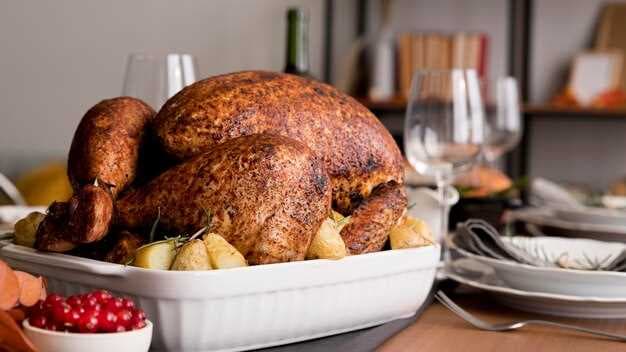

Optimize last-mile routing now with a data-driven planner and real-time load data to bring turkeys to shelves faster during holidays. This approach makes on-shelf availability possible during crunch weeks and reduces stockouts, improving shopper satisfaction.
Track average value per shipment and materialize three tonne pallet strategies that minimize handling while ensuring consistent flow from processing plants to distribution centers and stores. Use standard packing to cut dwell time at cross-docks and empower drivers with dynamic delivery windows.
Using shared data across organizations and suppliers, the network can be aligned to peak demand periods, reducing shipments that are impacted by weather or capacity constraints. This alignment supports holidays and ensures turkeys, cranberries, and other essentials arrive together.
Deploy cyber security measures for transport management systems (TMS) and last-mile apps: multi-factor authentication, network segmentation, and anomaly detection. This keeps a truck moving even during demand spikes and protects critical schedules from disruptions that could impact deliveries during the holidays.
Prioritize wellness for drivers and warehouse staff to sustain performance across peak weeks; healthier teams stay on schedule, protect product quality, and reduce spoilage risk for temperature-sensitive items, including turkeys and cranberry products.
Set clear KPIs: on-time rate, average dwell time, and per-location throughput; run weekly reviews to adjust plans, maintain flexible capacity, and grow reliability for the holidays.
From Hatcheries to Holiday Tables: Scaling up for Thanksgiving Demand
Lock multi-tier contracts now with hatcheries, transporters, and retailers to secure delivery slots and stable prices for the peak week, then align messaging with consumers about lead times and options for cranberry-based dishes.
Forecast demand for the holiday span across the coming months by using last year's data with current orders; set a steady ramp: increase capacity by 15-25% in the final 6-8 weeks before Thanksgiving to meet them without triggering burnout on staff. This term planning reduces risk and protects service levels for their households.
- Hatchery scheduling: reserve chick placement and incubation slots weeks in advance; maintain yields by balancing vaccination and biosecurity to minimize sudden losses. Include short-term term contracts with breeders to secure contingency slots.
- Labor and shift design: implement a rotating shift plan to reduce burnout; cross-train teams to handle both packing and delivery tasks; keep line speeds steady for quality.
- Supply chain resilience: build backup routes and partner with a secondary agency for deliveries in case of disruptions; keep buffer inventory of critical inputs to avoid bogs in production.
- Logistics and delivery: lock delivery windows with retailers, use GPS tracking, and confirm cutoffs so delivery matches store times and consumer pickup windows; plan for weekend surges in demand, even during peak weeks.
- Pricing and messaging: set a transparent pricing band with normal variance; communicate lead times clearly and explain any price adjustments ahead of time; use cranberry to promote holiday value in marketing.
- Quality and yields: monitor feed quality, flock health, and processing yields; measure yields weekly, adjust the flock size, and keep 1-2 weeks of buffer to avoid depletions that hurt both restaurants and households.
- Cranberry coordination: coordinate with cranberry suppliers to secure fresh berries and cranberry-based additions; ensure the dish lineup can be completed without flavor gaps during the peak week.
- Disruptions playbook: identify potential weather or fuel disruptions and have a contingency plan with the agency; shift to alternate routes and additional storage to meet demand with minimal delays.
- Consumer engagement: deliver regular updates on delivery timing and order status; provide simple self-service options so households can adjust their plans with confidence.
Months of planning pay off when the holiday period arrives: a well-tuned operation delivers steady throughput, preserves yields, and keeps prices stable for both them and their customers. It is worth investing in continued coordination across growers, processors, and retailers to maintain a resilient supply chain.
Hatchery Capacity: Producing Turkeys at Scale for Thanksgiving
Increase shift coverage and upgrade one hatch line to lift weekly poults delivered by 20–30% during the peak ramp before Thanksgiving, while maintaining welfare and hatchability.
Baseline metrics matter: a typical hatchery line processes 60,000–120,000 poults per week, with hatchability in the 88–92% range under precise incubation and strict biosecurity. Track these numbers weekly to gauge yields and ensure deliveries stay on schedule during the months leading into holiday demand.
Imported genetics provide consistent growth curves when paired with robust domestic facilities. Set long-term sourcing contracts years ahead and coordinate parent-stock cycles to reduce risk from supply gaps, ensuring a steady supply of uniform birds delivered to processing partners at the right times.
Resources and materials must scale with growing output: invest in automation for egg handling, candling, and chick sorting; upgrade incubators and climate control; and standardize processes to reduce the issue of downtime or misfeeds. Ensure the necessary materials and consumables are stocked to support continuous operation during peak weeks.
Diversify the supply chain across 4–6 states to counter regional fluctuations. Map chains from hatchery to processing to distribution, and cultivate agency relationships with regulators and key industry partners to protect timing and reliability of delivered lots, particularly as Thanksgiving demand intensifies.
Prices and market dynamics require proactive planning: lock in prices for delivered poults and critical materials ahead of peak periods, use forward contracts where available, and maintain a flexible procurement approach to adapt to sudden shifts in demand or weather that influence transport and access to resources.
Culture and professionals drive sustained capacity: hire seasoned professionals and provide ongoing training in biosecurity, QA, and production planning. Prioritize staff development to close gaps in performance during years of growing Thanksgiving volumes and ensure consistent yields and on-time delivery across states and markets.
Action-oriented path: finalize a two-shift expansion, align imported lines with domestic needs, and secure market commitments for the peak window; implement data dashboards that track yields, hatchability, and delivered volumes, so you can adjust plans during the 8–12 week lead-up to Thanksgiving and keep production aligned with market requirements.
Nutrition and Growth Protocols: Achieving Consistent Size and Health
Begin with a precisely formulated starter diet for poults: 28-30% crude protein during days 0–14, tapering to 20-22% by week 6, and maintaining 2,900–3,100 kcal/kg metabolizable energy through finish. Ensure essential amino acids align with the profile: lysine around 1.1–1.2%, methionine plus cysteine 0.7–0.9%, and balanced minerals to support bone development. Keep the plan relevant to farm conditions and climate.
Groups of birds should be kept uniform in size, typically 20–25 per pen, to minimize feed competition that leads to uneven growth. Track intake per group; if one group takes more than 5% above or below target, adjust feeder access and offer smaller, more frequent meals. The protocol should aim for a daily gain of 0.22–0.28 kg during grow-out; monitor weight weekly and reallocate feed accordingly. Ask what early indicators predict final size and adjust.
Feed must be stored properly to preserve nutrients: whether using standard ingredients or alternatives, stored ingredients are kept in dry, cool bins; use FIFO; keep high-fat components in refrigerated storage to slow oxidation and maintain energy value. Plan a logistical calendar that aligns ingredient delivery with farm needs and reduces stockouts.
Include palatability and gut-health components: prebiotics, probiotics, yeast, and vitamin complexes; consider small fruit by-products such as cranberries at low levels to support antioxidant intake without affecting intake; watch sugar content.
Health and welfare drive consistent size across farming systems: ensure clean water, consistent temperatures; stress reduction; vaccination and parasite control schedule; thats why lower stress helps consistent feed conversion.
Market readiness and measurement: track the number of birds that reached the target weight and carcass size; generate a figure showing weight distribution across pens; correlate with feed intake and health status. If a shortage occurs in the supply chain, having filled stored stock and refrigerated transport reduces risk and keeps weight targets on track.
States with large turkey production should adopt uniform protocols to ensure all farms meet market standards; the value of standardized nutrition shows up in the figure of reduced variability and higher median size; the number of birds already reaching target size has increased across states.
Cold-Chain Transport: Preventing Spoilage from Farm to Processing
Lets implement continuous temperature monitoring from farm to processing with automated alerts and a dedicated cold-chain owner to ensure immediate action when a reading deviates from set limits.
Equip each link with calibrated data loggers, a cloud dashboard, and validated alarms for critical ranges. For poultry, maintain 1–4 C in refrigerated legs and -18 C or below for frozen steps; for cranberry-based products, tailor thresholds to moisture and acidity. Regularly run quarterly audits of sensor accuracy to prevent drift and store digital copies of temperature data for at least two business cycles. Define thresholds per product type to determine whether a given batch needs tighter control.
Assign a single transport partner for a given route and equip each truck with insulated trailers and active cooling; pre-cool merchandise before loading, and minimize door openings in transit. Use route optimization to shorten travel times and reduce exposure; whether you move by truck or rail, maintain a uniform data trail and a standard operating procedure. For shipper schedules that demand multiple pickups, separate shipments to avoid cross-loads and temperature spikes.
When expanding supplier networks, break orders into smaller lots and stagger deliveries to keep cold storage filled without overburdening the facility. This reduces burnout and avoids pressure during high buying and shopping periods. For cranberry-based dishes or sauces, plan shorter, more frequent trips to preserve quality, and label each origin clearly to maintain traceability from the plate to the dish in processing.
Partner with a local agency that specializes in cold-chain management to cover weekend and night travel, reducing difficulties for producers who operate on a tight schedule. This agency should provide real-time visibility to buyers and retailers, so full traceability remains intact without gaps, and the process stays ever mindful of temperature integrity.
Keep monitoring data relevant by linking it to product codes, batch numbers, and processing deadlines. Lets staff and managers review daily histories to spot trends, adjust set points, and plan maintenance. When readings drift, act within minutes, not hours, to prevent spoilage and waste. Done right, cold-chain transport supports a clean line from farm to processing and keeps the product ready for the plate and the dish on the table.
Processing Schedule: Slaughter, Debone, and Packaging Timelines
Coordinate slaughter start times with downstream debone and packaging capacity to minimize idle hours and keep the line running smoothly.
Set a fixed morning window: slaughter operates 6:00–10:00, with immediate chilling to 0–4°C. Debone begins 2–4 hours after slaughter, enabling efficient transfer to packaging. The goal is for delivered product to move from processing to storage within 12–16 hours from the start of slaughter, reducing stored inventory and preventing bottlenecks over peak demand. This keeps things flowing and supports a reliable level of output for each dish.
To support smooth processes, teams must be diverse and sensitive to shift needs. Associates on the floor should be trained to move between stages as demand shifts. In response to covid-19 protocols, facilities monitor percent completion daily and adjust hiring to fill gaps. When throughput is increasing, reallocate resources from storage to debone to avoid stalls, and look for bottlenecks and address them.
Packaging timeline: packaging starts after debone within 6–8 hours, with labeling, wrapping, and palletizing completed before the next batch. Delivered products go to cold storage within 18 hours from the start of slaughter. A target of percent of output packaged by 14:00 on typical days helps stabilize the chain. Organizations coordinate with chains and associates to ensure timely delivery; stored inventory stays within safe levels. This approach keeps each dish on schedule.
Looking ahead, when demand rises, increase hiring by 10–15 percent for two weeks and track percent fulfillment weekly. They rely on diverse resources across organizations and chains to maintain continuity; you cannot overstate the value of trained associates in keeping line speeds and quality under pressure.
Forecasting and Inventory: Matching Production to Seasonal Demand

Lock a rolling 6-week forecast and set production scheduling four weeks out because alignment reduces stockouts and spoilage across the holiday window.
Forecasting takes inputs from point-of-sale data, supplier lead times, and capacity constraints in the department; retailers respond with orders that reflect current demand. This approach takes increased signals from retailers and rising consumer interest as the holiday approaches; it would help avoid over- or under-production because it leverages real-time data.
Looking ahead, plan for diverse product families, including whole birds and processed items; customers looking for both single birds and ready-to-serve options rise, particularly for cranberry dishes and holiday sides.
To execute, build a weekly planning rhythm that involves procurement, production, and distribution in the department; this is crucial because last-minute order changes from retailers can strain the line; retailers cannot afford delays.
Inventory strategy centers on buffers by major SKU groups, along with wellness-focused quality controls; ensure these buffers cover sudden rises in demand for holiday items while maintaining freshness and wellness across the whole shelf.
| Period | Forecasted Demand (units, 000) | Production Plan (units, 000) | Notes |
|---|---|---|---|
| Week 42-43 | 420 | 440 | promo lift; cranberry products included |
| Week 44-45 | 690 | 710 | sudden surge; overtime; processed items ready |
| Week 46 | 760 | 750 | holiday peak; ensure single and diverse SKUs; wellness checks |