Download de app


Auteur
De opkomst van digitaal nomaden transformeert de reisindustrie en biedt een geweldige kans voor degenen die zich aanpassen. Digitale nomaden zoeken naar werkvriendelijke bestemmingen met culturele rijkdom, en het voldoen aan deze behoeften zal uw bedrijf positioneren als een vertrouwde keuze. Nu is het moment om uw diensten af te stemmen op deze groeiende trend en de uitbreidende markt van remote werkers aan te boren die graag de wereld willen verkennen.

Agents and Conflicting Interests - Aligning Goals and Transparency
Start today with a formal transparency policy that assigns clear responsibilities, discloses incentives, and documents decision rationales. This approach keeps goals aligned across principals and agents, reduces ambiguity, and prevents avoidable damage to outcomes. Map the state of alignment with a simple framework: list main objectives, material outcomes, and lading risks; review weekly with stakeholders. The plan keeps assigned resources in focus and safeguards possession of critical data. Once a non-asset objective appears, re-balance resources to avoid misalignment. To seize opportunities and limit conflict, create a formal escalation path: when conflicts arise, the responsible party

AI-Powered Demand Sensing for FB - Improve Forecasting and Optimize Supply Chain Planning
Start a limited neural demand-sensing pilot now across FB's primary chain node and measure impact immediately. Feed real-time sales, inventory levels, promotions, and weather data to the model to predict the next 4–8 weeks of demand and adjust replenishment plans. Compare the estimated forecast accuracy against the current baseline to quantify gains in service and reduce stockouts. Capture the context of observed changes, especially for weather-sensitive SKUs, to inform the stage rollout. Anchor the method in literature on demand sensing and assemble a data fabric that blends internal signals with external context. For a large SKU set, segment by weather-sensitivity and sourcing complexity;
TMS Build vs Buy - How to Decide Between Building or Buying a Transportation Management System
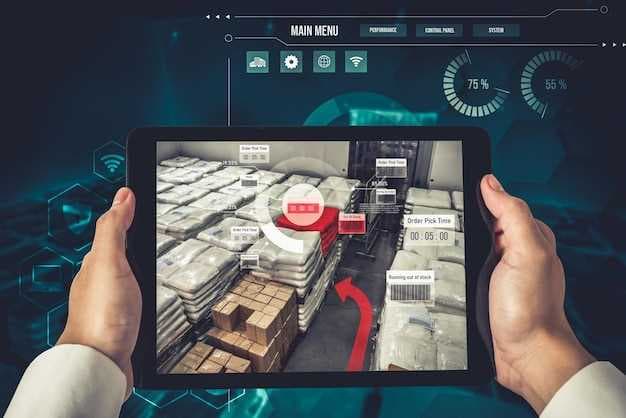
Recommendation: Build when your warehouse and logistics workflows require long-term tailoring, and you can localize processes so they fit your specific operations. If cant meet these demands with standard tools, proceed to a custom plan; otherwise buy to accelerate value and reduce risk with proven services and external integrations. With a build, design an API-first architecture that can integrate with your transportation network, warehouse systems, and external carriers. Focus on modular modules to handle order planning, rate shopping, route optimization, and carrier audit. Create a roadmap that limits scope creep and emphasizes long-term maintainability, including specifics such as data

5G Technology in Transportation - Revolutionizing Railways, Trains, and Airports
5G-enabled edge computing can dramatically improve safety and reliability in rail and air hubs. In rail, intelligent sensors on track and rolling stock feed wide telemetry to local edge nodes, delivering URLLC and low-latency dispatch commands with end-to-end times that can drop to 1–4 ms in controlled networks and stay under tens of milliseconds under typical loads. This makes decision cycles faster and reduces human error, so employees and personnel can focus on critical tasks. In railways, trains become more autonomous as remote diagnostics and predictive maintenance run on edge-to-cloud processes . The result is fewer unscheduled outages and more consistent timetables; diverting

A Transportation Management System or Managed Transportation Services - Why Not Both?
Adopt a hybrid model: run a Transportation Management System and partner with Managed Transportation Services to gain maximum benefits. This approach delivers dedicated visibility across multi-leg networks, supports capacity planning, and enables rapid responses to rising demand. A digital core consolidates orders and builds a single source of truth for planning and execution. Set up a regular audit cadence to quantify savings, and align stakeholders around shared goals. Increasingly, organizations seek solutions that blend control with outsourcing. Across operations, leverage innovative data integrations to improve utilization and reduce waste. A hybrid model supports capacity

ECommerce Fulfillment - Methods, Processes &
Recommendation: Map the end-to-end fulfillment flow from order capture to delivery and set a single KPI dashboard that ties profitability to each step. Track indicators such as on-time rate, picking accuracy, and cost per package, and use forecasting to align inventory with demand. Clarify the role of fulfillment managers and uppers: they rely on data from the core areas –receiving, storage, picking, packing, and shipping–and push careful, cross-functional strategies built on trust across teams. Define ownership and escalation paths to ensure decisions move quickly without guesswork. Adopt concrete fulfillment methods that fit scale and product mix: in-house pick-and-pack for high-margin

Why CPO and CSCO Are Smarter Together - Aligning Product and Supply Chain Leadership
Coordinate a shared quarterly planning session between the CPO and CSCO to align product roadmaps with supplier commitments, attaching explicit joint KPIs and a single backlog. This collaboration keeps packaged hardware launches on track and reduced last-minute changes, delivering faster value to customers. In dallas centers, executives oversee cross-functional governance. Noted examples from ciscos show that aligning a product launch calendar with supplier schedules reduces shortages and the costs tied to missed deadlines. A session where the CPO, CSCO, and an engineer lead the technical interface with suppliers serves customers faster when data is common and decision rights concentrate in

18 Enterprise Software Selection Risks and How to Avoid Them
Start with a formal plan: appoint a leader of the procurement processes , and publish a structured risk register plus a scorecard to compare products against business needs. This approach ensures you quantify threats , reduce the likelihood of unplanned projects , and establish clear account ability for each decision. A disciplined start also builds knowledge across teams and sets a path toward larger objectives. Adopt a 5-dimension scorecard that means you can quickly compare options. Include security, integration capabilities, data governance, total cost of ownership, and vendor viability. Require each vendor to provide references from 3 to 5 customers and a 60-day pilot. Implement a

AI Literacy for CHROs - What You Need to Know and What Your CEO Already Thinks You Do
Launch five targeted AI literacy courses for HR leadership at americas headquarters within 90 days, and set a real-time dashboard to track adoption and impact. This initial program focuses on how to automate routine HR tasks, applying smart templates, and improving outcomes in recruitment, onboarding, and employee development. With five focused modules, you gain fast wins, keep the scope manageable, and demonstrate progress to your leadership team. Conduct an existing skills audit and define five critical gaps that affect hiring quality, retention, and workforce planning. Map data literacy, governance, prompt design, and change management to concrete roles, then design a 12-week cadence of

Global Rise of Economic Nationalism - A Looming Threat for Canada
Recommendation: Diversify trade policy to reduce reliance on a single market and build long-term resilience by strengthening domestic capacity and diversifying supply chains towards multiple economies and partners. Global economic nationalism rises in response to inequality and the frictions of global trade. Canada remains highly exposed because roughly three-quarters of merchandise exports go to the United States, so shifts in policy or tariffs abroad ripple through manufacturing, energy, and services. To manage this, Canada should calibrate a policy response that protects workers while preserving market access and encouraging reinvestment in productive capacity. Policy focus: Build a
Five Critical Steps for Supply Chain Management - A Practical Guide
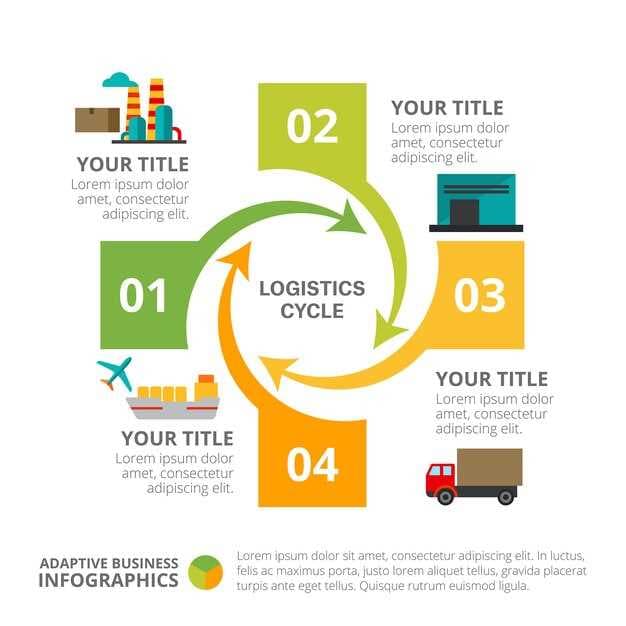
Recommendation: Map every supplier tier and determine dependencies across regions, then set a 12-week risk-review cadence to pinpoint exposure before disruptions hit. Step 2 : Build real-time visibility by standardizing data feeds; publish content in a common schema, and keep e-mail alerts for deviations; use similar risk profiles to drive applicable actions. Still, ensure cross-functional alignment to translate insights into concrete adjustments in procurement and logistics. Step 3 : Reduce adversarial pressure by diversifying the supplier base, adding taiwanese chip vendors, and preparing a removal plan for single points of failure; monitor exports and regulatory controls on a global

Deepwater Horizon Oil Spill - Causes, Impacts, and Environmental Lessons
Since the Deepwater Horizon incident began on April 20, 2010, investigators flagged a blowout at the Macondo well after a failed cement barrier and a malfunctioning blowout preventer. The event released about 4.9 million barrels of oil over 87 days, reaching Louisiana shorelines and affecting offshore habitats along the Gulf. Current data and modeling showed the plume traveling with prevailing currents, underscoring the need for real-time assessments of the leak location and volume. The root causes combined equipment failures, management decisions, and regulatory gaps. Investigations identified a hole in the cement barrier, a failed pipe system in the well, and delays in activating the
