


 Nederlands
  English (UK)
  Русский
  العربية
  日本語
日本語  한국어
한국어  Magyar
  Türkçe
  Español
  Čeština
  Svenska
  Português
  Ελληνικά
  Suomi
Suomi  Română
  Italiano
  Français
  Polski
  Українська
  Deutsch
  简体中文
简体中文  Slovenčina
 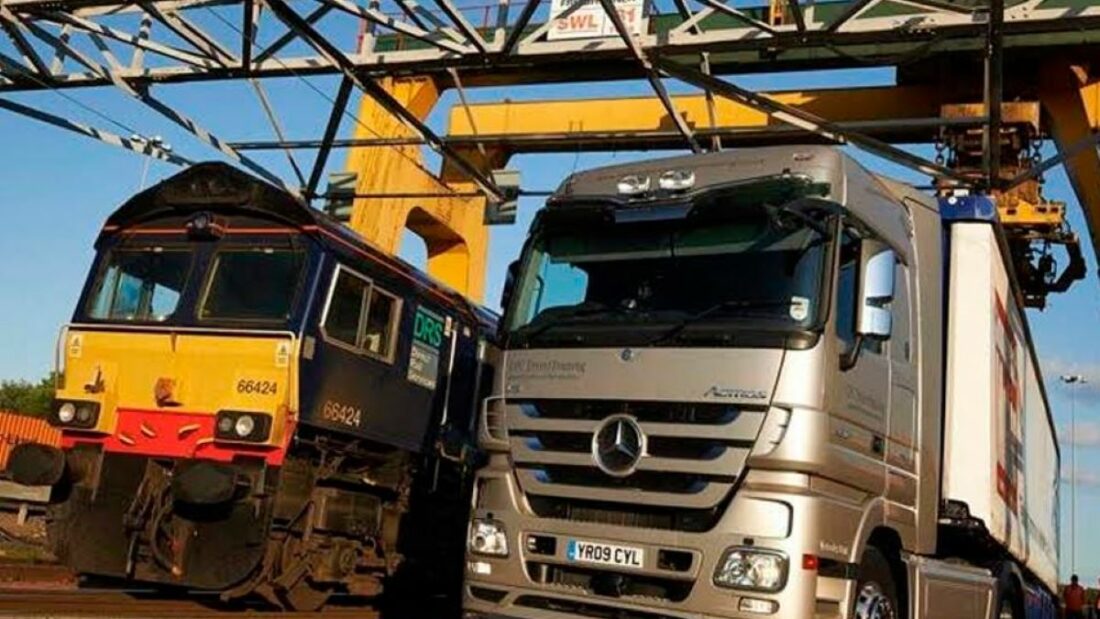 European Rail Freight Opposes New EU Directive on Truck Transport Over Environmental and Market Impact">

Railway Sector Raises Alarm Over Proposed Truck Transport Directive
The European rail freight community is sounding the alarm regarding recent drafts of the EU’s truck transport directive. Key rail and freight associations, including UNIFE, CER, ERFA, Rail Freight Forward, UIP, and UIRR, have joined forces to express concerns that the new rules favor road trucking at the expense of rail and intermodal freight. Such a shift could unsettle ongoing efforts to reduce transport emissions and bolster eco-friendly freight modalities.
The Stakes: Balancing Economic Gains and Environmental Impact
The original ambition behind the EU’s Green Freight Package promised “greater economic benefits with a reduced environmental footprint.” However, industry representatives argue the proposed directive revision may skew economic advantages toward road haulage operators. This could paradoxically lead to higher emissions, increased traffic congestion, and accelerated infrastructure wear and tear, unless matched by reinforcing policies supporting rail and combined transport.
Combined Transport Directive: A Missing Link?
Central to the debate is the Combined Transport Directive, a key legislative tool encouraging shifting freight from road to rail. The European Commission’s decision to remove the review of this directive from the 2026 agenda is viewed by rail stakeholders as a significant setback for sustainable transport policy. The proposed truck regulation changes concerning vehicle weights and dimensions were expected to advance hand-in-hand with the Combined Transport updates, ensuring a fair and green competition playing field.
| Directive | Doel | Current Concern | Impact on Freight Sector |
|---|---|---|---|
| Combined Transport Directive | Encourages modal shift from road to rail | Postponed for 2026, weakening incentives | Reduced support for intermodal operators |
| Truck Transport Directive (Proposed) | Revises truck weights and dimensions | May favor road transport economically | Potential increase in emissions and road congestion |
Costs and Competitiveness: The Euromodular Systems Issue
Another facet stirring apprehension is the facilitation of cross-border operations for trucks using European Modular Systems (EMS), or “euromodules.” These longer and heavier truck combinations promise cost savings and operational flexibility for the road freight sector. Nevertheless, industry voices caution such changes risk undercutting rail and intermodal transport competitiveness in cost-sensitive markets, risking a “reverse gear” in the sustainable transport transition.
- EMS trucks could attract more freight to road transport due to operational advantages.
- Potential environmental downsides include more emissions and congestion.
- Rail and intermodal modes demand parallel incentives to remain viable.
Calls for Safeguards and Impact Assessments
Transport associations are urging that any new incentives within the truck directive apply strictly to zero-emission vehicles or intermodal solutions. There’s also a strong call for ensuring compatibility among different transport modes and comprehensive impact assessments by member states before policy implementation. Without these safeguards, Europe risks regressing to greater reliance on road transport, undermining safety, environmental objectives, and cost-effectiveness.
Key Demands from the Rail and Freight Sector
- Close coordination between truck transport rules and combined transport policies.
- Application of incentives favoring environmentally friendly technologies.
- Comprehensive evaluation of environmental, economic, and safety impacts.
- Member states conducting adequate impact assessments.
Implications for Logistics and Freight Forwarding
From a logistics perspective, this tug-of-war reflects the ongoing challenge of balancing efficient freight movement with sustainability. Freight forwarders and logistics operators must navigate potential shifts in modal costs and regulatory environments. These changes could affect route planning, cargo consolidation decisions, and investments in transport assets.
Moreover, companies involved in intermodal haulage may face competitiveness challenges if policy incentives falter. This calls for agility in logistics strategies and a close eye on regulatory developments.
GetTransport.com: Simplifying Your Freight Transport Choices
In this dynamic environment, platforms like GetTransport.com stand out by providing global, affordable cargo transportation solutions that accommodate a broad spectrum of shipping needs. Whether it’s office or home relocations, freight deliveries, or the transport of bulky items like furniture and vehicles, GetTransport.com’s extensive network ensures versatile options tailored to customer requirements. This flexibility is vital amid evolving transport regulations.
Owners and Operators: Real-World Experience Matters Most
While industry analysis and feedback provide valuable insights into these regulatory debates, nothing beats first-hand operational experience. On GetTransport.com, shippers gain access to a broad range of trusted freight transport providers at competitive rates worldwide. This empowers users to make informed, cost-effective decisions without falling prey to surprises or inflated costs.
The platform’s transparantie and convenient interfaces simplify the complexity of modern transport markets, reflecting the ever-changing logistics landscape. By leveraging such tools, businesses can adapt swiftly to new regulatory and market realities. Boek je rit op GetTransport.com and tap into adaptable and reliable global freight services.
Forecasting the Impact on Global Logistics
Although this particular policy debate is centered in the European Union, its ramifications underscore the broader challenge of sustainable freight transport worldwide. For global logistics players, the evolving balance between road and rail freight modes calls for staying informed and flexible. GetTransport.com remains attuned to these developments, ensuring customers have access to efficient and environmentally mindful logistics solutions wherever needed.
Begin met het plannen van uw volgende levering en beveilig uw lading met GetTransport.com.
Samenvatting
The European rail sector’s opposition to the evolving truck transport directive highlights tensions at the heart of freight transport policymaking. While the directive aims to modernize truck regulations around weights and dimensions, the risk of sidelining rail and intermodal solutions is real. This could lead to increased emissions, road congestion, and damage to infrastructure, conflicting with wider EU sustainability goals.
Maintaining a balanced approach that encourages zero-emission vehicles and supports multimodal freight transport remains paramount. For logistics and freight professionals, this means adapting to policy shifts, focusing on efficient and sustainable haulage options. Platforms like GetTransport.com simplify these decisions by offering extensive global freight transport options that accommodate diverse cargo types, ensuring reliable and cost-effective shipments worldwide.