


 Polski
  English (UK)
  Русский
  العربية
  日本語
日本語  한국어
한국어  Magyar
  Türkçe
  Español
  Čeština
  Svenska
  Português
  Ελληνικά
  Suomi
Suomi  Nederlands
  Română
  Italiano
  Français
  Українська
  Deutsch
  简体中文
简体中文  Slovenčina
 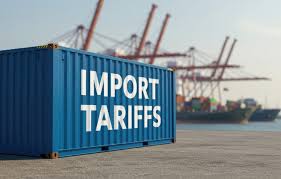 The Growing Influence of Tariffs on Cargo Insurance and Its Ripple Effect on Global Logistics">

Understanding the Tariff Tide in Cargo Insurance
Tariffs are no longer just a background noise in international trade; they are starting to reshape the cargo insurance market in significant ways. The evolving tariff landscape is stirring up changes that could ripple through insured cargo values and shift how shippers strategize their routes and destinations worldwide.
Experts from the International Union of Marine Insurance (IUMI) have flagged these tariff impacts as potential game changers. The concern is that tariffs could push insured cargo values and risk accumulations higher—by as much as 50% in some regions, notably North America. The knock-on effect? Higher insurance premiums, shifting trade patterns, and a changing logistics scene.
Rising Insured Values and Risk Concentrations
The practical upshot of tariffs is straightforward but alarming for logistics and freight professionals. Increased tariffs can inflate the declared values of cargo for insurance purposes. This, in turn, raises the insurer’s risk—accumulations in specific markets or trade routes can swell, making insurance underwriting a trickier endeavor.
This growing risk may push marine insurers to rethink their capacity allocations and premium calculations, especially in markets sensitive to tariff changes. As one might expect, not just North America but other regions could also start feeling these effects depending on how supply chains adapt.
Global Marine Insurance Market: Current State and Tariff Influences
| Region | Share of Global Premium |
|---|---|
| Europa | 46.96% |
| Azja i Pacyfik | 29.79% |
| Ameryka Łacińska | 10.19% |
| Ameryka Północna | 7.75% |
| Bliski Wschód | 3.53% |
| Afryka | 1.38% |
Last year, the global marine insurance premium ticked up by 1.5%, reaching nearly $40 billion. Within that, cargo insurance premiums saw a 1.6% increase, continuing an upward trend without major catastrophic losses dampening the field. This steady growth is now intersecting with the unwelcome challenge presented by tariffs.
Capacity and Market Dynamics in Insurance
Interestingly, despite these rising risks, the cargo insurance market has expanded its capacity. Some underwriters are choosing to take on larger risks, sometimes offering attractive premiums to secure business.
Parallel to cargo insurance, the ocean hull insurance sector is witnessing a “soft market” with increased capacity and an emphasis on growth over strict technical risk assessment. This trend is reflective of a broader insurance market pattern, balancing competitive rates with risk exposure.
Offshore Energy and Broader Insurance Challenges
The offshore energy sector tells another side of the story. Premiums there dropped almost 8% last year, influenced by low oil prices, competitive pressure, and an influx of market capacity. This contrast within segments of marine insurance hints at the complexity insurers face in a changing global market with tariffs as a new wrinkle.
Moreover, the marine insurance industry is currently grappling with a mixture of headwinds:
- Geopolitical and trade tensions, which shake the certainty that insurers and logistics providers crave.
- An aging global fleet leading to more mechanical failures, maintenance demands, and concerns about seafarer welfare.
- An uptick in claims related to groundings, large vessel fires, and conflict-zone losses.
Claims Environment: Stability Amid Challenges
While claims were largely under control through 2023 and into 2024, recent spikes—particularly linked to vessel groundings and fire incidents—signal caution. War-related losses also cast an ongoing shadow, adding yet another layer of risk to cargo and hull insurance considerations.
How Tariff Changes Impact Logistics and Forwarding
Tariffs, at first glance, might seem like a regulatory detail tucked away in trade policy. But their impact on cargo insurance premiums and risk profiles has very real consequences for logistics professionals worldwide.
The cost increase in insuring shipments translates to higher freight rates for companies moving goods globally. This forces shippers and forwarders to strategize differently—sometimes diverting shipments through tariff-friendlier markets or altering cargo values disclosed to insurers.
The chain reaction can affect everything from shipping schedules to warehousing, distribution planning, and even the choice of shipping routes. In a word, tariffs have become an unmissable factor in the marketplace of shipping and logistics.
Table: Key Impacts of Tariffs on Supply Chain Logistics
| Effect | Opis |
|---|---|
| Increased Insurance Costs | Higher declared cargo values lead to elevated premiums |
| Risk Redistribution | Shippers shift to less tariff-heavy routes impacting freight flows |
| Market Uncertainty | Fluctuating tariffs increase forecasting difficulties for logistics |
| Supply Chain Adaptations | Changes in sourcing and destination markets to optimize costs |
| Underwriting Pressure | Insurers reassess capacity offerings based on risk accumulations |
Summing It Up: A Changing Horizon for Cargo and Logistics
Fala taryfowa wywołuje zauważalne poruszenie w środowisku ubezpieczenia ładunków, podnosząc wartości ubezpieczone i dostosowując pulę ryzyka. Dla operatorów logistycznych oznacza to bardziej precyzyjnie wyważone podejście do tras wysyłkowych, zakresu ubezpieczenia i prognozowania kosztów. Globalny sektor ubezpieczeń morskich poszerza swoją zdolność, ale zmaga się z nowymi zagrożeniami zarówno geopolitycznego niepokoju, jak i fizycznym stanem światowej floty.
To rozwijająca się układanka wymaga od uczestników łańcucha dostaw zachowania zwinności, ciągłego balansowania między podwójnymi wymaganiami zarządzania ryzykiem i efektywności kosztowej. Nawet w miarę jak otoczenie staje się bardziej złożone, istnieją możliwości — dla tych, którzy uważnie wsłuchują się w otoczenie — aby skutecznie i sprytnie się poruszać.
Wykonuj swoje posunięcia z pewnoęcią
Choć trendy branżowe i analizy rynku dostarczają cennych spostrzeżeń, to nic tak naprawdę nie dorównuje osobistemu doświadczeniu, jeśli chodzi o wybór odpowiednich opcji logistycznych lub frachtowych. Platformy takie jak GetTransport.com oferują dostępny i przejrzysty sposób rezerwacji transportu ładunków po konkurencyjnych stawkach na całym świecie. Niezależnie od tego, czy chodzi o relokację biura lub domu, dostawę paczek, czy przenoszenie dużych przedmiotów, takich jak pojazdy i meble, ich globalny zasięg zapewnia niezawodne rozwiązania dopasowane do Twoich potrzeb.
Dzięki GetTransport.com, klienci zyskują przewagę w postaci atrakcyjnych cen połączonych z szerokim wyborem opcji transportowych, dostarczanych za pośrednictwem intuicyjnego interfejsu. Ta przejrzystość i wygoda sprawiają, że obsługa przesyłek jest łatwiejsza niż kiedykolwiek wcześniej, bez niepotrzebnych problemów czy kosztów. Zarezerwuj przejazd i odblokuj najlepsze oferty na GetTransport.com.
Patrząc w Przyszłość: Prognoza Logistyczna
Chociaż zmiany spowodowane cłami mogą nie wstrząsnąć radykalnie globalnym krajobrazem logistycznym z dnia na dzień, ich lokalny i sektorowy wpływ jest zdecydowanie godny uwagi. Dla innowacyjnej platformy takiej jak GetTransport.com, bycie na bieżąco z takimi zmianami jest kluczowe, aby kontynuować dostarczanie efektywnych i przystępnych cenowo rozwiązań transportowych ładunków na stale zmieniającym się rynku.
Zacznij planować kolejną dostawę i zabezpiecz swój ładunek z GetTransport.com. Wykorzystując te poszerzone wyzwania i możliwości, firmy logistyczne i cargo mogą lepiej dopasować swoje operacje do pojawiających się ryzyk i realiów rynku.
Podsumowując, korekty taryf kształtują świat ubezpieczeń morskich i logistyki, zwiększając wartość ubezpieczonego ładunku i zachęcając do zmian w sposobie przemieszczania towarów na świecie. Rosnąca pojemność rynku ubezpieczeń współistnieje z nowymi zagrożeniami związanymi z kwestiami geopolitycznymi i flotą, wymagając od przewoźników i ubezpieczycieli elastycznych strategii. Usługi takie jak GetTransport.com pomagają uprościć tę złożoność, oferując niezawodne, skalowalne i opłacalne rozwiązania dla ładunków i transportu na całym świecie, wspierając płynną dystrybucję i relokację ładunków w nieprzewidywalnym środowisku handlowym.