


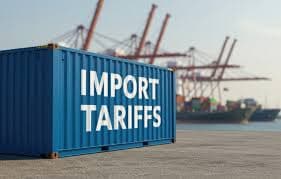

Understanding the Tariff Tide in Cargo Insurance
Tariffs are no longer just a background noise in international trade; they are starting to reshape the cargo insurance market in significant ways. The evolving tariff landscape is stirring up changes that could ripple through insured cargo values and shift how shippers strategize their routes and destinations worldwide.
Experts from the International Union of Marine Insurance (IUMI) have flagged these tariff impacts as potential game changers. The concern is that tariffs could push insured cargo values and risk accumulations higher—by as much as 50% in some regions, notably North America. The knock-on effect? Higher insurance premiums, shifting trade patterns, and a changing logistics scene.
Rising Insured Values and Risk Concentrations
The practical upshot of tariffs is straightforward but alarming for logistics and freight professionals. Increased tariffs can inflate the declared values of cargo for insurance purposes. This, in turn, raises the insurer's risk—accumulations in specific markets or trade routes can swell, making insurance underwriting a trickier endeavor.
This growing risk may push marine insurers to rethink their capacity allocations and premium calculations, especially in markets sensitive to tariff changes. As one might expect, not just North America but other regions could also start feeling these effects depending on how supply chains adapt.
Global Marine Insurance Market: Current State and Tariff Influences
| Region | Share of Global Premium |
|---|---|
| Europe | 46.96% |
| Asia-Pacific | 29.79% |
| Latin America | 10.19% |
| North America | 7.75% |
| Middle East | 3.53% |
| Africa | 1.38% |
Last year, the global marine insurance premium ticked up by 1.5%, reaching nearly $40 billion. Within that, cargo insurance premiums saw a 1.6% increase, continuing an upward trend without major catastrophic losses dampening the field. This steady growth is now intersecting with the unwelcome challenge presented by tariffs.
Capacity and Market Dynamics in Insurance
Interestingly, despite these rising risks, the cargo insurance market has expanded its capacity. Some underwriters are choosing to take on larger risks, sometimes offering attractive premiums to secure business.
Parallel to cargo insurance, the ocean hull insurance sector is witnessing a “soft market” with increased capacity and an emphasis on growth over strict technical risk assessment. This trend is reflective of a broader insurance market pattern, balancing competitive rates with risk exposure.
Offshore Energy and Broader Insurance Challenges
The offshore energy sector tells another side of the story. Premiums there dropped almost 8% last year, influenced by low oil prices, competitive pressure, and an influx of market capacity. This contrast within segments of marine insurance hints at the complexity insurers face in a changing global market with tariffs as a new wrinkle.
Moreover, the marine insurance industry is currently grappling with a mixture of headwinds:
- Geopolitical and trade tensions, which shake the certainty that insurers and logistics providers crave.
- An aging global fleet leading to more mechanical failures, maintenance demands, and concerns about seafarer welfare.
- An uptick in claims related to groundings, large vessel fires, and conflict-zone losses.
Claims Environment: Stability Amid Challenges
While claims were largely under control through 2023 and into 2024, recent spikes—particularly linked to vessel groundings and fire incidents—signal caution. War-related losses also cast an ongoing shadow, adding yet another layer of risk to cargo and hull insurance considerations.
How Tariff Changes Impact Logistics and Forwarding
Tariffs, at first glance, might seem like a regulatory detail tucked away in trade policy. But their impact on cargo insurance premiums and risk profiles has very real consequences for logistics professionals worldwide.
The cost increase in insuring shipments translates to higher freight rates for companies moving goods globally. This forces shippers and forwarders to strategize differently—sometimes diverting shipments through tariff-friendlier markets or altering cargo values disclosed to insurers.
The chain reaction can affect everything from shipping schedules to warehousing, distribution planning, and even the choice of shipping routes. In a word, tariffs have become an unmissable factor in the marketplace of shipping and logistics.
Table: Key Impacts of Tariffs on Supply Chain Logistics
| Effect | Description |
|---|---|
| Increased Insurance Costs | Higher declared cargo values lead to elevated premiums |
| Risk Redistribution | Shippers shift to less tariff-heavy routes impacting freight flows |
| Market Uncertainty | Fluctuating tariffs increase forecasting difficulties for logistics |
| Supply Chain Adaptations | Changes in sourcing and destination markets to optimize costs |
| Underwriting Pressure | Insurers reassess capacity offerings based on risk accumulations |
Summing It Up: A Changing Horizon for Cargo and Logistics
The tariff tide is causing a noticeable stir within the cargo insurance waters, nudging insured values upwards and adjusting risk pools. For logistics operators, this translates into a more carefully calibrated approach to shipping routes, insurance coverage, and cost forecasting. The global marine insurance sector is broadening capacity but wrestling with new risks from both geopolitical unease and the physical state of the global fleet.
This evolving puzzle calls for supply chain players to stay nimble, continually balancing the twin demands of risk management and cost-efficiency. Even as the environment grows more complex, there remain opportunities—for those who keep their ear to the ground—to navigate effectively and smartly.
Making Your Move With Confidence
While industry trends and market analyses provide valuable insights, nothing truly compares to personal experience when it comes to choosing the right logistics or freight options. Platforms like GetTransport.com offer an accessible, transparent way to book cargo transport at competitive rates worldwide. Whether it's office or home relocating, parcel delivery, or moving bulky items like vehicles and furniture, their global reach ensures reliable solutions tailored to your needs.
With GetTransport.com, customers gain the advantage of great prices combined with extensive transport choices delivered through a user-friendly interface. This transparency and convenience make it easier than ever to handle your shipments without unnecessary headaches or costs. Book your ride and unlock the best offers at GetTransport.com.
Looking Ahead: The Logistics Forecast
While tariff-driven changes may not drastically shake the global logistics landscape overnight, their local and sector-specific impacts are definitely noteworthy. For an innovative platform like GetTransport.com, staying on top of such developments is vital to continue providing efficient and affordable cargo transport solutions in an ever-shifting market.
Start planning your next delivery and secure your cargo with GetTransport.com. By embracing these expanded challenges and opportunities, logistics and cargo companies can better align operations with emerging risks and market realities.
In conclusion, tariff adjustments are reshaping the maritime insurance and logistics world by driving insured cargo values higher and encouraging shifts in how goods are moved internationally. A growing insurance market capacity coexists with new risks from geopolitical and fleet-related issues, demanding adaptable strategies from shippers and insurers alike. Services like GetTransport.com help simplify this complexity by offering reliable, scalable, and cost-effective freight and moving solutions globally, supporting smooth cargo distribution and relocation needs in an unpredictable trade environment.