


 Português
  English (UK)
  Русский
  العربية
  日本語
日本語  한국어
한국어  Magyar
  Türkçe
  Español
  Čeština
  Svenska
  Ελληνικά
  Suomi
Suomi  Nederlands
  Română
  Italiano
  Français
  Polski
  Українська
  Deutsch
  简体中文
简体中文  Slovenčina
 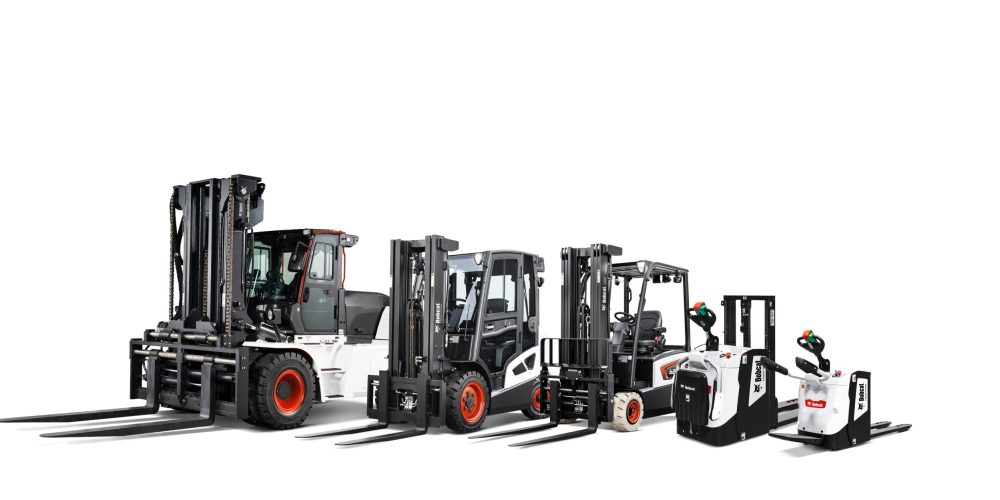 Ponderando Empilhadeiras a Diesel e Elétricas: Insights para Decisões de Logística Mais Inteligentes">

The Shift in Forklift Power Trends
The world of intralogistics is buzzing with change as electrification gains momentum. Electrically powered industrial trucks now command about 70% of the market share, a shift propelled by tighter environmental standards and leaps in battery technology. But before we crown electric forklifts as the ultimate solution, it’s important to remember that diesel-powered forklifts still hold their ground strong in certain settings.
Choosing the right forklift power source is rarely a one-size-fits-all decision. It hinges on several factors—from daily operating hours and workplace infrastructure to emissions regulations and overall cost considerations. Neither diesel nor electric forklifts wear an absolute crown; instead, each has its own arena where it excels, especially when it comes to material handling in logistics.
Electric Forklifts: The Quiet, Clean Operator
The rise of electric forklifts isn’t just a fleeting trend—it’s a strategic move in logistics. With regulations pushing for greener operations and technological improvements, electric drives are stepping into the spotlight. The evolution of lithium-ion battery technology—offering batteries that are smaller, virtually maintenance-free, quick to charge, and longer-lasting—has made these forklifts a smart choice for many warehouses and distribution centers.
Here’s the real kicker: electric forklifts can be designed to be more compact and nimble, perfect for weaving through tight aisles without banging into the goods or walls. This compactness also unlocks roomier and more ergonomic workspaces for operators because there’s no need to build a bulky compartment around a large battery.
| Advantages of Electric Forklifts | Por que isso importa na logística |
|---|---|
| Zero emissions and no odors | Cleaner warehouses, better worker health |
| Quiet operation | Reduces noise pollution, easier communication |
| Fast and easy charging | Less downtime, more productivity |
| Lower maintenance needs | Cost savings and fewer disruptions |
| Better ergonomics and maneuverability | Enhanced operator comfort and efficiency |
Charging hassles, once a major gripe with electric forklifts, are becoming a thing of the past. Thanks to fast-charging lithium-ion batteries, forklift operators can top up the charge during breaks or shorter downtimes. Plus, businesses can significantly shrink their carbon footprint, especially when pairing electric fleets with solar power or green-electricity contracts—a neat intersection with sustainability efforts in logistics.
The Diesel Forklift: Tough as Nails and Ready for Heavy Lifting
Despite the buzz around electrification, diesel forklifts still pack a punch in scenarios where ruggedness and raw power are non-negotiable—think ports, heavy-duty industrial yards, and outdoor environments. These forklifts have been turning the wheels of heavy logistics for decades, celebrated for their robust build and resilience to harsh weather conditions.
Modern diesel forklifts, meeting the stringent Stage V emissions standard, significantly cut fine particulate emissions through advanced particle filter technology, making them far cleaner than before. Their ability to be quickly refueled means longer operational hours without waiting, a crucial factor where uptime is king.
- Lower upfront purchase cost compared to their electric counterparts
- Fast refueling minimizes downtime
- Robust performance in outdoor and rough conditions
- Enhanced emissions controls improving environmental footprint
That said, diesel forklifts still generate noise, exhaust fumes, and require more maintenance related to fuel systems and filters. For certain logistics operations, especially indoors or in noise-sensitive zones, these factors might tip the scales in favor of electric machines.
Where Electric Forklifts Face Their Challenges
Don’t get us wrong—electric forklifts come with a few wrinkles to iron out. Outdoor use, particularly in wet or extremely cold environments, can put electric models to the test. Protection features like high IP protection ratings and engine shielding help combat moisture issues, but electric forklifts aren’t yet a perfect fit everywhere.
Battery limitations, such as capacity and charging infrastructure, can introduce logistical hurdles. Larger load capacities often call for heftier batteries, which may reduce maneuverability and increase cost. Plus, “range anxiety” isn’t just a buzzword here—battery changes or opportunity charging must be carefully managed to avoid unexpected downtime in busy operations.
Diesel’s Road to Real Climate Neutrality
Stricter emission standards mean diesel forklifts have had to adopt more complex exhaust technologies, including catalytic converters and urea injection systems like AdBlue to tackle nitrogen oxide emissions. These improvements make modern diesel forklifts cleaner and more fuel-efficient than ever. However, they cannot entirely eliminate carbon emissions.
To truly balance the environmental scales, alternative approaches such as electric power or alternative fuels like eFuels, hydrogen, or hydrotreated vegetable oils (HVOs) come into play. These alternatives offer promising paths toward greener logistics fleets, blending operational practicality with environmental stewardship.
Cost and Application: What to Consider
Choosing between diesel and electric forklifts boils down to the application’s specifics and usage intensity:
| Fator | Diesel Forklifts | Electric Forklifts |
|---|---|---|
| Preço de Compra | Generally 20% lower upfront | Higher initial cost |
| Operating Cost | Higher fuel and maintenance costs | Lower energy and maintenance expenses |
| Usage Pattern | Ideal for occasional or outdoor heavy-duty use | Ideal para operações contínuas ou por turnos em ambientes internos. |
| Capacidade de Carga | Melhor para cargas muito pesadas e turnos longos | Menos custo-efetivo em cargas muito elevadas |
| Emissions | Melhorado, mas ainda emite gases de escape | Zero emissions during operation |
Para armazéns que operam com múltiplos turnos ou tarefas de alta frequência, empilhadeiras movidas a eletricidade geralmente se mostram mais econômicas a longo prazo. Elas exigem menos manutenção e os custos de energia se acumulam em economias significativas ao longo do tempo. Para transporte pesado em ambientes externos ou uso esporádico, as empilhadeiras a diesel continuam sendo uma escolha confiável e econômica.
Resumo
Tanto os empilhadeiras a diesel quanto os elétricos têm seu lugar na paisagem logística. Os avanços na energia elétrica estão remodelando as operações de armazém com máquinas mais silenciosas, limpas e eficientes. No entanto, os empilhadeiras a diesel, renovados pela tecnologia de controle de emissões e oferecendo potência robusta, ainda se destacam em ambientes de alta resistência e externos. Escolher o tipo certo tem menos a ver com tendência e mais a ver com adequar os pontos fortes do empilhadeira às suas necessidades operacionais.
Seja movendo paletes em corredores estreitos ou transportando grandes cargas em ambientes hostis, entender essas distinções ajuda os profissionais de logística a otimizar a produtividade, equilibrando custo e impacto ambiental.
É claro, embora avaliações e opiniões de especialistas lancem luz sobre essas opções, nada supera a experiência em primeira mão. É aí que plataformas como GetTransport.com entram em seu próprio mérito, oferecendo transporte de cargas global e personalizado a preços competitivos. Com uma vasta escolha de cargas, mercadorias volumosas, embarque e serviços de mudança, desde realocações de escritórios e residências até transporte de veículos e móveis, o site é uma joia da logística que simplifica o desafio de movimentar mercadorias de forma eficiente e acessível. Reserve sua viagem e desbloqueie uma experiência sem complicações com GetTransport.com.
Olhando para o futuro, essas tendências em evolução na tecnologia de empilhadeiras e padrões de emissão moldarão a logística globalmente. Embora o impacto possa ser mais pronunciado no armazém ou nível industrial local do que nas redes de transporte global, manter-se atualizado é vital. GetTransport.com acompanha essas mudanças, garantindo que os clientes sempre tenham acesso a soluções de transporte inteligentes e confiáveis, ajustadas ao mundo em transformação. Comece a planejar sua próxima entrega e proteja sua carga com GetTransport.com.
No final, a chave para uma logística bem-sucedida reside em entender os compromissos ao selecionar equipamentos como empilhadeiras. Confiabilidade, custo, considerações ambientais e condições operacionais desempenham todos um papel. Seja diesel ou elétrico, a escolha certa impulsiona seu negócio para frente sem problemas, enquanto plataformas como GetTransport.com fornecem a espinha dorsal do transporte rodoviário para o transporte de cargas seguro, pontual e econômico em todo o mundo.