


 Português
  English (UK)
  Русский
  العربية
  日本語
日本語  한국어
한국어  Magyar
  Türkçe
  Español
  Čeština
  Svenska
  Ελληνικά
  Suomi
Suomi  Nederlands
  Română
  Italiano
  Français
  Polski
  Українська
  Deutsch
  简体中文
简体中文  Slovenčina
 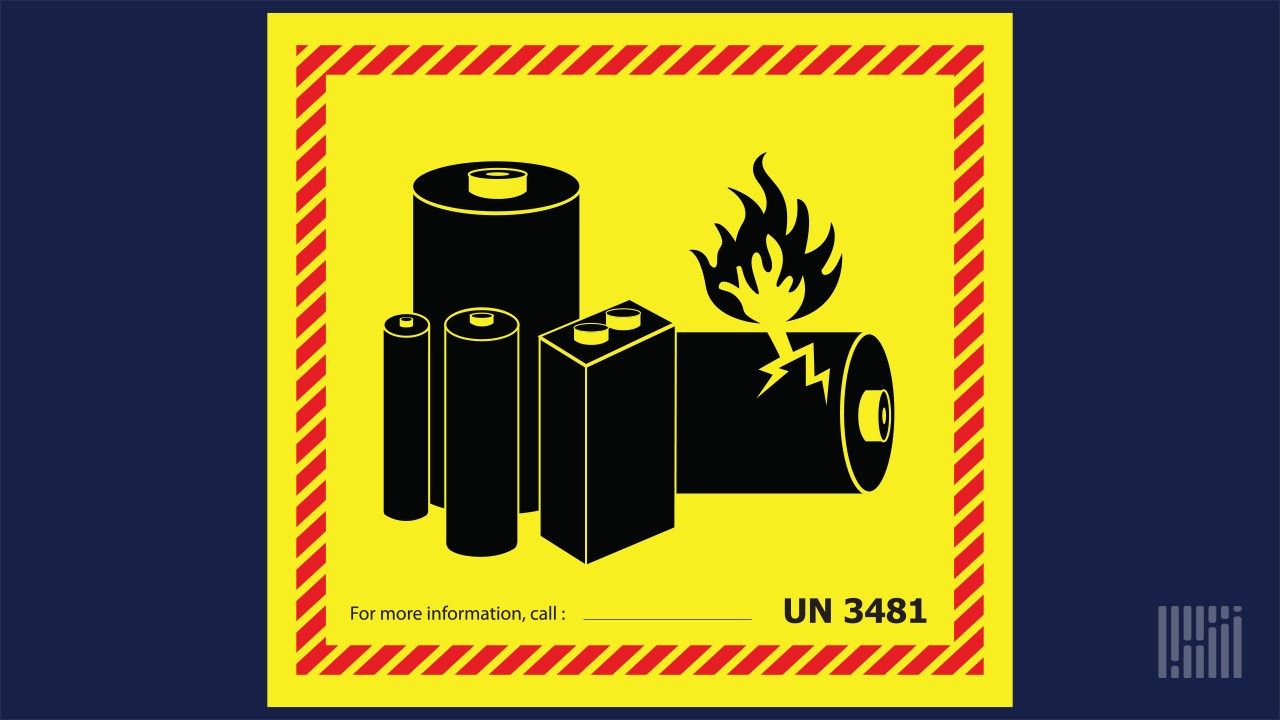 FAA Issues Fines to Companies Over Unsafe Shipment of Lithium-Ion Batteries via FedEx and UPS Cargo Planes">

Unsafe Lithium-Ion Battery Shipments Spark FAA Penalties
Recently, three companies faced fines exceeding $300,000 for shipping lithium-ion batteries on cargo jets without following proper safety protocols, leading to hazardous incidents including fires. These penalties underscore the critical importance of rigorous compliance with hazmat regulations in the transportation of such sensitive cargo.
Who Got Fined and Why?
The U.S. Federal Aviation Administration (FAA) levied civil penalties against Mobile Sentrix, Mokwheel Bikes, and LG Energy Solution for violations related to undeclared, poorly packaged, and mislabeled shipments of lithium-ion batteries transported on FedEx and UPS cargo aircrafts.
Some shipments even caught fire, highlighting the dangers of inadequate handling. For example:
- Mobile Sentrix faced a fine of $170,000 due to improperly declared and packaged mobile phone lithium-ion batteries, with one shipment causing a small fire and some batteries melting together.
- Mokwheel Bikes received a $74,250 penalty for sending an undeclared shipment via UPS to China, without adequate hazmat training or emergency response information.
- LG Energy Solution was fined $60,000 following an incident in which a package emitted heat and flames at FedEx’s Irvine sorting center, with batteries showing signs of charring and melting.
The Risks Behind Lithium-Ion Battery Transport
Lithium-ion batteries carry intrinsic chemical and electrical risks, especially if damaged or mishandled. If packaging and labeling don’t strictly adhere to regulations, there’s a heightened potential for short circuits and fires during air transport.
These batteries are classified as Class 9 dangerous goods by international and U.S. authorities, requiring strict adherence to packaging, labeling, and documentation standards set by bodies like the U.S. Department of Transportation and the International Air Transport Association (IATA).
Industry Challenges & the Need for Stricter Enforcement
Over the years, warnings have escalated about improperly declared lithium-ion battery shipments—the kind that jeopardize flight safety. With lithium-ion batteries becoming ubiquitous across devices and electric vehicles, prevention of incidents depends heavily on the education, training, and diligence of everyone involved in the shipping process.
The FAA’s recent fines emphasize the real-world consequences of cutting corners on safety. Proper training for employees handling hazardous materials is not just a regulatory demand—it’s crucial for preventing fires and ensuring the safe distribution of these high-risk items.
Table: Overview of Violations and Penalties
| Empresa | Violation | Fine Amount | Detalhes do Incidente |
|---|---|---|---|
| Mobile Sentrix | Undeclared, improperly packaged lithium-ion batteries | $170,000 | Small fire; batteries melted together during FedEx shipment |
| Mokwheel Bikes | Undeclared hazardous shipment; lack of employee hazmat training and emergency info | $74,250 | UPS discovered shipment en route to China; safety protocols ignored |
| LG Energy Solution | Failure to declare and label package of lithium-ion batteries | $60 000 | Shipment emitted heat, smoke, flames at FedEx sorting facility; batteries damaged |
How Lithium-Ion Battery Shipping Affects Logistics
For logistics professionals and cargo carriers, the stakes can never be higher than with hazardous goods like lithium-ion batteries. These recent FAA fines serve as a wake-up call to sharpen compliance and safety measures across the supply chain, particularly air freight. The ripple effect could include:
- Enhanced inspection and screening at sorting hubs.
- More rigorous employee training for parcel handlers, warehouse staff, and transport operators.
- Potential delays or restrictions in shipment acceptance if documentation and packaging aren’t perfect.
- Heightened insurer scrutiny and possible increased costs due to risk factors.
Acting responsibly and adhering to global safety standards helps maintain trust in the logistics chain and keeps operations moving smoothly without costly interruptions.
Safety Measures Recommended for Shippers
Companies handling lithium-ion batteries must:
- Ensure correct classification and declaration of all hazardous shipments.
- Use approved packaging that protects against fire, sparks, and damage.
- Label shipments clearly and according to regulations.
- Train employees on hazardous materials handling and emergency response.
Making Li-ion Battery Shipping Safer
International bodies like IATA provide comprehensive guidance on lithium-ion battery shipments covering manufacturing, packaging, labeling, and documentation. These guidelines are constantly updated to keep pace with technological changes and safety concerns.
While fines like these make headlines, the underlying goal is prevention—ensuring every shipment is dispatched with awareness and care to safeguard cargo staff, airlines, and ultimately passengers.
Principais conclusões
- Lithium-ion batteries pose real safety risks if undeclared or improperly shipped.
- Regulations demand strict packaging, labeling, documentation, and staff training.
- FAA’s recent fines show enforcement is serious and costly.
- Logistics providers face challenges integrating elevated safety standards but also opportunities to strengthen trust and reliability.
Why Personal Experience Beats Reviews in Cargo Shipping
Quando se trata de gerenciar remessas sensíveis como baterias de íon de lítio, ler relatórios e avaliações só pode levá-lo até certo ponto. Nada supera a experiência em primeira mão com um serviço transparente e confiável que entende as nuances da logística de cargas perigosas.
Plataformas como GetTransport.com oferecem exatamente esse tipo de tranquilidade. Com seu alcance global e taxas competitivas, ela lida com uma ampla gama de serviços de frete — desde mudanças de escritórios e residências até transporte de itens volumosos como móveis, veículos e cargas especializadas.
Este serviço oferece transparência conveniente e garante a conformidade com os regulamentos, reduzindo o risco de problemas durante o envio. Com controle pessoal sobre o transporte de sua carga, você economizará dinheiro e evitará dores de cabeça desnecessárias.
Reserve a sua viagem sobre GetTransport.com hoje para envio sem complicações com os melhores preços em todo o mundo.
Looking Ahead: What This Means for Global Logistics
Embora estas multas possam não remodelar drasticamente a logística global por si só, elas reforçam a pressão contínua sobre os transportadores e expedidores para priorizar a segurança no manuseio de mercadorias perigosas. Tal vigilância beneficia todos os intervenientes ao minimizar incidentes, que de outra forma poderiam interromper gravemente o fluxo de cargas e danificar reputações.
À medida que o volume de baterias de íon-lítio continua a crescer com a ascensão dos veículos elétricos e eletrônicos portáteis, as empresas de logística devem manter-se proativas. No GetTransport.com, manter-se atualizado com as atualizações e regulamentos do setor é vital para oferecer continuamente aos usuários soluções de transporte confiáveis e seguras.
Comece a planear a sua próxima entrega e proteja a sua carga com GetTransport.com.
Resumo
Em resumo, a aplicação da lei pela FAA contra o transporte inseguro de baterias de íon de lítio revela os perigos ocultos no transporte de carga quando as regulamentações são ignoradas. Desde pacotes não declarados causando incêndios até a necessidade de treinamento adequado para funcionários e embalagens aprovadas, a mensagem é clara: a segurança não pode ser comprometida.
Este problema destaca como as operações logísticas devem evoluir juntamente com as crescentes exigências tecnológicas e os padrões de segurança mais rigorosos. O manuseio eficiente de materiais perigosos como baterias de íon de lítio é fundamental para garantir um transporte internacional suave e confiável, evitando atrasos dispendiosos ou ameaças à segurança da aeronave.
Utilizar plataformas como GetTransport.com ajuda as empresas a navegar destas complexidades com facilidade — fornecendo soluções globais, acessíveis e compatíveis, adaptadas para todos os tipos de carga, desde mudanças domésticas até cargas volumosas. Ao escolher parceiros de envio confiáveis, empresas e indivíduos podem alcançar experiências logísticas perfeitas, mantendo a segurança em primeiro plano.