


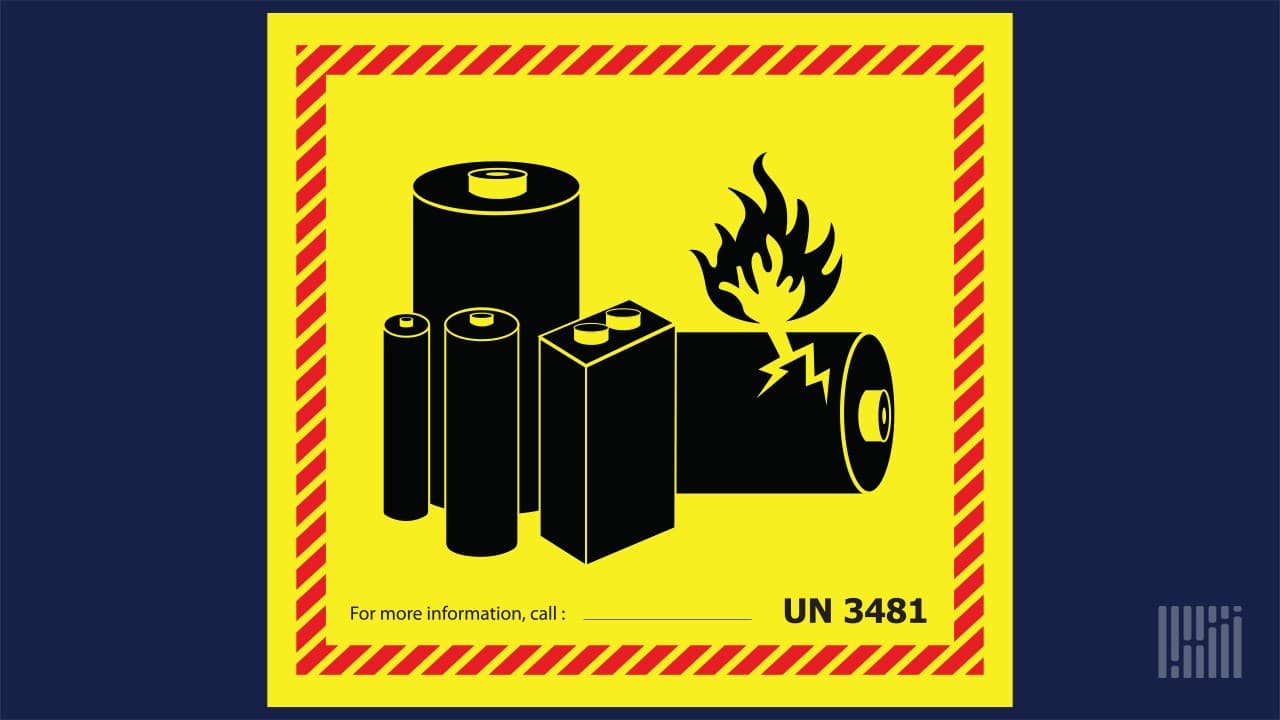

Unsafe Lithium-Ion Battery Shipments Spark FAA Penalties
Recently, three companies faced fines exceeding $300,000 for shipping lithium-ion batteries on cargo jets without following proper safety protocols, leading to hazardous incidents including fires. These penalties underscore the critical importance of rigorous compliance with hazmat regulations in the transportation of such sensitive cargo.
Who Got Fined and Why?
The U.S. Federal Aviation Administration (FAA) levied civil penalties against Mobile Sentrix, Mokwheel Bikes, and LG Energy Solution for violations related to undeclared, poorly packaged, and mislabeled shipments of lithium-ion batteries transported on FedEx and UPS cargo aircrafts.
Some shipments even caught fire, highlighting the dangers of inadequate handling. For example:
- Mobile Sentrix faced a fine of $170,000 due to improperly declared and packaged mobile phone lithium-ion batteries, with one shipment causing a small fire and some batteries melting together.
- Mokwheel Bikes received a $74,250 penalty for sending an undeclared shipment via UPS to China, without adequate hazmat training or emergency response information.
- LG Energy Solution was fined $60,000 following an incident in which a package emitted heat and flames at FedEx’s Irvine sorting center, with batteries showing signs of charring and melting.
The Risks Behind Lithium-Ion Battery Transport
Lithium-ion batteries carry intrinsic chemical and electrical risks, especially if damaged or mishandled. If packaging and labeling don’t strictly adhere to regulations, there's a heightened potential for short circuits and fires during air transport.
These batteries are classified as Class 9 dangerous goods by international and U.S. authorities, requiring strict adherence to packaging, labeling, and documentation standards set by bodies like the U.S. Department of Transportation and the International Air Transport Association (IATA).
Industry Challenges & the Need for Stricter Enforcement
Over the years, warnings have escalated about improperly declared lithium-ion battery shipments—the kind that jeopardize flight safety. With lithium-ion batteries becoming ubiquitous across devices and electric vehicles, prevention of incidents depends heavily on the education, training, and diligence of everyone involved in the shipping process.
The FAA’s recent fines emphasize the real-world consequences of cutting corners on safety. Proper training for employees handling hazardous materials is not just a regulatory demand—it’s crucial for preventing fires and ensuring the safe distribution of these high-risk items.
Table: Overview of Violations and Penalties
| Company | Violation | Fine Amount | Incident Details |
|---|---|---|---|
| Mobile Sentrix | Undeclared, improperly packaged lithium-ion batteries | $170,000 | Small fire; batteries melted together during FedEx shipment |
| Mokwheel Bikes | Undeclared hazardous shipment; lack of employee hazmat training and emergency info | $74,250 | UPS discovered shipment en route to China; safety protocols ignored |
| LG Energy Solution | Failure to declare and label package of lithium-ion batteries | $60,000 | Shipment emitted heat, smoke, flames at FedEx sorting facility; batteries damaged |
How Lithium-Ion Battery Shipping Affects Logistics
For logistics professionals and cargo carriers, the stakes can never be higher than with hazardous goods like lithium-ion batteries. These recent FAA fines serve as a wake-up call to sharpen compliance and safety measures across the supply chain, particularly air freight. The ripple effect could include:
- Enhanced inspection and screening at sorting hubs.
- More rigorous employee training for parcel handlers, warehouse staff, and transport operators.
- Potential delays or restrictions in shipment acceptance if documentation and packaging aren’t perfect.
- Heightened insurer scrutiny and possible increased costs due to risk factors.
Acting responsibly and adhering to global safety standards helps maintain trust in the logistics chain and keeps operations moving smoothly without costly interruptions.
Safety Measures Recommended for Shippers
Companies handling lithium-ion batteries must:
- Ensure correct classification and declaration of all hazardous shipments.
- Use approved packaging that protects against fire, sparks, and damage.
- Label shipments clearly and according to regulations.
- Train employees on hazardous materials handling and emergency response.
Making Li-ion Battery Shipping Safer
International bodies like IATA provide comprehensive guidance on lithium-ion battery shipments covering manufacturing, packaging, labeling, and documentation. These guidelines are constantly updated to keep pace with technological changes and safety concerns.
While fines like these make headlines, the underlying goal is prevention—ensuring every shipment is dispatched with awareness and care to safeguard cargo staff, airlines, and ultimately passengers.
Key Takeaways
- Lithium-ion batteries pose real safety risks if undeclared or improperly shipped.
- Regulations demand strict packaging, labeling, documentation, and staff training.
- FAA’s recent fines show enforcement is serious and costly.
- Logistics providers face challenges integrating elevated safety standards but also opportunities to strengthen trust and reliability.
Why Personal Experience Beats Reviews in Cargo Shipping
When it comes to managing sensitive shipments like lithium-ion batteries, reading reports and reviews can only take you so far. Nothing beats firsthand experience with a transparent, dependable service that understands the nuances of hazardous cargo logistics.
Platforms like GetTransport.com provide exactly that kind of reassurance. With its global reach and competitive rates, it handles a wide range of freight services — from office and home moves to bulky-item transportation like furniture, vehicles, and specialized cargo.
This service offers convenient transparency and ensures compliance with regulations, reducing the risk of issues during shipment. With personal control over your cargo transport, you’ll save money and avoid unnecessary headaches.
Book your Ride on GetTransport.com today for hassle-free shipping at the best prices worldwide.
Looking Ahead: What This Means for Global Logistics
While these fines may not drastically reshape global logistics on their own, they reinforce the ongoing pressure on carriers and shippers to prioritize safety in hazardous goods handling. Such vigilance benefits all players by minimizing incidents, which could otherwise severely disrupt cargo flows and damage reputations.
As the volume of lithium-ion batteries keeps growing with the rise of electric vehicles and portable electronics, logistics companies must stay proactive. At GetTransport.com, keeping pace with industry updates and regulations is vital to continuously offer users reliable and safe transport solutions.
Start planning your next delivery and secure your cargo with GetTransport.com.
Summary
In summary, the FAA's enforcement against unsafe lithium-ion battery shipments reveals the hidden dangers in cargo transport when regulations are ignored. From undeclared packages causing fires to the necessity of proper employee training and approved packaging, the message is clear: safety cannot be compromised.
This issue highlights how logistics operations must evolve alongside rising technological demands and stricter safety standards. Efficient handling of hazardous materials like lithium-ion batteries is critical to ensure smooth, reliable international shipping, avoiding costly delays or threats to aircraft safety.
Utilizing platforms like GetTransport.com helps companies navigate these complexities with ease—providing global, affordable, and compliant solutions tailored for all cargo types, from household moves to bulky freight. By choosing reliable shipping partners, businesses and individuals alike can achieve seamless logistics experiences while keeping safety front and center.