


 Română
  English (UK)
  Русский
  العربية
  日本語
日本語  한국어
한국어  Magyar
  Türkçe
  Español
  Čeština
  Svenska
  Português
  Ελληνικά
  Suomi
Suomi  Nederlands
  Italiano
  Français
  Polski
  Українська
  Deutsch
  简体中文
简体中文  Slovenčina
 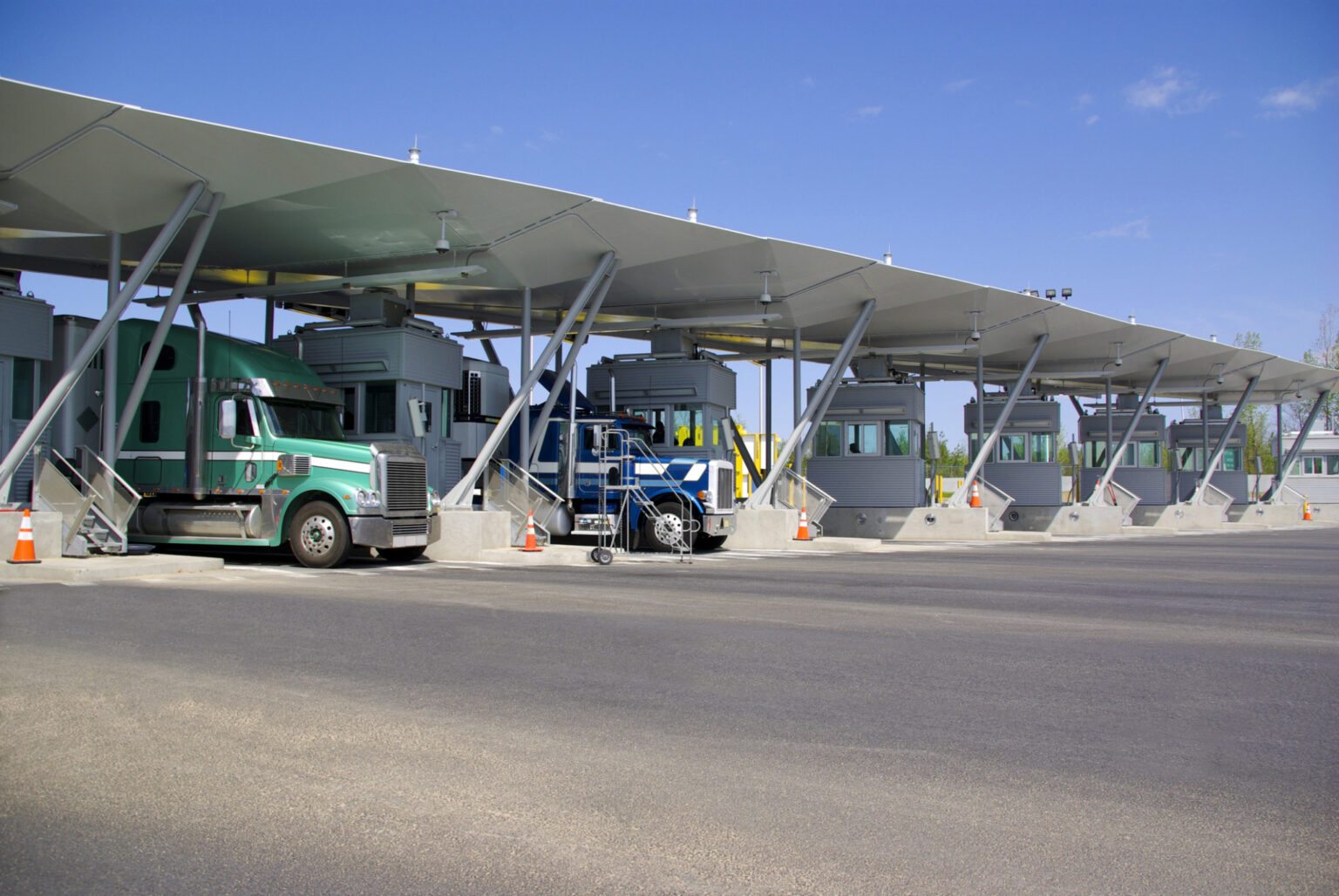 Provocări persistă cu portalul CARM al CBSA din Canada, la peste un an de la implementare, și efectele sale asupra logisticii de transport de marfă">

The Ongoing Hurdles with Canada’s Customs Payment System
Over a year since Canada introduced its new digital customs portal, designed to streamline duties and taxes on imported goods, frustrations persist among freight forwarders and importers. Originally launched in October 2024 with high hopes of modernizing the customs clearance process, the platform—known as the CBSA Assessment Revenue Management system (CARM)—endeavored to replace the decades-old paper-heavy system with a sleek, user-friendly digital experience.
In reality, this high-cost, $706 million system has encountered a rocky road, creating more headaches than smooth sailing for many involved in cross-border transport. From extended registration times to unpredictable system outages, these challenges are reverberating throughout the supply chain, potentially increasing costs and causing delays that ripple down to consumers.
Key Issues Plaguing the CARM Portal
- Delayed Registration: Canadian companies that once registered within days now face waits stretching into two weeks, with overseas importers sometimes stuck for up to two months.
- System Glitches and Outages: The portal has suffered more than 50 unscheduled outages in its first year, each bringing about disruptions that hamper shipment clearance.
- Complex Self-Registration: The shift from customs brokers managing import registrations to importers taking on this task themselves has added complexity and administrative burden.
- Poor Customer Support: Help desks are overwhelmed, with users often waiting weeks for responses, leaving many stranded mid-process.
The Changing Role of Customs Brokers and Importers
Previously, customs brokers took the reins as middlemen—handling registrations, documentation, and payments on behalf of shippers. This setup helped keep the paperwork and regulatory compliance in check behind the scenes. Now, with CARM, the onus has shifted heavily onto importers to self-register and manage much of their customs compliance, though brokers can still assist if delegated properly.
For many importers, this is not as straightforward as online shopping subscriptions. New users unfamiliar with the portal’s nuances often find themselves caught in an administrative quagmire, stuck “down a rabbit hole” of complex forms and procedural steps that can stall their shipments.
Table 1: Before vs. After CARM Portal Introduction
| Aspect | Pre-CARM | Post-CARM |
|---|---|---|
| Registration Time for Canadian Importers | 2-3 days | Up to 2 weeks |
| Registration Time for Overseas Importers | Handled by brokers | Up to 2 months |
| Role of Customs Broker | Full service including registration & payment | Assistance available; importers must self-register |
| User Experience | Manual paperwork, slower but familiar | Digital but glitchy and complex for new users |
Impact on Supply Chains and Consumers
Supply chains thrive on precision and predictability, but the current state of CARM injects uncertainty. Outages can cause days-long delays at the border as officers resort to manual paperwork processing, forcing shipments into temporary storage with risks of spoilage and loss. Added costs from these disruptions inevitably get passed down the line, nudging up prices for end consumers and narrowing business competitiveness.
Industry Voices Bring Concern
Trade groups and industry professionals are sounding alarms. Delays and inefficiencies make Canada less attractive as a place for smooth business operations, potentially discouraging investment and complicating international freight forwarding. While the portal has reportedly increased duty collections by 9% year-over-year, stakeholders stress that such benefits are shadowed by operational headaches.
Technology versus Practicality
Though the platform holds useful features, the growing pains of deployment have tested patience. Importers outside Canada need a special federally assigned business number to sign up—a process delayed up to 30 days. Frequent outages add fuel to the fire, causing costly interruptions and disrupting tightly timed logistics.
Summary of CARM Portal Outage Frequency in First Year
| Year 1 Outages | Scheduled | Unscheduled | Total |
|---|---|---|---|
| Number of Outages | Few | ~50 | 50+ |
Steps Toward Addressing These Challenges
The Canada Border Services Agency (CBSA) maintains that the system has achieved an uptime of 99% since December last year and is actively pursuing improvements. Ahead of recent updates, they consulted businesses on options to simplify registration—for instance, allowing importers to use their customs broker’s business number instead of waiting for one of their own.
CBSA encourages users to use guidance materials and reach out to helpdesks, even as these remain overwhelmed. The agency aims to shake off the “growing pains” and stabilize the system’s accessibility going forward.
Logistics and Global Shipping: What This Means for Providers
The reliability of customs systems directly affects transport, freight, and shipment schedules. In a world where supply chains are tightly choreographed, delays at customs cause a domino effect that can disrupt delivery timelines and increase freight costs. Reliable, straightforward customs processing is essential for international forwarding, haulage, and distribution operations.
For logistics companies managing complex loads—ranging from household moves to large, bulky cargo or vehicle shipments—stability in customs clearance is crucial. Companies planning cross-border freight must factor in these potential disruptions and consider partners with the tenacity and systems in place to navigate them.
Why Flexibility and Transparency Matter in Logistics Platforms
Platforms like GetTransport.com have become key players by helping cargo owners and freight operators find reliable and affordable transportation options worldwide. The ability to book transport for everything from small parcels and pallets to containers filled with bulky goods, and even vehicle relocations, means logistics operators can better manage unpredictable delays.
Making Informed Choices in the World of Customs Digitalization
Despite the array of feedback highlighting registration delays, outages, and support bottlenecks, there’s something to be said about trying for yourself. Trusted reviews and honest experience reports are valuable, but firsthand experience often reveals nuances numbers can’t capture. On platforms like GetTransport.com, users gain access to global cargo transport at competitive rates—no need to break the bank while testing the waters.
This blend of extensive options with transparent pricing and user-friendly booking empowers shippers and movers alike to dodge unnecessary expenses and avoid disappointment. It’s a logistical win when convenience marries cost-effectiveness.
Rezervă-ți cursa pe GetTransport.com and enjoy ease, affordability, and choice for your next shipment.
Looking Ahead: The Future of Customs Digital Platforms and Logistics
From a global logistics perspective, while issues with one national customs portal might not derail international freight on a massive scale, such inefficiencies highlight the critical need for reliable systems worldwide. As digital customs management becomes the norm, ensuring these platforms function smoothly remains paramount for international trade.
At GetTransport.com, staying updated on such industry developments allows the platform to adapt and keep pace with shifting operational landscapes. Streamlined customs processes combined with excellent logistics services provide the backbone for efficient global delivery and forwarding.
Începeți să vă planificați următoarea livrare și asigurați-vă încărcătura cu GetTransport.com.
Concluzie
The Canadian CBSA’s CARM portal aimed to revolutionize customs duty payment and document submission, replacing a paper-heavy, broker-dependent system with a digital approach. However, ongoing challenges like slow registration, system outages, and limited support have complicated the freight forwarding and shipment process.
These disruptions not only raise the cost and risk of delays but can influence competitiveness in international trade logistics. Reliable customs clearance is essential for efficient transportation, shipping, and distribution chains that underpin modern commerce, especially for complex and bulky freight.
Logistics platforms that enable users to navigate such challenges by offering extensive options for cargo transport—from office or household moves to vehicle shipments—and competitive pricing, like GetTransport.com, are vital. They provide a transparent, convenient way to manage shipments in a landscape where smooth cooperation between customs and logistics is critical for success.