


 Русский
  English (UK)
  العربية
  日本語
日本語  한국어
한국어  Magyar
  Türkçe
  Español
  Čeština
  Svenska
  Português
  Ελληνικά
  Suomi
Suomi  Nederlands
  Română
  Italiano
  Français
  Polski
  Українська
  Deutsch
  简体中文
简体中文  Slovenčina
 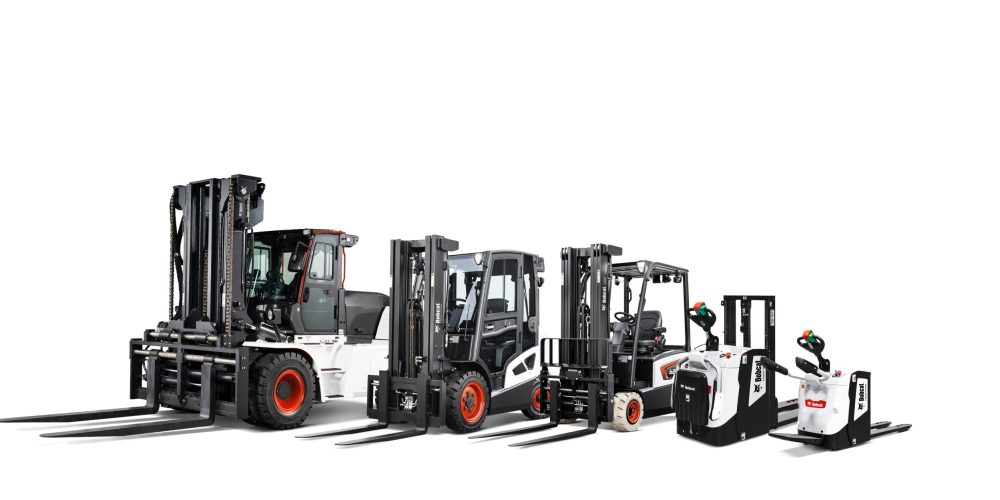 Weighing Diesel and Electric Forklifts: Insights for Smarter Logistics Decisions">

Сдвиг в тенденциях использования источников питания для вилочных погрузчиков
В мире интралогистики назревают перемены, поскольку электрификация набирает обороты. Промышленные электропогрузчики сейчас занимают около 70% рынка, и этот сдвиг обусловлен ужесточением экологических стандартов и скачками в развитии аккумуляторных технологий. Но прежде чем мы увенчаем электрические вилочные погрузчики как идеальное решение, важно помнить, что дизельные погрузчики все еще прочно удерживают свои позиции в определенных условиях.
Выбор подходящего источника питания для вилочного погрузчика редко бывает универсальным решением. Он зависит от нескольких факторов — от ежедневных рабочих часов и инфраструктуры рабочего места до норм выбросов и общих соображений стоимости. Ни дизельные, ни электрические вилочные погрузчики не имеют абсолютного превосходства; вместо этого, у каждого есть своя область, в которой он превосходит другие, особенно когда речь идет об обработке материалов в логистике.
Электрические вилочные погрузчики: тихий и экологичный оператор
Рост популярности электрических вилочных погрузчиков — это не просто мимолетная тенденция, а стратегический шаг в логистике. В условиях ужесточения нормативных требований к экологичности операций и технологических усовершенствований электрические приводы выходят на первый план. Эволюция литий-ионная аккумуляторная технология—предлагая аккумуляторы меньшего размера, практически не требующие обслуживания, быстро заряжающиеся и более долговечные — сделало эти вилочные погрузчики разумным выбором для многих складов и распределительных центров.
А вот что действительно круто: электрические вилочные погрузчики могут быть спроектированы так, чтобы быть более компактными и маневренными, идеально подходящими для передвижения по узким проходам без столкновений с товарами или стенами. Эта компактность также высвобождает более просторные и эргономичные рабочие места для операторов, поскольку нет необходимости строить громоздкий отсек вокруг большой батареи.
| Преимущества электрических вилочных погрузчиков | Почему это важно в логистике |
|---|---|
| Нулевые выбросы и отсутствие запахов | Чище склады — здоровее сотрудники |
| Тихая работа | Снижает шумовое загрязнение, упрощает общение |
| Быстрая и легкая зарядка | Меньше простоев, больше продуктивности |
| Меньшие потребности в обслуживании | Экономия затрат и меньше перебоев |
| Улучшенная эргономика и маневренность | Повышенный комфорт и эффективность оператора |
Проблемы с зарядкой, когда-то бывшие основным недостатком электрических вилочных погрузчиков, уходят в прошлое. Благодаря быстрозаряжающимся литий-ионным аккумуляторам операторы погрузчиков могут подзаряжать их во время перерывов или более коротких простоев. Кроме того, предприятия могут значительно сократить свой углеродный след, особенно при использовании электрического автопарка в сочетании с солнечной энергией или контрактами на экологически чистую электроэнергию — удачное пересечение с усилиями по обеспечению устойчивости в логистике.
Дизельный вилочный погрузчик: Крепкий, как гвозди, и готов к тяжелым подъемам
Несмотря на шумиху вокруг электрификации, дизельные вилочные погрузчики по-прежнему демонстрируют свою мощь в сценариях, где прочность и грубая сила являются обязательными условиями — например, в портах, на тяжелых промышленных площадках и на открытом воздухе. Эти вилочные погрузчики десятилетиями вращают колеса тяжелой логистики, и их ценят за прочную конструкцию и устойчивость к суровым погодным условиям.
Современные дизельные вилочные погрузчики, отвечающие строгим Экологический стандарт Stage V, значительно сократили выбросы мелких твердых частиц благодаря передовой технологии сажевых фильтров, что делает их намного чище, чем раньше. Их способность к быстрой заправке означает увеличение времени работы без ожидания, что является решающим фактором там, где время безотказной работы имеет первостепенное значение.
- Меньшая первоначальная стоимость покупки по сравнению с их электрическими аналогами
- Быстрая дозаправка сводит к минимуму время простоя
- Надежная работа вне помещений и в суровых условиях
- Улучшенные средства контроля выбросов, снижающие воздействие на окружающую среду
Тем не менее, дизельные вилочные погрузчики по-прежнему создают шум, выхлопные газы и требуют большего обслуживания, связанного с топливными системами и фильтрами. Для определенных логистических операций, особенно в помещениях или в зонах, чувствительных к шуму, эти факторы могут склонить чашу весов в пользу электрических машин.
Где электрические вилочные погрузчики сталкиваются со своими проблемами
Не поймите нас неправильно — у электрических вилочных погрузчиков есть свои недостатки, которые нужно учитывать. Использование на открытом воздухе, особенно во влажных или очень холодных условиях, может стать серьезным испытанием для электрических моделей. Такие средства защиты, как высокие классы защиты IP и экранирование двигателя, помогают бороться с проблемами, связанными с влагой, но электрические вилочные погрузчики пока не идеально подходят для любых условий.
Ограничения батареи, такие как емкость и зарядная инфраструктура, могут создать логистические препятствия. Большая грузоподъемность часто требует более мощных батарей, что может снизить маневренность и увеличить стоимость. Кроме того, “беспокойство о запасе хода” здесь не просто модное слово - замену батарей или возможность подзарядки необходимо тщательно контролировать, чтобы избежать неожиданных простоев в напряженной работе.
Дизельное топливо на пути к реальной климатической нейтральности
Более строгие нормы выбросов означают, что дизельные вилочные погрузчики должны использовать более сложные технологии выхлопа, включая каталитические нейтрализаторы и системы впрыска мочевины, такие как AdBlue, для борьбы с выбросами оксидов азота. Эти улучшения делают современные дизельные вилочные погрузчики более экологичными и экономичными, чем когда-либо. Однако они не могут полностью исключить выбросы углерода.
Для достижения истинного баланса в экологической сфере в игру вступают альтернативные подходы, такие как электроэнергия или альтернативные виды топлива, например, eFuels, водород или гидроочищенные растительные масла (HVO). Эти альтернативы предлагают многообещающие пути к созданию более экологичных логистических парков, сочетая операционную практичность с заботой об окружающей среде.
Стоимость и применение: что необходимо учитывать
Выбор между дизельными и электрическими вилочными погрузчиками сводится к специфике применения и интенсивности использования:
| Фактор | Дизельные вилочные погрузчики | Электрические вилочные погрузчики |
|---|---|---|
| Цена покупки | Обычно на 20-30% ниже первоначальные затраты | Более высокая начальная стоимость |
| Операционные расходы | Более высокие затраты на топливо и техническое обслуживание | Снижение затрат на электроэнергию и техническое обслуживание |
| Шаблон использования | Идеально для нечастого или интенсивного использования на открытом воздухе | Best for continuous or shift operations indoors |
| Load Capacity | Better for very heavy loads and long shifts | Less cost-effective at very high tonnages |
| Emissions | Improved but still emits exhaust gases | Нулевые выбросы во время работы |
For warehouses running multiple shifts or high-frequency tasks, electrically powered forklifts often prove more economical in the long run. They demand less maintenance and energy costs add up to significant savings over time. For heavy-duty outdoor hauling or sporadic use, diesel forklifts remain a dependable, cost-efficient choice.
Резюме
Both diesel and electric forklifts have their place in the logistics landscape. Advances in electric power are reshaping warehouse operations with quieter, cleaner, and more efficient machines. Yet diesel forklifts, renewed by emission control tech and delivering robust power, still shine in heavy-duty and outdoor settings. Picking the right type is less about trend and more about matching the forklift’s strengths to your operational needs.
Whether moving pallets inside narrow aisles or hauling big loads in harsh environments, understanding these distinctions helps logistics professionals optimize productivity while balancing cost and environmental impact.
Of course, while reviews and expert takes shed light on these options, nothing beats firsthand experience. That’s where platforms like GetTransport.com come into their own, offering tailored, global cargo transportation at competitive prices. With a vast choice of freight, bulky cargo, shipment, and moving services, from office and home relocation to vehicle and furniture transport, the site is a logistics gem that simplifies the challenge of shifting goods efficiently and affordably. Book your ride and unlock a hassle-free experience with GetTransport.com.
Looking ahead, these evolving trends in forklift technology and emission standards will shape logistics globally. Though the impact might be more pronounced at the local warehouse or industrial level than across global freight networks, staying current is vital. GetTransport.com keeps pace with these shifts, ensuring clients always have access to smart, reliable transport solutions tuned to the changing world. Start planning your next delivery and secure your cargo with GetTransport.com.
In the end, the key to successful logistics lies in understanding the trade-offs when selecting equipment like forklifts. Reliability, cost, environmental considerations, and operational conditions all play a role. Whether diesel or electric, the right choice powers your business forward seamlessly, while platforms like GetTransport.com provide the trucking backbone for safe, timely, and cost-effective freight movement across the globe.