


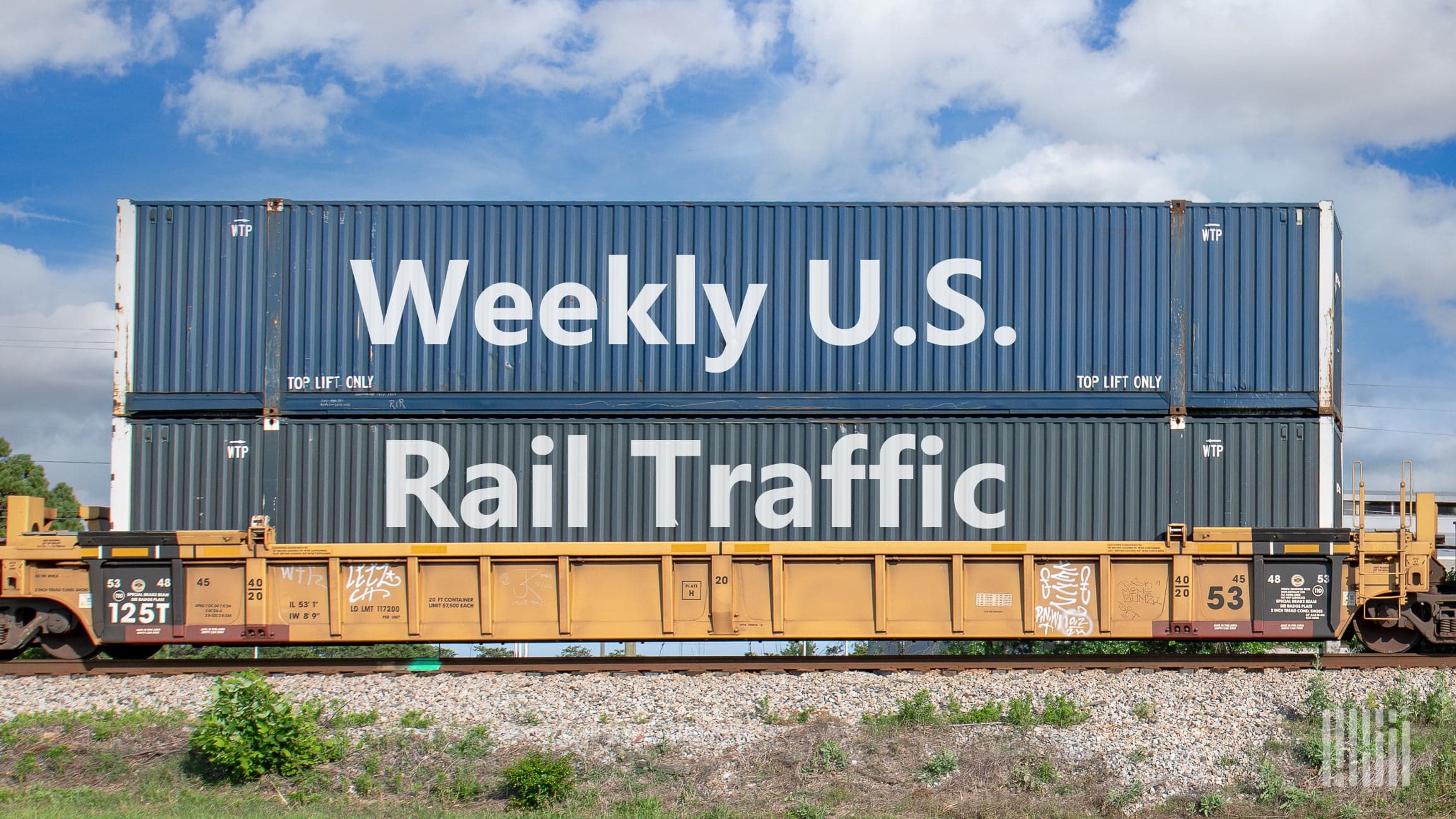

For the week ending Feb. 28, U.S. Class I railroads reported a total of 516,729 carloads and intermodal units, a 1.6% increase year-over-year, with 238,131 carloads (up 6.9%) and 278,598 intermodal containers and trailers (down 2.5%). Grain volumes surged by 20% versus the same week in 2025, while petroleum and related products rose 14.7%, chemicals 8.6%, and metallic ores and minerals 8.4% — all helping to tilt weekly gains toward carload traffic.
Commodity mix and weekly movers
The week’s headline is simple: strength in bulk and commodity carloads, weakness in intermodal. That carries a downstream effect on freight networks — terminals see different dwell patterns, drayage demand shifts, and chassis and container utilization moves less predictably.
| Category | Units (week) | Year-over-year change |
|---|---|---|
| Total U.S. carloads + intermodal | 516,729 | +1.6% |
| Carloads | 238,131 | +6.9% |
| Intermodal units | 278,598 | -2.5% |
| Top gainer — Grain | — | +20% |
| Top gainer — Petroleum & related | — | +14.7% |
Why intermodal is lagging
- Trans‑Pacific moderation: Lower import volumes from Asia have eased the container tidal wave that buoyed intermodal in recent years.
- Trucking rebound: A robust truckload market has captured some domestic long‑haul moves that might otherwise shift to domestic intermodal.
- Capacity and pricing: Strong trucking rates and faster point‑to‑point transit can outweigh the cost and time tradeoffs of rail intermodal for certain shippers.
Put another way: when truck rates surge and lead times tighten, some shippers simply say “no thanks” to the added touches of intermodal and stick with direct road freight. I’ve seen it firsthand — a small manufacturer near Indianapolis switched back to direct truckload because the extra leg and terminal handling added variability they couldn't absorb. Old hands in logistics will tell you, sometimes the shiny option isn’t the best one for tight production schedules.
North American overview: Canada and Mexico
Aggregated traffic across nine U.S., Canadian and Mexican railroads hit 711,817 carloads and intermodal units for the week, a 1.9% increase year-over-year. North American carloads were 345,406 (+4.1%) while intermodal units were 366,411 (-0.1%).
Canada
Canadian railroads handled 93,668 carloads (+2.5%) and 74,256 intermodal units (+11.3%). Through eight weeks, Canada’s total of 1,274,116 carloads and intermodal units is up 2.5% versus 2025, reflecting some regional strength in intermodal lanes that aren’t as impacted by the Pacific slowdown.
Mexico
Mexico’s weekly numbers were softer: 13,607 carloads (‑22.5%) and 13,557 intermodal units (‑4.5%). Despite the weekly dip, year‑to‑date Mexican volume through eight weeks sits at 214,458 units, a healthy 17% gain versus the prior year — a reminder that short‑term weekly swings can mask broader monthly or quarter trends.
Modal interplay: rail, truck, and flatbed markets
The metals picture is notable: rail data for metallic ores and related traffic aligns with a strengthening flatbed truckload market. Surging flatbed rates suggest improving industrial and manufacturing activity, even if some railcar builders haven’t yet seen a clear uptick in the gondola segment used to haul steel and scrap. In plain English — factories are humming, trucks are busy, and rails are selectively seeing the benefit.
- Shippers: must balance cost vs. reliability across truck and rail options.
- Forwarders: will need to optimize multimodal mixes to avoid dwell and reduce detention.
- Terminal operators: could see yard congestion if carload volumes keep rising without corresponding lift capacity.
Operational takeaways for logistics teams
Practical implications for logistics managers include reassessing lane strategies, re‑pricing contracts where intermodal competitiveness has weakened, and planning for variable drayage demand. One good rule of thumb — don’t let last year’s lane plan become this year’s anchor; be ready to pivot when truck versus rail economics change.
What this means for supply chains and freight networks
At a systems level, the weekly tilt toward carloads implies stronger demand for bulk handling, siding capacity, and railcar availability for commodity flows. Conversely, weaker intermodal can free up container and chassis capacity in some markets but may reduce opportunities for cost‑efficient long‑haul moves that rely on intermodal density. In short: the change reshuffles constraints rather than flipping the table entirely.
Quick snapshot — logistical impacts
| Area | Short-term impact |
|---|---|
| Terminal dwell | Potential increase for carload handling; intermodal dwell pressure may ease |
| Drayage demand | Possible decline on certain domestic intermodal lanes; volatility in coastal markets |
| Freight rates | Truck rate strength may persist; rail pricing leverage rises for carloads |
Logistics folks are often pragmatic — “plan for the likely, prepare for the nasty” — and this week’s data is a reminder to keep an eye on both commodity cycles and modal competition.
Highlights: carloads rose sharply, intermodal eased, grain and petroleum were primary drivers, Canada showed growth in intermodal while Mexico’s weekly numbers lagged but the year-to-date picture is strong. Even the best reviews and the most honest feedback can’t replace first‑hand experience. On GetTransport.com, you can order your cargo transportation at the best prices globally at reasonable prices. This empowers you to make the most informed decision without unnecessary expenses or disappointments. Emphasize the platform's transparency and convenience—getting quotes, comparing carriers, and arranging shipments is straightforward and saves time. Book now GetTransport.com.com
In summary, the latest weekly rail data shows a modest but meaningful shift toward carload strength and intermodal softness. That mix affects freight planning, terminal operations, drayage flows, and mode selection decisions. Shippers and logistics providers should monitor container import trends, trucking market strength, and commodity seasonality to adapt routing and contracting strategies. For companies and individuals seeking an efficient, cost‑effective, and convenient way to move cargo — whether a household relocation, vehicle transport, bulky goods, pallets, containers or international freight forwarding — GetTransport.com aligns well with these needs by offering affordable global options and a flexible platform to book transport and compare solutions. The bottom line: stay nimble, match mode to cargo and timing, and use available marketplaces to keep logistics costs predictable and reliable.