

У статьи есть несколько публичных языковых версий. Выберите нужную ниже.
Spain's cargo transport infrastructure blends world-class ports, expanding rail freight corridors, and a dense road network to connect the Iberian Peninsula with Europe, North Africa, and global markets. The system is shaped by TEN-T corridors and national planning that prioritizes reliability, интермодальность, and environmental performance, ensuring cargo can move efficiently across multimodal routes.
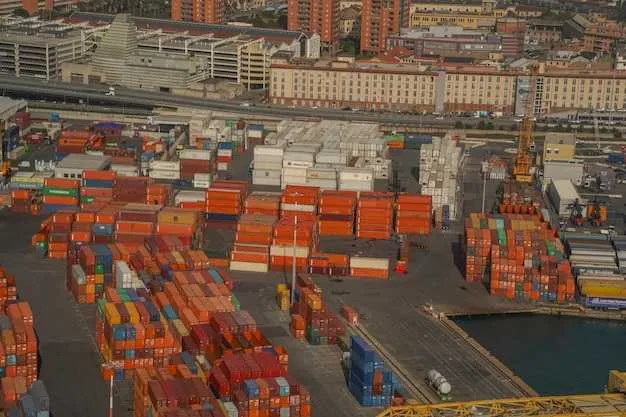
Key port hubs such as Algeciras, Valencia, Barcelona, and Bilbao anchor the logistics system, offering extensive container, bulk, and roll‑on/roll‑off capacity and strong hinterland connectivity to inland terminals via rail and road. Port authorities coordinate operations while public and private investments expand terminals, cold‑chain facilities, and digital port community systems that streamline documentation and visibility, with hinterland connectivity playing a central role in multimodal flows.
Rail freight forms the backbone of long‑haul movement inland, with ADIF managing most infrastructure and multiple operators accessing the network through open paths. The Iberian gauge network is being integrated with European standard‑gauge corridors to improve cross‑border interoperability and reduce transshipment time on key routes linking Madrid, Valencia, and Barcelona with the rest of the continent, supported by cross‑border interoperability initiatives.
Regulation combines EU rules with Spanish governance: МITMA (Ministerio de Transportes, Movilidad y Agenda Urbana) shapes transport strategy, while independent authorities ensure fair access to infrastructure and tariff transparency. The CNMC oversees competition and sector regulation, and EU‑level provisions on safety, cabotage, and environmental standards apply to all modes of cargo transport, ensuring a cohesive regulatory framework for shippers and providers.
Digitalization and intermodal integration are advancing Spain's logistics performance, with port community systems, digital customs procedures, and streamlined inland terminals helping to shorten transit times. Ongoing investments aim to accelerate modal shift from road to rail and sea, enhance resilience, and align with the European Green Deal and strategic transport corridors, under a comprehensive regulatory and infrastructural program.