


 Slovenčina
  English (UK)
  Русский
  العربية
  日本語
日本語  한국어
한국어  Magyar
  Türkçe
  Español
  Čeština
  Svenska
  Português
  Ελληνικά
  Suomi
Suomi  Nederlands
  Română
  Italiano
  Français
  Polski
  Українська
  Deutsch
  简体中文
简体中文 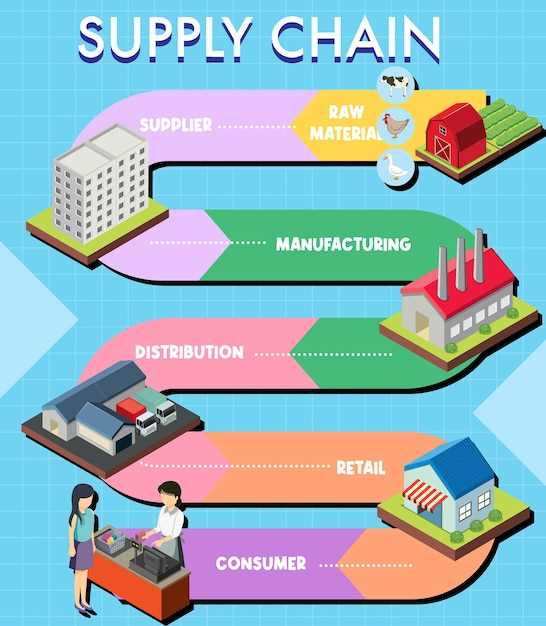 The Next-Gen Supply Chain – Younger, More Educated &">

Start with a data-driven, partner-first network that links generations, education, and frontline work in the workplace to shorten delivery times and reduce inventory levels within six months.
Use those data streams from each product and all partners to align inventory, delivery windows, and loyalty signals. In a 12-week pilot with five partners, on-time delivery rose by 9%, fill rate improved by 7%, and inventory carrying costs dropped 12% across multiple timeslots.
Po prvé, build a flexible planning horizon that shifts between forecast-driven and real-time replenishment as changes occur. Second, colocate analytics with procurement and logistics teams to curb lead times and bolster loyalty through reliable delivery windows. Third, run a 90-day pilot to quantify results, targeting a 10% reduction in stockouts and a 15% lift in order fill. Fourth, create transparent metrics and micro-credentials that reward teams and strengthen the workplace culture. These four ways will guide your rollout.
When a constraint appears, then reallocate resources quickly and re-run the forecast for the next window.
This approach, designed for younger generations and a diverse set of partners, helps develop a winning posture that benefits customers, teams, and the entire supply chain.
Track performance at peak times to capture real-world variability and continuously refine how those products are stocked, delivered, and supported by loyalty programs across the network.
Practical Trends for Aligning Education, Youth, and Diversity in the Supply Chain

Recommendation: Create a co-designed curriculum with local colleges and retailers that pairs coursework with paid internships in the field. Define your requirements for roles in retail, procurement, and last-mile logistics, and track progress with a simple analysis dashboard. This educational design keeps hands-on work in the field while you educate new talent and give diverse youth a chance to enter the space; it wont replace the value of on-site mentorship, but it expands access for trainees.
Leverage internet-enabled modules and hands-on projects to teach hard skills such as inventory control, demand planning, and supplier design. Deliver content in short, days-long rotations so trainees can see the thing in practice, not just in theory. The program educates participants in financial literacy and budgeting to align with your requirements and the means to measure impact.
Diversity and youth focus: Build mentorship networks across age groups and backgrounds. Create targeted scholarships for youth in areas weve identified as underserved. Use a structured interview rubric to assess traits and performance on real tasks. Track metrics such as applicant diversity, retention within 12 months, and progression into supervisory roles. The analysis will reveal which partnerships are most likely to deliver value.
Practical steps by area: in retail and e-commerce, co-locate learning centers with distribution hubs to minimize travel days. In manufacturing and design spaces, rotate interns through design, quality, and planning teams. In smaller regions, leverage online courses and mentor networks to extend space for growth. This approach leverages traits of youth and the energy of diverse teams.
Implementation plan: Establish a cross-functional team to manage the program; appoint a senior sponsor to ensure alignment with financial targets and your talent requirements. Roll out in phases: pilot in two areas, evaluate after 90 days, scale to five. Measure outcomes: time-to-fill for critical roles, retention rate, and cost per hire. The means to fund it include internal budgets and targeted grants; show return on investment from faster onboarding and higher productivity from employees educated through the program.
To sustain momentum, launch a community of practice online and offline: weekly syncs, quarterly showcases, and a shared repository of case studies. Keep content fresh by updating curricula as technology and consumer demand shift. After each intake, collect feedback from participants and partner firms to refine partnerships and investments. This approach keeps education aligned with real-world needs without dependence on a single vendor.
Onboarding for a Tech-Savvy Gen: Streamlined paths for early-career hires
Start with a two-week onboarding sprint that pairs every new hire with a dedicated onboarding buddy and a role-specific outcomes list, delivering clear expectations from day one and reducing time-to-value in the first days.
Create three tracks–product, data/analytics, and operations–while offering an entire baseline kit: accounts configured, single sign-on access, and security checklists. Use cross-team kickoff sessions so everyone meets their squad, understands how their work ties to common goals, and can contribute immediately.
With demand for talent at a high level and a growing cohort of retiring colleagues, prioritize fast yet thorough integration. This approach accelerates impact for the organization and creates a stable pipeline of capable, engaged contributors who can adapt to evolving priorities.
Evaluate candidates by outcomes and potential rather than grades alone: their degrees can inform context, but practical demonstrations win in the short term. Build micro-credentials that acknowledge hands-on progress, which helps interested hires prove their ability and accelerates progression toward ownership of meaningful jobs.
Assign mentors from diverse teams, schedule weekly check-ins, and provide a structured support network. Stillman emphasizes that consistent guidance shortens initial frictions, enhances security awareness, and boosts the chance of long-term success for the newcomer and for their teams.
Measure success with concrete metrics: days to first independent contribution, time-to-complete a baseline project, and 90-day retention of talent. Use these terms to refine onboarding: higher satisfaction, clearer accountability, and tangible benefits for the entire organization.
Critical Skills and Certifications: Which credentials drive performance in 2025+
Recommendation: focus on three credential tracks that tie directly to measurable outcomes in 2025, then tailor each track to your roles and teams to maximize impact going forward.
Why these three tracks matter: they cover core operations, digital decision-making, and security/risk–the trio most likely to improve response times, reduce costs, and boost career opportunities for younger, better‑educated generations entering the workforce. Employers increasingly value concrete credentials that translate into faster problem solving and better collaboration across cross‑functional teams.
- Track 1 – Core operations mastery (CPIM, CSCP, CLTD or equivalent): builds end‑to‑end visibility, inventory optimization, and logistics coordination. Typical time to credential: 6–12 months with online study options; cost per module/exam: roughly $300–$800. Impact: 15–25% improvements in planning accuracy and on‑time delivery rates; three to five new roles per year in mid‑market firms often show a 10–20% salary premium after certification.
- Track 2 – Digital analytics and cloud literacy (AWS/Azure/GCP credentials; data analytics with SQL, Python, Tableau/Tableau‑like tools): enables teams to convert data into actionable decisions, supporting online and offline programs. Time to credential: 3–9 months for fundamentals, 6–12 months for advanced specialties; cost range: $150–$600 per exam, plus course access. Likely outcomes include faster response to disruptions (including sailings or supply line shifts) and clearer cost‑to‑serve modeling.
- Track 3 – Security, risk, and resilience leadership (CISSP, CISM, ISO 27001 Lead Implementer, NIST‑based certifications): protects critical systems as digitization accelerates. Time to credential: 6–12 months; cost varies by vendor and scope. Employer demand is rising as security considerations become standard in supplier selection; plan for 20%+ improvements in risk assessment capability and incident response readiness.
Formats that work best: online bootcamps, employer‑funded programs, and 60–90 minute weekly cohorts. Having a clear study plan and peer study groups increases completion rates and accelerates commercial impact for their teams.
Three practical takeaways for 2025 implementation:
- Align credentials to three career paths: operations specialists, data/decision scientists, and security/risk leads–into their existing roles, not as distant goals.
- Set a tight pilot window: three to six months per track, with defined metrics such as cost reduction, inventory turns, or incident response time.
- Measure the ROI in real terms: track improvements in on‑time delivery, cycle times, and cross‑functional collaboration; report monthly to the employer and to their teams.
Practical steps to start now: identify which roles within your organization are most likely to benefit, select one credential from each track, and create a shared online learning calendar. If you’re interested in building a cohesive capability, involve three to five cross‑functional partners to reinforce accountability and ensure a quick response to problems as they arise.
Bottom line: these credentials provide a clear, actionable path into the careers of younger generations in today’s supply chains, offering tangible opportunity for teams and their employers alike. Weve seencredible gains when organizations standardize on a three‑tier approach that integrates online learning, real‑world projects, and targeted mentoring. By investing now in core operations, digital analytics, and security credentials, companies can reduce cost, improve resilience, and unlock new career trajectories for their people.
Upskilling Playbooks: Scalable training that fits multi-generational teams
Start with three modular playbooks: onboarding, core operations, and continuous improvement, each designed for scalable delivery across stores and chains. Use a mix of online course modules, in-store coaching, and on-the-job tasks to reach all generations in 30 days, so they can apply learning quickly. This approach provides teams with a clear chance to see impact fast and keeps motivation high.
Each playbook uses microlearning: 8-12 minute courses, short simulations, and practical checklists that fit the pace of busy teams, including shifts in retail. The delivery window stays compact and measurable, with completion within 30 days. The format respects the nature and diversity of the workforce, from younger to more experienced staff.
Content focus: core tasks such as forecast accuracy, replenishment, and delivery routing, plus store-floor execution. Use realistic scenarios across three processes to boost understanding, practical moves that reduce stockouts and shorten cycle times. The same training helps chains unify standards and zamerať sa on what moves the needle.
Multi-generational design: offer captions, transcripts, and audio options so male colleagues and others with different learning styles can progress at their own pace. Highlight understanding and practical application, not jargon.
Measurement: track three key metrics: course completion, knowledge checks, and on-the-floor changes in behavior. Use a simple dashboard to show progress for each team, including millennial learners.
Implementation tips: appoint a learning champion in each store, provide 1-2 hours weekly for training, and align with shift patterns so learning doesn’t disrupt delivery. Use a winning frame: celebrate small wins, provide feedback, and give teams a chance to share improvements.
Here is a practical blueprint to sustain momentum: create a renewal cycle every quarter, maintain a central library and local customization, and reuse content for ongoing updates across chains.
Diversity Initiatives at the Core: Concrete programs to broaden representation

Launch a 12-month, company-wide diversity program that combines targeted outreach, paid internships, and structured mentorship to broaden representation across core profesie. Zriadiť prierezové riadenie so skúsenými sponzormi a spoľahlivým systémy, a externé partneria published štvrťročné údaje o pokroku. Tento prístup posilňuje profesia rozšírením vstupných bodov a vytvorením udržateľného zásobníka talentov.
Konkrétne programy zahŕňajú učňovské programy v oblasti softvéru, analýzy údajov a prevádzky; platené stáže pre tých, ktorí absolvujú základnú kvalifikáciu; štvortýždňové boot campy; a partnerstvá s komunitnými vysokými školami a univerzitami, vrátane HBCU a regionálnych technologických inštitútov. Inzeráty uvádzajú jasné požiadavky ktoré preukazujú zručnosti a potenciál a podporujú prechod z stáží na plný úväzok pracovné miesta in the pole. Cieľ: previesť aspoň 30 % stážistov na plnohodnotné pozície do šiestich mesiacov po ukončení programu.
Measurement and governance spoľahnúť sa na published prístrojová doska. Sledujte vstupné sadzby, time-na-prenájom, konverzie na trvalý pracovný pomer a udržanie podľa kohorty. The analysis ukazuje, ktoré programy prinášajú najlepšie výsledky a kde je potrebná dodatočná podpora, najmä pre tých s netradičným zázemím. Sledovať črty ako je odolnosť a spolupráca na zabezpečenie súladu so základnými práca požiadavky.
Outreach a partnerstvá zamerať sa na tých, ktorí sú v pole ktorí sú často prehliadaní. Náš plán zahŕňa rozsiahle oslovenie naprieč internet, univerzitné podujatia, stretnutia s odborníkmi z priemyslu a komunitné organizácie, s podporou partneri ktorí pomáhajú s identifikáciou kandidátov v rannej fáze. Autor: publishing pravidelné aktualizácie a zdieľanie príbehov úspechu, demonštrujeme lojálnosť našim hodnotám a udržiavať zapojenie zainteresovaných strán. Nikdy sa neuspokojte s formálnymi prijatiami; priniesť získavanie rôznorodých talentov z týchto sietí s cieľom rozšíriť naše zastúpenie. Naplánujte osem kampusových podujatí za štvrťrok a 20 priemyselných stretnutí ročne, aby ste udržali stály tok potenciálnych kandidátov.
Podporné mechanizmy vytvorte záchrannú sieť pre nováčikov: štruktúrovaný onboarding, mentori z radov kolegov, sponzoring pre povýšenia a prístup k štipendiám na ďalšie vzdelávanie. Poskytnite časovo ohraničené koučovanie, plány profesionálneho rozvoja a náročné úlohy na rozvoj základných pole zručnosti; tieto kroky zvyšujú angažovanosť a lojálnosť. Onboardingové rozpočty na zamestnanca môžu zahŕňať až 2 000 € ročne na školenia a certifikácie.
Implementačné kroky pre manažérov a tímy zdôraznite praktické akcie s ohľadom na čas: definujte jasné timerámce pre skríning kandidátov, upravte hodnotiace kritériá pre pohovory s cieľom znížiť zaujatosť, vyžadujte rôznorodé panely pre pohovory, zverejňujte harmonogramy náboru a organizujte štvrťročné hodnotenia s cieľom zabezpečiť pokrok. Zabezpečte systémy sledovať, odkiaľ kandidáti pochádzajú (partneri, stáže, online kurzy) a ako rýchlo prechádzajú do pracovné miesta in the pole.
Tento prístup je výhodný pre company rozšírením talent pool, zlepšenie zastúpenia v tímoch, kde zákazník demand najvyššia a posilňovanie spolupráce medzi rôznymi geografickými oblasťami. Program sa spolieha na podpora networks, analysis, a odhodlanie k otvorenosti internet kanálov na oslovenie väčšieho počtu kandidátov. Od publishing výsledky a udržiavaním jasnej cesty k rozvoju, organizácia buduje lojálnosť and sustains momentum.
Digitálne nástroje, ktoré zapájajú nových zamestnancov: Platformy a pracovné postupy, ktoré urýchľujú produktivitu
Zaveďte jednotnú platformu pre onboarding, ktorá kombinuje riadené pracovné postupy, panely rolí a mikro-vzdelávanie, čím znížite čas nábehu pre nováčikov o 30–45 % v pilotných projektoch. Používajte šablóny pre onboarding dodávateľov a zákazníkov a vynucujte automatizáciu, ktorá smeruje úlohy správnym vlastníkom a v reálnom čase zobrazuje výnimky. Tento prístup podporuje konzistentné procesy pre tých, ktorí vstupujú do odboru, a premieňa aktivitu v prvom týždni na merateľný výsledok.
Vyberte platformy, ktoré poskytujú jednotný priestor pre spoluprácu medzi tímami, zákazníkmi a dodávateľmi. Sourcingové platformy inšpirované alebo pripomínajúce Argentus ukazujú, ako sa onboarding pripája k obstarávaniu a hlavným úlohám v teréne. Zabezpečte spoločnú štruktúru účtov, SSO a povoľte panely, ktoré odrážajú stav úloh a náklady.
Navrhnite škálovateľné pracovné postupy: automatizované nástroje na spúšťanie úloh, smerovanie schvaľovania a panely v reálnom čase. Vytvorte šesťtýždňový plán adaptácie s modulmi malého rozsahu, ktoré pokrývajú kontroly súladu, základy produktov a hlavné interakcie s dodávateľmi. Vytvorte šablóny pre tie procesy, ktoré noví účastníci opakovane vykonávajú, a zabezpečte, aby údaje prúdili do ERP alebo CRM, aby sa informácie dostali na správne miesta.
Merajte pokrok pomocou času potrebného na dosiahnutie kompetencie, miery dokončenia úloh, miery chybovosti a nákladov na zaškolenie. Používajte balík metrík, ako napríklad počet dní do prvej objednávky, a sledujte mesačné trendy. Monitorujte zmeny podľa kohorty – mileniáli a iné rôznorodé skupiny – a vyhodnocujte pravdepodobný vplyv na zákaznícky servis a na tie pozície, ktoré sa najťažšie obsadzujú.
Pre ľudí, ktorí vstupujú do tejto oblasti, rozhrania optimalizované pre mobilné zariadenia, rýchly prístup k vyhľadávaniu a krátke vzdelávacie moduly podporujú záujem učiacich sa. Poskytnite rozmanitý obsah, funkcie sociálneho učenia a jasnú progresiu, aby ste ich udržali v angažovanosti. Keď vidia zmeny, tí, ktorí sú zainteresovaní, s väčšou pravdepodobnosťou zostanú v tejto úlohe a prispejú k úspešnému nastaveniu.
Implementačné kroky: zmapujte onboardingovú cestu, vyberte platformu so silnými API pripojeniami, spustite pilotnú prevádzku s malou skupinou, zbierajte spätnú väzbu a potom škálujte vo fázach. Zabezpečte kontrolu nákladov, riadenie a ochranu osobných údajov a priraďte vlastníkov pre každú fázu pracovného postupu, aby nič neuniklo. Automatizácia neprehliadne kritické kroky, pretože kontrolné zoznamy a výstrahy zabezpečujú konzistentné vykonávanie a úzka spätná väzba s terénnymi tímami udržuje priestor v súlade s obchodnými cieľmi.