


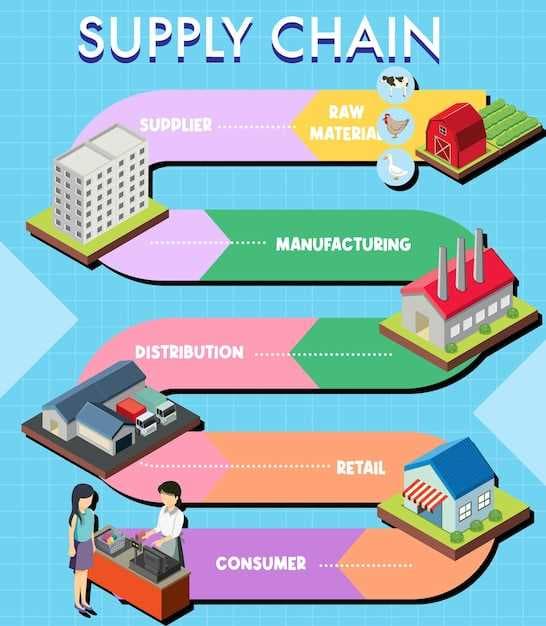

Start with a data-driven, partner-first network that links generations, education, and frontline work in the workplace to shorten delivery times and reduce inventory levels within six months.
Use those data streams from each product and all partners to align inventory, delivery windows, and loyalty signals. In a 12-week pilot with five partners, on-time delivery rose by 9%, fill rate improved by 7%, and inventory carrying costs dropped 12% across multiple timeslots.
First, build a flexible planning horizon that shifts between forecast-driven and real-time replenishment as changes occur. Second, colocate analytics with procurement and logistics teams to curb lead times and bolster loyalty through reliable delivery windows. Third, run a 90-day pilot to quantify results, targeting a 10% reduction in stockouts and a 15% lift in order fill. Fourth, create transparent metrics and micro-credentials that reward teams and strengthen the workplace culture. These four ways will guide your rollout.
When a constraint appears, then reallocate resources quickly and re-run the forecast for the next window.
This approach, designed for younger generations and a diverse set of partners, helps develop a winning posture that benefits customers, teams, and the entire supply chain.
Track performance at peak times to capture real-world variability and continuously refine how those products are stocked, delivered, and supported by loyalty programs across the network.
Practical Trends for Aligning Education, Youth, and Diversity in the Supply Chain

Recommendation: Create a co-designed curriculum with local colleges and retailers that pairs coursework with paid internships in the field. Define your requirements for roles in retail, procurement, and last-mile logistics, and track progress with a simple analysis dashboard. This educational design keeps hands-on work in the field while you educate new talent and give diverse youth a chance to enter the space; it wont replace the value of on-site mentorship, but it expands access for trainees.
Leverage internet-enabled modules and hands-on projects to teach hard skills such as inventory control, demand planning, and supplier design. Deliver content in short, days-long rotations so trainees can see the thing in practice, not just in theory. The program educates participants in financial literacy and budgeting to align with your requirements and the means to measure impact.
Diversity and youth focus: Build mentorship networks across age groups and backgrounds. Create targeted scholarships for youth in areas weve identified as underserved. Use a structured interview rubric to assess traits and performance on real tasks. Track metrics such as applicant diversity, retention within 12 months, and progression into supervisory roles. The analysis will reveal which partnerships are most likely to deliver value.
Practical steps by area: in retail and e-commerce, co-locate learning centers with distribution hubs to minimize travel days. In manufacturing and design spaces, rotate interns through design, quality, and planning teams. In smaller regions, leverage online courses and mentor networks to extend space for growth. This approach leverages traits of youth and the energy of diverse teams.
Implementation plan: Establish a cross-functional team to manage the program; appoint a senior sponsor to ensure alignment with financial targets and your talent requirements. Roll out in phases: pilot in two areas, evaluate after 90 days, scale to five. Measure outcomes: time-to-fill for critical roles, retention rate, and cost per hire. The means to fund it include internal budgets and targeted grants; show return on investment from faster onboarding and higher productivity from employees educated through the program.
To sustain momentum, launch a community of practice online and offline: weekly syncs, quarterly showcases, and a shared repository of case studies. Keep content fresh by updating curricula as technology and consumer demand shift. After each intake, collect feedback from participants and partner firms to refine partnerships and investments. This approach keeps education aligned with real-world needs without dependence on a single vendor.
Onboarding for a Tech-Savvy Gen: Streamlined paths for early-career hires
Start with a two-week onboarding sprint that pairs every new hire with a dedicated onboarding buddy and a role-specific outcomes list, delivering clear expectations from day one and reducing time-to-value in the first days.
Create three tracks–product, data/analytics, and operations–while offering an entire baseline kit: accounts configured, single sign-on access, and security checklists. Use cross-team kickoff sessions so everyone meets their squad, understands how their work ties to common goals, and can contribute immediately.
With demand for talent at a high level and a growing cohort of retiring colleagues, prioritize fast yet thorough integration. This approach accelerates impact for the organization and creates a stable pipeline of capable, engaged contributors who can adapt to evolving priorities.
Evaluate candidates by outcomes and potential rather than grades alone: their degrees can inform context, but practical demonstrations win in the short term. Build micro-credentials that acknowledge hands-on progress, which helps interested hires prove their ability and accelerates progression toward ownership of meaningful jobs.
Assign mentors from diverse teams, schedule weekly check-ins, and provide a structured support network. Stillman emphasizes that consistent guidance shortens initial frictions, enhances security awareness, and boosts the chance of long-term success for the newcomer and for their teams.
Measure success with concrete metrics: days to first independent contribution, time-to-complete a baseline project, and 90-day retention of talent. Use these terms to refine onboarding: higher satisfaction, clearer accountability, and tangible benefits for the entire organization.
Critical Skills and Certifications: Which credentials drive performance in 2025+
Recommendation: focus on three credential tracks that tie directly to measurable outcomes in 2025, then tailor each track to your roles and teams to maximize impact going forward.
Why these three tracks matter: they cover core operations, digital decision-making, and security/risk–the trio most likely to improve response times, reduce costs, and boost career opportunities for younger, better‑educated generations entering the workforce. Employers increasingly value concrete credentials that translate into faster problem solving and better collaboration across cross‑functional teams.
- Track 1 – Core operations mastery (CPIM, CSCP, CLTD or equivalent): builds end‑to‑end visibility, inventory optimization, and logistics coordination. Typical time to credential: 6–12 months with online study options; cost per module/exam: roughly $300–$800. Impact: 15–25% improvements in planning accuracy and on‑time delivery rates; three to five new roles per year in mid‑market firms often show a 10–20% salary premium after certification.
- Track 2 – Digital analytics and cloud literacy (AWS/Azure/GCP credentials; data analytics with SQL, Python, Tableau/Tableau‑like tools): enables teams to convert data into actionable decisions, supporting online and offline programs. Time to credential: 3–9 months for fundamentals, 6–12 months for advanced specialties; cost range: $150–$600 per exam, plus course access. Likely outcomes include faster response to disruptions (including sailings or supply line shifts) and clearer cost‑to‑serve modeling.
- Track 3 – Security, risk, and resilience leadership (CISSP, CISM, ISO 27001 Lead Implementer, NIST‑based certifications): protects critical systems as digitization accelerates. Time to credential: 6–12 months; cost varies by vendor and scope. Employer demand is rising as security considerations become standard in supplier selection; plan for 20%+ improvements in risk assessment capability and incident response readiness.
Formats that work best: online bootcamps, employer‑funded programs, and 60–90 minute weekly cohorts. Having a clear study plan and peer study groups increases completion rates and accelerates commercial impact for their teams.
Three practical takeaways for 2025 implementation:
- Align credentials to three career paths: operations specialists, data/decision scientists, and security/risk leads–into their existing roles, not as distant goals.
- Set a tight pilot window: three to six months per track, with defined metrics such as cost reduction, inventory turns, or incident response time.
- Measure the ROI in real terms: track improvements in on‑time delivery, cycle times, and cross‑functional collaboration; report monthly to the employer and to their teams.
Practical steps to start now: identify which roles within your organization are most likely to benefit, select one credential from each track, and create a shared online learning calendar. If you’re interested in building a cohesive capability, involve three to five cross‑functional partners to reinforce accountability and ensure a quick response to problems as they arise.
Bottom line: these credentials provide a clear, actionable path into the careers of younger generations in today’s supply chains, offering tangible opportunity for teams and their employers alike. Weve seencredible gains when organizations standardize on a three‑tier approach that integrates online learning, real‑world projects, and targeted mentoring. By investing now in core operations, digital analytics, and security credentials, companies can reduce cost, improve resilience, and unlock new career trajectories for their people.
Upskilling Playbooks: Scalable training that fits multi-generational teams
Start with three modular playbooks: onboarding, core operations, and continuous improvement, each designed for scalable delivery across stores and chains. Use a mix of online course modules, in-store coaching, and on-the-job tasks to reach all generations in 30 days, so they can apply learning quickly. This approach provides teams with a clear chance to see impact fast and keeps motivation high.
Each playbook uses microlearning: 8-12 minute courses, short simulations, and practical checklists that fit the pace of busy teams, including shifts in retail. The delivery window stays compact and measurable, with completion within 30 days. The format respects the nature and diversity of the workforce, from younger to more experienced staff.
Content focus: core tasks such as forecast accuracy, replenishment, and delivery routing, plus store-floor execution. Use realistic scenarios across three processes to boost understanding, practical moves that reduce stockouts and shorten cycle times. The same training helps chains unify standards and focus on what moves the needle.
Multi-generational design: offer captions, transcripts, and audio options so male colleagues and others with different learning styles can progress at their own pace. Highlight understanding and practical application, not jargon.
Measurement: track three key metrics: course completion, knowledge checks, and on-the-floor changes in behavior. Use a simple dashboard to show progress for each team, including millennial learners.
Implementation tips: appoint a learning champion in each store, provide 1-2 hours weekly for training, and align with shift patterns so learning doesn't disrupt delivery. Use a winning frame: celebrate small wins, provide feedback, and give teams a chance to share improvements.
Here is a practical blueprint to sustain momentum: create a renewal cycle every quarter, maintain a central library and local customization, and reuse content for ongoing updates across chains.
Diversity Initiatives at the Core: Concrete programs to broaden representation

Launch a 12-month, company-wide diversity program that combines targeted outreach, paid internships, and structured mentorship to broaden representation across core professions. Establish cross-functional governance with senior sponsors, robust systems, and external partners, and published quarterly data on progress. This approach strengthens the profession by widening entry points and creating a sustainable talent pipeline.
Concrete programs include apprenticeship tracks in software, data analytics, and operations; paid internships for those completing a basic credential; four-week bootcamps; and partnerships with community colleges and universities, including HBCUs and regional tech institutes. Postings list clear requirements that value demonstrated skills and potential, and support the transition from internships to full-time jobs in the field. Target: convert at least 30% of interns to full-time roles within six months after program completion.
Measurement and governance rely on a published dashboard. Track entry rates, time-to-hire, conversion to full-time roles, and retention by cohort. The analysis shows which programs yield the strongest outcomes and where additional support is required, especially for those with nontraditional backgrounds. Track traits such as resilience and collaboration to ensure alignment with basic job requirements.
Outreach and partnerships target those in the field who are often overlooked. Our plan spans expansive outreach across the internet, campus events, industry meetups, and community organizations, supported by partners who help identify candidates early. By publishing regular updates and sharing success stories, we demonstrate loyalty to our values and keep stakeholders engaged. Never settle for token hires; bring in diverse talent from those networks to widen our representation. Schedule eight campus events per quarter and 20 industry meetups annually to maintain steady funnel flow.
Support mechanisms create a safety net for newcomers: structured onboarding, peer mentors, sponsorship for promotions, and access to continuing education stipends. Provide time-bound coaching, professional development plans, and stretch assignments to develop basic field skills; these steps increase engagement and loyalty. Onboarding budgets per hire can include up to $2,000 per year for training and certifications.
Implementation steps for managers and teams emphasize practical, time-aware actions: define clear timeframes for candidate screening, adjust interview rubrics to reduce bias, require diverse interview panels, publish recruitment timelines, and hold quarterly reviews to ensure progress. Ensure systems track where candidates come from (partners, internships, online courses) and how quickly they transition to jobs in the field.
This approach benefits the company by expanding the talent pool, improving representation across teams where customer demand is highest, and strengthening collaboration across geographies. The program relies on support networks, analysis, and a commitment to open internet channels to reach more candidates. By publishing outcomes and maintaining a clear path to development, the organization builds loyalty and sustains momentum.
Digital Tools that Engage New Entrants: Platforms and workflows that speed productivity
Adopt a unified onboarding platform that blends guided workflows, role-based dashboards, and microlearning to cut ramp time for new entrants by 30–45% in pilots. Use templates for supplier and customer onboarding, and enforce automation that routes tasks to the right owners and surfaces exceptions in real time. This approach drives consistent processes for those who are entering the field and turns first-week activity into a measurable result.
Choose platforms that provide a single space for collaboration across teams, customers, and suppliers. argentus-inspired or argentus-like sourcing platforms show how onboarding connects to procurement and core field tasks. Lock in a common account structure, ensure SSO, and enable dashboards that reflect task status and cost.
Design workflows that scale: automated task runners, approvals routing, and real-time dashboards. Build a six-week onboarding plan with bite-sized modules covering compliance checks, product basics, and core supplier interactions. Create templates for those processes that new entrants perform repeatedly, and ensure data flows into ERP or CRM so information goes into the right places.
Measure progress with time-to-competence, task completion rate, error rate, and cost per onboarding. Use a metrics bundle like days to first purchase order, and track monthly trend lines. Monitor changes by cohort–millennials and other diverse groups–and report the likely impact on customer service and those positions that are hardest to fill.
For people entering the field, mobile-friendly interfaces, quick-access search, and short learning modules boost interested learners. Provide diverse content, social learning features, and clear progression to keep them engaged. When they see changes, those involved are likely to stay with the role and contribute to a winning setup.
Implementation steps: map the onboarding journey, choose a platform with strong API connections, run a pilot with a small group, gather feedback, then scale in phases. Ensure cost controls, governance, and data privacy, and assign owners for each workflow stage so nothing falls through the cracks. automation wont miss critical steps, as checklists and alerts enforce consistent execution and a tight feedback loop with field teams keeps the space aligned with business goals.