Hämta appen


Författare
Den digitala nomadismens uppgång förändrar resebranschen och erbjuder en stor möjlighet för dem som anpassar sig. Digitala nomader söker arbetsvänliga destinationer med kulturell rikedom, och att möta dessa behov kommer att positionera ditt företag som ett pålitligt val. Nu är det dags att anpassa dina tjänster till denna växande trend och dra nytta av den expanderande marknaden av distansarbetare som är ivriga att utforska världen.
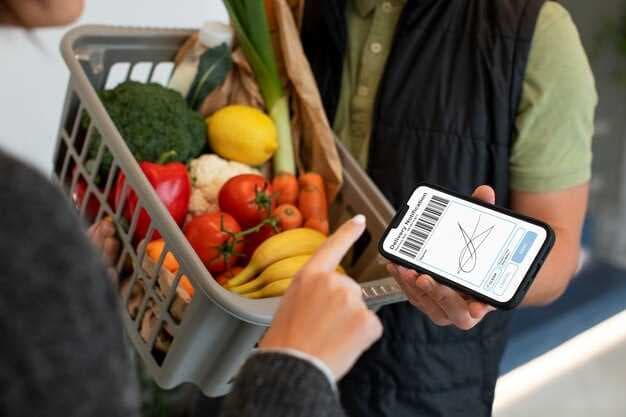
Grocery Shopping Reimagined with Last-Mile Delivery
Adopt ai-powered last-mile delivery to cut delivery times by 25-35% and keep perishable items fresh, ensuring reliable service from store to door. By focusing on transporting groceries efficiently, you meet needs and turn lengthy waits into a convenient, predictable experience. That transformation took root when retailers started to test real-time route optimization and precise execution on the road. Real-time route optimization reduces idle miles, while temperature control keeps seafood and other perishable items at safe levels from pickup to doorstep. Track each thing from order to delivery with clear status updates to avoid surprises. Special capabilities like temperature-monitored
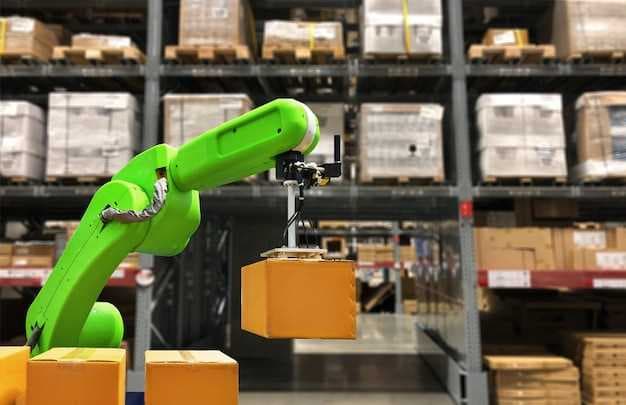
Warehouse Robotics - Automating Fulfillment for Faster, Safer Warehouses
Start with a compact fleet of autonomous mobile robots in high-throughput zones to accelerate fulfillment, delivering substantial gains in speed and safety. This automation reduces manual travel, helping workers stay focused on higher-value tasks while the system collects real-time data to inform daily decisions. The robots perform a defined function: they collect items from shelves, confirm SKUs, and guide pickers through the floor without creating congestion. Through a centralized control layer, managers see task status, bottlenecks, and energy use, enabling faster decisions than manual scheduling alone. The approach maintains a wide scope of operations and sets the stage for scaling. In
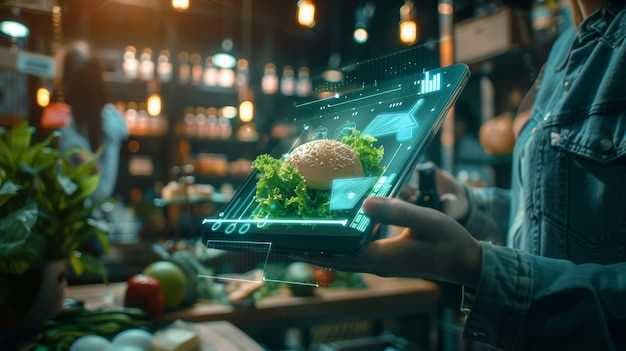
Top 7 Trends Shaping the Future of the Online Grocery Industry in 2022
Recommendation: Adopt a location strategy with omnichannel fulfillment and personalized meal offers now to drive growth. Consumer expectations demand fast, reliable deliveries and seamless ordering across channels. Establish a clear standard for location precision, cards for loyalty, and consistent experiences across apps and stores. Build a concise reports dashboard to track performance and inform your marketing decisions, especially in the next quarter. Trend 1: leveraging first-party data from loyalty cards , location signals, and past purchases unlocks a deep understanding of meal preferences and purchase cycles. Run targeted marketing offers by location, test 3–5 day deliveries

What Is TMS in Logistics? A Guide to Transportation Management Systems
Start with a practical recommendation: select a scalable Transportation Management System that fits your current shipments and grows with you . This choice increase visibility, reduce manual tasks, and defines the role of your logistics team. With a clear plan, you can accelerate onboarding, align carriers, and set expectations for retailers and customers from day one. A TMS centralizes data from carriers, orders, and warehouses into a single view of shipments and delivery windows. It helps shippers and retailers coordinate across chains, while higher automation improves rate shopping, load consolidation , and route optimization . Because teams replace spreadsheets with workflows,

What Is White Glove Delivery and Why You Should Use It
Choose white glove delivery for high-value, bulky, or setup-heavy orders to protect shipments and boost retention . The service is handled by trained technicians who manage everything from arrival to placement and demonstration, reducing the risk of damage and mishandling. theres a clear advantage when you compare standard delivery with white glove, especially for sensitive items that require careful handling and in-home placement. In practice, this means a coordinated pre-delivery window, on-site unpacking, careful placement in the exact room, removal of packaging waste, and a brief setup or demo for the user. If you have questions during the handover, the crew can answer them on the spot

Soft Drinks Sustainability Showdown - Coca-Cola vs PepsiCo - Who Leads in ESG?
Choose Coca-Cola as ESG leader based on verifiable progress and transparent reporting. Those evaluating ESG leadership in beverages should start with coca-cola because its strategy centers on three forces : climate, packaging, and communities. The annual disclosures show impact through europe and international markets, with a clear focus on reducing carbon intensity and increasing recycled packaging. The slogan Open Happiness frames the public narrative, while the data signals credibility that matters for profits . In its annual ESG disclosures, coca-cola reports progress on carbon reductions across its value chain, with a strategy that targets a 25% absolute emissions cut by 2030 and a
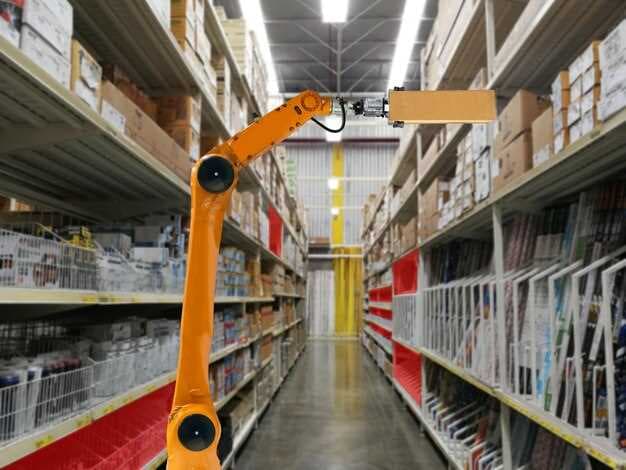
What Are Automated Warehousing Systems - A Complete Guide to Warehouse Automation
Start with a phased plan: deploy automation in a single zone to handle a high-volume order flow, then scale to additional areas. This approach easily demonstrates gains within the year and provides a solid investment for the customer . Design around their various products, from small components to large pallets, so the system handles diverse SKUs and delivers consistent results, integrating into existing processes. Automation reduces injuries by shifting repetitive lifting away from people, while enhanced accuracy and stable cycle times boost throughput. Use analytics to monitor metrics–order accuracy, cycle duration, and picking pace–and apply a driven , data-led approach to set targets

What is Order Management? The Benefits of an Order Management System (OMS)
Implement an OMS now to centralize order flow and avoid manual errors. It manages orders from site, marketplaces, and stores, and provides an outline of each step from capture to delivery. With this system you can expand visibility across inventory, warehouse, and resource management , maintain accurate data, and reorder automatically to reduce stockouts. Process through a single dashboard for timely delivery, labels , and status updates, while tracking the financial impact and identifying inefficiencies for several teams, ever present in manual processes, and avoid stockouts where possible. From capture to fulfillment, the OMS provides a clear outline of the lifecycle and coordinates data
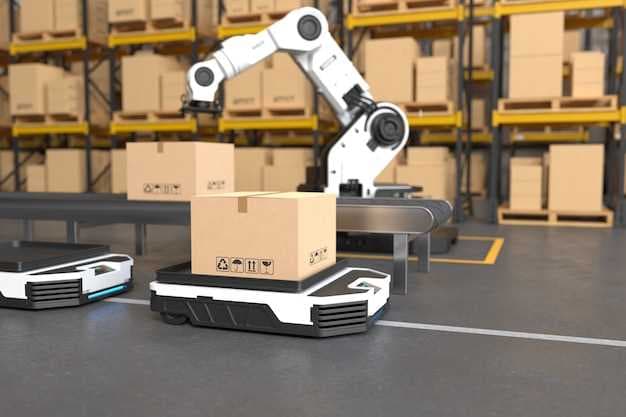
Skilled Labor Shortage in Logistics - Automating with Software and Smart Workstations to Combat Personnel Shortages (June 1, 2023) | Digitalization, Sustainability, Technology Trends
Adopt a phased automation plan now: deploy software orchestration and smart workstations in high-volume logistics centers to offset record-low skilled labor. This approach can secure throughput, provide insights into order picking, packing, and loading times, and deliver measurable financial returns by reducing overtime and errors. Start with goods receiving and put-away, then scale to production lines and distribution centers as you confirm ROI. Barriers remain: capital cost, integration with legacy WMS, and workforce training needs. Address these by carving the program into sections with clear milestones, tying hardware upgrades to software capabilities, and aligning with market demand

Sustainability in Supply Chains - A Practical Guide for Private Markets Investors
firstly, map your existing supplier network to locate energy-intensive nodes and set a target to cut energy consumption by 20% within three years, improving the environment and margins. To drive credible results, show a tangible link between energy-efficient upgrades and outcomes such as cost savings, risk reduction, and supplier resilience. Align stakeholders across communities and customers, not just quarterly numbers. Many investments in energy-efficient technologies require upfront capital and can be expensive , yet the results show a favorable ROI when planned with staged deployments across existing businesses and suppliers. Start with low-cost wins in logistics, packaging, and
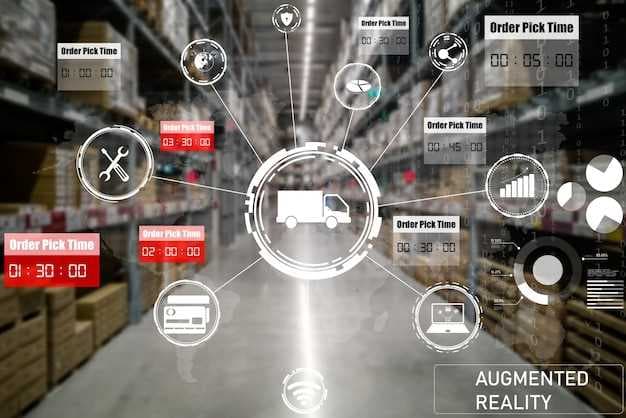
Supply Chain Planning Modeling for Smart Decisions - Optimizing Demand
Use three core models to translate demand signals into actionable plans, then compare outcomes against service targets. These models address the needed variability in demand and enable rapid adjustments across networks. Pull data from many sources–historical orders, promotions, supplier lead times, inventory positions–and access clean signals at each level of the planning horizon. A modern approach blends quantitative methods to analyze demand and constraints, producing smooth transitions between supply and demand and reducing stockouts and write-offs. Build a monitoring loop that is lightweight yet rigorous: Step 1 calibrate parameters with recent data; Step 2 run scenario analyses for

What a Shortened Holiday Season Means for Your Omnichannel Strategy
Unify rewards across storefronts with a single wallet to engage the customer quickly. A cross-channel wallet keeps rewards consistent and reduces lost points when buyers move between time windows across online and in-store shopping. Data has been shown that this approach can lift engagement by up to 28% and boost redemption rates, as customers increasingly expect a seamless experience across storefronts. Acknowledge time pressure by aligning inventory, pricing, and offers across channels to remove inconsistency. When stock and pricing are siloed, customers see conflicting signals, which leads to lost trust and abandoned carts. Use a single source of truth for product availability and
