Hämta appen


Författare
Den digitala nomadismens uppgång förändrar resebranschen och erbjuder en stor möjlighet för dem som anpassar sig. Digitala nomader söker arbetsvänliga destinationer med kulturell rikedom, och att möta dessa behov kommer att positionera ditt företag som ett pålitligt val. Nu är det dags att anpassa dina tjänster till denna växande trend och dra nytta av den expanderande marknaden av distansarbetare som är ivriga att utforska världen.

Why the Global Supply Chain Crisis Happened - Causes and Impacts
There are a couple of forces that pushed the global supply chain into tighter stress in recent times. Demand rebounded after lockdowns while factories faced intermittent shutdowns, labor gaps, and limited capacity. Bottlenecks at key hubs added to the pressure, forcing longer lead times, higher costs, and more frequent stockouts for manufacturers and retailers alike. Analysts point to port congestion and missing data as early warning signals, with container rates surging to around 9,000–10,000 USD per 40-foot box in 2021. At docking hubs, bottlenecks appeared in every link: ships idle at anchor, chassis shortages, and customs checks that slowed throughput. Policymakers reacted with waivers

Zangezur Corridor - A New Artery for Growth and Connectivity in the Caucasus
Act now: establish a joint Zangezur Corridor Development Organization by july to coordinate cross-border transportation, entrepreneurship programs, and regional investments. This move creates a network of authorities, operators, and financiers that work between Armenia, Azerbaijan, and neighboring states, unlocking faster project delivery and shared benefits. Bibliographic analyses indicate that a connected corridor can cut freight times by 25-40% and unlock 50,000-70,000 new jobs in local enterprises over the next decade. If we align customs, digital platforms, and transportation nodes across rail, road, and ports, regional GDP could grow by 1.5-2.5% annually. Data from studies referencing
Why Procurement and Supply Chain Functions Need to Converge
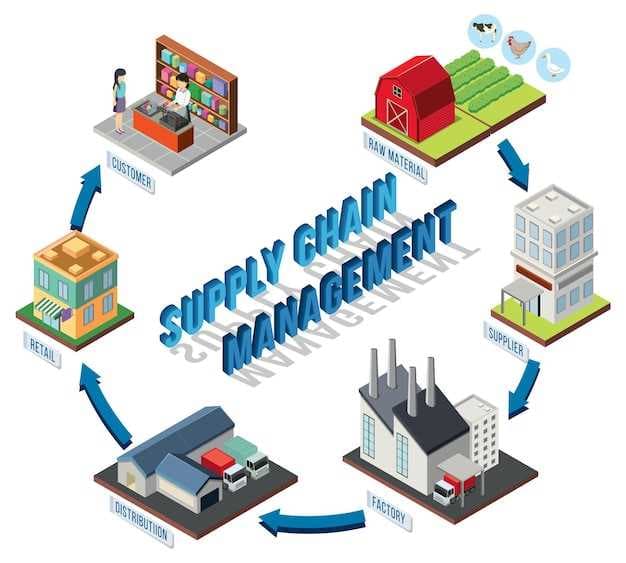
Recommendation: Drive convergence between procurement and the supply chain into a single decision layer to minimize volatility, shrink long cycle times, and improve forecasting accuracy across the company using integrated technology. Convergence creates an integrated data backbone that aligns procurement, planning, and supplier management within a single ecosystem. This enables a clear index of supplier risk, cost drivers, and delivery performance, allowing teams to meet commitments with more confidence and to allocate resources more efficiently. This groundwork provides a good baseline for continuous improvement. With technology, teams can turn disjoint procurement records into actionable
Don't Miss Tomorrow's Electric Utility Industry News - Updates and Trends
Grab tomorrow's briefing now to act on the most actionable updates and get steps deployed quickly. This issue flags concrete actions you can take immediately, from evaluating on-site storage options to tracking investments in your region, so you can move from plan to pilot with confidence. Prominent utilities are deploying turbines and expanding microgrids, while flex contracts help utilities adapt to weather swings and demand spikes. Our data shows a steady rise in investments across regional projects, with availability of key components improving and on-site storage becoming a standard option for peak shaving, helping them stay nimble and ready for quick pivots. shayle from our team notes

Why Can't We All Just Get Along? Practical Strategies to Bridge Divides and Improve Communication
Begin with a concrete rule: listen first, summarize what you heard, and outline a shared goal for the session. In teams, this keeps voices within a single frame and reduces misinterpretation. For a multinational organisational effort, document three talking points and attach clear actions in a shared channel–whether a Mastodon thread, a project wiki, or a dedicated chat thread–to ensure ideas circulate beyond silos. Start the process by committing to a one-paragraph reflection after each meeting to give everyone a chance to be heard. Adopt a structured dialogue process: round-robin inputs, explicit disagreement handling, and data-backed reasons for each position. Timebox discussions,

Key Sustainability Skills to Advance Your Supply Chain Career
Begin by mapping your supplier network and setting data-driven targets across tiers. Build a clear baseline on emissions, water use, and labor standards, and tie those metrics to procurement decisions. Use a human-centered approach to engage suppliers, bring in union representatives when relevant, and reduce issues while strengthening public trust. Develop strong data analytics, risk assessment, and cross-functional collaboration skills to forecast disruptions and respond quickly. Essentially , treat supply as a system with interconnected parts across globally dispersed locations and align decisions with reported corporate responsibility standards. Create supplier scorecards that cover

YC-backed Oway raises $4M to build a decentralized Uber for freight
Recommendation: adopt a total framework that is decentralized , designed for real-time coordination across a grid of operators . The system should contain clear mechanisms for their approval, avoiding dependency on slow agencies . Through a widely adopted passenger -style workflow, Oway connects freight operators with shipper requests, using a real-time matching engine that carries data across a distributed network and grid of nodes, and coordinates with the electricity grid to support electrified fleets. With a total raise of $4M in seed capital, YC-backed Oway gains traction and participation from several investors. This capital accelerates hiring, platform security, and regulatory

Why It's Hard to Install Solar Panels on Warehouse Roofs
Begin with a structural and grid feasibility check before any procurement. Warehouse rooftops present nonuniform loads, variable wind exposure, and complex electrical interconnection that can derail a project if overlooked. Measure roof framing strength, allowable live load, and access for maintenance, then align with the building’s anchor points and drainage. A clear verdict on feasibility helps you avoid overpaying for equipment that won’t fit. Prices for panels and inverters vary by country and supplier, and the lead times from order to installation differ. When you run a project , invite bids from multiple companys to compare warranties, service networks, and delivery windows. Use

Why Transportation Visibility Is Critical for Your Supply Chain
Implement real-time transportation visibility across all modes within 30 days to cut delays by 30% and improve on-time delivery. This operational capability gives your team a point of truth for shipments, supports engagement with carriers, and helps you refine your plan while controlling costs . Delays were a frequent drain on margins before visibility existed, so you gain a decisive advantage. Measure the seventh metric among seven data streams: on-time performance, dwell times, shipment accuracy, carrier engagement, cost per mile, transit reliability, and customer impact. This leads to clearer insights about the drivers of delays and sets a baseline to achieve steady improvements in

Why Omnichannel Keeps Missing the Mark and How to Fix It
Consolidate all customer data into one real-time hub to cut dependence on separate systems. This immediately aligns messages, reduces duplicate profiles, and speeds response across channels. To spot gaps and set priorities, map each touchpoint to the unified model. When those touchpoints feed the same profile in an interconnected system, teams compare outcomes and adjust in real time. This has revealed where data diverges and where handoffs stall, which is common in fragmented setups. Compared with isolated data islands, a consolidated approach yields measurable gains: a 20-30% drop in duplicate records, 15-25% faster issue resolution, and a 10-20% lift in cross-channel consistency. Those

Why Boeing's 787 Dreamliner Was a Nightmare Waiting to Happen
Conduct a rigorous, independent audit of the 787's electrical equipment and battery management before any new orders or route launches, to avoid repeating the same situation and address the actual failure modes that sparked the woes of the fleet. From the experience of early service, several reports highlighted how design choices, supplier changes, and production pace affected reliability. The actual path showed planemakers wrestling with hard things when integrating new electrical architectures, and passengers paid the price in canceled flights and routine maintenance. The news cycle amplified these woes, and the companies had to answer with fixes and revised procedures in january 2013 and
Why I Think It's Illogical to Purchase an Electric Truck
Takeaway: Don’t buy an electric truck yet; the economics aren’t clearly favorable and charging isn’t universal. Operators should consider leased pilots to gather real-world data before committing, and this opens the globe to better comparisons across regions. Like any prudent fleet decision, you win by testing first and letting data drive the choice, not hype. From a fleet perspective, several factors determine profit . The upfront price gap exists, and leased contracts often require long-term energy charges that erode profit. Battery degradation, warranty coverage, and replacement schedules are not synonymous with diesel maintenance, and this requires careful planning. For many things that
