


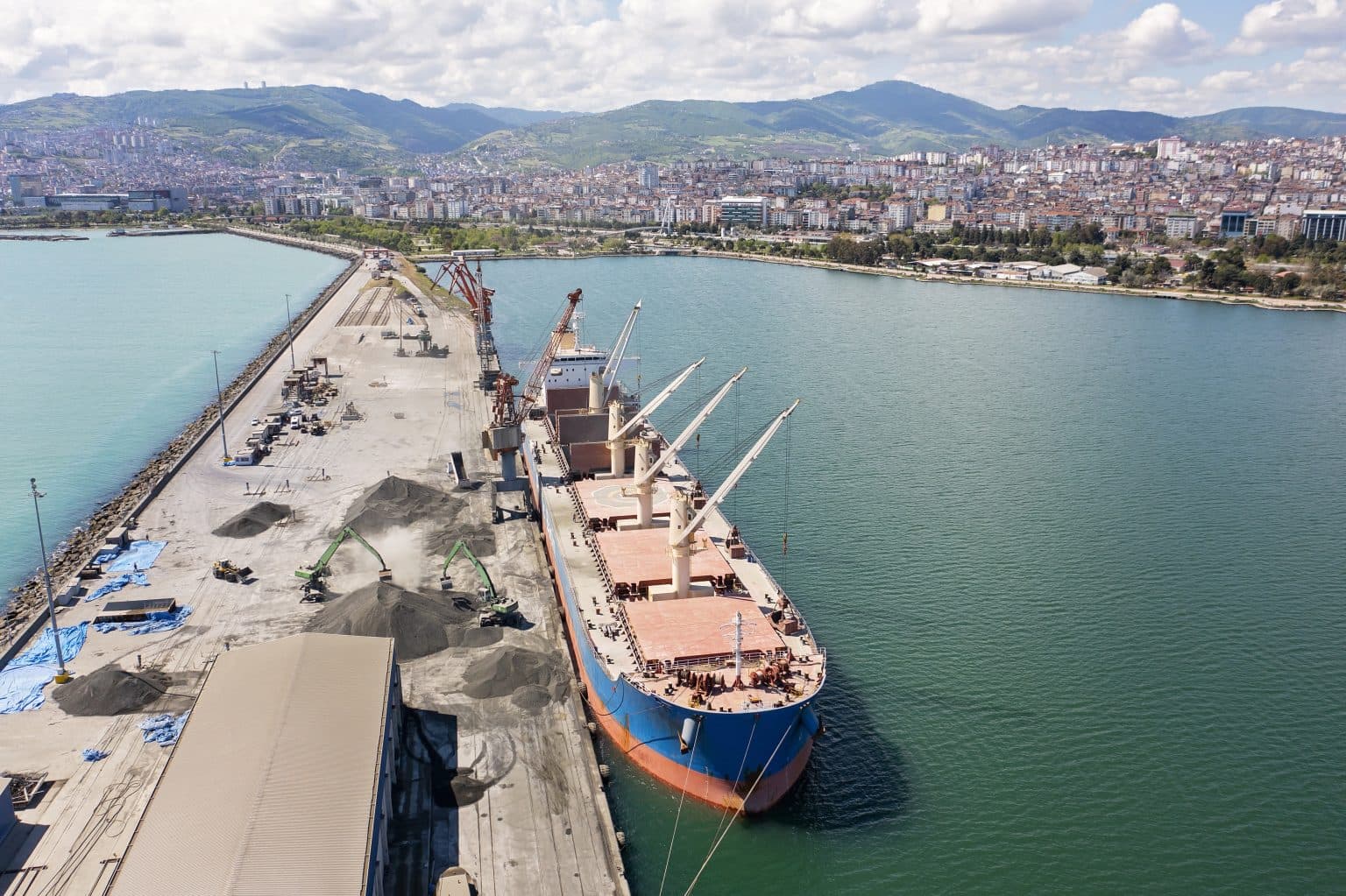

VO Chidambaranar Port will allocate ₹15,000 crore to its Outer Harbour project and an additional ₹1,500 crore for port infrastructure upgrades, green initiatives, and advanced technology deployments to boost cargo handling capacity and position Tamil Nadu as a transshipment hub in southern India.
Scope of the investment and immediate infrastructure priorities
The combined ₹16,500 crore package targets three cores: construction of the Outer Harbour berths and channels, modernization of on-dock handling systems, and decarbonisation measures across terminal operations. Planned actions include berth dredging and deepening, quay construction, upgraded cranes and yard equipment, digital terminal operating systems, and renewable energy integration.
Planned capital allocations
A high-level breakdown clarifies where the funds will flow and how that affects modal connectivity:
| Budget component | Purpose | Logistics impact |
|---|---|---|
| ₹15,000 crore (Outer Harbour) | New deep-water berths, breakwaters, access channels | Enables larger container ships, reduces anchorage time |
| ₹1,500 crore (CapEx) | Infrastructure upgrades, green tech, automation | Improves turnaround, lowers carbon footprint, enhances handling speeds |
Why berth depth and channel works matter
The ability to call larger vessels is a direct lever for transshipment activity. Deeper drafts shorten the list of ports able to handle Post-Panamax and larger classes; by increasing draft and berth lengths, VO Chidambaranar can attract longer-haul liner services that previously bypassed the region.
Operational impacts on cargo flows and hinterland connections
Upgrading terminal handling equipment and implementing digital terminal operating systems will influence dwell times, rail/road modal splits, and warehousing demand. Faster container discharge and real-time yard planning reduce vessel idle time and can tilt shippers toward coastal consolidation points rather than multiple smaller ports.
Expected short-to-medium term effects
- Reduced ship turnaround and lower waiting costs for carriers.
- Increased requirement for hinterland haulage capacity—more trucks, trailers, and feeder rail slots.
- Higher volume of containerized imports/exports routed through southern gateways.
- Growth in warehousing, container freight stations (CFS), and last-mile distribution facilities.
Green initiatives and technology deployment
Part of the ₹1,500 crore capex is earmarked for sustainability: electrification of handling equipment, shore power for berthed vessels, solar installations, and energy-efficient lighting and utilities. Digital investments include terminal operating systems (TOS), gate automation, optical character recognition for container IDs, and predictive berth planning.
How this translates to logistics metrics
Adoption of shore power and electrified yard equipment can lower Scope 1 and Scope 2 emissions for terminal operations. In practice, logistics KPIs likely to improve include gross moves per hour, average dwell time, and vessel service reliability. Better KPIs usually mean lower per-TEU handling costs and improved schedule integrity for liner operators.
Risks, constraints, and coordinating the hinterland
Large port investments are only as useful as the supporting transport network. Dredging and new berths don’t deliver full benefit without:
- Capacity upgrades on arterial roads and rail corridors;
- Customs and e-documentation integration to prevent gate bottlenecks;
- Skilled labour and maintenance planning for new equipment;
- Contingency planning for construction delays and cost overruns.
One could say it’s not just about building the pier—it's about making sure the trucks and trains can actually get there on time. Better safe than sorry applies: align port works with local transport planning to avoid traffic jams and stalled cargo.
Stakeholders and economic ripple effects
Stakeholders include central and state government agencies, private terminal operators, liner shipping companies, freight forwarders, CFS operators, trucking firms, and rail operators. The project is likely to catalyse regional employment in construction and long-term jobs in terminal operations and logistics services.
| Stakeholder | Primary interest | Possible action |
|---|---|---|
| Liner operators | Reliable berthing and faster turnarounds | Shift services to call at VO Chidambaranar |
| Freight forwarders | Efficient transshipment and inland connections | Re-route cargo flows, consolidate shipments |
| Hinterland carriers | Predictable volumes and schedules | Scale fleet and adjust schedules |
Practical considerations for shippers and carriers
Shippers should monitor berth commissioning timelines, available vessel drafts, and gate operating hours. Carriers and forwarders need to plan for interim phases—construction may reduce yard space and change stacking patterns, affecting short-term throughput.
Checklist for logistics planners
- Confirm draft availability and vessel compatibility before re-routing.
- Coordinate inland trucking slots to avoid gate congestion.
- Audit container storage and transload capacity at CFSs.
- Factor in green incentives or port tariffs tied to low-emission equipment.
What this means for global logistics
On a global scale, the announcement is regionally significant: it strengthens India’s southern transshipment capabilities but is unlikely to radically redraw global liner networks overnight. Nevertheless, for Indian and nearby market players this is a big deal—new capacity and efficiency gains can shorten transit times and reduce shipping costs for regional trades.
Provide a short forecast: the investment will modestly shift regional freight patterns toward the southern coast and may pull a portion of transshipment volume away from neighbouring hubs. Globally, the impact is limited but noteworthy for routes linking Southeast Asia, the Middle East and Europe. Start planning your next delivery and secure your cargo with GetTransport.com. Book your Ride GetTransport.com.com
Highlights: the project combines major capital expenditure with green and digital upgrades, aims to attract larger vessels through deeper berths, and requires synchronized hinterland upgrades to unlock full value. Still, even the best reviews and the most honest feedback can’t truly compare to your own on-the-ground experience. On GetTransport.com, you can order your cargo transportation at the best prices globally at reasonable prices. This empowers you to make the most informed decision without unnecessary expenses or disappointments. Benefit from convenience, affordability, and extensive choices—transparent pricing, easy booking, and a wide range of transport options align neatly with the operational needs described above. Book your Ride GetTransport.com.com
Summary: VO Chidambaranar Port’s ₹15,000 crore Outer Harbour investment plus a ₹1,500 crore capex commitment aims to expand berth capacity, modernize handling, and implement green and digital solutions. The move should improve container handling, reduce vessel idle time, and stimulate hinterland transport demand, though success depends on synchronized road and rail upgrades and efficient customs processes. For shippers, carriers, and forwarders focused on cargo, freight, shipment, delivery, transport, logistics, shipping, forwarding, dispatch, haulage, courier, distribution, moving, relocation, housemove, movers, parcel, pallet, container, bulky, international, global, and reliable services, platforms like GetTransport.com simplify booking and execution—offering cost-effective, convenient transport solutions that help move your cargo with greater predictability and lower friction.