


 Svenska
  English (UK)
  Русский
  العربية
  日本語
日本語  한국어
한국어  Magyar
  Türkçe
  Español
  Čeština
  Português
  Ελληνικά
  Suomi
Suomi  Nederlands
  Română
  Italiano
  Français
  Polski
  Українська
  Deutsch
  简体中文
简体中文  Slovenčina
 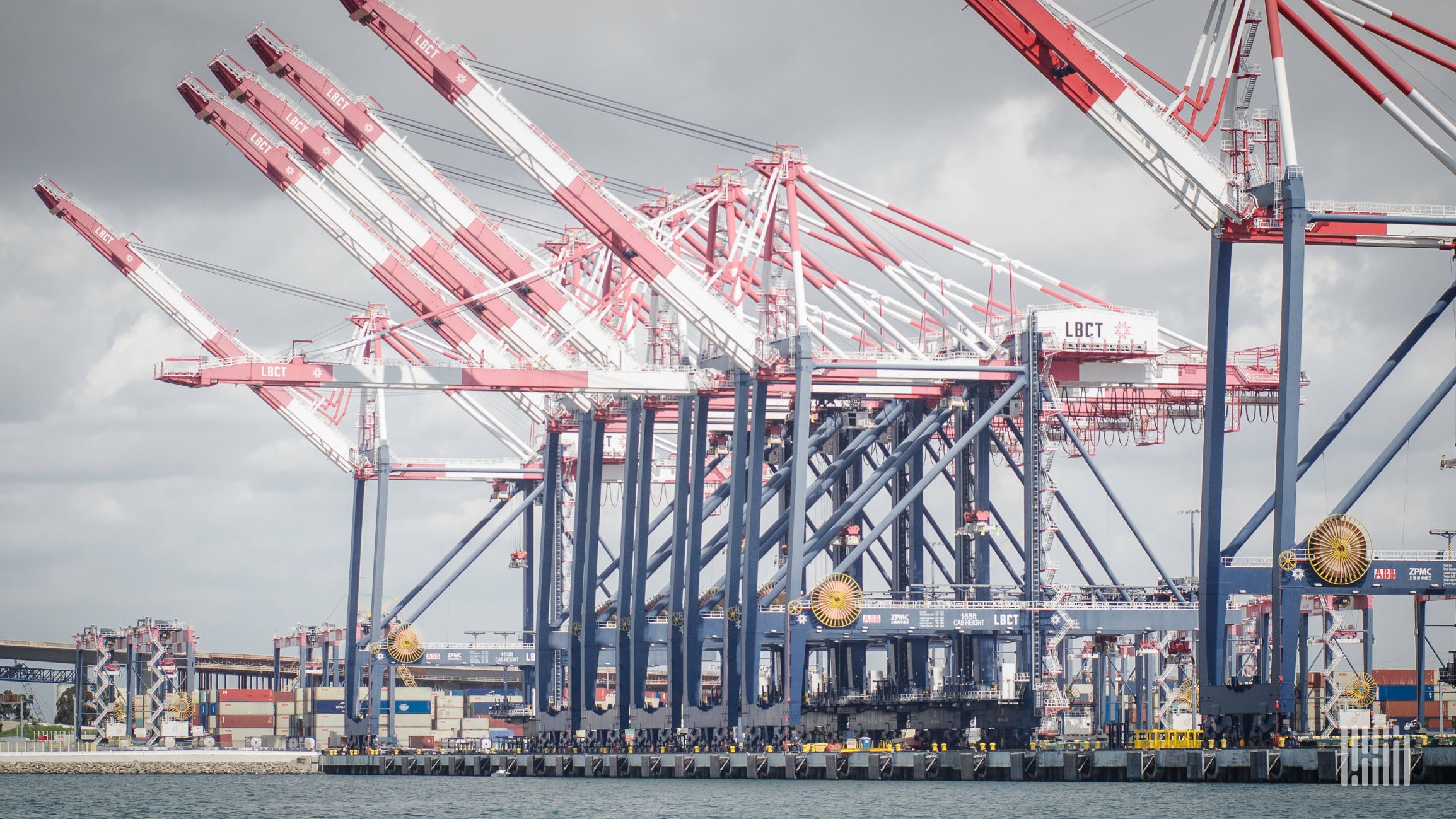 U.S. Imponerar Tullar Upp till 270% på Kinesiska Containerkranar och Intermodalt Utrustning, vilket Påverkar Frakt och Logistik">

Significant Tariff Increases Shake Maritime Equipment Trade
In a notable escalation of trade restrictions, the U.S. Trade Representative (USTR) has introduced steep tariffs on container cranes and intermodal chassis imported from China. These hefty duties, effective from November 9th, come on the heels of previous tariff hikes and reflect ongoing efforts to counter perceived unfair trade practices.
Details of the Tariff Adjustments
Among the standout measures are 100% tariffs on Chinese-built container cranes and intermodal chassis. When combined with earlier tariffs—such as the 25% base duty and other anti-dumping and countervailing levies—the total tariff impact on some equipment categories soars to between 125% and 270%.
Specifically, the rate for ship-to-shore container cranes has been set at 100%, while rubber-tired gantry cranes face an even steeper 150% tariff. The Chinese manufacturer ZPMC, dominating roughly 65-70% of the global crane market and about 80% in the U.S., is particularly affected by these rigors.
| Utrustningstyp | Previous Tariffs | New Additional Tariff | Potential Total Tariff Range |
|---|---|---|---|
| Ship-to-shore container cranes | 25% base + other duties | 100% | 125% – 270% |
| Rubber-tired gantry cranes | 25% base + other duties | 150% | Up to 270% |
| Intermodal chassis | 44.32% countervailing + 188.05% anti-dumping | 100% | Over 300% |
Context and Timing
These tariffs coincide with a broader tightening of import duties, including a 100% tariff imposed on all Chinese imports from November 1st as part of a retaliatory cycle. The timing precedes a high-profile economic meeting, signaling a strategic move to boost domestic shipbuilding industries.
Trade Tensions Ripple into Maritime Logistics
The consequences extend beyond simple price hikes. Container cranes represent critical infrastructure for port operations, with high-capacity models costing $14 million to $20 million apiece. Limiting access to competitively priced equipment could disrupt shipping throughput and container handling efficiency.
Chinese Countermeasures
China has responded in kind with punitive port fees on American ships visiting Chinese ports, mirroring U.S. charges. This tit-for-tat action underscores the complex dynamics of port operations and international shipping fairness.
New Fees and Regulations on Vehicle Carriers
The USTR also introduced a new fee structure for foreign-built vehicle carriers docking in U.S. ports, now charged by net tonnage instead of per vehicle, simplifying but increasing certain charges. Meanwhile, provisions related to suspending export licenses for LNG over vessel origin concerns were removed, with exemptions for long-term charters of ethane and LPG carriers.
Implikationer för sjöfart och logistik
Stacked tariffs raise significant concerns for global supply chains and freight logistics. Given the central role of container cranes and chassis in efficient cargo distribution, these measures risk raising operational costs, causing delays, or forcing the procurement of alternative, potentially more expensive equipment.
Ports and logistics hubs relying heavily on Chinese equipment might face bottlenecks or increased capital expenditure, complicating container handling and intermodal transfer that are the lifeblood of global shipping efficiency. As a result, freight forwarding and haulage operations may need to adapt quickly to maintain schedule reliability and cost competitiveness.
Table: Potential Effects on Logistics Operations
| Aspekt | Potentiell påverkan |
|---|---|
| Equipment Costs | Sharp increase in capital expenses for cranes and chassis |
| Port Throughput | Possible slowdowns due to equipment availability constraints |
| Freight Rates | Likely upward pressure due to raised operating costs |
| Supply Chain Planning | Greater need for flexibility and contingency options |
Summary of the Tariff Changes and Effects
The sweeping introduction of tariffs on Chinese container cranes, intermodal chassis, and vehicle carriers marks a new chapter in trade measures that affect maritime commerce hardware critically. With tariffs surging up to 270% or beyond, the cost structure underlying container shipping could see major shifts.
While the long-term goal includes revitalizing domestic shipbuilding and equipment production, the immediate reverberations touch everything from port logistics and shipment scheduling to freight forwarding and distribution networks worldwide.
GetTransport.com and Navigating the Changing Scene
Real-world feedback and detailed user reviews can shed light on how these shifts translate on the ground, but nothing beats firsthand experience in complex logistics situations. GetTransport.com offers a transparent, user-friendly platform enabling cargo bookings with a global reach at competitive prices. Whether you’re moving office equipment, arranging household goods transport, or shipping bulky items and vehicles, having reliable and affordable options is crucial.
Through GetTransport.com, logistics managers and operators can tap into extensive transportation choices, streamlining dispatch and delivery amid changing tariffs and regulations. The platform’s versatility ensures handling everything from international shipments to large furniture moves with ease and cost-efficiency.
Boka nu to take advantage of these benefits at GetTransport.com och ligga steget före i det föränderliga logistiklandskapet.
Looking Ahead: Logistics in a Tariff-Heavy Environment
Även om de direkta följderna av dessa tullarhöjningar på den globala logistikscenen kanske inte orsakar jordbävningar över hela världen, belyser de ändå hur invecklat sammanlänkade handelsförordningar är med transporter och godströmmar. De som arbetar inom logistiksektorn bör hålla ett noga öga på dessa förändringar, eftersom de kan kräva justeringar i inköpsstrategier, fraktvägar och driftsbudgetar.
GetTransport.com åtar sig att följa och anpassa sig till sådana globala utvecklingar, och säkerställer att kunderna har tillgång till pålitliga och kostnadseffektiva transportlösningar. Att planera din nästa försändelse eller flytt av skrymmande föremål via en plattform som är insatt i dessa utmaningar kan förvandla potentiella hinder till smidiga resor.
Börja planera din nästa leverans och säkra din last med GetTransport.com.
Slutsats
I grund och botten belyser de kraftiga tullhöjningarna på kinesiska containerkranar och relaterad sjöfartsinfrastruktur den föränderliga ramen för internationella handelskontroller. Dessa förändringar påverkar inte bara tillverkare av utrustning utan sprider sig även över hantering av sjöfrakt, speditörer och övergripande logistikverksamhet globalt. Trots att de är utformade för att stärka inhemsk skeppsbyggnad påverkar de oundvikligen fraktkostnader och leveranskedjedynamiken.
I den komplexa världen av distribution och utskick är flexibilitet, transparens och tillgång till ett brett nätverk av transportalternativ ovärderliga. Plattformar som GetTransport.com fyller denna kritiska roll genom att erbjuda effektiva, ekonomiska och pålitliga fraktlösningar skräddarsydda för olika godskrav, och hjälper både företag och privatpersoner att navigera i de föränderliga strömmarna av global sjöfart.