


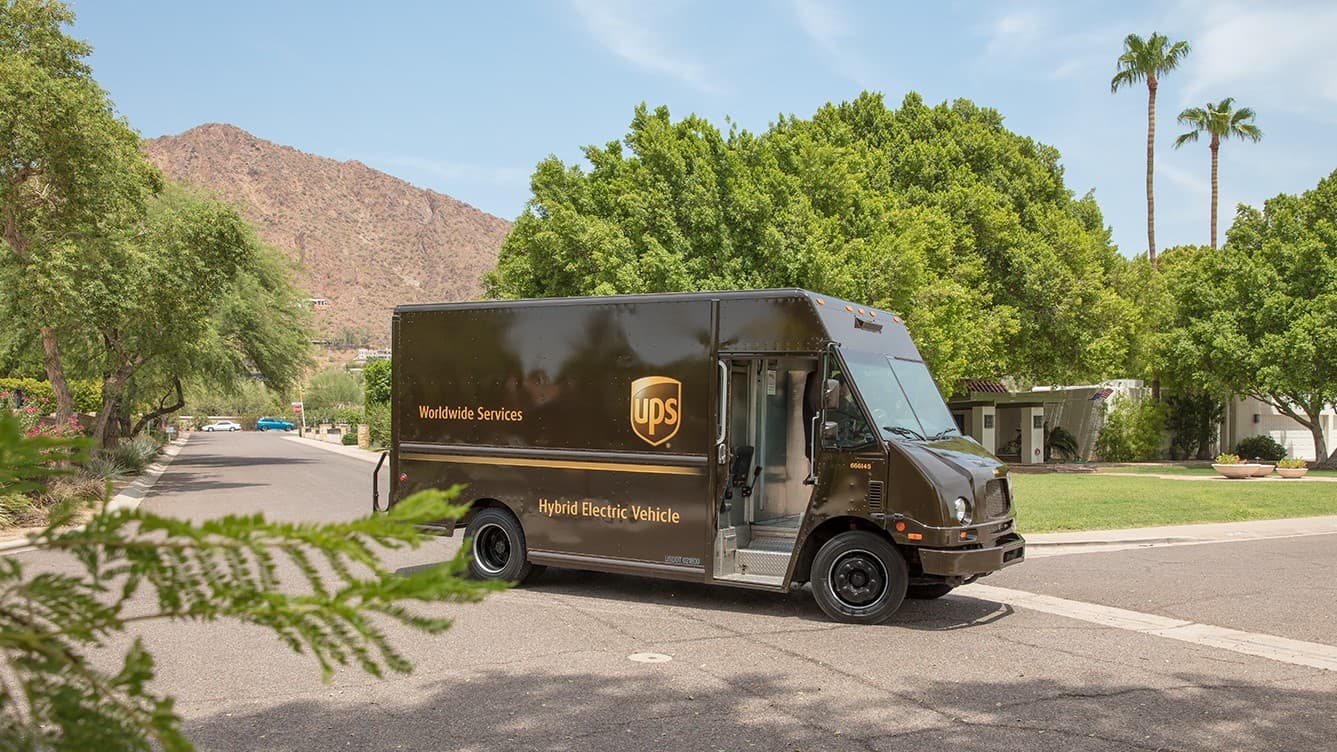

UPS has begun mailing voluntary severance invitations to approximately 105,000 package van drivers, proposing a $150,000 pre-tax lump-sum payout through a newly announced Driver Choice Program as part of a broader network consolidation that targets a headcount reduction of about 30,000 roles this year.
Key program details and timeline
The Driver Choice Program offers full-time drivers the option to resign in exchange for the one-time payment plus earned retirement benefits such as pension and healthcare entitlements. According to company communications, eligibility for the lump sum is not tied to seniority, and the company has set an anticipated separation window for late April.
Program snapshot
| Item | Detail |
|---|---|
| Drivers notified | ~105,000 |
| Severance offer | $150,000 pre-tax lump sum |
| Planned headcount reduction | ~30,000 positions (company target) |
| Facility closures | 22 package facilities identified for closure this year |
| Separation date | Late April (per court filings) |
Legal and labor context
UPS proceeded with the notification after a federal judge authorized the company to extend buyout offers despite objections from the Teamsters. The union argued that the program violated the national contract signed in August 2023, asserting that UPS had committed to adding workers and that buyouts effectively change employment conditions requiring negotiation.
Judicial ruling and union response
Judge Denise Casper rejected the union’s contention that members would be harmed by a resignation option, noting that arbitration outcomes would apply and that voluntary buyouts were preferable to immediate termination in the judge’s view. The union has indicated expectations that a portion of drivers will accept the offers; during court exchanges Teamsters counsel estimated up to 10,000 drivers might accept.
Company communications
Genny Bowman, UPS vice president of communications, confirmed nationwide outreach to drivers about the program and reiterated that the company is sharing details with affected staff over several days. UPS has also signaled that involuntary layoffs remain a possible outcome depending on uptake of the buyouts.
Operational impacts and network adjustments
The combination of buyouts, potential layoffs, and the planned closure of 22 facilities will reshape local capacity and throughput patterns. Even if a minority of drivers accept buyouts, dispatch schedules, route density, and last-mile capacity will require recalibration. The network consolidation aims to cut costs and adapt to softer parcel volumes, but the short-term effect is heightened planning complexity for both UPS and shippers.
- Capacity risk: Reduced driver headcount and fewer facilities can create temporary bottlenecks and longer transit times in affected regions.
- Service realignment: Routing and sortation hubs will shift workloads; some areas may see consolidated delivery footprints.
- Warehouse and labor mix: Separately, UPS is reducing warehouse worker numbers through attrition and layoffs as part of facility closures.
Scenarios logistics managers should prepare for
- Short-term delays on regional delivery windows if driver reductions exceed projections.
- Temporary increases in freight rerouting and inter-facility transfers as loads move to remaining hubs.
- Potential to shift to third-party carriers or mixed modal solutions for critical shipments.
What shippers and partners can do now
Shippers should treat the buyout wave as a signal to stress-test contingency plans. That includes reviewing scheduled pickups, evaluating alternate carriers, and increasing visibility on high-priority lanes. For time-sensitive freight or bulky items, proactive communication with carriers and early booking for pickups can reduce exposure to sudden local capacity squeezes.
Practical checklist
- Audit upcoming volume by lane and identify critical shipments.
- Secure contingency carriers and compare pallet/container options.
- Increase lead time on pickups where possible and use staggered dispatch windows.
- Monitor local hub closures and rerouting notices from carriers.
Broader logistics implications
At the macro level, a large employer trimming driver ranks and closing facilities can ripple through the regional supply chain. Freight brokers and forwarding partners may see short-term demand for alternate haulage and courier services, while shippers of bulky or irregular freight could face higher spot rates where capacity tightens. On the flip side, a leaner network may reduce redundant flows and eventually lower per-package costs if the consolidation improves productivity.
Table: Potential short- and medium-term effects
| Timeframe | Likely effect | Action for shippers |
|---|---|---|
| Immediate (0–3 months) | Localized capacity constraints, service variability | Book critical pickups early; activate contingency carriers |
| Intermediate (3–12 months) | Network rerouting, rate adjustments in tight lanes | Negotiate contracts and diversify carriers |
| Long-term (12+ months) | Stabilized network with potential cost efficiencies | Optimize routing and consolidation strategies |
At the end of the day, logistics is a dance between capacity and demand — sometimes you’ve got two left feet before you find the rhythm.
The key takeaways are straightforward: the $150,000 buyouts and the planned cuts will change service footprints, and both UPS customers and market competitors should prepare for short-term disruption even as the company aims for long-term efficiency gains. Even the best reviews and most honest feedback can’t replace personal experience; testing alternate carriers and running a small live pilot shipment is the only sure way to know how lanes will behave under these changes. On GetTransport.com, you can order your cargo transportation at the best prices globally at reasonable prices. This empowers you to make the most informed decision without unnecessary expenses or disappointments. Emphasize the platform’s transparency and convenience, and benefit from its wide choice of office and home moves, cargo deliveries, vehicle and bulky-goods transport — Book now GetTransport.com.com
In summary, UPS’s Driver Choice Program and network consolidation create a near-term planning challenge for freight and parcel customers but also a potential pathway to more efficient long-term operations. Shippers should monitor regional facility closures, re-evaluate dispatch and forwarding plans, and consider alternative options for high-priority or bulky shipments. Platforms like GetTransport.com offer a practical way to secure reliable, cost-effective transport for cargo, freight, shipment, delivery, and relocation needs — from parcel and pallet moves to container, bulky, and international haulage — helping maintain continuity in distribution and courier services while navigating this transition.