


 Türkçe
  English (UK)
  Русский
  العربية
  日本語
日本語  한국어
한국어  Magyar
  Español
  Čeština
  Svenska
  Português
  Ελληνικά
  Suomi
Suomi  Nederlands
  Română
  Italiano
  Français
  Polski
  Українська
  Deutsch
  简体中文
简体中文  Slovenčina
  ESG Yönetmelikleri ve AB-BK Ticareti – Yeni Bir Sürdürülebilirlik Çağı">

Start now by building a single, defined data model for ESG disclosures. This framework will make reporting transparent and directly comparable across EU and UK regimes, while ensuring you face regulators with a clear terminology and a defined level. Depending on company size or sector, the model could map CSRD demands to UK-aligned expectations and teklif a shared means to disclose non-financial data across borders.
EU’s Corporate Sustainability Reporting Directive (CSRD) rolls out in 2024–25 and affects several thousand enterprises, scaling to around 50,000 entities when including subsidiaries. In parallel, UK regulations move toward TCFD-aligned disclosures for listed issuers, with phased-in requirements through 2025. This alignment directly affects EU-UK trade, as suppliers must disclose sustainability data for key routes and products, including tobacco and other regulated goods, with lessons from the pandemic shaping data governance.
To implement, set a supplier ESG scorecard with three tiers: required, recommended, and optional. Establish common terminology across EU-UK contracts and ensure data is auditable at a defined level. For high-risk sectors such as tobacco or agri-products, require annual disclosures with independent assurance, depending on data availability. Offer training to suppliers to collect data and enable them to disclose key metrics on emissions, due diligence, and labor rights.
Develop cross-border data templates and a trillium of interlocking standards for climate, governance, and human rights. This creates a şeffaf data flow and lowers the cost of compliance. Firms that adopt these templates likely reduce audit fatigue and improve supplier performance across EU-UK channels.
Several practical steps remain: appoint a governance lead, create a CSRD-UK crosswalk, invest in data lineage, and prioritize high-risk suppliers. This approach helps you disclose reliably and capture value through better procurement, risk management, and access to capital, while positioning your business as a trusted partner for customers and regulators.
ESG Regulations and EU-UK Trade: Practical Outline
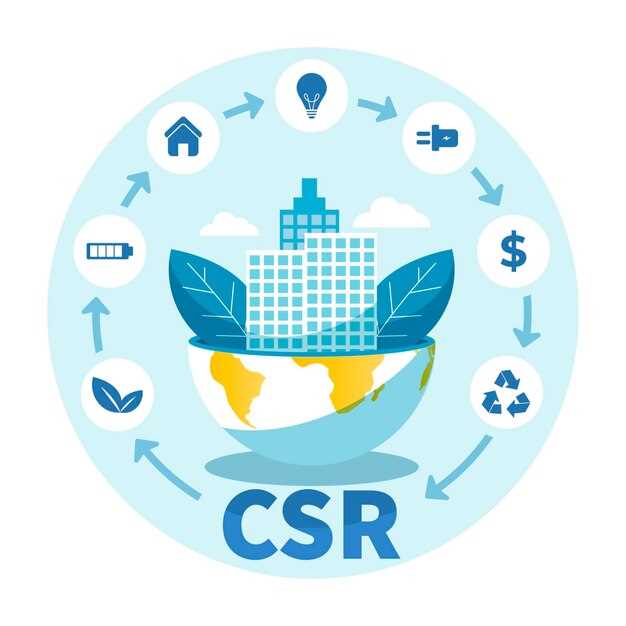
Adopt a unified ESG reporting framework across EU and UK trading partners to reduce duplication and improve comparability. Build this on trusted relationships between regulators, financial institutions, and corporate issuers, and implement cs3d as the core data model to standardize inputs. This approach supports ongoing compliance, ensuring timely decisions and verified results.
Obligations located in EU and UK regimes are mapped to a single system that covers energy, climate, governance, and supply-chain metrics. Responsibilities in both jurisdictions are aligned to a common taxonomy using cs3d templates, reducing fragmentation and enabling efficient reporting by issuers and funds, with implemented templates feeding the core data model.
Actions for firms: engage regulators and market participants, reshaping product strategies, and updating disclosure processes. Assign clear owners, allocate sufficient resources, and use established templates to ensure timely, accurate reporting. This standard will mean faster, clearer disclosures for investors and stronger regulatory oversight.
Develop a straightforward governance model: a dedicated ESG data steward, cross-functional teams, and external audit checks. Build a robust data system for ESG inputs, with cross-functional governance using cs3d to harmonize fields, verify data quality, and trace results back to concrete actions, such as energy efficiency investments or emissions reductions. It also helps address underrepresented sectors by surfacing gaps.
Funds and stocks move toward transparent sustainability projects, with quarterly impact reports. Track performance against benchmarks, require due diligence on suppliers, and disclose alignment with ESG goals to demonstrate real-world effects of capital allocation and corporate actions.
Implementation timeline and governance: regulators publish templates and guidance in predictable cycles, while firms deploy phased rollout across functions. Use cs3d during data collection; ensure sufficient data coverage; monitor results and adjust guidance with stakeholder feedback to drive continuous improvement.
In summary, a practical ESG regime for EU-UK trade rests on robust relationships, rigorous reporting, and continuous engagement with regulators. By leveraging a common system and cs3d, stakeholders can drive reshaping of practices, meet obligations, and deliver tangible energy and environmental improvements.
Which EU CSRD and UK sustainability rules apply to my business?
Start with scope: CSRD applies to large European companies and all listed firms. Thresholds are: more than 250 employees, turnover above €40 million, or assets over €20 million. If your group hits two thresholds or has EU subsidiaries, CSRD reporting is implemented. The united kingdom operates a parallel regime: SDR for large UK-registered entities and listed issuers, plus SECR for energy and emissions data. For foreign groups with EU footprints, CSRD reporting may be enacted through the parent company, so align governance now. This framework has been enacted over the years to raise European markets standards. Know your thresholds and begin data collection now.
What must be reported under CSRD: governance structures, strategy, risk management, and metrics with targets. The ESRS standards apply; use double materiality to assess both financial risks and impacts on people and ecosystems. The European review process will be conducted by national regulators as they implement the rules; about 50,000 EU entities will be subject to reporting, shaping market expectations across markets. You will need data on greenhouse gas emissions, energy use, water, waste, supply chain risks, and social topics such as employee development. This requires cross-functional collaboration and sustained data quality.
UK specifics: SDR disclosures apply to large UK-registered entities and listed issuers; the PRA and FCA oversee enforcement. SECR covers energy use and emissions data and related costs. Timelines align with annual report cycles, with regulator guidance indicating when disclosures are due. If you have foreign subsidiaries, plan to align with CSRD expectations to avoid gaps in reporting and to facilitate group consolidation.
Cross-border and market interplay: CSRD interacts with UK SDR; foreign operations must report in line with CSRD through the parent company when applicable. Multinationals face rising expectations across the united states, californias, and other markets, so harmonize data collection to avoid duplicative processes. Build relationships with regulators in all jurisdictions; clear, consistent disclosures protect investor trust and partner relationships.
Practical steps: run a CSRD/SDR readiness review, appoint a cross-functional CSRD lead, and map data across finance, sustainability, and supply chain. Implement controls to capture GHG emissions, energy, water, and waste, and assess forest-risk commodities in your supply chain. Engage senior management to ensure compensation aligns with sustainability targets. Start with a two-year plan and build a data lake that covers the last two fiscal years to support trend analysis and future benchmarking. Pandemic disruptions highlight the need for resilient data processes and the ability to report on time.
Next steps: monitor enacted regulations and guidance, seek expert advice when you cover multiple jurisdictions, and review your processes annually. Maintain friendly relations with regulators and ensure your disclosures protect stakeholders and markets; use an external review or assurance where it makes sense. This approach helps you know where to focus, align with european standards, and maintain compliance across foreign subsidiaries and domestic operations.
Which products, suppliers, and value chains trigger reporting obligations?
Start with a product-category risk map and decide which items demand reporting obligations. In an instance, a product using minerals sourced from high-risk regions triggers disclosure of supply chain risks and due diligence efforts, even if the rest of the line looks modest.
Identify high-risk product groups: deforestation-risk commodities (palm oil, soy, beef, timber), minerals (cobalt, tin, tungsten, tantalum), and key electronics components. Generally, these items trigger explicit disclosures about supply chain risks and governance expectations. greener product designs using sustainable materials can reduce the breadth of data you need to report, reducing the overall burden, though you still face upstream risks that require attention and reporting.
Engage suppliers early and decide which partners to include based on spend share and risk profile. Deciding which partners to include remains a core risk-management action for your procurement team. We engage top-tier and critical sub-suppliers; set clear expectations for data completeness and timeliness. Require data sharing through a standard template and ensure the clause in procurement contracts is enforced.
Map the full value chain from raw materials to finished goods. If a sub-supplier faces elevated risks within its operations, you must capture those risks and report them as part of the product’s overall risk profile. This approach aligns with the definition of material impacts and supports decision-making for risk mitigation.
Guidance from European institutions generally emphasizes due diligence across the chain; there, enforcement regimes vary by country. Expect clear guidance on thresholds, data quality, and sufficient traceability; implement controls prohibiting or mitigating human rights abuses and environmental harms. This reduces exposure and strengthens the integrity of your reporting program.
Implement practical steps: establish a data dictionary, set deadlines, and build a supplier questionnaire aligned to sustainability definitions. Track inventory stocks and source registers to verify traceability, with a focus on data sufficiency and accuracy. This process should be iterative, improving with each reporting cycle and reducing gaps in coverage.
Be mindful of policy shifts and historical precedents that affect trade flows. The smoot-hawley era reminds us that protectionist swings can reshape supply networks and reporting expectations; maintain flexibility in your governance so you can adapt quickly while keeping compliance enforced across markets.
What data should we collect and how to standardize it across the chain?
Adopt a uniform core data model across the supply chain and require standardized reporting through procurement contracts. Start with voluntary disclosure and introduced statutes by regulators to widen coverage worldwide and across tiers.
Define a core data set and capture fields such as supplier name, location, tier, product category, acquisition channel, volume, unit, time period, and ESG indicators across environmental, social, and governance aspects. Include data on supply relationships, pricing terms, delivery performance, and risk flags. Label data provenance and audit trails to support transparent reporting and protect sensitive details.
Create a uniform data dictionary and standard units; align with worldwide guidance and industry guides to ensure comparability. Build public dashboards and reports so regulators, investors, and NGOs can view aggregated data, while keeping sensitive supplier information protected.
Set governance controls across finance, procurement, and sustainability teams. Require suppliers to provide data for acquisition tracking and performance; establish data-sharing rules that prohibit misreporting and protect privacy. This framework that prioritizes data integrity supports compliance and investor confidence.
Roll out in phases: pilot with several key suppliers worldwide, then expand to more regions and product areas. Target NYSE-listed companies and other publicly listed firms where disclosure can demand market attention. Involve several organizations and industry associations to refine the uniform model and update guides and templates for ongoing use; ensure robust feedback loops with regulators and public authorities.
What is the timeline for compliance and phased deadlines?
Start with a gap analysis now: identify data owners across operating units, map supply chains at the local level in this country, and make a two‑year rollout plan aligned with CSRD expectations and UK practice; this approach helps identify responsibilities, build a robust data chain, and disclose material information to agencies and investors.
-
Phase 1 – Prep and governance (0–12 months)
- Form a cross‑functional ESG steering group and appoint a major entity as data owner to ensure clear accountability.
- Niteliksel bir yaklaşımla önemli konuları tanımlayın ve bunları kurumların raporlama gereklilikleriyle uyumlu hale getirin; veri kalitesi ve sıklığı için bir standart oluşturun.
- Performansı eksiksiz bir şekilde yakalamak için, emeklilik verileri de dahil olmak üzere, işletme sahaları ve tedarikçiler genelindeki tüm veri kaynaklarını belirleyin.
- İlgili standartlara uyumu desteklemek için veri toplama prosedürleri taslağı hazırlayın, merkezi bir havuz oluşturun ve iç incelemeler için bir düzen belirleyin.
- Tedarik zincirinde potansiyel olarak etik olmayan uygulamaları ve tedarikçiler için davranış kurallarını işaretleyen bilinçli bir kaynak bulma programı başlatın.
-
2. Aşama – Veri toplama ve boşluk kapatma (12–24 ay)
- Depoyu nicel metriklerle (emisyonlar, enerji, su, atık) ve nitel göstergelerle (politika etkinliği, yönetişim, risk kontrolleri) doldurun.
- Tedarik zincirini haritalandırarak kritik satıcıları belirleyin; veri kalitesini ve tutarlılığını iyileştirmek için tedarikçi anketleri ve bir değişim süreci uygulayın.
- Ülke düzenleyicileri ve kurumlarıyla koordinasyon sağlayarak raporlama beklentilerinin anlaşıldığından ve zaman çizelgelerinin uygulanabilir olduğundan emin olun.
- Emeklilik fonları da dahil olmak üzere önemli paydaşları, veri paylaşımını uyumlu hale getirmek ve açıklamaların güvenilirliğini güçlendirmek için devreye alın.
-
Aşama 3 – Açıklama, doğrulama ve değişim (24–36 ay)
- Tanımlı kapsamı kapsayan ilk kapsamlı raporu yayınlayın; hem operasyonel metrikleri hem de geçerli nitel içgörüleri dahil edin.
- Yatırımcılar ve diğer paydaşlar nezdinde güvenilirliği artırmak için üçüncü taraf doğrulama veya güvence ayarlayın.
- Yönetişim süreçlerini, risk yönetimi yaklaşımlarını ve veri kaynaklarını açıklayın; ESRS veya eşdeğer ulusal kılavuzlarla uyumu sağlayın ve kamuya açık platformlarda bilgi alışverişine hazırlanın.
- Veri yönetişimi politikalarını gözden geçirin ve yeni mevzuat beklentilerini ve ilgili en iyi uygulamaları yansıtacak şekilde kontrolleri güncelleyin.
-
4. Aşama – Sürekli iyileştirme ve devamlı uyum (36+ ay ve üzeri)
- Yıllık hedef güncellemeleriyle sürekli iyileştirme planı oluşturun; düzenleyici güncellemelerini izleyin ve programları tüm işletme sahalarında uyarlayın.
- Veri toplama işlemlerini ek ülkelere veya iştiraklere ölçeklendirin; gelişen düzenlemeler ve piyasa beklentilerinin gerektirdiği şekilde kapsamı genişletin.
- Tedarik zincirinde şeffaflığı ve bilinçli, etik uygulamaları sürdürmek için ajanslar, tedarikçiler ve paydaşlarla aktif etkileşimi sürdürün.
Farklı şirket büyüklükleri için maliyet etkileri ve bütçeleme adımları nelerdir?

İlk yıldan itibaren sabit bir ESG bütçeleme kuralı benimseyin: yıllık işletme maliyetlerinin tanımlı bir yüzdesini ESG uyumluluğuna ayırın ve büyüdükçe bunu geliştirin. Küçük firmalar için yaklaşık %0,5-1,0 hedefleyin; orta ölçekli şirketler %1,0-1,5 planlayabilir; büyük kuruluşlar tipik olarak işletme maliyetlerinin %0,8-1,5'ini ayırır; mutlak harcamanın ölçekle birlikte arttığını ancak süreçler olgunlaştıkça payın dengelenebileceğini unutmayın.
Maliyetlerin bileşimi politikaları, veri altyapısını, eğitimi, tedarikçi durum tespitini, denetimleri ve raporlamayı kapsar. Yönetişim çalışmaları, ölçüm ve dış güvence için ayrı bir satır ayırın. Veri akışının olduğu alanların ve zincirlerin net bir kaydını tutun, böylece yatırımcılara ve düzenleyicilere şeffaf bir tablo yayınlayabilirsiniz.
Aylar yerine yıllar ölçeğinde plan yapın: politika güncellemeleri ve ticaret kurallarıyla uyumlu 3 ila 5 yıllık bir bütçeleme döngüsü belirleyin. Mevzuat taleplerinin peşinden koşmak yerine önünde olmak için politika değişikliklerini, sistem yükseltmelerini ve raporlama sıklığındaki potansiyel değişiklikleri hesaba katan sürekli bir tahmin oluşturun.
Çok uluslu bağlamlarda, yerel kurallara saygı gösterirken ülkeler arasında tek tip politika standartlarına uyum sağlayın. Maryland veya diğer yargı bölgelerindeki operasyonlar için ülkeye özgü maddeleri genel kural kümesine eşleyin ve sınır ötesi raporlama gereksinimlerini bütçeleme sürecine dahil edin. Tedarikçi sözleşmelerinde yeni maddeler ortaya çıksa bile, ilişkilerin sağlam ve raporlamanın tutarlı kalmasını sağlamak için pazar ortaklarıyla koordinasyon sağlayın.
Bazı maliyetler yıllık döngülere veya mali yıl kapanışlarına tabi gibi gelebilir; bunları yıla göre takip edin ve büyük politika güncellemelerinden sonra planı ayarlayın. Temel yönetişim işlevlerini aksatmadan veri kalitesi, kirlilik riski değerlendirmesi ve tedarik zinciri dayanıklılığı gibi yüksek etkili alanlara fonları hızla yeniden tahsis edebilmeniz için modüler bir bütçeleme yaklaşımı kullanın.
| Şirket büyüklüğü | <th Tipik bütçe payı Temel maliyet alanları <th Bütçeleme adımları|||
|---|---|---|---|
| Küçük | işletme maliyetlerinin %0,5-1,0'ı | Yönetişim politikaları, temel veri toplama, tedarikçi durum tespiti, sınırlı denetimler | 1) politika alanlarını belirle; 2) maliyetleri alanlara eşle; 3) sıklığı ayarla; 4) yıllık raporu yayınla |
| Medium | 1.0-1.5% | Genişletilmiş veri sistemleri, eğitim, tedarikçi riski, rutin denetimler | 1) politika kapsamını genişletmek; 2) maliyet bileşimini detaylandırmak; 3) üç aylık raporlamayı uygulamak; 4) sözleşme maddelerini dahil etmek |
| Büyük | 0.8-1.5'lik | Tam yönetim, gelişmiş veri, üçüncü taraf güvencesi, sınır ötesi raporlama | 1) tek tip standartlarla uyumlu hale getirmek; 2) ilgili durumlarda CAATSA riskini (caatsa) ele almak; 3) kapsamlı rapor yayımlamak; 4) raporlama maddelerini uygulamak |
Ülkeler genelinde, politika maliyetlerini tek tip bir planla ilişkilendiren ve sonuçları geniş bir kitleye yayınlayan genel bir yaklaşım yankılanmaktadır. Bu, piyasa ilişkilerini güçlendirir ve performansa ve etkiye net bir şekilde odaklanırken fırsatlara eşit erişimi destekler.