


 Türkçe
  English (UK)
  Русский
  العربية
  日本語
日本語  한국어
한국어  Magyar
  Español
  Čeština
  Svenska
  Português
  Ελληνικά
  Suomi
Suomi  Nederlands
  Română
  Italiano
  Français
  Polski
  Українська
  Deutsch
  简体中文
简体中文  Slovenčina
 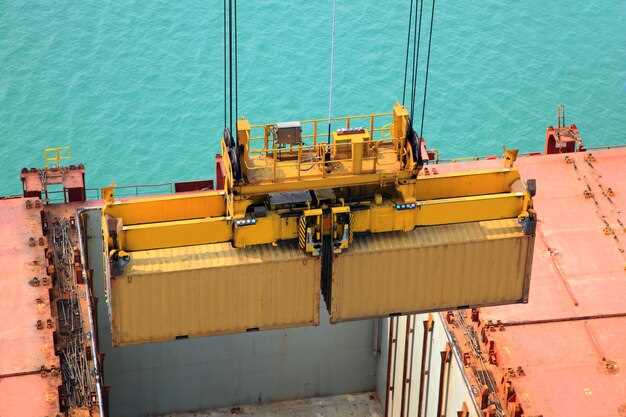 What Happens When Shipping Containers Burst Open at Sea?">

Isolate the zone immediately and notify coast guard officers; begin retrieval of the spilled load and restrict access. A rupture can cause the cargo to split and shift on deck, creating floating hazards, shifted ballast, and unpredictable debris trajectories that require fast, disciplined response.
Escaped contents can volatilize into toxic plumes; many items are packed and stuffed in crates, and the wind can spread fragments across the surface; with strong currents these fragments become a contaminant trail that threatens birds, fish, and swimmers. Some materials are poisoned, requiring responders to avoid direct contact and to use PPE; responders rely on packing lists and labels to determine the danger type, and to guide safe cleanup with cleaner equipment. Aerial overflight is often used to map the extent of contamination, and officers coordinate the search for floating debris to retrieve critical items. A log published by authorities notes any item that is poisoned or hazardous, so weighed risk can inform the response. A label on some crates even indicates withanage, signaling special handling requirements.
Operational guidance is anchored by the principle to comply with maritime safety protocols. According to incident reports, responders should establish a safety perimeter, secure the load’s stowage, and coordinate with officers and salvage teams; retrieval must be done gradually to avoid further fragmentation. For packs that carry hazardous materials, packing density matters; if a cargo unit ruptures, fittings can tear, causing additional splits and further risk to rescue teams. therefore, the goal is to retrieve valuable items while minimizing exposure to crew and wildlife.
The aftermath is described in stories published by authorities and captains; lessons stress rapid isolation, coordinated salvage, and preventing secondary pollution. Lost cargo may split and disperse, releasing contents into the Ocean and forcing responders to adapt on the fly. In many cases, the story of an incident shows how investigators weighed evidence, retrieved samples, and traced debris that drifted with currents and winds; although the hazards can be persistent, response teams learn to raise safety standards and packing requirements to reduce recurrence.
Immediate effects, risks, and practical questions for ship operators
Immediately isolate affected cargo units, secure adjacent holds, and suspend loading or discharge operations until an informed assessment from the department is complete. Use provided checklists and refer to the published guidance to maintain compliance; assign a dedicated fellow to monitor stability and coordinate with onshore teams, including overflight observers when available; ensure gear include absorbents, barriers, and rapid-response kits.
Major risks include rapid weight redistribution causing list or trim changes measured in meters, potential damage to hatch covers and deck machinery, leakage of hazardous contents, and contamination of the seabed. Strange shifts can occur when deep-sea items fail under stress, raising the probability of uncontrolled movement and requiring immediate containment. Mouths of vents or openings may draw air or water, escalating exposure risk to crew. Earlier incidents show that delays in response amplify damage and total losses; thus, quick, decisive action is essential.
The master and operator must align on the role and jurisdiction for the response, ensure compliance with regulations, and maintain mutual aid channels. The boat’s crew, shoreside teams, and external responders must stay coordinated to prevent losing control of stability, while ensuring essential data is preserved for later analysis. Content from the response should feed the initiative to improve designs, training, and procedures in the worlds of logistics and safety, including input from ruyant and fellow chris and colleagues in other fields such as hydrography and meteorology.
Practical questions to guide action include: which standards govern ballast corrections, how to assess real-time stability with limited data, which meters indicate safe limits, how to coordinate with arriving rescue teams and overflight observers, and which jurisdiction applies for reporting and remediation. Also, which channels best serve rapid updates to the content audience, and how to document decisions for later review by the department and external partners?
| Question | Recommended action or data |
|---|---|
| Stability indicators (list, trim, heel) | Record live values, meters of trim change, ballast status; maintain conservative margins and report to onshore control |
| Containment readiness | Deploy absorbents, booms, and barriers; verify leakage paths and seabed impact; establish containment zones |
| Coordination with responders | Notify authorities and arriving boats; align with overflight observers; confirm applicable jurisdiction for actions |
| Communication and reporting | Provide concise, timestamped updates to the department; publish key content to the incident portal for the worlds audience |
| Data integrity and records | Capture readings from early to current phase; include input from fellows in fields like hydrography; ensure data is provided for post-incident analysis |
| Recovery and salvage planning | Outline safe re-entry, post-incident inspection, and salvage options; document decisions for review by ruyant and chris |
Causes and triggers: why containers rupture at sea and how weather, stacking, and lashing contribute
Recommendation: enforce stringent planning and robust lashing on all long-haul lanes, cap stacking height on high-wind routes, and require crews to log securing methods in self-reported formats. Experts said most failures stem from planning gaps and inadequate lashing, with reported incidents rising when units are stacked and wind intensifies entering transatlantic corridors.
Weather dynamics drive risk: wind gusts, squalls, and shifts in pressure can multiply loads on heavy boxes; risk becomes greater when lanes converge into storms along the ocean tracks. In the Pacific and transatlantic routes, seasoned crews describe sudden changes that stress lashings and restraint points. Video analyses show most failures occur during unplanned wind ramps and when securing does not reflect actual load changes.
Stacking behavior and restraint design set the difference between resilience and failure. When items are stacked beyond limits, the bottom layer bears shock from deck motion; crowded lanes increase exposure. Better planning for stacking limits and using redundant lashing gives a margin that helps prevent misalignment and body damage during heavy weather.
Limitations in reporting and reliance on self-reported logs challenge risk assessment. Experts note that many incidents were reported after the fact, which gives a partial view; more independent verification, including seabed surveys and port inspections, would improve estimates. Cases from the Pacific and Transatlantic lanes show how changes in securing practices helped reduce repeat failures, with discovering new failure modes becoming possible.
Material and packaging changes influence risk. Plastic wrappings or inner packaging can deform under load, changing how restraint points engage. Some nitric cargo requires tighter seals and dedicated containment, which in turn affects lashing strategy. Planning must account for dead weight, shifts on deck, and potential seabed interactions if a casualty occurs. Green ports and training parks near hubs support hands-on drills and help disseminate practical lessons across lanes.
Action items for operators and regulators. Invest in clearer planning standards, enhanced lashing guidelines, and routine cross-checks against wind forecasts. Use video and self-reported data to validate risk estimates, and share findings across the world to reduce incidents on both Pacific and transatlantic routes.
Contents and dispersion: how cargo behaves after a breach and what washes ashore or sinks
Immediately isolate the breach zone, deploy hazmat teams, and set up on-water containment using booms and absorbents to limit dispersion and protect the waterfront.
Coordinate actions under MAIB guidelines and with investigators, document the incident with rigorous inspection logs, and apply penalties when negligence is established; insured parties must file prompt claims and coordinate cleanup funding.
Keep mind on the drift path; responders track currents and surface calculations to project where cargo may migrate, enabling targeted containment and retrieval before it sinks or washes ashore in distant zones.
Dispersion follows buoyancy and current vectors: some contents float and drift, others become waterlogged and sink, while heavier units stay near the origin; containerships should ensure lashings remain secure and hatch covers closed to minimize release risk.
Environmental impact concentrates on hydrocarbons, solvents, and chemically treated cargo; cleanup teams prioritize shoreline protection, absorbent deployment, and wildlife response, with coastal authorities reporting progress to waterfront communities.
During the initial month, patterns emerge along major routes; washington regulators and other jurisdictions increasingly monitor ports, sharing data with united agencies to tighten inspection regimes and improve response times.
Buoyant contents such as a pearl or other lightweight items may wash ashore; detectable residues complicate efforts, prompting more thorough hazmat surveys and body recovery guidelines when necessary.
Sunlight accelerates degradation of packaging materials; increasingly, investigators remembers a pearl of practice: timing and weather influence dispersion, with sinking occurring after days to weeks depending on cargo type.
MAIB reports emphasize that lashings, hatch closures, and secure stowage reduce releases; ports should enforce inspection regimes and penalties to encourage consistent practice; insured operators should document containment readiness and fund timely cleanup.
Recommended actions for fleet managers include routine drills, pre-voyage checks, and documented response plans; transparent reporting supports community safety and liability management for materials that pose environmental risks.
Safety and navigation risks: fire, toxic fumes, entanglement, and collision hazards for nearby vessels
Establish an exclusion zone at once and notify maritime authorities to coordinate response; assign a dedicated lookout and implement AIS screening to prevent close approaches.
parroquín-ohlson remembers a case where the world institutes a rapid protocol; the event resulted in a devastating smoke plume and delay in maneuvering. The environment can shift winds that drive debris into the deep-sea current, thats why decoys and markers are used to direct traffic away from danger zones. Damaged units with packed cargo increase the risk of ignition, chemical release, and sudden movement that can entangle nearby crews.
- Fire risk: flammable or reactive cargo can ignite from a spark, heat, or friction; crews must maintain separation, avoid hot-work, and deploy water fog or aqueous spray to suppress incipient flames without compromising nearby vessels. The most dangerous scenarios involve mixed loads that accelerate spread and require rapid evacuation of nonessential personnel.
- Toxic fumes: volatile compounds release vapors that can drift with winds and linger in the upper atmosphere; monitoring with portable gas detectors is essential, and wind shifts warrant evacuation of nearby decks and safe routes for observers and responders. A visible plume mandates immediate disclosure to authorities and avoidance by other ships.
- Entanglement hazards: broken lashings, twistlocks, and protruding hardware can snag lines, propeller wash, or crew gear; distant observers should re-route to maintain clearance, and responders must work with tethers and buddy teams to extract affected mariners safely.
- Collision hazards: drifting debris, shifting weight, and multiple moving targets create unpredictable tracks; use radar, AIS, and visual lookout to log positions and advise visiting vessels to keep well clear of the affected sector. Debris fields can relocate with currents and ambient winds, heightening the risk of encounters.
- Yakınlardaki denizciler için yanıt protokolü: bir yasak bölge ilan edin, gelişen sürüklenmeyi izleme verileriyle takip edin ve gelişmeleri yetkililere bildirin; mümkünse, trafiği enkaz koridorundan uzaklaştırmak için tuzaklar yerleştirin ve acil durum birimleri için açık bir şerit sağlayın.
- Gemilere yaklaşırken operasyonel rehberlik: yoğun rotalardan kaçının, hasar görmüş veya kaymış kargo ünitelerine karşı dikkatli bir gözlem sürdürün ve baş koordinasyon merkezinden gelen talimatları izleyin. Olay yerine varıyorsanız, motorları durdurmaya, salmaları sabitlemeye ve talimat verildiği şekilde can kaybı veya dökülme kontrolüne yardımcı olmaya hazırlanın.
- Durumsal veri toplama: rüzgar hızı ve yönü, akıntılar, görüş mesafesi ve twistlock'ların ve ambalajın durumunu kaydetme; gemi üstü sensörlerin sınırlamalarını değerlendirme ve dumanın ve yüzen enkazın yörüngesini doğrulamak için birden fazla kaynağa güvenme.
Yetkililerin tam olarak nasıl tepki vereceği, karışıklığın ölçeğine ve süresine bağlıdır; çoğu durumda, uyarılar yayıldıkça ve yeni bilgiler geldikçe planlar anında revize edilir. Sudhir, gecikmeyi azaltmak ve sonucu en aza indirmek için proaktif iletişimi, hızlı değerlendirmeyi ve sektörler arası koordinasyonu vurgular. Olaylar geliştikçe, en verimli manevra yollarını keşfetmek, varlıkların dikkatli bir şekilde sayılmasını, risk değerlendirmelerinin güncellenmesini ve kurtarma operasyonları hasarlı teçhizatın yerini alana ve tüm trafik için güvenli geçişiRestore edene kadar çevrenin mümkün olduğunca bozulmadan kalmasını gerektirir.
Çevresel etki: kirlilik potansiyeli, deniz yaşamının maruz kalması ve uzun vadeli temizlik zorlukları
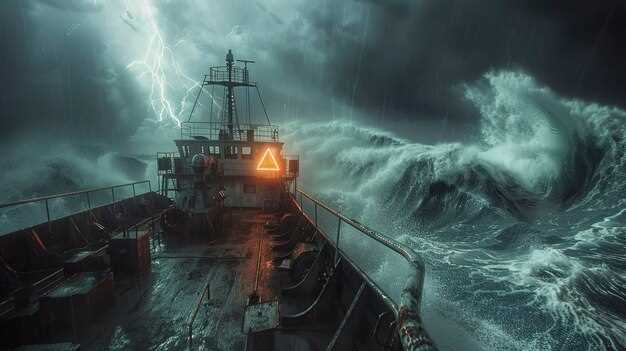
Etkilenen koridorlardaki yayılımı sınırlamak ve daha fazla kirlenmeyi durdurmak için koordineli eylemlerle bariyerleri ve hızlı müdahale ekiplerini konuşlandırmak üzere derhal harekete geçin. Hava araştırmaları ve kıyı şeridiNumunelemesi yoluyla yayılma alanını haritalamak için dikkatli bir izleme yapılmalıdır; yetkililer hızlı ve hedefli önlemlerin uzun vadeli zararı azalttığını göstermiştir.
Çevre, yakıtlar, çözücüler ve kargo kalıntılarından kaynaklanan bir kirlilik potansiyeliyle karşı karşıyadır; dökülmeler tuzluluk, oksijen seviyeleri ve mikrobiyal toplulukları onlarca yıl boyunca değiştirebilir. Gelgit bölgelerinde, petrol sızıntıları kirleticileri haliçlere taşıyabilir, habitatları ve balıkçılığı tehdit edebilir. Japonya ve Tayvan koridorları yakınlarındaki olaylar, kıyı toplulukları tarafından bildirilen etkileri göstermiştir; deniz kuşları ve küçük balinalar da dahil olmak üzere milyonlarca organizma maruz kalma yoluyla zarar görmüştür; uzmanlar, hızlı hareket edilmezse sorunların devam edeceği konusunda uyarıyor.
Deniz yaşamına maruz kalma, besin zincirleri boyunca birikimi hızlandırarak ticari öneme sahip türler ve avcı hayvanlar arasında kayıplara ve biyoçeşitliliğin azalmasına neden olur. Risk, kalabalık transit yollarında tehlikeli yük taşırken artar; gemiler için kalkanlar ve liman uğraklarının planlanması hassas yaşam alanlarıyla teması en aza indirmelidir. Dört ana maruz kalma yolu –yutma, soluma, deri teması ve trofik transfer– kayıplara yol açar; ardından iyileşme yıllar alabilir.
Uzun vadeli temizlik zorlukları, sürekli finansman ve sınır ötesi koordinasyon gerektirir. Onlarca yıllık çaba beklenmektedir ve malzeme yaşlandıkça ve çıkarılması zorlaştıkça maliyetler artabilir. Transatlantik rotalar ölçeği gösterirken, kaohsiung ve tayvan limanları bölgesel yükleri göstermektedir; gard, mükerrerliği önlemek ve sonuçları iyileştirmek için veri, standartlar ve eğitimli müdahale ekiplerini paylaşma konusunda işbirliği yapmaktadır.
Bilgilendirilmiş politika yapıcılar ve mahkemeler, kirleticilerin temizliği karşılamasını zorunlu kılmalı ve kıyı avcıları ve balıkçılarından elde edilen kendi beyanlarına dayalı veriler risk haritalarını bilgilendirmelidir. Çevre kurumları, acil durum önlemlerini ve uzun vadeli iyileştirme anlaşmalarını tetikleyen eşikler belirleyebilir; potansiyel yükümlülük altındaki milyonlarca dolar, spekülatif değerlendirmeler yerine restorasyona yönlendirilebilir. clear ticari faaliyet ile çevresel bütünlüğü dengelemek için yönetişim ve mahkeme destekli yaptırım şarttır.
Müdahale ve önleme: raporlama, kurtarma, sigorta ve gelecekteki olayları önleme tedbirleri
Acil eylem: Kıyı güvenliğine ve bayrak devletine saatler içinde bir uyarı yayınlayın, tarih, pozisyon, hava durumu ve birden fazla dev gemideki tahmini kayıpları kaydedin. Manifest ayrıntılarını, rotayı ve malzeme taşıyan yük birimi sayısını ekleyin. Özel bir hasar eksperini atamak için armatörler ve sigortacılarla iletişime geçin; Locktons'tan Sudhir, talep sürecini koordine edebilir ve zamanında teminat kararları alınmasını sağlayabilir.
Kurtarma koordinasyonu: Tehlikeleri değerlendirmek, gerekirse mürettebat için sığınak oluşturmak ve olay yerini stabilize etmek üzere kanıtlanmış başarı geçmişine sahip denizcilik uzmanlarını harekete geçirin. Sediment yer değiştirmesi, potansiyel yakıt veya kimyasal sızıntısı ve çevresel risk hakkında veri toplayın; analiz için numuneler yıkayın ve toplayın. Enstitüler ve ticari kurtarma firmaları, çalışırken taktikleri paylaşmalı ve daha temiz bir çevreyi korumalıdır; daha fazla kaybı en aza indirmek için bilinen en iyi uygulamalar uygulanmalıdır.
Sigorta ve sorumluluk: Sigortacılar tarih, hava durumu, kargo türleri ve rota geçmişini içeren resmi bir rapor istemektedir. Gemi sahiplerinin poliçeleri genellikle kurtarma, sorumluluk ve kargo menfaatlerini kapsar; ticari sigortacılar hasar eksperleri ile koordineli çalışır ve avans ödemesi yapabilir. Tüm makbuzları ve kayıtları saklayın; bahsi geçen uzmanlar ve bağımsız incelemelerden elde edilen bulgular, hızlı raporlamanın riski azalttığını göstermektedir. Sistem, tasarım gereği, risk değerlendirmesi için sudhir ve locktons ile işbirliği olasılığını içermektedir.
Önleme tedbirleri: Kayma riskini azaltmak için yük birimlerinin dikkatli istiflenmesini ve emniyete alınmasını sağlayın; yükleme planlarını gözden geçirin ve her liman ziyaretinde bağlama standartlarını doğrulayın. Rota özelindeki risk değerlendirmeleri enstitüler ve operatörler tarafından güncellenmelidir; bilinen tehlike bölgelerine ve mevsimsel hava durumuna odaklanılmalıdır; tortu kontrol stratejileri uygulanmalı ve mümkün olduğunca çevre dostu temizleyiciler kullanılmalıdır. Her araç bir tehlike azaltma planı taşımalı ve ekipler bunu uygulamak üzere eğitilmelidir. Ayrıca, mürettebat ve kıyı ekipleri için sürekli eğitim sağlayın, böylece her yük hareketi tekrarlanabilir, kanıta dayalı bir prosedürden yararlansın. Rota, olaylardan sonra yeniden değerlendirilmeli ve gelecekteki referanslar için değişiklikler belgelenmelidir.
Veri paylaşımı ve hesap verebilirlik: Rota, tarih, konum, tehlike seviyesi ve alınan önlemleri içeren resmi, erişilebilir bir rapor derleyin. Hazırlığı iyileştirmek için bulguları bilinen yetkililer, enstitüler ve gemi sahipleriyle paylaşın. Önceki olaylardan çıkarılan dersleri hatırlamak, prosedürleri iyileştirmeye yardımcı olur; gemi sahipleri, sigortacılar, düzenleyiciler ve uzmanlar gibi çok sayıda taraf, öğrenmeyi hızlandırmak ve dikkatli, tekrarlanabilir eylemleri teşvik etmek için anonimleştirilmiş eylem günlükleri yayınlamalıdır. Ayrıca, önleyici tedbirleri güçlendirmek için yeşil program ekiplerinin ve çevre enstitülerinin düşüncelerini de dahil edin.
Çevresel ve olay sonrası takip: İstikrar sağlandıktan sonra, kurtarma ekipleri tehlikeleri ortadan kaldırır ve tortu yıkama ve enkaz kurtarma çalışmalarına başlar. Çevre enstitüleri tarafından yapılan izleme, potansiyel kirleticileri takip eder ve daha çevreci müdahale seçenekleriyle koordinasyon sağlar; çalışmalar habitat bozulmasını en aza indirmeye ve uygun atık işlemeyi sağlamaya odaklanır. Denizci mürettebat ve dev gemilere odaklı taşıyıcılardan elde edilen birleşik bilgi, rota planlamasına yön verir ve ticari operatörler tekrarları önlemek için sürekli iyileştirme önlemleri uygulamalıdır.