


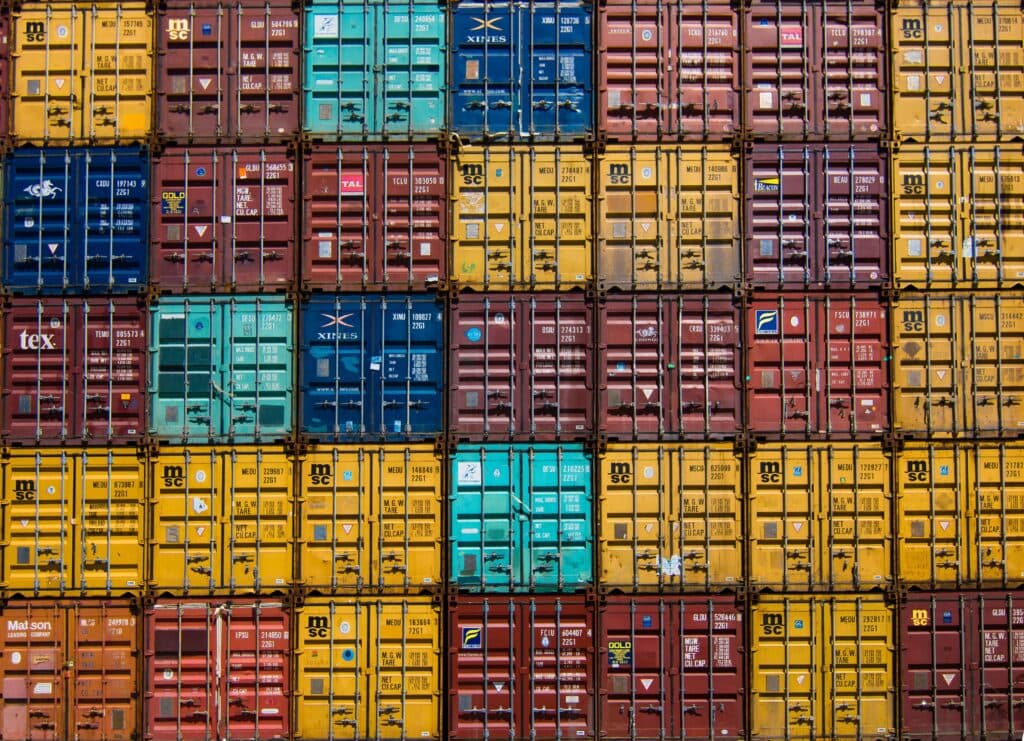

The Importance of Partnerships in Supply Chain Management
As we dive into the intricacies of supply chain management, it’s clear that partnerships stand at the helm of steering toward a resilient future. The landscapes have shifted dramatically in recent times, pushing businesses to adapt quickly and rethink their strategies in order to stay afloat.
The Recent Challenges
Global disruptions, such as alterations in tariffs and regulations, have thrown a heavy wrench into the works of traditional trading practices. The U.S. recently rolled out increased tariffs, adding layers of complication to an already complex global trade environment. Companies are feeling the heat, leading many to rapidly stockpile goods in warehouses, reconsider supplier relationships, and redesign their logistical networks worldwide. This kind of hustle isn’t new but has definitely been magnified by recent events, resembling a game of chess where the pieces keep moving on the board.
Supply Chain Disruptions
Moreover, entities like China are implementing export restrictions on rare earth metals, which have led some manufacturers, particularly in the automotive sector, to temporarily halt production. This reinforces the idea that disruption is becoming a norm that companies must prepare for, marking a shift in operational readiness.
Building Resilience in Supply Chains
Resilience in supply chains isn't just a buzzword; it's a necessity in this ever-changing landscape. Companies must move beyond merely "getting by" and develop robust systems of supply chain management. This is critical not just for survival, but also for those aiming to thrive in a competitive marketplace.
A Shift from Reactive to Proactive Strategies
For leaders in logistics and supply chain sectors, it's imperative to adopt a bird’s-eye view—seeing the entire forest rather than just the trees. The key to thriving in this climate is to avoid knee-jerk reactions to tariff-induced chaos. Such impulsive moves could inadvertently propel businesses into a deeper quagmire, triggering unforeseen vulnerabilities and disruptions.
Instead, organizations can veer towards a more strategic approach grounded in supply chain risk management. Embracing this idea means that the risks aren’t just addressed reactively; rather, they form the foundation of an organization’s supply chain strategy. With varied risks—ranging from tariff exposure to climate regulations—companies must consider how each facet interplays with their overall risk strategy.
Adopting a Holistic Risk Management Perspective
When evaluating risks, a thorough understanding of suppliers is essential. It’s easy for companies to focus solely on their tier-1 suppliers, neglecting to dig deeper into their supply networks. Research indicates that many organizations stop their intelligence-gathering efforts at just their immediate partners, thus opening themselves up to unseen risks that could derail operations.
Issues may arise due to outdated technologies or communication barriers with suppliers. It’s crucial for businesses to pivot towards real-time supplier intelligence, which includes acquiring true N-tier visibility across their networks. This allows companies to unearth potential risks lurking further down the supply chain.
Future-Proofing Supply Chains: The Way Forward
Adopting a proactive, modernized approach to supply chain operations is pivotal. The need for resilience has never been stronger, as firms are realizing that prioritizing cost efficiency above all can lead to cracks in their operations that allow challenges to seep through.
Challenges and Questions to Consider
Organizations now need to ask themselves the critical questions affecting their supply chains:
- Do we fully understand who our suppliers are throughout the entire supply chain?
- What hidden risks might be associated with specific suppliers?
- Are there human rights concerns within our supply networks?
- How are we impacted by changing tariff regimes and environmental regulations?
- What are the implications of geopolitical tensions on our global operations?
Navigating Toward a Collaborative Future
The future of supply chains lays heavily on the frameworks of strategic partnerships. Given that risks multiply as the global dynamics shift, collaboration becomes essential for not just survival, but adaptability. Companies are encouraged to forge relationships that foster transparency and active engagement across their supply chains.
A Final Thought on Personal Experience
In this intricate web of logistics, it’s good to remember that while reviews and feedback can offer a glimpse into what to expect, nothing really compares to hands-on experience. As organizations explore options for cargo transportation, GetTransport.com emerges as a reliable platform that promises affordability and global solutions tailored to a myriad of transportation needs. Whether it's an office move, transporting hefty furniture, or ensuring timely deliveries, the service's versatility is indeed a breath of fresh air in a hectic logistical environment.
Ultimately, understanding these dynamics is crucial for companies aiming to stay ahead. At GetTransport.com, businesses can tap into solutions that not only simplify logistics but also align perfectly with their needs, ensuring an efficient, cost-effective, and convenient way to handle all types of transportation challenges. The platform guarantees a greater sense of transparency and convenience, making it an ideal choice for organizations navigating the complex waters of logistics.
So as you gear up for your next logistics challenge, take a look at what GetTransport.com has to offer. Start paving the way to an efficient supply chain that meets diverse transportation needs, and who knows, you may find exactly what you're looking for. Book your Ride today!