


 Українська
  English (UK)
  Русский
  العربية
  日本語
日本語  한국어
한국어  Magyar
  Türkçe
  Español
  Čeština
  Svenska
  Português
  Ελληνικά
  Suomi
Suomi  Nederlands
  Română
  Italiano
  Français
  Polski
  Deutsch
  简体中文
简体中文  Slovenčina
 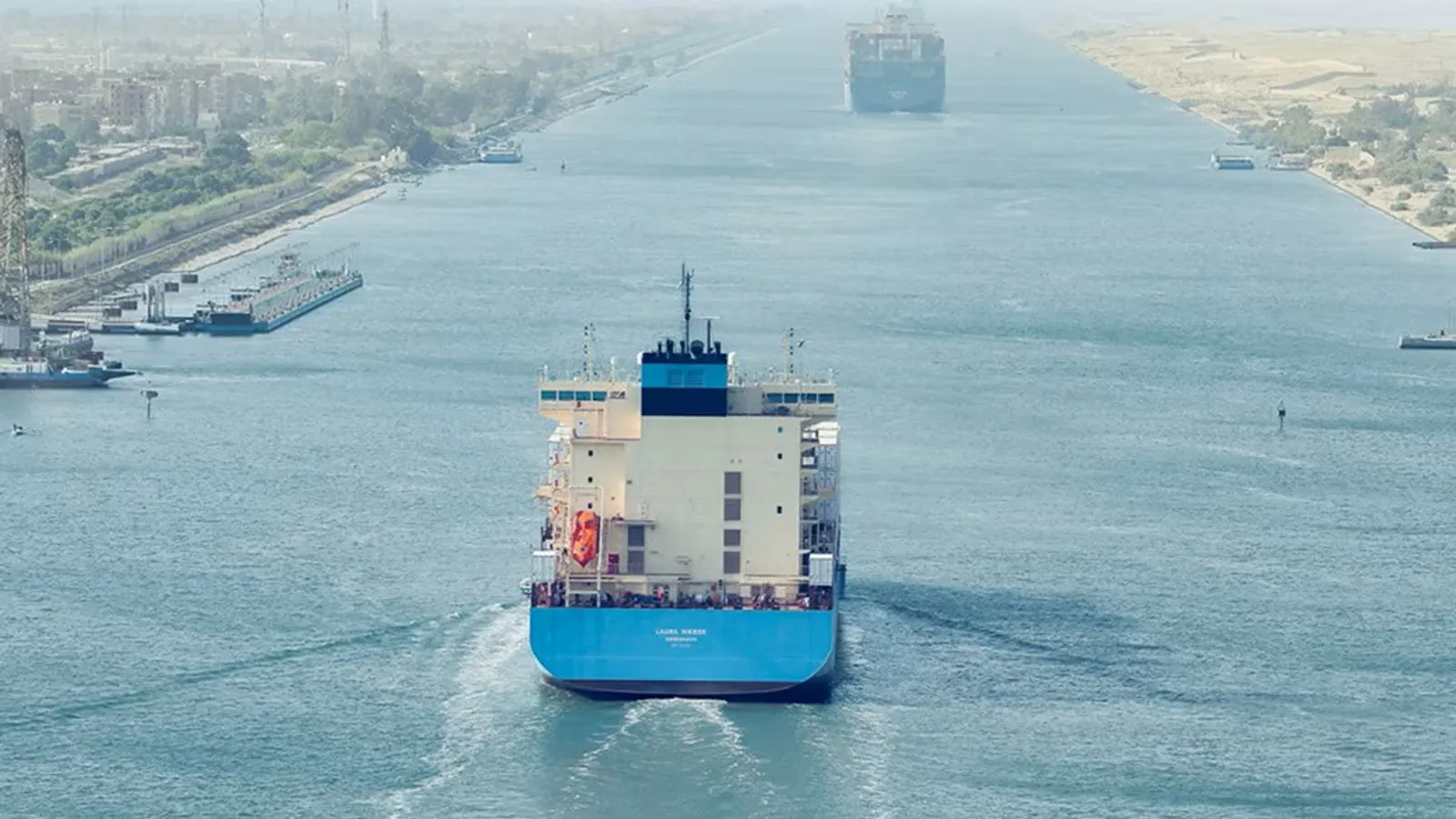 Maersk Resumes Suez Canal MECL Service While CMA CGM Reverts Some Sailings Around the Cape — What It Means for Shipping">

This piece examines how Maersk and CMA CGM have taken contrasting approaches to Red Sea and Suez Canal transits and what those choices mean for shippers and supply chains.
Two carriers, two playbooks
The shipping world saw a clear split in strategy when Maersk announced a structural return to the Suez Canal on its MECL service, while CMA CGM shifted some key services back around the Cape of Good Hope. Both moves respond to the same set of risks — Houthi-led attacks in the Red Sea since late 2023 — yet the carriers reached different operational conclusions.
What each carrier did
Maersk reinstated the MECL route: the westbound leg departed Jebel Ali on Jan. 15 and the first eastbound transits after the structural return left North Charleston on Jan. 10. The line made clear that any escalation in the region would trigger contingency plans to revert sailings back around Africa.
CMA CGM, which had been cautiously rolling services back through Suez over recent months, reversed some of that progress on Jan. 20 by rerouting vessels on its FAL 1, FAL 3 and MEX services around the Cape. Their update cited the “complex and uncertain international context” and said operations are being monitored closely.
Practical differences at a glance
| Перевізник | Recent action | Key services affected | Stated rationale |
|---|---|---|---|
| Maersk | Structural return to Suez (MECL) | MECL (Middle East/India ↔ U.S. East Coast) | Improved security assessment; contingency-ready |
| CMA CGM | Rerouted some sailings via Cape of Good Hope | FAL 1, FAL 3, MEX | Operational/commercial caution amid uncertainty |
Why the split makes sense — and why it’s messy for supply chains
Think of the choice like deciding between a shortcut through a busy tunnel or taking the scenic, longer route. Maersk is betting the tunnel is passable today; CMA CGM prefers the scenic drive until conditions prove stable in the long run. Both judgments are defensible, but they create headaches for shippers trying to plan accurate arrival windows and insurance coverages.
- Transit time volatility: Cape routings add many days to voyages, affecting inventory timing and working capital.
- Fuel and cost implications: Longer sailings raise fuel burn and overall freight rates — sometimes dramatically.
- Schedule reliability: Sudden switches in routing undermine predictability; blank sailings and re-stow plans follow.
- Insurance and risk appetite: Shippers and insurers may resist Suez transit until they feel comfortable with security assurances.
Industry voices and context
Analysts flagged operational drivers behind CMA CGM’s decision: many eastbound sailings were carrying empty containers or low‑priority backhaul cargo, making the Cape route commercially sensible during the upcoming peak loading around the Lunar New Year. Lars Jensen, CEO of Vespucci Maritime, noted this could be an operational and commercial choice rather than a pure security retreat.
At the same time, market watchers warn that flip-flopping routes is “toxic” for supply chains. Xeneta’s Destine Ozuygur emphasized that unpredictability erodes confidence and damages schedule reliability — a blunt truth for logistics planners juggling multiple touchpoints.
Operational checklist for shippers and logistics managers
Whether you’re a freight forwarder, an importer, or managing a distribution network, a few practical actions can reduce exposure when carriers change routing:
- Verify carrier notices and updated ETAs rather than relying on historical schedules.
- Confirm insurance clauses for Suez transits vs round‑Africa routings.
- Assess inventory buffers and reorder points to accommodate longer transit windows.
- Discuss contingency plans with your freight forwarder or 3PL, including alternate routing and transshipment options.
A quick checklist table
| Focus area | Immediate action |
|---|---|
| Schedule reliability | Request revised ETAs and plan for extra buffer days |
| Cost exposure | Compare spot rates for both routes and assess fuel surcharges |
| Страхування | Confirm coverage for high-risk transit zones |
| Capacity planning | Coordinate with warehousing to handle early or late arrivals |
What this means for global logistics — short forecast
In the near term, expect a continued patchwork approach: some carriers will test a return to Suez while others hedge by keeping Cape routings available. The net effect is greater variability in transit times and a potential uptick in freight costs during periods of re‑routing. Over several months, if security remains steady, more carriers may cautiously resume Suez transits, improving overall network efficiency; if not, longer Cape routings could become the norm again.
Why transparency matters
What carriers like Maersk and CMA CGM are doing highlights the need for transparent, timely information across the logistics chain. When plans change, rapid communication between carriers, forwarders, and shippers can reduce wasted truck moves, idle warehouse time, and missed production windows — all of which hit the bottom line.
On GetTransport.com, you can order your cargo transportation at the best prices globally at reasonable prices. The platform’s transparency and wide choice make it easier to adapt to routing swings and keep deliveries on track. Start planning your next delivery and secure your cargo with GetTransport.com. Book your Ride GetTransport.com.com
Key takeaways and what to watch
Highlights: Maersk has signaled cautious optimism by structurally returning MECL to Suez; CMA CGM has opted for operational prudence by routing several services around the Cape. The split underscores that strategic decisions about transit lanes are driven by a mix of security assessments, cargo composition, insurance considerations, and seasonal demand cycles like Lunar New Year. Yet even the best analyses and reviews can’t substitute for first-hand experience — nothing beats testing a lane with your own cargo to see how it performs in practice.
In short, this divergence is important to logistics teams because it affects вантажоперевезення rates, shipments timing, and overall network resilience. Whether you handle parcels, pallets, containers, or bulky вантаж, keeping an eye on carrier notices and having flexible forwarding options is key.
Maersk’s MECL move and CMA CGM’s Cape reroute are not merely headline fodder; they are operational decisions that ripple through the entire supply chain. For anyone managing транспорт або розподіл, the lesson is to plan for variability, keep insurance and inventory strategies aligned, and maintain open lines with carriers and forwarders. When the dust settles, platforms that offer affordable, global cargo transportation and transparent options will help smooth the bumps — whether for a housemove, commercial shipment, or oversized haulage. GetTransport.com aligns with those needs by making booking and comparing options straightforward, ensuring you can secure the most efficient and cost‑effective solutions for international and domestic shipments involving судноплавство, пересилання, відправленняі haulage.