


 Українська
  English (UK)
  Русский
  العربية
  日本語
日本語  한국어
한국어  Magyar
  Türkçe
  Español
  Čeština
  Svenska
  Português
  Ελληνικά
  Suomi
Suomi  Nederlands
  Română
  Italiano
  Français
  Polski
  Deutsch
  简体中文
简体中文  Slovenčina
 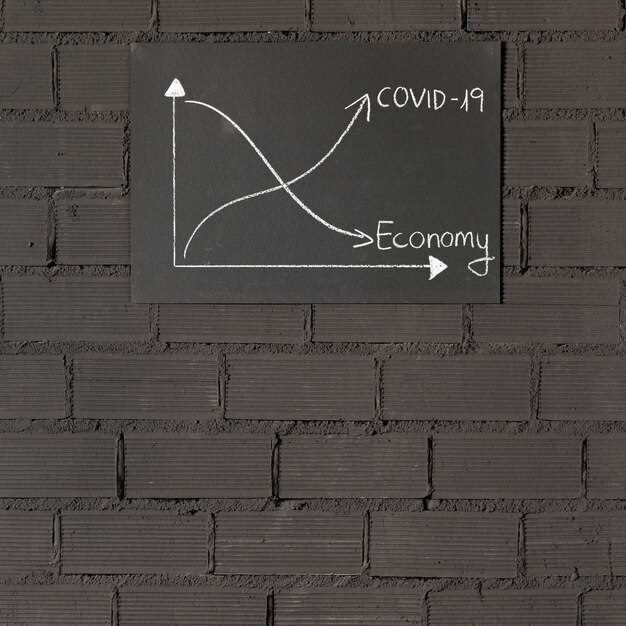 Економічний прогноз на 2022 рік – уповільнення та структурні зміни">

Take a cautious budgeting approach for 2022: prioritize essential expenditures and build liquidity buffers. The responses from policymakers and businesses will shape the outlook, as shown by the eurozone data and global trends.
Global growth cooled in 2022, with inflation staying elevated and monetary policy tightening. In the eurozone, inflation averaged about 8–9%, energy costs remained volatile, and GDP growth reached roughly 3.5% for the year; unemployment hovered near 6.7% by year-end.
Policy responses combined tighter monetary conditions with targeted fiscal measures. Bankers tightened credit conditions, while governments deployed policies to cushion households from energy spikes and supply disruptions, causing tighter margins for many firms.
Structural changes are analyzed across sectors: automation, reshoring, and green investment reconfigure demand and productivity. The issue of energy transition costs is affecting investment patterns and expenditures across industries, though some regions accelerate decarbonization faster than others.
Labor markets have become increasingly dynamic: hiring in services cools while logistics tightens. Strikes and wage negotiations are going up in the hardest-hit sectors, affecting project timelines and staffing plans. The eurozone’s path to resilience rests on productivity gains, retraining, and prudent public finance management.
Recommendations for going into 2022 include: take a structured approach to risk management and effort to align expenditures with demand, diversify supply chains and preserve liquidity, accelerate digital investments to lift efficiency, monitor wage dynamics and inflation pass-through, and align policies with growth-friendly reforms that support investment.
Sectors most exposed to the slowdown and structural changes
Prioritize diversification of suppliers and flexible production capacity now to blunt the impact on the most exposed sectors. Begin by mapping bottlenecks in transportation chains, especially at port hubs, and renegotiate contracts to include adjustable delivery windows for high-value inputs. Secure liquidity with the bank for the coming months to weather demand swings and rising financing costs. As khanna notes, this subject requires practical steps that translate into lasting resilience by reducing exposure to single suppliers and tight margins, helping those firms facing the joint challenge of slowdown and structural changes avoid a slide back to pre-pandemic volatility.
Exposure by sector
- Transportation and logistics face persistent bottlenecks at port hubs and along corridors, with brexit frictions and container shortages pushing costs higher over months, as waves of outbreaks disrupt port operations.
- Automotive and general manufacturing rely on just-in-time contracts; exposure grows when input suppliers miss milestones, making flexible plans and supplier diversification essential.
- Consumer goods and retail show income volatility as households reallocate budgets; cross-border trade slows among market countries, requiring updated contracts that manage price swings.
- Construction and real estate endure funding constraints and planning delays; banks and bankers watch liquidity, raising lead times and project risk when material supply tightens.
- Energy, utilities, and related services face price cycles and demand shifts; the phenomena of price spikes call for tighter risk management and longer-term planning.
Modeling quarterly revenue scenarios and building cash buffers
Adopt a three-scenario quarterly revenue model linked to a cash-buffer policy and set concrete reforecast triggers. The model should anchor revenue into base, upside, and downside paths, and tie liquidity decisions to a defined buffer.
Inputs and drivers: unit volumes, product mix, pricing, FX, and supplier costs. Track issues in the supply chain, including bottlenecks and truck disruptions that would shift working capital needs. Include exposures such as soybeans and emissions-related costs in capacity planning. The usual approach combines market data with internal trajectory analysis.
Published industry data show that rates and incentives from policy changes can affect demand, adding volatility to quarterly results. This would influence both topline assumptions and the sensitivity of liquidity needs across scenarios, so align the model with macro and sector-specific signals.
Example scenario (quarterly): Base-case revenue = 100m; gross margin 30% → gross profit 30m; fixed operating costs 20m; EBITDA 10m. Downside: revenue 94m; gross profit 28.2m; EBITDA 8.2m. Upside: revenue 108m; gross profit 32.4m; EBITDA 12.4m.
Buffer policy: target reserves equal two quarters of fixed costs (2 × 20m = 40m) plus a working-capital cushion of 5m, totaling 45m. Maintain access to an undrawn revolver of 25m to cover gaps if needed and to absorb short-term disruptions without forcing abrupt cuts. This structure supports over-ride buffers during periods of higher risk or slower-than-expected receipts.
Decision rules: if cash balance falls below the 45m threshold, implement cost controls, cap discretionary spend, pause nonessential hiring, and renegotiate supplier terms to stretch payables. Reforecast within two weeks, and shift emphasis toward high-velocity revenue initiatives while preserving core capabilities. The approach would rely on clear triggers and rapid execution to preserve safety margins.
Risk management and mitigation: disruptions in logistics, such as truck delays or container shortages, can be mitigated by diversifying suppliers, nearshoring where feasible, and inventory pooling for critical components. Advanced analytics help forecast bottlenecks earlier, enabling proactive capacity adjustments. Emissions-related costs and regulatory shifts should be accounted for in supplier contracts and pricing strategies, with incentives for efficiency improvements that reduce overall exposure. In this setup, efficiency gains, disciplined capital allocation, and timely decisions are key to reducing the impact of adverse conditions.
Analysis cadence and governance: run quarterly reviews that compare actuals to the three scenarios, publish the results to leadership, and adjust assumptions based on observed trends. Use the insights to refine rates, incentives, and risk buffers, ensuring the model remains aligned with actual liquidity pressures and operational performance. This practice supports helping teams translate numbers into concrete actions and keeps the organization vigilant over overexposure to any single risk.
Labor market risks: unemployment, productivity, and wage dynamics
Open routes to reduce unemployment: implement targeted hiring subsidies for sectors facing shortage in talent, expand practical training linked to production chains, and improve job matching through efficient sourcing platforms. Over years, persistence and a well-structured approach can deliver results within months, then support is strengthened as the election cycle unfolds. Prioritize open, performance-based measures that secure skills for open roles and minimize usual delays in hiring.
Unemployment risk remains elevated in the eurozone, with shortage of skilled labor in health, logistics, and manufacturing contributing to slower job fill. The estimate for the coming quarter points to modest gains in jobs; then policy clarity supports hiring. Months of uncertainty can surge volatility, so stability matters. Because firms compete for a limited pool of qualified workers, wage dynamics begin to rise in open segments, which keeps inflation expectations in focus. Early indicators show that better alignment between training and employer needs reduces the time to secure a match and supports smoother payroll costs across long supply chains.
Wage dynamics have an increasing trend as slack narrows; in the latest months, estimated wage growth in open sectors rose to around 3-4% year-on-year, while productivity gains lag in several long production chains. Shortage of skilled workers persists in some segments, which adds pressure on wages and margins. This misalignment limits real income gains, urging firms to invest in upskilling and retention strategies. To secure higher performance, employers should offer modular training, flexible work arrangements, and faster internal promotion routes, which reduce turnover and build durable wage trajectories.
Policy actions

Direct subsidies for hiring in shortage sectors; expand apprenticeship programs with bank-backed funding; connect trainees with employers through efficient sourcing platforms; align training with long production chains to build durable pipelines; simplify entry for critical roles in health and logistics; monitor the estimate for the upcoming quarter and adjust budgets in early months; the bank view informs forecast updates; ensure durable results by tracking vacancy rates, time-to-fill, and wage indicators.
Monitoring indicators
Track the unemployment risk by sector and region; monitor the evolution of wages in open roles; observe productivity trends across key chains and production lines; watch the coming quarter estimate and monthly data; coordinate with eurozone authorities to calibrate policy; maintain an ongoing dialogue with industry groups to adjust routes for training and sourcing as needed.
Capex prioritization: defer vs accelerate under slower growth
Make deferral of non-core capex and targeted acceleration of high-ROI, risk-mitigating projects the default stance as deceleration bites revenue and cash flow. Use a 12-month payback threshold and examined ROI across scenarios, including supply-chain shocks and lockdowns, to ensure decisions respond to developments in the global market. Keep the mandate to preserve liquidity while supporting output and consumer-facing capabilities.
In practice, categorize projects into four buckets: maintenance and safety, productivity enablers, resilience against supplies and materials volatility, and demand-led enhancements. Some portfolios should shift toward securing critical inputs and delivery reliability, lowering costs through smarter sourcing, and aligning capex with fiscal policies that support essential sectors. allianz notes that policy shifts can alter ROI on cross-border investments, so executives should revisit plans on a regular cadence. khanna adds that explicit scenario testing improves the ability to respond to uncertainty and to adjust the portfolio when deceleration widens. Track output by region and customer segment to ensure alignment with consumer demand and to keep the portfolio adaptable.
| Варіант | Дія | Обґрунтування | Метрики |
|---|---|---|---|
| Defer | Delay non-mandate capex and preserve cash | Markets face massive deceleration; ROI is uncertain; supply chains remain fragile; reduces downside risk while preserving optionality for later delivery | Cash balance, deferred capex, risk-adjusted ROI |
| Прискорювати | Пріоритезуйте капітальні витрати з високим ROI та що забезпечують вихід з чітким періодом окупності | Де проекти знімають вузькі місця в матеріалах та постачанні, зміцнюють стійкість до локдаунів та покращують доступ споживачів до товарів | Інкрементний вихід, термін окупності, економія витрат, зниження ризиків |
Критерії відбору портфеля
Фільтрувати за стратегічною відповідністю існуючому портфелю, періодом окупності та стійкістю до глобальних збоїв. Пріоритезувати проєкти з доведеним покращенням у ланцюгах постачання, особливо там, де джерела матеріалів і контракти можуть скоротити терміни виконання. Вимагати консервативний прогноз витрат і надійний аналіз чутливості для обліку інфляції та змін у логістиці, які впливають на терміни поставки.
Фінансові механізми та управління ризиками
Виділіть невелику суму на непередбачені витрати для високопріоритетних інвестицій, профінансована за рахунок вільного грошового потоку, та обмежте прискорену капітальну експлуатацію визначеною часткою від портфеля, щоб захистити ліквідність. Вимагайте щоквартальних переглядів, які порівнюють фактичні показники з плановими, враховують зміни політики та перерозподіляють ресурси, якщо рентабельність інвестицій змінюється з урахуванням змін споживчого попиту та макроекономічних умов. Цей підхід дозволяє стратегії реагувати на невизначеність та відповідає мандату щодо забезпечення випуску продукції та довгострокової вартості.
Ланцюги постачання та індикатори інфляції, на які слід звертати увагу для своєчасного коригування
Впровадьте щотижневий перегляд ризиків постачання та зафіксуйте запас матеріалів на 6–8 тижнів для критичних компонентів, щоб пом’якшити стрибки цін і уникнути дефіциту. Встановіть чіткі тригери повторного замовлення на основі термінів виконання замовлень, потужностей і платежів, щоб забезпечити стійкість операцій проти волатильності.
Відстежуйте показники інфляції, на які звертають увагу ринки: ціни на енергію, ставки перевезення вантажів та оплата постачальникам. Якщо витрати на енергію зростають, а ставки за контейнери збільшуються, скоригуйте стратегії закупівель та ціноутворення, щоб захистити маржу.
Моніторинг кількох сигналів: замовлень, беклогу, заторів у портах та подій, що впливають на судна та логістику. Розвиток решорингу або диверсифікації постачальників може зменшити вплив на один регіон і зміцнити загальну стійкість.
Плануйте фінансування з довшим горизонтом; прибутковість облігацій та очікування щодо ставок допомагають визначати розподіл капіталу. Ніколи не покладайтесь на звичний короткостроковий підхід; створюйте ліквідні резерви, які згладжують цикли та дозволяють вам переживати раптові зміни.
Ключові показники, на які варто звернути увагу
Індекси цін на інфляцію, витрати на перевезення та ціни на енергоносії є ранніми сигналами тиску на всі ланцюги постачання. Відстежуйте дно циклів цін і контролюйте дефіцит, який може поширитися на кілька ринків. Перегляньте виробничі потужності постачальників, терміни доставки та умови оплати, щоб виявити проблемні моменти, перш ніж події посилять залишковий запас.
Стратегічні дії для компаній
Диверсифікуйте базу постачальників принаймні у двох ринках для кожного критичного вхідного компонента та прагніть до укладення довгострокових контрактів для фіксації цін та графіків відвантаження. Розглядайте можливості релокації виробництва, коли внутрішні виробничі потужності добре підготовлені до поглинання змін попиту. Формалізуйте постійний перегляд використання потужностей та умов оплати, щоб стабілізувати грошовий потік, одночасно використовуючи сценарне планування для оцінки впливу енергетичних шоків та коливань тарифів на перевезення. Цей підхід допомагає утримувати найбільші ризики керованими та підтримує стійкість вашої діяльності.