


 한국어
한국어  English (UK)
  Русский
  العربية
  日本語
日本語  Magyar
  Türkçe
  Español
  Čeština
  Svenska
  Português
  Ελληνικά
  Suomi
Suomi  Nederlands
  Română
  Italiano
  Français
  Polski
  Українська
  Deutsch
  简体中文
简体中文  Slovenčina
 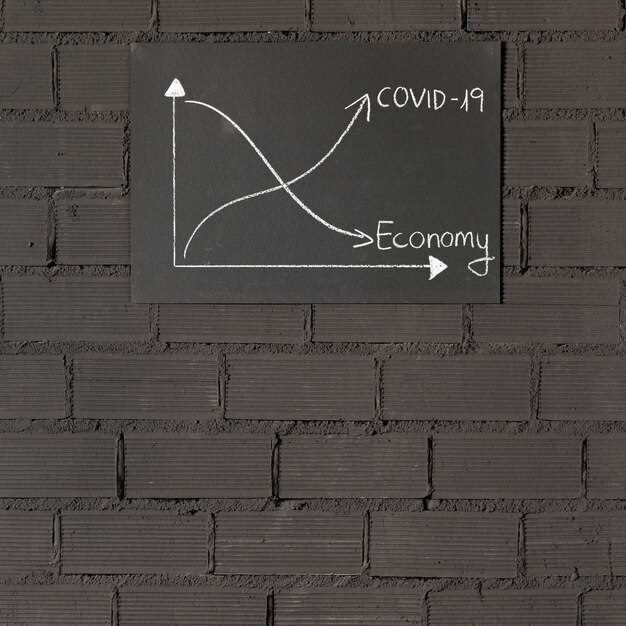 2022년 경제 전망 – 경기 둔화 및 구조적 변화">

Take a cautious budgeting approach for 2022: prioritize essential expenditures and build liquidity buffers. The responses from policymakers and businesses will shape the outlook, as shown by the eurozone data and global trends.
Global growth cooled in 2022, with inflation staying elevated and monetary policy tightening. In the eurozone, inflation averaged about 8–9%, energy costs remained volatile, and GDP growth reached roughly 3.5% for the year; unemployment hovered near 6.7% by year-end.
Policy responses combined tighter monetary conditions with targeted fiscal measures. Bankers tightened credit conditions, while governments deployed policies to cushion households from energy spikes and supply disruptions, causing tighter margins for many firms.
Structural changes are analyzed across sectors: automation, reshoring, and green investment reconfigure demand and productivity. The issue of energy transition costs is affecting investment patterns and expenditures across industries, though some regions accelerate decarbonization faster than others.
Labor markets have become increasingly dynamic: hiring in services cools while logistics tightens. Strikes and wage negotiations are going up in the hardest-hit sectors, affecting project timelines and staffing plans. The eurozone’s path to resilience rests on productivity gains, retraining, and prudent public finance management.
Recommendations for going into 2022 include: take a structured approach to risk management and effort to align expenditures with demand, diversify supply chains and preserve liquidity, accelerate digital investments to lift efficiency, monitor wage dynamics and inflation pass-through, and align policies with growth-friendly reforms that support investment.
Sectors most exposed to the slowdown and structural changes
Prioritize diversification of suppliers and flexible production capacity now to blunt the impact on the most exposed sectors. Begin by mapping bottlenecks in transportation chains, especially at port hubs, and renegotiate contracts to include adjustable delivery windows for high-value inputs. Secure liquidity with the bank for the coming months to weather demand swings and rising financing costs. As khanna notes, this subject requires practical steps that translate into lasting resilience by reducing exposure to single suppliers and tight margins, helping those firms facing the joint challenge of slowdown and structural changes avoid a slide back to pre-pandemic volatility.
Exposure by sector
- Transportation and logistics face persistent bottlenecks at port hubs and along corridors, with brexit frictions and container shortages pushing costs higher over months, as waves of outbreaks disrupt port operations.
- Automotive and general manufacturing rely on just-in-time contracts; exposure grows when input suppliers miss milestones, making flexible plans and supplier diversification essential.
- Consumer goods and retail show income volatility as households reallocate budgets; cross-border trade slows among market countries, requiring updated contracts that manage price swings.
- Construction and real estate endure funding constraints and planning delays; banks and bankers watch liquidity, raising lead times and project risk when material supply tightens.
- Energy, utilities, and related services face price cycles and demand shifts; the phenomena of price spikes call for tighter risk management and longer-term planning.
Modeling quarterly revenue scenarios and building cash buffers
Adopt a three-scenario quarterly revenue model linked to a cash-buffer policy and set concrete reforecast triggers. The model should anchor revenue into base, upside, and downside paths, and tie liquidity decisions to a defined buffer.
Inputs and drivers: unit volumes, product mix, pricing, FX, and supplier costs. Track issues in the supply chain, including bottlenecks and truck disruptions that would shift working capital needs. Include exposures such as soybeans and emissions-related costs in capacity planning. The usual approach combines market data with internal trajectory analysis.
Published industry data show that rates and incentives from policy changes can affect demand, adding volatility to quarterly results. This would influence both topline assumptions and the sensitivity of liquidity needs across scenarios, so align the model with macro and sector-specific signals.
Example scenario (quarterly): Base-case revenue = 100m; gross margin 30% → gross profit 30m; fixed operating costs 20m; EBITDA 10m. Downside: revenue 94m; gross profit 28.2m; EBITDA 8.2m. Upside: revenue 108m; gross profit 32.4m; EBITDA 12.4m.
Buffer policy: target reserves equal two quarters of fixed costs (2 × 20m = 40m) plus a working-capital cushion of 5m, totaling 45m. Maintain access to an undrawn revolver of 25m to cover gaps if needed and to absorb short-term disruptions without forcing abrupt cuts. This structure supports over-ride buffers during periods of higher risk or slower-than-expected receipts.
Decision rules: if cash balance falls below the 45m threshold, implement cost controls, cap discretionary spend, pause nonessential hiring, and renegotiate supplier terms to stretch payables. Reforecast within two weeks, and shift emphasis toward high-velocity revenue initiatives while preserving core capabilities. The approach would rely on clear triggers and rapid execution to preserve safety margins.
Risk management and mitigation: disruptions in logistics, such as truck delays or container shortages, can be mitigated by diversifying suppliers, nearshoring where feasible, and inventory pooling for critical components. Advanced analytics help forecast bottlenecks earlier, enabling proactive capacity adjustments. Emissions-related costs and regulatory shifts should be accounted for in supplier contracts and pricing strategies, with incentives for efficiency improvements that reduce overall exposure. In this setup, efficiency gains, disciplined capital allocation, and timely decisions are key to reducing the impact of adverse conditions.
Analysis cadence and governance: run quarterly reviews that compare actuals to the three scenarios, publish the results to leadership, and adjust assumptions based on observed trends. Use the insights to refine rates, incentives, and risk buffers, ensuring the model remains aligned with actual liquidity pressures and operational performance. This practice supports helping teams translate numbers into concrete actions and keeps the organization vigilant over overexposure to any single risk.
Labor market risks: unemployment, productivity, and wage dynamics
Open routes to reduce unemployment: implement targeted hiring subsidies for sectors facing shortage in talent, expand practical training linked to production chains, and improve job matching through efficient sourcing platforms. Over years, persistence and a well-structured approach can deliver results within months, then support is strengthened as the election cycle unfolds. Prioritize open, performance-based measures that secure skills for open roles and minimize usual delays in hiring.
Unemployment risk remains elevated in the eurozone, with shortage of skilled labor in health, logistics, and manufacturing contributing to slower job fill. The estimate for the coming quarter points to modest gains in jobs; then policy clarity supports hiring. Months of uncertainty can surge volatility, so stability matters. Because firms compete for a limited pool of qualified workers, wage dynamics begin to rise in open segments, which keeps inflation expectations in focus. Early indicators show that better alignment between training and employer needs reduces the time to secure a match and supports smoother payroll costs across long supply chains.
Wage dynamics have an increasing trend as slack narrows; in the latest months, estimated wage growth in open sectors rose to around 3-4% year-on-year, while productivity gains lag in several long production chains. Shortage of skilled workers persists in some segments, which adds pressure on wages and margins. This misalignment limits real income gains, urging firms to invest in upskilling and retention strategies. To secure higher performance, employers should offer modular training, flexible work arrangements, and faster internal promotion routes, which reduce turnover and build durable wage trajectories.
Policy actions

Direct subsidies for hiring in shortage sectors; expand apprenticeship programs with bank-backed funding; connect trainees with employers through efficient sourcing platforms; align training with long production chains to build durable pipelines; simplify entry for critical roles in health and logistics; monitor the estimate for the upcoming quarter and adjust budgets in early months; the bank view informs forecast updates; ensure durable results by tracking vacancy rates, time-to-fill, and wage indicators.
Monitoring indicators
Track the unemployment risk by sector and region; monitor the evolution of wages in open roles; observe productivity trends across key chains and production lines; watch the coming quarter estimate and monthly data; coordinate with eurozone authorities to calibrate policy; maintain an ongoing dialogue with industry groups to adjust routes for training and sourcing as needed.
Capex prioritization: defer vs accelerate under slower growth
Make deferral of non-core capex and targeted acceleration of high-ROI, risk-mitigating projects the default stance as deceleration bites revenue and cash flow. Use a 12-month payback threshold and examined ROI across scenarios, including supply-chain shocks and lockdowns, to ensure decisions respond to developments in the global market. Keep the mandate to preserve liquidity while supporting output and consumer-facing capabilities.
In practice, categorize projects into four buckets: maintenance and safety, productivity enablers, resilience against supplies and materials volatility, and demand-led enhancements. Some portfolios should shift toward securing critical inputs and delivery reliability, lowering costs through smarter sourcing, and aligning capex with fiscal policies that support essential sectors. allianz notes that policy shifts can alter ROI on cross-border investments, so executives should revisit plans on a regular cadence. khanna adds that explicit scenario testing improves the ability to respond to uncertainty and to adjust the portfolio when deceleration widens. Track output by region and customer segment to ensure alignment with consumer demand and to keep the portfolio adaptable.
| 옵션 | Action | Rationale | 메트릭 |
|---|---|---|---|
| Defer | Delay non-mandate capex and preserve cash | Markets face massive deceleration; ROI is uncertain; supply chains remain fragile; reduces downside risk while preserving optionality for later delivery | Cash balance, deferred capex, risk-adjusted ROI |
| Accelerate | Prioritize high-ROI, output-enabling capex with clear payback | Where projects relieve bottlenecks in materials and supplies, strengthen resilience against lockdowns, and improve consumer access to products | Incremental output, payback period, cost savings, risk reduction |
Portfolio screening criteria
기존 포트폴리오와의 전략적 적합성, 투자 회수 기간, 글로벌 혼란에 대한 회복력을 기준으로 필터링합니다. 특히 자재 소싱 및 계약을 통해 리드 타임을 단축할 수 있는 공급망의 납기 개선이 입증된 프로젝트를 우선시합니다. 보수적인 비용 예측과 납기 일정에 영향을 미치는 인플레이션 및 물류 변화를 포착하기 위한 강력한 민감도 분석을 요구합니다.
재무 메커니즘 및 리스크 관리
고수익 투자에 대한 소규모 비상 자금을 배정하고, 유동성 확보를 위해 잉여 현금 흐름에서 자금을 조달하며, 가속화된 자본 지출을 포트폴리오의 일정 비율로 제한합니다. 분기별 검토를 통해 실적과 계획을 비교하고, 정책 변경에 따라 조정하며, 소비자 수요 및 거시 환경 변화에 따라 ROI가 변동할 경우 자원을 재분배해야 합니다. 이러한 접근 방식은 불확실성에 대한 전략적 대응력을 유지하고 생산량과 장기적 가치를 보호하라는 명령과 일치합니다.
적시 조정을 위해 주시해야 할 공급망 및 인플레이션 지표
주간 공급망 위험 검토를 시행하고 가격 급등을 완화하고 부족을 방지하기 위해 중요 투입재에 대해 6~8주 분량의 자재 버퍼를 확보하십시오. 리드 타임, 생산 능력, 결제액을 기준으로 명확한 재주문 트리거를 설정하여 변동성에 대한 운영 복원력을 유지하십시오.
시장이 주시하는 인플레이션 지표 추적: 에너지 가격, 운임, 공급업체 지불액. 에너지 비용이 상승하고 컨테이너 운임이 오르면 마진 보호를 위해 조달 및 가격 책정 전략을 조정하십시오.
주문, 미처리 주문, 항만 혼잡, 선박 및 물류에 영향을 미치는 이벤트 등 여러 신호를 모니터링합니다. 리쇼어링 또는 공급업체 다변화의 발전은 단일 지역에 대한 노출을 줄이고 전반적인 복원력을 강화할 수 있습니다.
더 긴 안목으로 자금 조달 계획을 세우십시오. 채권 수익률과 금리 기대치는 자본 배분을 안내하는 데 도움이 됩니다. 일상적인 단기적 사고방식에 의존하지 말고, 경기 순환을 완화하고 갑작스러운 변화에 대처할 수 있도록 유동성 완충 장치를 구축하십시오.
주요 주시 지표
물가 상승률, 운송 비용, 에너지 선물 지표는 공급망 전반의 압박에 대한 조기 신호를 제공합니다. 가격 주기의 바닥을 추적하고 여러 시장에 파급될 수 있는 부족 현상을 감시하십시오. 공급업체의 생산 능력, 배송 시간, 결제 조건을 검토하여 이벤트로 인해 남은 완충 장치가 강화되기 전에 스트레스 포인트를 식별하십시오.
기업의 전략적 행동
각 주요 투입재에 대해 최소 두 개 시장으로 공급망을 다각화하고, 장기 계약을 추진하여 가격 및 선적 슬롯을 확보하십시오. 국내 생산 능력이 수요 변화를 흡수할 수 있는 유리한 위치에 있다면 국내 복귀 옵션을 모색하십시오. 현금 흐름을 안정화하기 위해 설비 가동률 및 지불 조건에 대한 지속적인 검토를 공식화하고, 에너지 충격 및 운임 변동의 영향을 측정하기 위해 시나리오 계획을 활용하십시오. 이러한 접근 방식은 가장 큰 위험을 관리 가능한 수준으로 유지하고 운영의 복원력을 유지하는 데 도움이 됩니다.