


This article is available in several public languages. Choose the version you need.

Act now: implement a dual-sourcing strategy and build inventories to blunt tariff shocks. Diversify suppliers across regions and build building networks that spread risk; these steps will reduce dependency on a single market. Maintain service levels for core SKUs by keeping higher inventories without overstocking, and align production calendars with tariff news to stay responsive.
Tariff levels on apparel have been implemented in waves, pushing landed cost up by percentages that vary by product and region. In several lines, duties have reached the mid-20s, though average increases hover in the low to mid-teens, challenging margins for retailers. These shifts were felt across suppliers and led to more frequent re-sourcing decisions. To weather the changes, map supply routes through diverse regions, including brazil, and build models that predict cost impact under different scenarios. While taxes add to the cost base, proactive planning can limit disruption.
The tariff lever invites a portfolio reshaping, with nearshoring and regional hubs to cut lead times. This opportunity lets brands improve margins while sharpening speed to market, and these actions were implemented to stay durable. Building blocks in the Americas, including brazil, create a more robust network; though challenges remain, the direction is clear.
To protect profitability, set clear thresholds for tariff exposure and taxes, monitor inventories turnover, and align supplier terms with demand signals. Use dashboards to track lead times, unit costs, and currency moves; this will help predict volatility and reduce risk. The goal is to maintain service without sacrificing margins, and to respond quickly through reciprocal supplier agreements when rates shift.
Part A1: Direct Cost Impact on Fabric and Garment Imports
Adopt a dual-sourcing approach for fabrics and garments to limit tariff exposure and stabilize margin across seasons. Track landed costs by country, tariff line, and shipment, updating the model monthly to anticipate shifts through policy changes. Use the lever of longer-term supplier deals to lock price terms when volumes grow, and renegotiate upfront freight and duty terms where possible. Maintain a balance between offshore sourcing and domestic options, ensuring inventories stay at a profitable level during tariff volatility.
Map sourcing corridors for fabric and garment inputs, noting which shipments fall under cafta-dr preference and which rely on india. In the north american market, shifting a portion of fabrics to cafta-dr can reduce landed costs on select categories, while india-based textiles offer favorable price per meter for synthetic blends. Build a governance window for tariff classification changes so a proactive response can be executed within 4-6 weeks. Track margin by line and adjust pricing with premium channels plus partnerships with retailers like mytheresa.
Implement a tight cost-tracking routine to capture tariff impacts on landed price across fabrics and garments. Aim for a truce with key suppliers to stabilize MOQs and pricing during tariff swings. Monitor shipments for delays and adjust inventories to prevent stockouts while keeping cost-to-serve under control. Use a single margin model per supplier and channel, with sensitivity tests to two digit tariff movements and freight spikes. The result is a lasting balance between service levels and cost discipline as production shifts between india, north america, and other regions.
In practice, trade-offs appear: tariff relief on some imports from CAFTA-DR can offset higher costs elsewhere, while tariff increases on certain fabrics may require a price change or product mix shift. Build scenario planning for 3- to 6-month horizons and maintain a dashboard of tariffs, shipment status, inventories, and margin per SKU. This approach keeps operations resilient and supports market competitiveness, allowing brands to manage the window of tariff volatility with disciplined cost controls.
Part A2: Tariff Classification, Valuation, and Compliance Costs
Hire a dedicated tariff and valuation team and build a centralized HS code library for all apparel lines. This will reduce misclassification and the resulting overpayments, and it enables faster, more predictable year-over-year budgeting for costs.
Establish a fiscal-year forecast of compliance costs and implement a quarterly dashboard that tracks classification accuracy, landed costs per SKU, and changes in duties under cafta-dr and other preference programs. Have the executive sponsor review results monthly to ensure action on gaps.
Under cafta-dr, eligible apparel can benefit from duty reductions when origin criteria are met. Map each product to its origin rules, collect supplier declarations, and keep documentation such as bills of materials and mill certificates. This approach supports margins and reduces total landed cost over the year.
Valuation accuracy matters: verify the correct transaction value, including adjustments for royalties, assists, and any related-party pricing. Prepare customs valuation memos for complex items and keep transfer pricing documentation available for audits. Incorrect valuations drive penalties and higher costs.
Compliance costs drivers include training, data quality, and recordkeeping. To reduce these costs, pre-classify lines before shipments, automate data capture from suppliers, and use pre-clearance where available. This reduces prices variability and lowers risk of delays.
Diversifying sourcing regions, such as incorporating cambodia-based capacity for specific garments, can reduce unit costs, but you must assess capacity and lead times. Dramatic shifts in sourcing mix require clear governance and regular risk assessment to avoid bottlenecks and limited capacity impacting delivery.
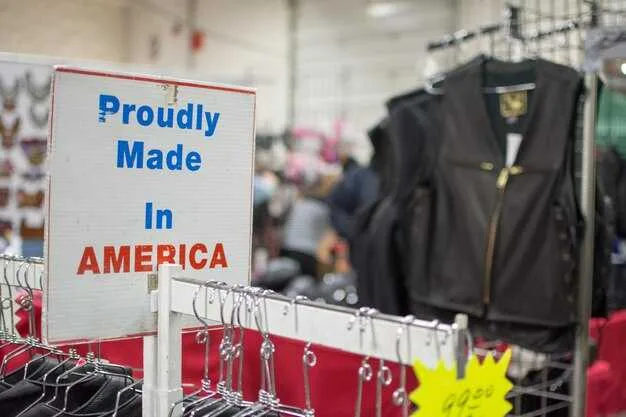
America-based brands benefit from tighter integration between sourcing and compliance. Close collaboration with manufacturing partners helps ensure origin data are accurate at the factory level, reducing the need for post-clearance corrections and supported by consistent reporting on costs and timelines.
LinkedIn posts by lauren, an executive in america's fashion manufacturing, show that teams with proactive tariff data see shorter clearance times and lower penalties. Use these insights to drive cross-functional alignment between sourcing, logistics, and legal teams.
For the next 12 months, finalize the HS code library, train suppliers on data quality, implement a standard set of valuation rules, and track key metrics such as costs per shipment, days to clearance, and audit findings to quantify gains and risks.
Part B: Nearshoring Viability and Supplier Diversification
Move 20-40% of cut-and-sew volumes to nearshore facilities in Mexico within the next quarter to blunt tariff-driven cost increases and shorten lead times.
Currently, Asia-based sourcing adds long transit times and higher risk during disruptions; nearshoring reduces transit to a fraction of that, improving visibility and inventory velocity throughout the season.
Actions taken now drive a medium-term shift in the supplier base, balancing cost, speed, and quality while protecting margins despite tariff policy changes. Those actions are supported by a diversified network that includes certain regional partners and other suppliers in the region. India can play a role for components like trims or packaging, but the core assembly should stay nearer to the U.S. market to minimize landed costs.
- Nearshoring viability
- Geography and transit: Mexico-based facilities can reduce cycle times by 40–60% versus Asia, with domestic trucking options stabilizing delivery throughout a season.
- Cost structure: nearshore labor and freight savings offset incremental factory costs, especially for medium-velocity product families (tees, knit bottoms, basic jackets).
- Quality and compliance: establish shared quality gates, joint audits, and standardized specs to shorten the time from approval to full production.
- Supplier diversification plan
- Full diversification: maintain at least three qualified suppliers per product family in the nearshore region and two additional offshore partners for high-complexity items in other regions.
- Risk coverage: categorize suppliers by capability, with backups for capacity shocks and currency volatility; build a cross-functional scorecard to monitor performance quarterly.
- Network resilience: map logistics routes to avoid single points of failure; develop alternative freight lanes and port options to protect volume flow.
- Execution by quarter
- Q1: select pilots (2–3 suppliers in Mexico), establish short-cycle sampling, align tech specs, and test 2–3 SKUs across a full season.
- Q2: scale to additional SKUs, lock in fixed-price or tariff-hedged arrangements, and finalize contingency plans with regional logistics partners.
- Q3–Q4: expand to other nearshore sites in Central America if capacity allows; review performance and adjust volumes for the next year.
- Policy and financing considerations
- Monitor tariff developments and preferential trade programs; model increased duties to protect margins and avoid thin profit lines on high-volume items.
- Leverage supplier finance programs and payment terms to maintain liquidity during transition periods.
- Conduct regular price reviews with suppliers to reflect current policy changes and volume commitments.
To accelerate decisions, click to view an interactive supplier map that highlights nearshore and other regional options, with capacity, lead times, and risk indicators. The approach covers a full spectrum of product lines, ensuring those mid-season replenishments stay on plan while reducing exposure to volatility in any single region.
Challenges remain, including ramping quality across new facilities and aligning seasonal production calendars with U.S. demand. In practice, a balanced mix of nearshore and selective offshore partners provides flexibility during peak volumes and helps manage protecting margins as tariffs shift. Historically, those who invest in diversified networks and clear governance see faster onboarding, steadier on-time delivery, and improved cost forecasting across multiple quarters.
Part C1: Inventory and Lead Time Management Under Tariff Pressure

Lock long-term supplier contracts and create a buffer of 6–8 weeks for core styles to stabilize supply and reduce tariff-driven margin pressure. With a disciplined order cadence, you protect service levels and avoid costly rush shipments.
Current tariff pressure has raised landing costs by 12–20% on base imports, while inflation adds 3–5% annual price pressure. Reprieve windows are uncertain, and retaliatory duties could expand; we expect the effect to be felt across multiple categories, particularly discretionary fashion and mid-market lines. They will demand tighter inventory controls and smarter sourcing to preserve value.
Segment items by risk: base essentials versus discretionary lines. For base items, target fill rates above 98% with tight re-order points; for non-base items, keep lean safety stock and flexible replenishment windows. Seeing demand shifts early lets teams adjust orders without sacrificing service or margin.
Strategic levers for inventory resilience
Intentionally diversify across regions and suppliers, including indian manufacturers, to reduce dependency on a single country. Build partnerships with manufacturers and logistics providers that can adjust lead times and capacity during tariff surges; many suppliers can switch inputs or re-prioritize production. Use medium-term contracts to lock pricing for next 6–12 months, which helps stabilize planning and reduce volatility.
Operational playbook and data signals
Develop a baseline forecast at SKU level and update weekly; run scenario analysis for tariff shocks, including retaliatory duties; align with market analysis and inflation indicators, and set triggers to adjust orders. For critical items, reserve capacity early and secure freight slots to protect timing and value across channels.
Baseline lead times across top SKUs run 6–10 weeks from order to shelf; tariff pressure can extend this 2–4 weeks, particularly for imports from high-tariff regions. Therefore place orders 4–8 weeks earlier for affected items to preserve on-shelf date; for indian suppliers, begin production and shipping 6–8 weeks earlier to account for production and transit delays.
Part C2: Pricing, Currency Risk, and Profitability under Tariffs
Recommendation: Price core textile goods in the buyer’s currency whenever feasible and hedge FX exposure to lock margins for the next 6-12 months; apply tariff pass-through selectively where price sensitivity is low and customer value justifies it.
Map pricing by country, separating base cost, tariff impact, and currency effect. For each market, test three points: base price, tariff-inclusive price, and tariff-absorbed price; select the option that preserves profit while keeping content and brand value clear to customers.
Currency risk requires a mix of natural hedges and financial hedges. In practice, invoice in the buyer’s currency where buyers exist, use FX forwards for residual exposure, and run quarterly hedge effectiveness reviews; maintain liquidity buffers to absorb sudden moves.
Tariffs in textile goods currently rise in several markets, creating costs that risk compressing profit. in brazil, reciprocal tariffs and input costs can amplify this effect. lauren, a sourcing professional, recommends diversifying suppliers and building reciprocal sourcing options where policy allows to cushion margins and preserve performance.
Guidance for professionals: negotiate dynamic tariffs with partners to share risk, document sourcing changes in contracts, and align with customers on price timing; content used in communications should explain tariff impact without overpromising; partnerships with suppliers in strategic regions help stabilize supply and cost structure.
Operational metrics: monitor gross profit per country, tariff delta, currency translation effects, and customer retention; track country-by-country profitability to decide where to invest or rework sourcing; the content of this analysis should feed into decisions and procurement strategy.