


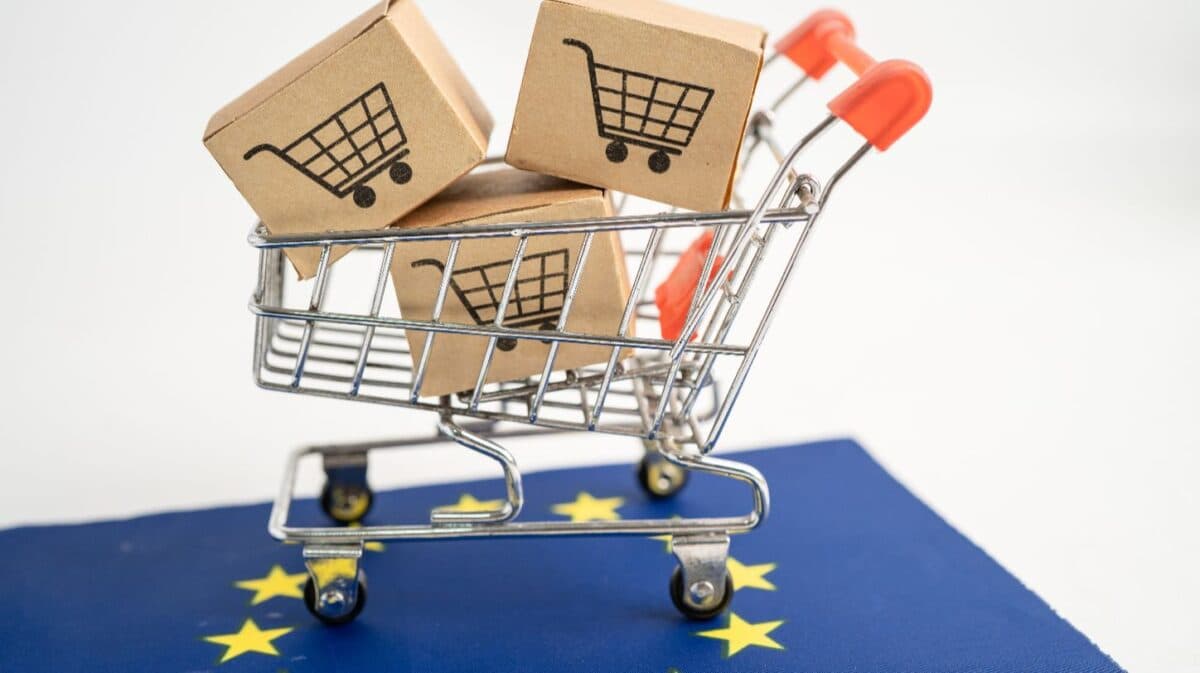

New Customs Duty on Small Parcels: An Overview
Starting 1 July 2026, a fixed customs duty of €3 will be applied to all small parcels entering the European Union valued below €150. This move aims to address current irregularities in cross-border e-commerce and commerce flows, with the measure expected to affect approximately 93% of all e-commerce shipments into the EU.
Small parcels, which have so far enjoyed duty-free entry, will now be subject to this fixed fee, creating a more level playing field for EU-based sellers while targeting health, safety, and fraud concerns linked to the unchecked import of low-value goods.
Scope and Application of the New Duty
The €3 duty will pertain to goods imported into the EU by non-EU sellers who are registered with the EU’s import one-stop shop (IOSS) system used for VAT purposes. It is important to note that this duty is separate from the proposed handling fee connected with the broader EU customs reform planned for 2028.
This interim duty will remain in place until a final customs framework is implemented, at which time conventional tariffs will apply to low-value goods under €150, according to the appropriate product classifications.
What This Means for Businesses and Consumers
The impact of this flat customs duty is anticipated to ripple across businesses, especially those relying heavily on small-parcel imports for e-commerce operations. Importers and sellers outside the EU, including those from Great Britain, will face additional customs fees and potentially unique handling charges in different EU member states. This adds new layers of cost and administrative complexity, squeezing profit margins and potentially reducing competitiveness.
Industry Insights
- Businesses must prepare for higher import costs and more customs bureaucracy.
- The “friction-free” e-commerce environment many have built might see real hurdles ahead.
- Consumers may feel the pinch as import fees could raise prices or reduce product options.
Global Context: Similar Changes Worldwide
This reform echoes similar policies adopted elsewhere. On 29 August, the USA eliminated its 'de minimis' exemption for goods valued under US$800, subjecting many small shipments to full import duties and fees. The UK government, in its Autumn Budget, also outlined plans to end duty relief on imports below £135 by March 2029.
Such changes mark a global trend toward tightening customs controls on small parcels, driven by a need to protect domestic retailers, curb fraud, and enhance regulatory oversight.
Comparison Table: Customs Duty Changes Globally
| Region | De Minimis Threshold | Change Effective Date | Duty Implementation |
|---|---|---|---|
| European Union | €150 | 1 July 2026 | Fixed €3 duty on small parcels |
| United States | US$800 | 29 August 2023 | Full customs duties and fees |
| United Kingdom | £135 | March 2029 | Abolition of customs duty relief |
Logistics and Supply Chain Implications
The new duty introduces more steps—and costs—into the logistics chain for small parcel shipments into the EU. This is more than just a customs matter; it’s a pivotal shift that could influence how companies plan their freight, haulage, and international shipping strategies.
Freight forwarders and courier services may see an uptick in demand for customs brokerage and tax management services. With more parcels requiring declaration and duties, companies specializing in distribution, moving, and forwarding have an opportunity to assist with compliance, reducing delays and penalties.
Potential Effects on Cargo Transport Planning
- Increased operational complexity: More paperwork and customs documentation required.
- Cost recalibration: Shipping providers and movers need to factor in customs duty charges in pricing models.
- Supply chain adjustments: Businesses might rethink sourcing or distribution routes to minimize costs.
How This Affects Global Movers and Shipping Companies
International house moves, bulky cargo shipments, and vehicle transports might experience indirect effects. Even though shipments over €150 are already subject to customs duties, the new regime tightens the oversight on smaller parcels, influencing the efficiency and cost-effectiveness of multicultural logistics hubs and cross-border dispatch operations.
The Takeaway for Businesses and Consumers
Understanding the implications of this fixed customs duty is critical. It represents the EU’s balancing act—protecting local businesses while trying to adapt to the booming era of e-commerce, which has radically transformed global buying habits and shipping flows. For many firms, this means adjusting their international trade and transport logistics to stay competitive.
Summary of Key Points
- €3 fixed customs duty applies from July 2026 on parcels valued below €150 arriving in the EU.
- Measure aims to reduce unfair competition and tackle fraud and safety issues.
- The duty applies to sellers registered under the EU’s IOSS for VAT collection.
- Similar customs tightening seen in the US and UK.
- Logistics and shipping firms must adapt to increased customs responsibilities and costs.
Choosing the Right Transport and Shipping Platform
While these customs changes might sound like a headache, they also highlight the importance of working with transport platforms that make shipping simpler, more reliable, and cost-efficient. GetTransport.com stands out by offering affordable, global cargo transportation services suited for various needs—from household moves and bulky goods to vehicle and parcel shipments.
Final Thoughts and How to Benefit
The upcoming customs duty shift underscores the evolving landscape in international freight and shipping, tightening controls on small parcels and shifting how companies and consumers navigate global trade. Yet, it’s worth remembering that no amount of reviews or forecasts can replace firsthand experience.
With GetTransport.com, users gain access to the best global prices for cargo transportation, helping them avoid surprises and unnecessary expenses. The platform’s transparency, extensive network, and user-friendly interface provide an edge in planning reliable, cost-effective transport, no matter the shipment size or nature.
Book your cargo transportation with GetTransport.com and navigate this new customs environment with confidence and ease.
Looking Ahead: Impact on Global Logistics
Though the introduction of this fixed customs duty may seem like a minor adjustment on the global scale, its relevance resonates deeply within the EU market, a major hub of international trade. For logistics providers, freight forwarders, and shipping companies, it signals a necessity to stay agile and informed as international customs and trade regulations evolve.
GetTransport.com keeps pace with such developments, ensuring that shipments—be they parcels, pallets, or bulky goods—remain on track and within budget. Start planning your next delivery and secure your cargo with GetTransport.com.
Conclusion
The imposition of a €3 fixed customs duty for small parcels entering the EU from July 2026 marks a significant development in e-commerce logistics and customs regulations. This change aims to create fairness for EU sellers while addressing safety and fraud concerns, even as it introduces new considerations for freight, forwarding, and international shipping. The trend mirrors global moves towards tighter customs control on small shipments, affecting logistics operations and pricing strategies worldwide.
Everyone involved in global moving, parcel transport, or large-scale shipment forwarding will need to adapt. And with the help of efficient platforms like GetTransport.com, managing these logistics shifts is not just possible but also cost-effective and hassle-free, providing reliable solutions across borders for office moves, home relocations, and the transport of vehicles and bulky goods alike.