


 简体中文
简体中文  English (UK)
  Русский
  العربية
  日本語
日本語  한국어
한국어  Magyar
  Türkçe
  Español
  Čeština
  Svenska
  Português
  Ελληνικά
  Suomi
Suomi  Nederlands
  Română
  Italiano
  Français
  Polski
  Українська
  Deutsch
  Slovenčina
  7 Steps to Design a Logistics Network – A Practical Guide">

Start with a concrete recommendation: define service expectations and map demand before choosing a mode. Define service levels for every region and customer segment, then set expectations for transit times and fill rates. They should be designed to be capable of meeting demand with minimal inefficiencies. Consider demand by ZIP or postal code and group volumes into several regional clusters. This first step helps lower costs by aligning the mode mix with actual transit performance. This guide outlines seven concrete steps to design a logistics network.
Next, design the node layout: place 3–5 regional hubs and 2–3 local depots per hub to cover every major market. Use a data-driven model to define capacity, observe bottlenecks, and uncover inefficiencies along inbound and outbound lanes. Align flows to reduce transit times and set input buffers to handle peak volumes. With cross-docking and mode mix optimization, you can achieve lower stock levels and faster replenishment, affecting several product families in parallel.
In the mode decision, compare air, truck, rail, and ocean options for each lane. Build a baseline mix to meet expectations while controlling cost. Consider cross-border transit constraints and customs times; bench 2–3 scalability scenarios to handle demand growth of several percent per year; ensure technology supports dynamic re-routing.
Model the network with a lightweight optimization or heuristic: choose the node roles, inventory policies, and mode allocation that minimize total landed cost under service constraints. Use a 2- to 4-week planning horizon and simulate every disruption scenario: port congestion, facility downtime, or carrier capacity cuts. This helps you manage risk and target reduced inefficiencies to address in the design phase.
Prepare a phased implementation: pilot at two regions, monitor defined KPIs, and adjust the network within 60 days. Define the expectations for service levels and targets to improve service; track on-time delivery, order fill, and transit variance. They should be capable of meeting demand with a lower asset footprint and tighter inventory.
Finally, embed a governance cadence: review the network quarterly, refresh demand forecasts every month, and adjust the hub-and-spoke design as volumes grow. The result must be a network that is designed to scale, offers clear cost trajectories, and is capable of adapting as customer expectations evolve. With disciplined tracking, you will improve service while reducing total cost and lower fixed assets over time.
Concrete actions to shape a scalable, reliable distribution system
Map your current logistics network into a layered modeling of processes across levels to identify bottlenecks and capacity gaps within 48 hours. Capture data on inventory, carrying costs, and shipped volumes by origin and destination, and define target service levels. This baseline informs decisions and supports rapid alignment across teams.
- Establish a centralized data backbone by tying WMS, TMS, ERP, and supplier feeds into a single data model. Define a cross-functional manager role and set nightly data refreshes with 15-minute alerts for exceptions. The result is faster, consistent decisions and fewer manual reconciliations.
- Build a multi-level network model that captures origin-destination flows, regional hubs, cross-docking lanes, and last-mile options. Use modeling to compare cost-to-serve across levels and to identify where to shift carrying capacity. Typically, centralizing inventory in strategic hubs reduces handling steps while preserving service.
- Map fulfillment options by product family and seasonality. Align inventory placement with demand signals across levels of fulfillment centers and carriers; set policies that minimize stockouts and reduce carrying costs. Consider safety stock at origin versus regional hubs and how it affects lead times.
- Run consolidated projects to test centralized versus decentralized setups; quantify the result in service levels and cost per order. Apply emerging technologies such as demand sensing and route optimization to forecast needs and select carriers. Involve the manager in regular reviews to ensure decisions stay aligned with strategy.
- Implement a pilot with fareyes real-time visibility to track shipped goods from origin to customer; integrate IoT sensors where feasible to monitor temperature, humidity, and transit times. Use the pilot to validate inventory accuracy and improve exception handling.
- Monitor performance continuously with dashboards that highlight significant changes in on-time rate, order cycle time, and fill rate. Schedule reviews frequently to adjust reorder points, safety stock levels, and carrier mix based on observed results and external factors.
- Scale and standardize successful patterns across sites with a governance playbook. Ensure the model remains flexible to capture emerging demand signals and to reallocate capacity as needed. This approach will become more robust as you scale, and you will also track inventory, fulfillment lead times, and carrying costs as you expand to new regions or product lines.
Step 1: Define service levels, demand patterns, and inventory targets
Define what service levels you offer and how they map to stock targets across their centers. Set a baseline fill rate: 95% for most items, 99% for critical SKUs, with a plan to respond within 24–48 hours for exceptions. Translate these targets into budget decisions and into measures of customer satisfaction.
- Service levels by item family and segment
Assign targets per SKU family and customer segment. Example targets: high-priority items 99% fill, medium-priority 95%, low-priority 90%. Include OTIF metrics and backorder tolerance. Use a platform to monitor performance across centers every week and adjust stock deployment accordingly. This keeps their centers aligned with what customers expect and boosts customer satisfaction.
- 需求模式和预测准确性
按周汇总每个 SKU 的总需求,并将其分类为基础、季节性和促销成分。建立一个能够捕捉季节性和趋势的全面预测。跟踪预测误差(MAPE 或 RMSE),并每月调整目标。促销和活动可能会导致需求波动,因此请纳入应急调整。数据驱动的预测可以显著减少缺货情况,并实现高效的补货;您可以快速响应变化,从而更敏锐地应对不断变化的需求和预算。.
- 库存目标和补货规则
按中心设置库存目标:分配安全库存以应对提前期变动和运输中断。ROP = 提前期需求 + 安全库存;使用 Z 值计算安全库存,以达到期望的服务水平(例如,95%的 Z=1.65)。示例:提前期 4 天,日需求 60 件,σDL 40 件,SS ≈ 66 件;ROP ≈ 240 + 66 = 306 件。确保在需求最高的地方提供库存; 在可行的情况下使用铁路以减少运输时间并提高交付可靠性。包括一些缓冲,用于峰值和中心间转移,以保持高服务水平。.
- 实施检查与绩效评估
每季度进行审计,以核实目标与实际情况是否相符。比较预算、库存周转率和客户满意度指标。如果绩效出现偏差,则调整需求计划输入,并在各中心之间重新分配资源。最终形成一个支持主动应对和高效库存管理的平台。.
步骤 2: 绘制当前网络:节点、流动和瓶颈

首先对当前网络进行映射:确定节点、流量和瓶颈。收集每个节点的输出,按模式(国际、空运、海运、公路、铁路、内陆和仓储)进行分类。建立一个包含容量、处理时间和当前利用率水平的节点列表。对于每个流量,跟踪数量、价值、交货时间和延误。使用简单的数据模板:node_id、location、capacity、current_throughput、lead_time、delays、supplier、known_bottleneck。应用一种区分实际性能与计划性能的衡量标准;每月更新该指标。通过计算影响 = 延误时间 x 频率,确定影响最大的瓶颈。然后确定哪些节点或链接限制了速度:常见的瓶颈包括信息缺口、容量短缺、漫长的海关周期、拥堵的腹地路线以及有限的多式联运选择。不仅要映射物理连接,还要映射信息流:订单信号、发货状态、异常警报和结算数据。使用地理视图查看哪些输出与需求对齐,并标记容量不满足需求的地方。查看供应商网络的服务水平:供应商节点、生产基地、配送中心和最后一英里合作伙伴。许多网络显示港口、内陆转运中心和越库点的延误;在可视化地图上标记这些点,并指定负责所有者。对于技术准备情况,请注意用于收集数据的工具:ERP、WMS、TMS、地理定位和 IoT 传感器;评估数据刷新的频率以及反映实时事件的速度。在一种应用方法中,从一个可以在特定产品系列和国际航线上使用的标准框架开始;这确保了一致的测量和更简单的比较。在定义当前情况后,设置基线指标:周期时间、准时全额交付率和单位运费成本。然后确定将改进工作集中在哪里,以及需要哪些输出来维持弹性。.
步骤3:评估拓扑选项:轴辐式、直接发货和交叉转运
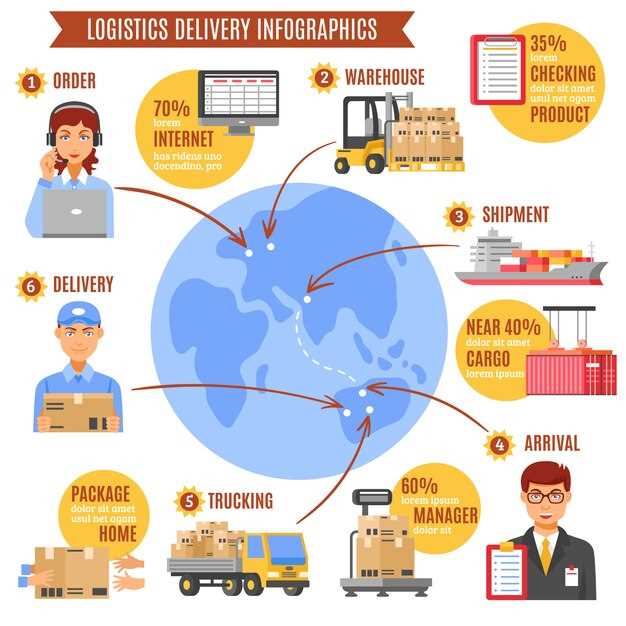
采用hub-and-spoke作为弹性区域网络的基准拓扑;实施一个中央枢纽,汇总来自制造商的 inbound 物流,并分发到消费者渠道。该平台允许跨模式(卡车、铁路、包裹)集中运输,并减少搬运,从而提高消费者的服务水平。计划分阶段推出,并配备备用设施,以在区域中断期间保持连续性。.
直接运输最适合精简的 SKU 组合,产品需求量大,且消费者对交货时间有严格要求的情况。实施从制造商到最后一英里的直接给消费者运输,或通过战略性的区域承运商网络进行运输。预计长途运输的周期时间将缩短 1-3 天,并且减少入库处理,但会增加出库里程和单位运输成本(约 5-10%),除非您有效地进行整合。这种拓扑结构也提供了灵活性,可以应对促销活动和需求变化,而无需承担中央枢纽的负担,并且它能很好地扩展需要优先考虑交付速度给消费者的项目。.
当入站和出站流程在可预测的时间表上对齐时,越库转运通过消除运输途中的存储来减少库存和处理。借助强大的 IT 和自动化,您可以进行实时调度,以便在同一天将产品从接收转移到发货。在典型的产品组合中,与传统仓储相比,库存持有量可以减少 60-70%,入站到出站的提前期可以缩短 40-60%,从而显著提高服务速度,同时减少与库存相关的资金占用。然而,越库转运需要可靠的供应商以及来自制造商的频繁、同步的发货。.
如何比较各种方案:定义一套通用标准——服务水平、到岸成本、库存周转率以及对需求波动的适应能力——并进行情景分析。分析每种拓扑对您技术堆栈和衡量框架的影响,包括 TMS、WMS 和 OMS 集成。进行试点,跟踪可衡量的结果,如准时交货率、破损率和库存天数。根据结果决定是否在所有地区实施相同的拓扑,或者根据市场定制混合方案,同时考虑消费者期望和地区限制。对于需求模式不同的其他地区,混合拓扑可能是最佳选择。这种以分析驱动的方法可帮助您平衡直接发货的灵活性与枢纽辐射型或交叉转运配置的效率,从而提供一种具有弹性的设计,该设计可随项目和市场条件的变化而扩展。.
第四步:对多种情景下的成本、服务水平和风险进行建模
构建一个符合您的目标并提供明智选择的多场景成本和服务模型。allyn框架指导您绘制铁路、公路、海运和空运的固定成本和可变成本;捕获诸如准时交货、订单满足率和无损性能等服务水平;并量化不同需求和中断模式下的风险。.
定义至少三个场景:基线情景、需求激增情景和供应中断情景。针对每种情景,分别指定概率并计算运输、仓储、装卸和包装的成本。跟踪服务水平和风险影响:准时率、订单准确性、库存可用性和上市速度。.
数据输入包括按运输方式(铁路、公路、航空、海运)的成本、运输时间、持有成本和加急选项。 经常刷新输入数据,并保持供应商、承运商和仓库之间的可见性。 确保模型能够在关键参数发生变化时进行调整; 这需要跨职能部门的数据所有权和明确的治理。.
建模方法包括蒙特卡洛模拟和情景树;运行 1,000 多次迭代以生成预期成本、服务缺口和风险度量。将结果呈现为范围和概率,以支持知情决策,而不是单一的点估计。捕获每个情景的一些结果,并将它们与您的目标进行比较,以确定下一个最佳选项。.
确定实现下一个目标的最优模式组合,同时保持服务水平高于目标值并限制下行风险。使用敏感性分析来了解哪些输入对结果影响最大,并在合同和产能承诺中建立灵活性。提供可执行的建议以及试点和规模化的后续步骤。.
实施:部署一个轻量级仪表板,按场景跟踪单位成本、准时交付率、库存可见性和产能利用率。每月审查,调整概率,并简化物流运营,以保持铁路、公路和其他运输方式的无缝执行。这种方法为盟友提供了一条清晰的途径,以提高成果并保持货物顺畅流通。.
第五步:制定包含里程碑、负责人和 KPI 的实施计划
围绕三个工作流程制定实施计划:技术集成、服务设计和变更管理,同时保持灵活性,以适应不断变化的需求和依赖关系。.
制定一个里程碑级联,指定负责人,并将KPI与分析输出相关联。 对于每个里程碑,指定负责人、目标日期以及您将用于评估进展的数据。.
建立一个集中式治理模型,包括全球项目办公室、区域负责人和一个每周召开会议的跨职能指导委员会;明确升级路径和决策权。.
创建一个沟通计划,以保持客户团队的协调一致,并定期向利益相关者提供更新。请注意您将如何收集反馈并将其转化为计划中可执行的变更。.
整合技术需要验证ERP、TMS和WMS之间的接口;在构建过程中,维护一个动态的待办事项列表,并通过创建仪表板,向管理者和操作员发送实时洞察。请注意您将如何优化流程并吸取经验教训,以优化国际服务的推广。.
| Milestone | 说明 | Owner | Timeline | KPIs | Data sources | Status |
|---|---|---|---|---|---|---|
| 里程碑 1:最终确定基线设计并批准预算 | 整合运输流程、承运商组合和服务水平;验证国际线路;与客户需求保持一致。. | Program Manager | Week 2 | 批准的预算;单位基准成本;已定义的基准服务水平 | 企业资源规划 (ERP)、运输管理系统 (TMS)、仓库管理系统 (WMS)、承运商协议 | Planned |
| 里程碑 2:选择并测试技术栈 | 原型集中式分析仪表板;测试与TMS/ERP的集成;设置数据治理。. | IT主管 | Week 4 | 连接测试成功率; 数据延迟; 用户验收测试得分 | API 日志、测试用例、用户反馈 | Planned |
| 里程碑 3:制定运输和路线策略 | 定义运输线路、服务频率、承运商合作伙伴;与客户服务目标保持一致。. | 网络规划主管 | Week 6 | 每英里路线成本;准时交付率;定义的服务级别数量 | TMS、WMS、承运人评分卡 | Planned |
| 里程碑 4:关键区域的试点阶段 | 与选定的承运商一起试运行;收集关于服务水平和成本的分析数据;调整计划。. | Regional Ops Lead | 第 8–10 周 | 试点成本与基线对比;发货准确率;客户对试点的反馈 | 运营报告,反馈表 | Planned |
| 里程碑 5:规模化实施并监控性能 | 在所有区域展开;建立自动化仪表板;启动持续改进循环。. | Program Manager | 第12周+ | 准时发货率;订单周期时间;部署覆盖率;分析正常运行时间 | ERP、WMS、TMS、BI工具 | Planned |