Get The App


Transport & Logistics Writer
Alexander Petrunin covers freight and logistics markets across Europe, the United States and the CIS — from country guides for Portugal, Spain and France to cross-border trucking and carrier licensing. His articles focus on practical guidance for shippers and carriers: routes, pricing factors and regulation.
Freight from Memphis to Nashville: Tennessee’s Key Distribution Route
The freight route from Memphis to Nashville is a crucial logistics artery in Tennessee, connecting one of America’s busiest inland ports in Memphis with Nashville’s rapidly growing economic hub. Covering approximately 210 miles, this corridor facilitates fast and frequent transport of goods, including automotive components, food products, and healthcare supplies.

Freight from Portland to Seattle: Pacific Northwest Commerce Corridor
The freight route from Kansas City to Omaha is a critical logistics channel within the American Midwest. This corridor spans roughly 190 miles and links Missouri’s major rail and trucking hub with Nebraska’s commercial capital. It serves as a preferred route for moving agricultural equipment, packaged goods, retail freight, and light manufacturing supplies.

Freight from San Diego to Las Vegas: West Coast Inland Distribution Route
The freight route from San Diego to Las Vegas supports time-sensitive logistics between California’s port network and Nevada’s hospitality sector. At about 330 miles, it’s frequently used for high-turnover goods like food, furnishings, and electronics—especially during peak tourism seasons.
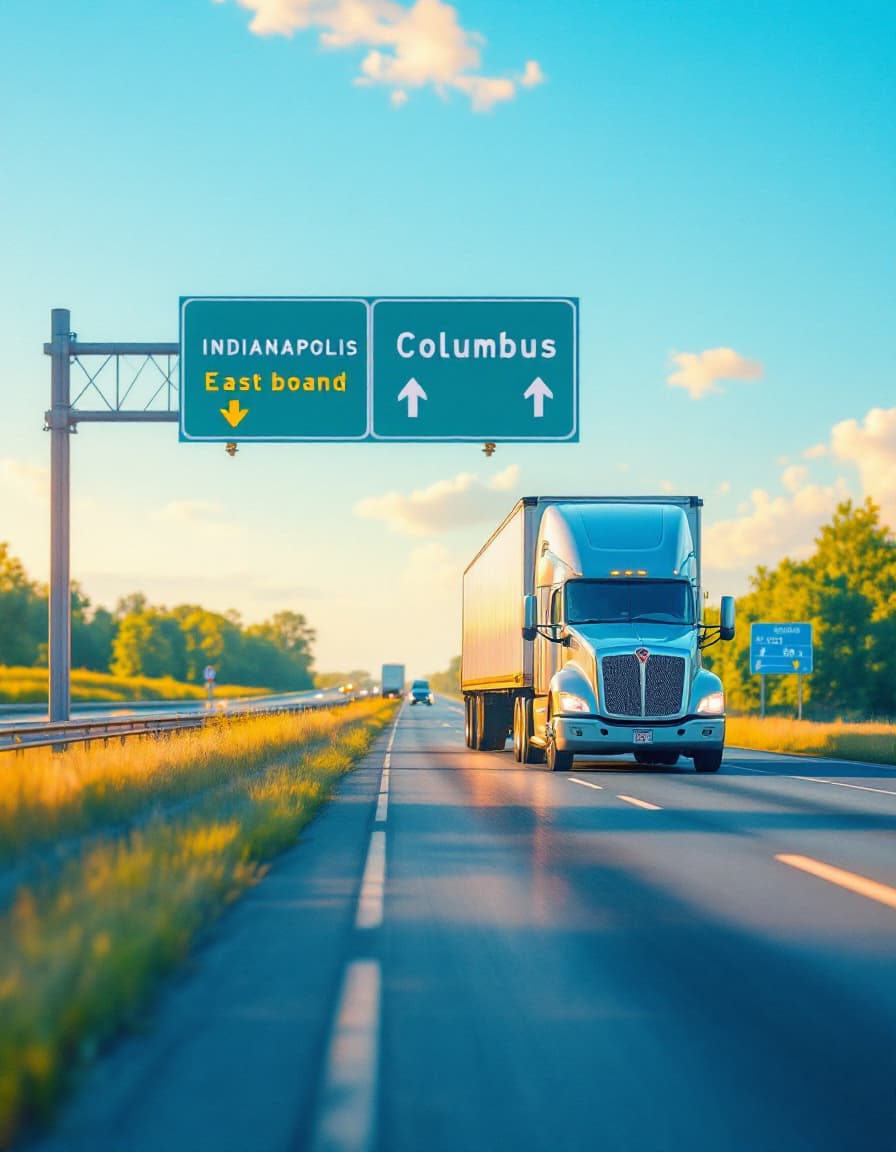
Freight from Indianapolis to Columbus: Midwest Manufacturing Logistics Route
The freight route from Indianapolis to Columbus connects two key Midwestern cities with strong industrial, automotive, and distribution sectors. Spanning approximately 175 miles, this route supports frequent regional shipments across Indiana and Ohio.
Freight from Phoenix to Albuquerque: Southwest Desert Supply Chain
The freight route from Phoenix to Albuquerque is a critical link between Arizona and New Mexico. It connects two economic centers in the American Southwest and supports freight flows between California ports and inland U.S. destinations. With a distance of approximately 420 miles, this route is ideal for one-day delivery and regional distribution. It is commonly used for industrial parts, food and beverage shipments, e-commerce distribution, and energy-related cargo. 🚚 Road Freight from Phoenix to Albuquerque: Direct and Scenic Highways Used: I-10 East and I-40 East Transit Time: 6–8 hours Cargo Types: Machinery, packaged goods, refrigerated products, electronics Advantages: Scenic and

Dallas–Austin Supply Freight: Connecting Central Texas Warehouses
The Dallas–Austin supply freight corridor is a high-demand route that links two of Texas’ fastest-growing cities. Dallas acts as a distribution powerhouse with nationwide shipping connections, while Austin is a booming tech and consumer market. Together, they drive significant in-state freight volume across various industries.
Freight from Dallas to Houston: Texas In-State Logistics Power Route
The freight route from Dallas to Houston is among the busiest in the southern United States. Connecting two of Texas’ largest metro areas, this corridor supports energy, retail, tech, and manufacturing sectors with a high volume of daily shipments.
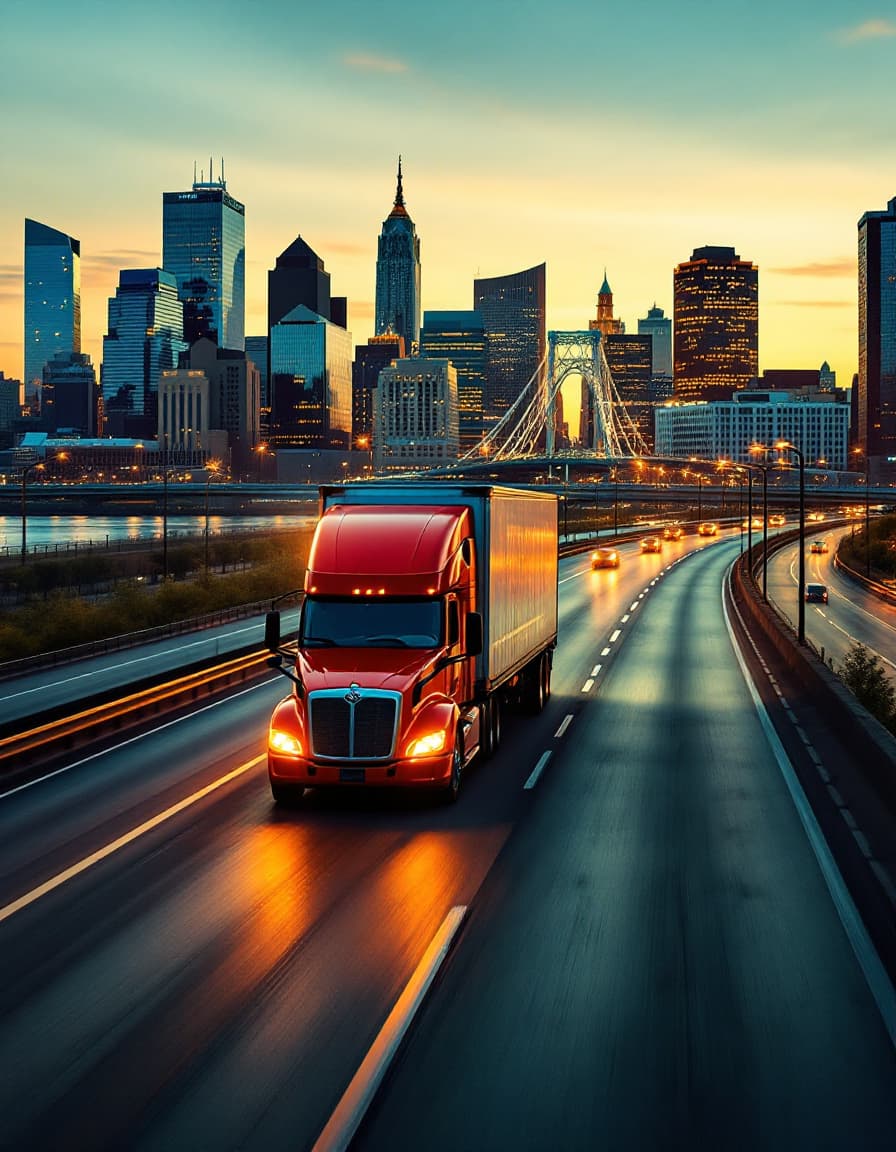
Freight from Boston to Washington, D.C.: Northeast Corridor Cargo Express
Overview: Freight from Boston to Washington, D.C. – The Urban Supply Chain Lifeline The freight route from Boston to Washington, D.C. is one of the busiest in the U.S. Northeast. It serves as a crucial logistics corridor connecting two capital cities — one political, the other commercial — with multiple major metro hubs in between, including New York City and Philadelphia. This corridor handles fast-paced freight for retail, pharmaceuticals, food service, and government supply chains, often with tight delivery timelines. 🚚 Road Freight from Boston to Washington, D.C.: High-Density Urban Freight Highways Used: I-95 Corridor Transit Time: 1–2 days depending on load type and delivery point
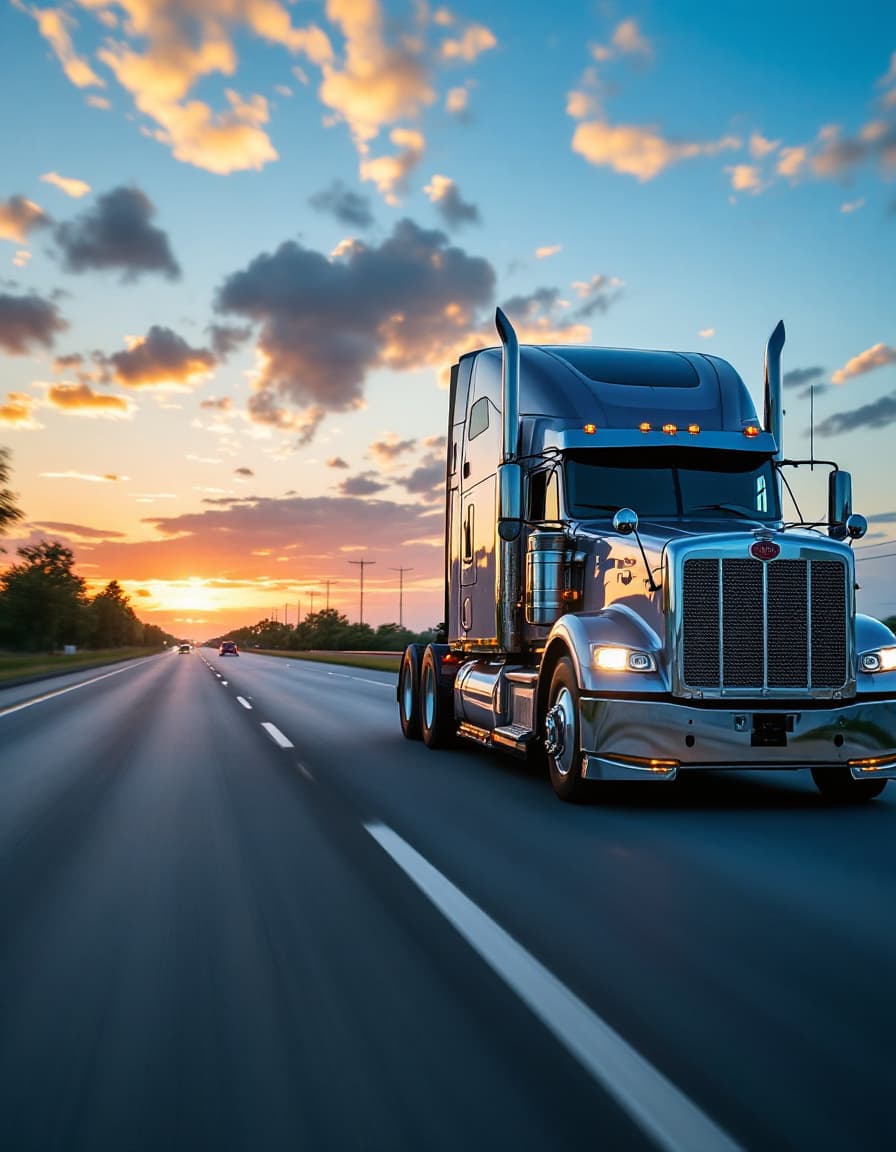
Freight from Miami to Orlando: Florida’s In-State Logistics Power Route
The freight route from Miami to Orlando plays a central role in Florida’s statewide supply chain. Miami’s seaport and international airport serve as key entry points for global goods, while Orlando is a distribution hub for central Florida’s retail, construction, and hospitality sectors.

Freight from Denver to Salt Lake City: Rocky Mountain Corridor Logistics
The freight route from Denver to Salt Lake City is a key connection across the Rocky Mountain region. This corridor links Colorado’s manufacturing and distribution centers with Utah’s growing tech, retail, and logistics sectors. With a distance of approximately 520 miles, it supports high-frequency freight shipments, including food, building supplies, and industrial cargo.

Qingdao to Irkutsk Freight Route
The Qingdao to Irkutsk freight route bridges one of China's key port cities with a vital industrial hub in Eastern Siberia. Qingdao is a major export center with access to ocean, rail, and road infrastructure, while Irkutsk serves as a logistical node along the Trans-Siberian corridor. This route is crucial for exporters aiming to reach Russian markets quickly and efficiently.
Tianjin to Krasnoyarsk Freight Route: Multimodal Logistics Across Siberia
The freight route from Tianjin to Krasnoyarsk supports growing demand for Chinese exports into central Siberia. Tianjin, located near Beijing, is a major seaport and manufacturing center. Krasnoyarsk, an economic hub along the Yenisei River, serves as a key gateway to Siberian industries and consumers.