Transport & Logistics Writer
Alexander Petrunin covers freight and logistics markets across Europe, the United States and the CIS — from country guides for Portugal, Spain and France to cross-border trucking and carrier licensing. His articles focus on practical guidance for shippers and carriers: routes, pricing factors and regulation.


Freight Transport in Germany 2025: Complete Logistics Guide
Freight transport in Germany plays a central role in Europe’s logistics network. In 2025, modern infrastructure and efficient transport options help businesses move cargo quickly and cost-effectively. Germany’s central location supports both domestic deliveries and international trade across the EU and beyond.

Road Freight Germany 2025: Autobahn Cargo Delivery Guide
Road freight in Germany is the most common way to move cargo domestically and across borders. In 2025, the Autobahn network and modern logistics hubs support fast and flexible delivery. Businesses use road transport for everything from local deliveries to international trade shipments.

Rail Freight Germany: Bulk Cargo and Intermodal Logistics Guide
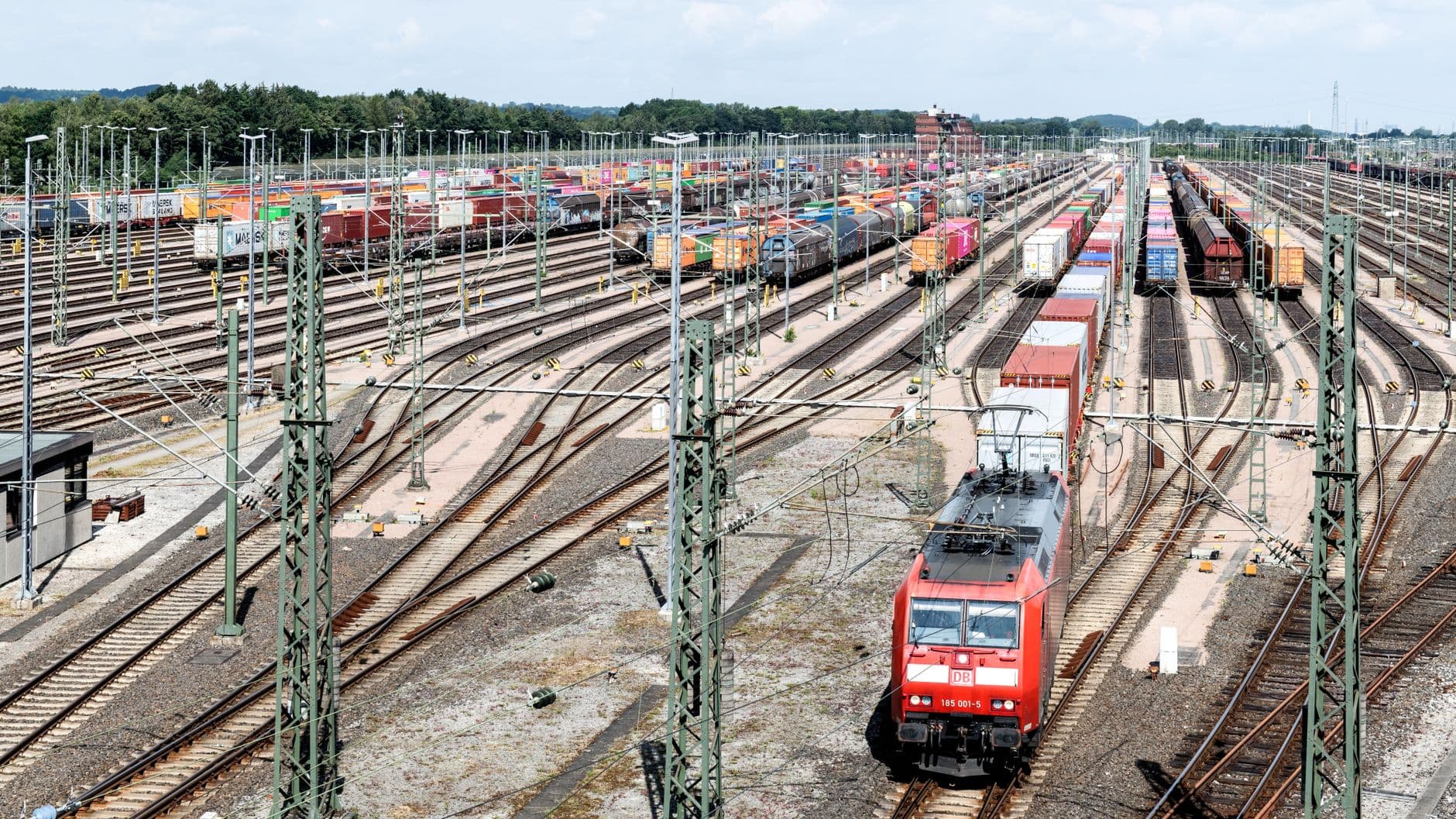
Rail freight in Germany is a cost-effective and eco-friendly solution for transporting bulk and containerized goods. In 2025, Germany’s rail network connects major industrial regions with European trade corridors. With modern terminals and intermodal options, rail transport supports smooth cargo movement across long distances.

Air Freight Germany: Fast Cargo Delivery and Booking Guide
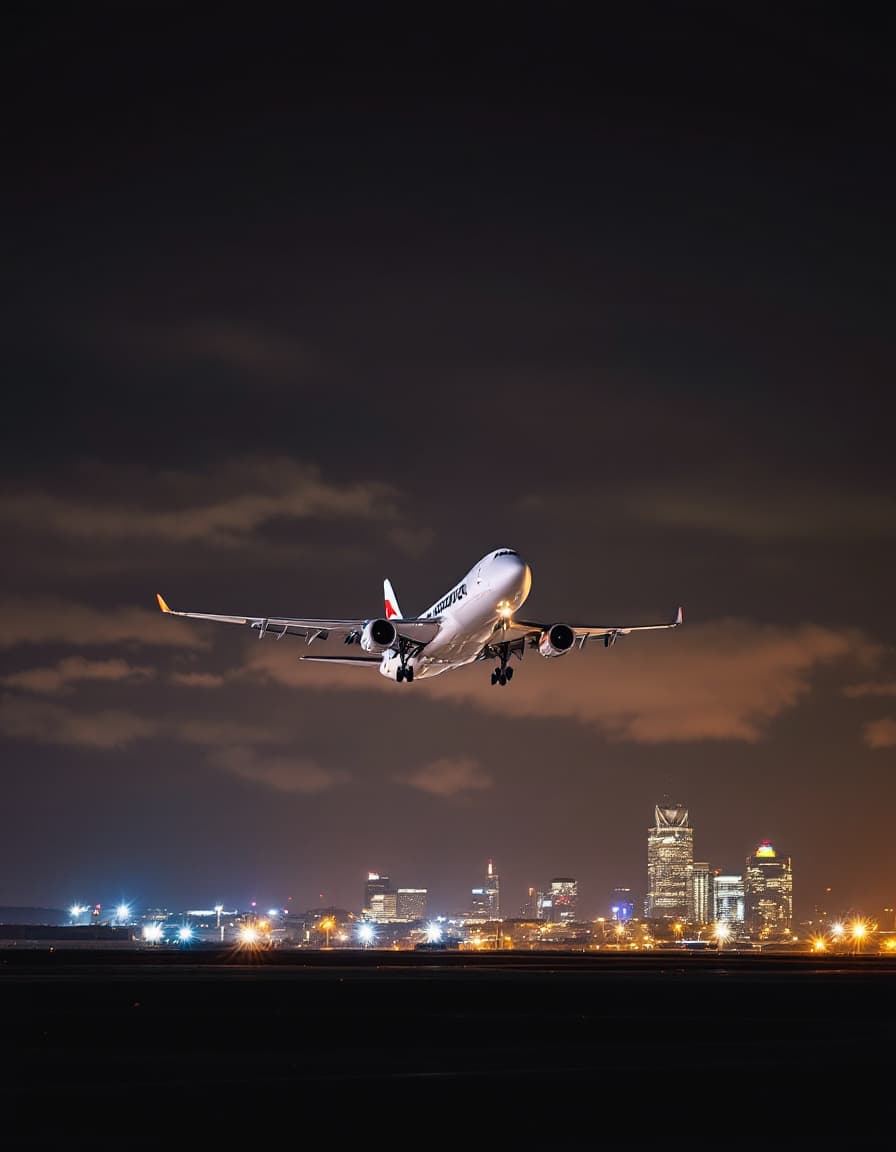
Air freight in Germany is essential for time-sensitive and high-value cargo. In 2025, major cargo airports like Frankfurt, Leipzig, and Munich connect Germany with global trade routes. Fast handling, secure storage, and digital booking systems make air cargo transport efficient for businesses needing quick delivery.

Sea Freight Germany: Hamburg and Bremen Ports Logistics Guide
Sea freight in Germany is vital to European and international trade. In 2025, the ports of Hamburg and Bremen serve as key gateways for moving containerized and bulk cargo. These ports connect Germany with Asia, North America, and other regions. Thanks to efficient logistics and digital booking platforms, businesses can now move sea cargo faster and with greater security.

Freight Germany to Poland 2025: Cross-Border Cargo Solutions
Freight transport from Germany to Poland supports key industries such as automotive, electronics, construction, and FMCG. In 2025, this route is among the busiest in Central Europe. With EU-standard infrastructure and digital logistics tools, cargo delivery across the Germany–Poland border is fast, compliant, and reliable.

Freight Germany to France and Benelux 2025: Western EU Cargo Guide
Freight transport from Germany to France and the Benelux countries (Belgium, Netherlands, Luxembourg) is essential for trade within Western Europe. In 2025, strong infrastructure, harmonized EU regulations, and advanced logistics systems enable seamless cargo delivery across borders. Businesses benefit from fast, reliable transport solutions connecting Germany to Paris, Brussels, Amsterdam, and beyond.

Local Freight Berlin: Urban Delivery and Logistics Solutions
Local freight in Berlin is essential for supporting the city's economy, including retail, construction, and e-commerce sectors. In 2025, urban logistics is shaped by sustainability goals, traffic regulations, and demand for fast delivery. Businesses rely on smart routing, eco-friendly vehicles, and digital platforms for efficient city transport.

Cold Chain Logistics Germany: Temperature-Controlled Transport Guide
Cold chain logistics in Germany is essential for moving temperature-sensitive cargo such as pharmaceuticals, food, and chemicals. In 2025, the demand for reliable, compliant, and efficient temperature-controlled transport is growing rapidly. Germany’s modern infrastructure, specialized vehicles, and digital tools support safe cold cargo delivery nationwide and across Europe.

Oversized and Heavy Freight Germany: Permits and Transport Solutions
Oversized and heavy freight transport in Germany requires meticulous planning, specialized vehicles, and regulatory compliance. In 2025, industries such as construction, energy, and manufacturing rely on efficient transport solutions for large machinery, turbines, steel structures, and other non-standard cargo. Germany's extensive road and rail infrastructure, along with digital booking tools, make complex logistics manageable and efficient.