Get The App


Transport & Logistics Writer
Alexander Petrunin covers freight and logistics markets across Europe, the United States and the CIS — from country guides for Portugal, Spain and France to cross-border trucking and carrier licensing. His articles focus on practical guidance for shippers and carriers: routes, pricing factors and regulation.

Securing a Freight MCP Server: OAuth 2.1, Tool Poisoning and Exposed Instances
Part three of the freight MCP series: once an agent can book real loads, how do you stop it booking the wrong thing for the wrong person? A vendor-neutral security model split by read versus write, OAuth 2.1 with PKCE for write tools, the tool-poisoning and exposed-instance problems, and what a marketplace server must enforce that a single carrier can skip.

New EAEU Customs Rules from July 2026: Shipping into Kazakhstan, Russia and the Union
From 1 July 2026 the EAEU gives cross-border e-commerce a defined customs regime (EEC Council decisions): the 200-euro per-shipment threshold stays, but above it a parcel carries 5% duty (at least 1 euro/kg) plus VAT under national rules, with Kazakhstan's VAT now 16%. Here is the operational read: who pays at the border, DDP vs DAP, and why a union-side warehouse becomes an edge.

Freight MCP Servers in 2026: Warp, CargoMART and What a Marketplace Server Must Expose
A side-by-side teardown of the freight MCP servers that actually shipped in 2026 (Warp, CargoMART, freightutils, Easyship): tool surfaces, where booking is gated, the quote-validity trap, stdio vs hosted HTTP, and what a multi-carrier marketplace server has to expose.
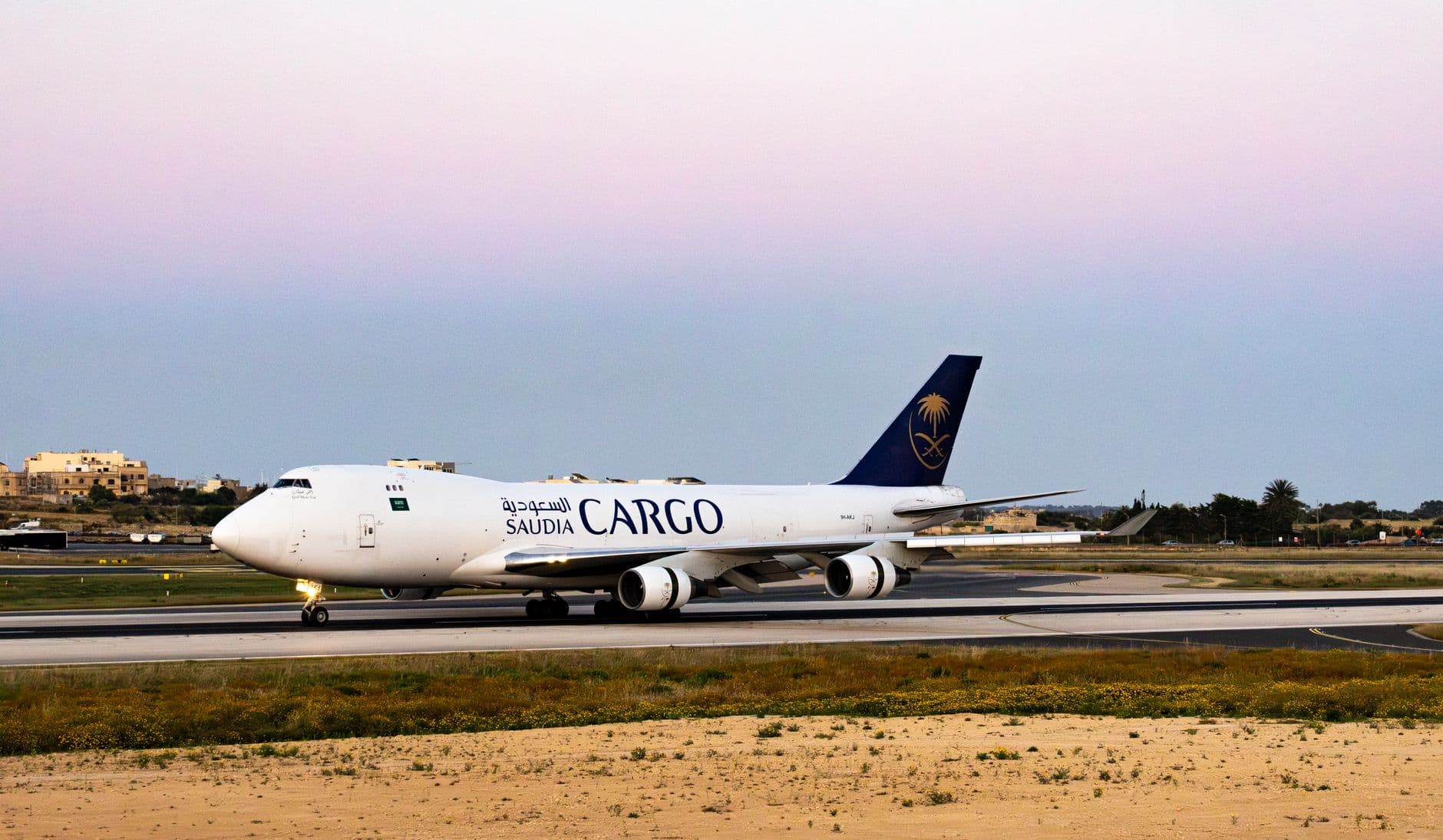
SABER & FASAH Explained: Saudi Import Certification Step by Step
Since October 2025 no shipment clears Saudi customs without a SABER certificate. Here is how SABER and FASAH work together, the PCoC vs SCoC difference, the step-by-step process, the 2026 HS-code change, and the top reasons certificates get rejected.
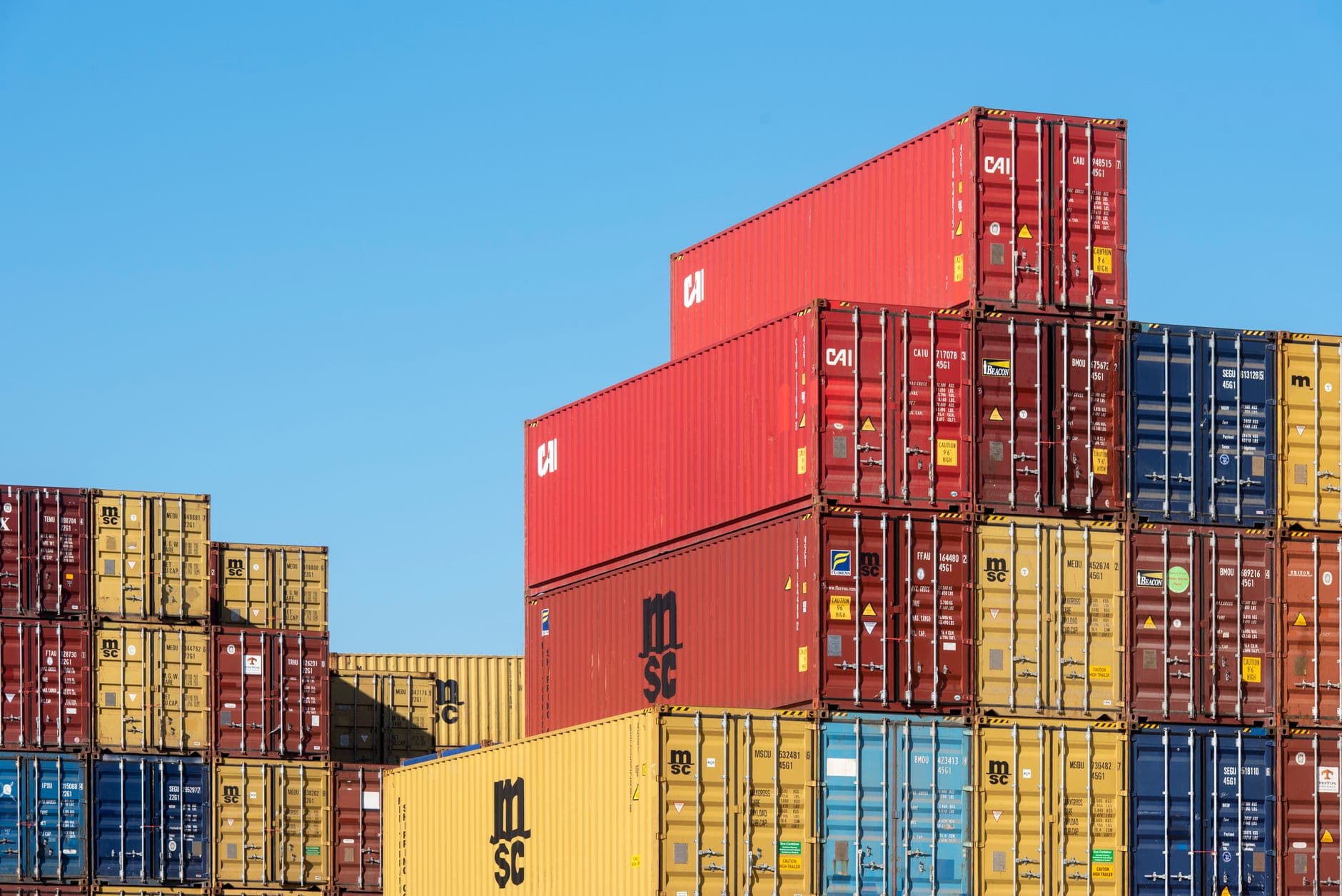
MCP in Logistics: How to Connect AI Agents to Freight APIs
An open standard now lets AI agents quote, book and track freight through a single API integration. Here is how MCP works, a minimal server example, who runs it in 2026, and how to keep it secure.
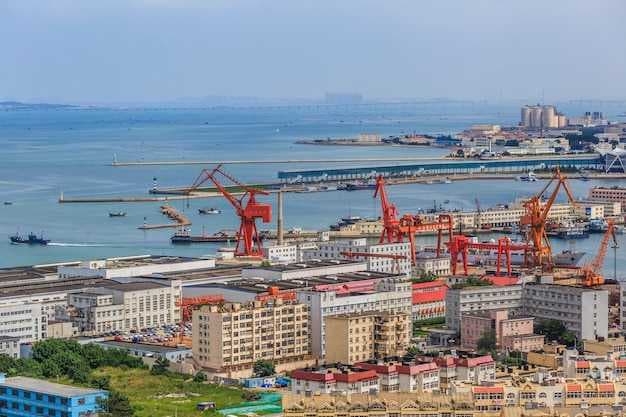
Portugal Freight Transport Trends and Logistics
Portugal’s freight transport sector is undergoing a transformation driven by globalization, e-commerce growth, and strategic investments in port infrastructure. The country’s Atlantic edge, access to the Iberian Corridor, and proximity to both European and African markets position it as a key node in multimodal supply chains. In recent years, ports such as Port of Lisbon , Port of Leixões , and Port of Sines have expanded capacity, diversified cargo profiles, and improved hinterland connections to support containerized, bulk, and Ro-Ro traffic. Shifts toward intermodal solutions are accelerating, aided by ongoing TEN-T corridor enhancements, improved rail-first shipping lanes, and
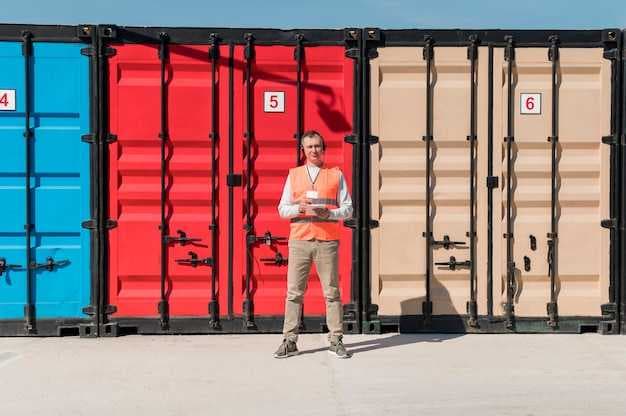
Freight Transport in Portugal Trends and Logistics
Portugal’s freight transport landscape is undergoing rapid change driven by port expansion, intermodal development, and digital logistics tools. Strategic coastal access and enhanced inland connections position the country as a pivotal gateway for Iberian and Atlantic trade, integrating regional supply chains with broader European networks. The Port of Sines , the Port of Leixões , and the Port of Lisbon form the backbone of the national hub system, each expanding capacity for containers, bulk goods, and energy cargo. Sines’ deep-water facilities enable larger vessels and broader trade lanes, while Leixões and Lisbon upgrade terminals to speed up cargo handling and intermodal transfers.

Freight Transport in Portugal
Portugal's freight transport system combines strong maritime gateways with growing road and rail capacity. Maritime corridors are pivotal for international trade, while road networks handle the majority of domestic and regional freight movements. The sector shows a trend toward modal balance, efficiency gains, and digitalization to reduce transit times and costs. Port hubs at Sines and Leixões anchor much of the country's container and bulk logistics, complemented by the Lisbon area logistics zone. Investments in port capacity, hinterland connections, and multimodal terminals enable faster transfer from ships to rail and road, supporting just-in-time supply chains and regional distribution.

Transport Services Portugal
Transport services in Portugal provide a comprehensive network that links urban centers, regional towns, and coastal resorts through efficient rail, road, air, and urban mobility options. The system prioritizes connectivity, reliability and safety for residents and visitors alike. The rail network is led by CP – Comboios de Portugal , offering Alfa Pendular high-speed services between Lisbon and Porto, as well as Intercidades and regional routes that reach the Algarve, the north, and the interior. This network provides daily, frequent connections for business and tourism, with modern trains, comfortable seating, and onboard Wi‑Fi on main lines. Urban and metropolitan transport includes

Spain Freight Shipping Practical Guide
Spain freight shipping is a structured process that integrates international carriers, Spanish customs procedures, and local distribution networks to deliver goods reliably across the country. This practical guide outlines essential steps for planning, documenting, selecting carriers, and controlling costs when moving freight to, from, or within Spain. It covers sea, road, rail, and air options with a focus on compliance, visibility, and risk management throughout the supply chain. Major entry points for freight into Spain include the ports of Valencia , Barcelona , Algeciras , Bilbao , and Alicante . These hubs handle containerized cargo, roll‑on/roll‑off traffic, and consolidated
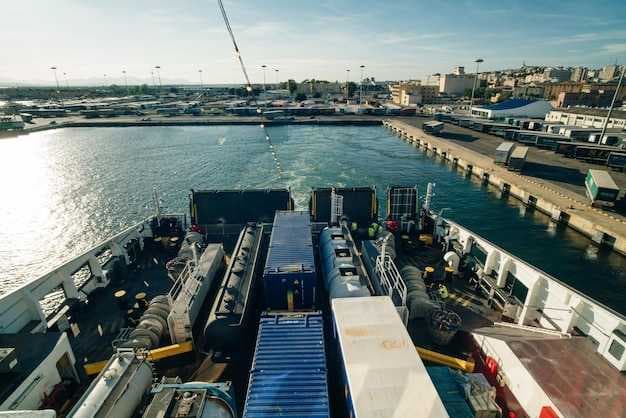
Freight Shipping in Spain
Spain sits at the crossroads of Europe, Africa, and the Mediterranean, offering a dense port network and integrated multimodal connections that make freight shipping efficient across Europe and beyond. Its most influential gateways– Algeciras , Valencia , and Barcelona –handle container traffic, bulk goods, and automotive flows, while a modern rail and road network links inland production hubs with these coastal hubs. For businesses, Spain represents a strategic entry point for European distribution and outbound trade to Southern Europe, North Africa, and Latin America. Successful shipping in Spain depends on a clear view of the regulatory framework, documentation, and risk management from

Freight Shipping in Spain A Practical Guide
Spain serves as a strategic gateway to Europe, with world-class seaports, robust road and rail networks, and a dynamic distribution landscape. From the Mediterranean hubs of Valencia and Barcelona to the Atlantic gateway of Algeciras, freight moves through Spain connecting global supply chains with Iberian markets. This context matters for planning routes, selecting ports, and estimating transit times. This guide delivers practical steps for planning and executing freight shipments to, from, and within Spain. It covers mode selection (sea, air, road, and multimodal options), port and corridor choices, and the regulatory basics, including VAT, duties, and customs procedures for intra-EU and
