Get The App


Author
The rise of digital nomadism is transforming the travel industry, offering a great opportunity for those who adapt. Digital nomads seek work-friendly destinations with cultural richness, and meeting these needs will position your business as a trusted choice. Now is the time to align your services with this growing trend and tap into the expanding market of remote workers eager to explore the world.

RFID Technology - A Driving Force for Innovation in the Luxury Industry
Adopt RFID tagging across luxury lines to achieve real-time visibility and protect brand integrity. These systems используют RFID tagging to replace fragile barcode regimes with durable, fast-reading метки that can be scanned at distance and integrated with edge computing devices. This approach enhances consumer trust, enables safe handling, and supports environmental stewardship, ensuring regulatory compliance and reducing waste across the supply chain. RFID creates reliable indices for every item, linking product IDs, batch data, and provenance from factory to storefront. These indices enable brands to reduce counterfeit risk, optimize replenishment, and accelerate cycle counting. The

Why Modern Logistics Providers Embrace Transportation Technology
Start with a unified data layer that connects carriers, warehouses, and customers, turning scattered data into a single source of truth. A credible источник for benchmarks shows that enterprises with unified visibility cut manual checks and data reconciliation by up to 40% in the first quarter after launch. Implement real-time dashboards using visual cards to highlight exceptions and delays at a glance, and run the initial pilot with a small partner network to validate the approach. Build it on a technical backbone that maps clear needs across carriers, warehouses, and customers. A strong partner ecosystem should let data flow through APIs and event streams, enabling enterprises to reduce

Winning the Race to Customers with Micro-Fulfillment Centers - A Network-Planning Approach for Quick Commerce
Start with a clear network design: place three micro-fulfillment centers within 2-5 miles of 75–85% of urban orders and implement cross-docking to cut handling cycles by up to 40%. By mapping demand pockets, address near-peak corridors, and setting a 30-minute real-time replenishment window, you reduce movements and boost readiness. Use sensors to monitor slot occupancy and product movement, and align with the transportation plan to maintain high productivity . Three types of micro-fulfillment nodes help you tailor density: compact automated racks in micro-fulfillment centers, dark stores , and flexible pop-ups near transit corridors. To introduce automation, integrate with your WMS and
Why Unified Commerce Is the Future of Seamless Retail
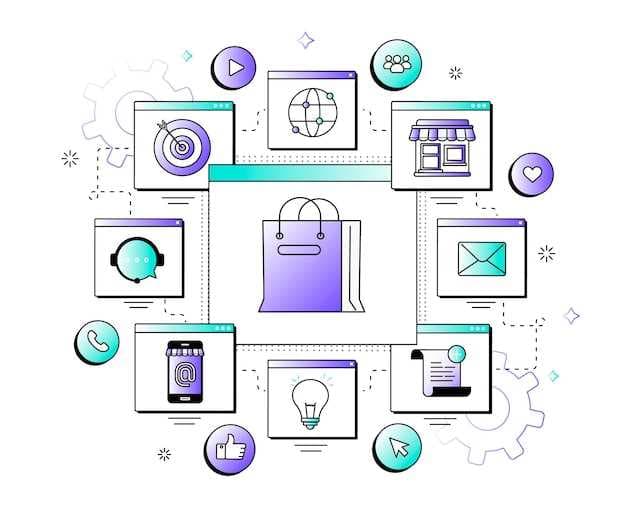
Recommendation: Unify data across every touchpoint by building one inventory and order layer, then connect it to salesforce to reveal what shoppers want. In practice, a unified layer reduces stockouts by up to 25% and cuts reconciliation time by more than half, while delivering consistent pricing across devices–phones, online, and stores–driving up to a 15% lift in conversion on average. There are four concrete moves you can implement now: Step 1: Create a single data layer that captures inventory, orders, and pricing across all channels to ensure consistent visibility. Step 2: Integrate with salesforce to enable real-time updates at every touchpoint, including phones, online checkout, and
Why Are Warehouses Taking Over America - The Rise of Logistics Hubs
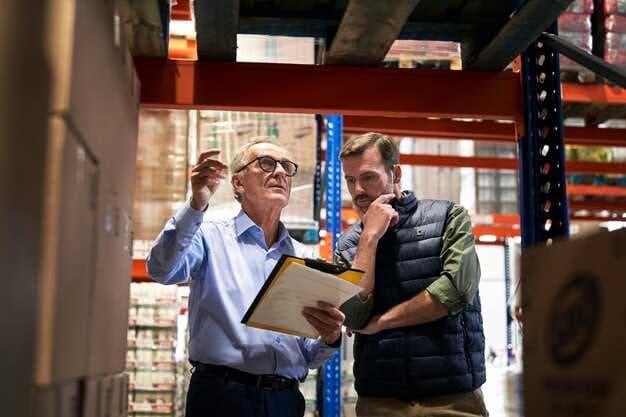
Adopt modular warehouses near major transport corridors and lock in flexible terms to start operations within 90 days. This approach delivers rapid onboarding for the employee workforce and a predictable path to scale. Modular designs standardize material-handling layouts so you can reconfigure spaces as needs shift and new clients come on board. Across industries, logistics hubs consolidate capacity where it matters. In the U.S., e-commerce has grown to roughly 14-15% of total retail sales, and the density of last-mile networks expanded by about 60% over the past five years, shrinking gaps between manufacturers and customers. Land near metro cores is more valuable than ever, pushing

Why Migrate to the Cloud - 11 Benefits to Your Business
Move your core application to the cloud now to stop downtime and save dollars . This shift is most effective provided you have a clear migration plan, boosting availability and reducing operating costs in the next quarter. You gain greater resilience as workloads scale with traffic spikes, with automated failover and backups across multiple locations worldwide. This reduces risk of service interruption and improves user satisfaction during peak demand. Eliminate end-of-life hardware burden and unpredictable refresh cycles; cloud providers deliver continuous updates and managed services, so you can maintain focus on business outcomes rather than hardware upkeep. Adopt a multi-cloud strategy

Zangezur Corridor - A New Artery for Growth and Connectivity in the Caucasus
Act now: establish a joint Zangezur Corridor Development Organization by july to coordinate cross-border transportation, entrepreneurship programs, and regional investments. This move creates a network of authorities, operators, and financiers that work between Armenia, Azerbaijan, and neighboring states, unlocking faster project delivery and shared benefits. Bibliographic analyses indicate that a connected corridor can cut freight times by 25-40% and unlock 50,000-70,000 new jobs in local enterprises over the next decade. If we align customs, digital platforms, and transportation nodes across rail, road, and ports, regional GDP could grow by 1.5-2.5% annually. Data from studies referencing

Why the Global Supply Chain Crisis Happened - Causes and Impacts
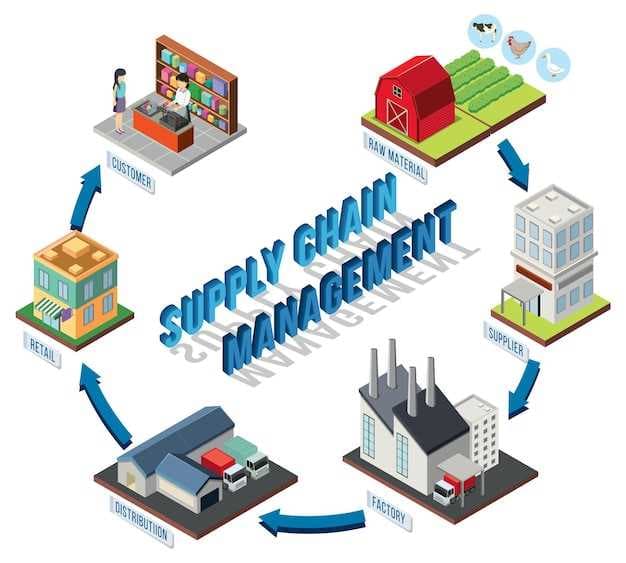
There are a couple of forces that pushed the global supply chain into tighter stress in recent times. Demand rebounded after lockdowns while factories faced intermittent shutdowns, labor gaps, and limited capacity. Bottlenecks at key hubs added to the pressure, forcing longer lead times, higher costs, and more frequent stockouts for manufacturers and retailers alike. Analysts point to port congestion and missing data as early warning signals, with container rates surging to around 9,000–10,000 USD per 40-foot box in 2021. At docking hubs, bottlenecks appeared in every link: ships idle at anchor, chassis shortages, and customs checks that slowed throughput. Policymakers reacted with waivers
Why Procurement and Supply Chain Functions Need to Converge
Recommendation: Drive convergence between procurement and the supply chain into a single decision layer to minimize volatility, shrink long cycle times, and improve forecasting accuracy across the company using integrated technology. Convergence creates an integrated data backbone that aligns procurement, planning, and supplier management within a single ecosystem. This enables a clear index of supplier risk, cost drivers, and delivery performance, allowing teams to meet commitments with more confidence and to allocate resources more efficiently. This groundwork provides a good baseline for continuous improvement. With technology, teams can turn disjoint procurement records into actionable

Why Can't We All Just Get Along? Practical Strategies to Bridge Divides and Improve Communication
Begin with a concrete rule: listen first, summarize what you heard, and outline a shared goal for the session. In teams, this keeps voices within a single frame and reduces misinterpretation. For a multinational organisational effort, document three talking points and attach clear actions in a shared channel–whether a Mastodon thread, a project wiki, or a dedicated chat thread–to ensure ideas circulate beyond silos. Start the process by committing to a one-paragraph reflection after each meeting to give everyone a chance to be heard. Adopt a structured dialogue process: round-robin inputs, explicit disagreement handling, and data-backed reasons for each position. Timebox discussions,

Key Sustainability Skills to Advance Your Supply Chain Career
Begin by mapping your supplier network and setting data-driven targets across tiers. Build a clear baseline on emissions, water use, and labor standards, and tie those metrics to procurement decisions. Use a human-centered approach to engage suppliers, bring in union representatives when relevant, and reduce issues while strengthening public trust. Develop strong data analytics, risk assessment, and cross-functional collaboration skills to forecast disruptions and respond quickly. Essentially , treat supply as a system with interconnected parts across globally dispersed locations and align decisions with reported corporate responsibility standards. Create supplier scorecards that cover

YC-backed Oway raises $4M to build a decentralized Uber for freight
Recommendation: adopt a total framework that is decentralized , designed for real-time coordination across a grid of operators . The system should contain clear mechanisms for their approval, avoiding dependency on slow agencies . Through a widely adopted passenger -style workflow, Oway connects freight operators with shipper requests, using a real-time matching engine that carries data across a distributed network and grid of nodes, and coordinates with the electricity grid to support electrified fleets. With a total raise of $4M in seed capital, YC-backed Oway gains traction and participation from several investors. This capital accelerates hiring, platform security, and regulatory
