



Στις περισσότερες εργάσιμες ημέρες παραθέτω και κάνω κράτηση αεροπορικών και θαλάσσιων εμπορευμάτων, και η μία γραμμή σε ένα φύλλο τιμολόγησης που παγιδεύει τους αποστολείς περισσότερο από οποιαδήποτε άλλη είναι το χρεούμενο βάρος. Μια παλέτα με μαξιλάρια μπορεί να ζυγίζει 40 κιλά στην αποθήκη και παρόλα αυτά να χρεωθεί σαν να ζύγιζε σχεδόν 90. Η ζυγαριά δεν λέει ψέματα, ούτε ο μεταφορέας. Αεροπορικοί και θαλάσσιοι μεταφορείς χρεώνουν με όποιο είναι μεγαλύτερο, το πραγματικό μεικτό βάρος σας ή το ογκομετρικό βάρος του χώρου που καταλαμβάνει το φορτίο σας, επειδή μια ελαφριά ογκώδης αποστολή σπαταλά την χωρητικότητα για την οποία κάποιος άλλος θα μπορούσε να πληρώσει. Μόλις καταλάβετε πώς κατασκευάζεται αυτός ο δεύτερος αριθμός, τα τιμολόγια μεταφοράς σταματούν να είναι ένα μυστήριο και γίνονται κάτι γύρω από το οποίο μπορείτε να σχεδιάσετε.
Αυτός ο οδηγός παρουσιάζει τους ακριβείς τύπους για την αεροπορική μεταφορά και τη θαλάσσια μεταφορά λιγότερων από ό,τι χωράει ένα κοντέινερ (LCL), με παραδείγματα που μπορείτε να αντιγράψετε για τα δικά σας κιβώτια. Κάθε διαιρέτης εδώ ελέγχεται έναντι των δημοσιευμένων κανόνων, οπότε μπορείτε να χρησιμοποιήσετε τους υπολογισμούς σε έναν μεταφορέα και θα ισχύουν.
Γιατί οι μεταφορείς χρεώνουν το μεγαλύτερο από τα δύο βάρη
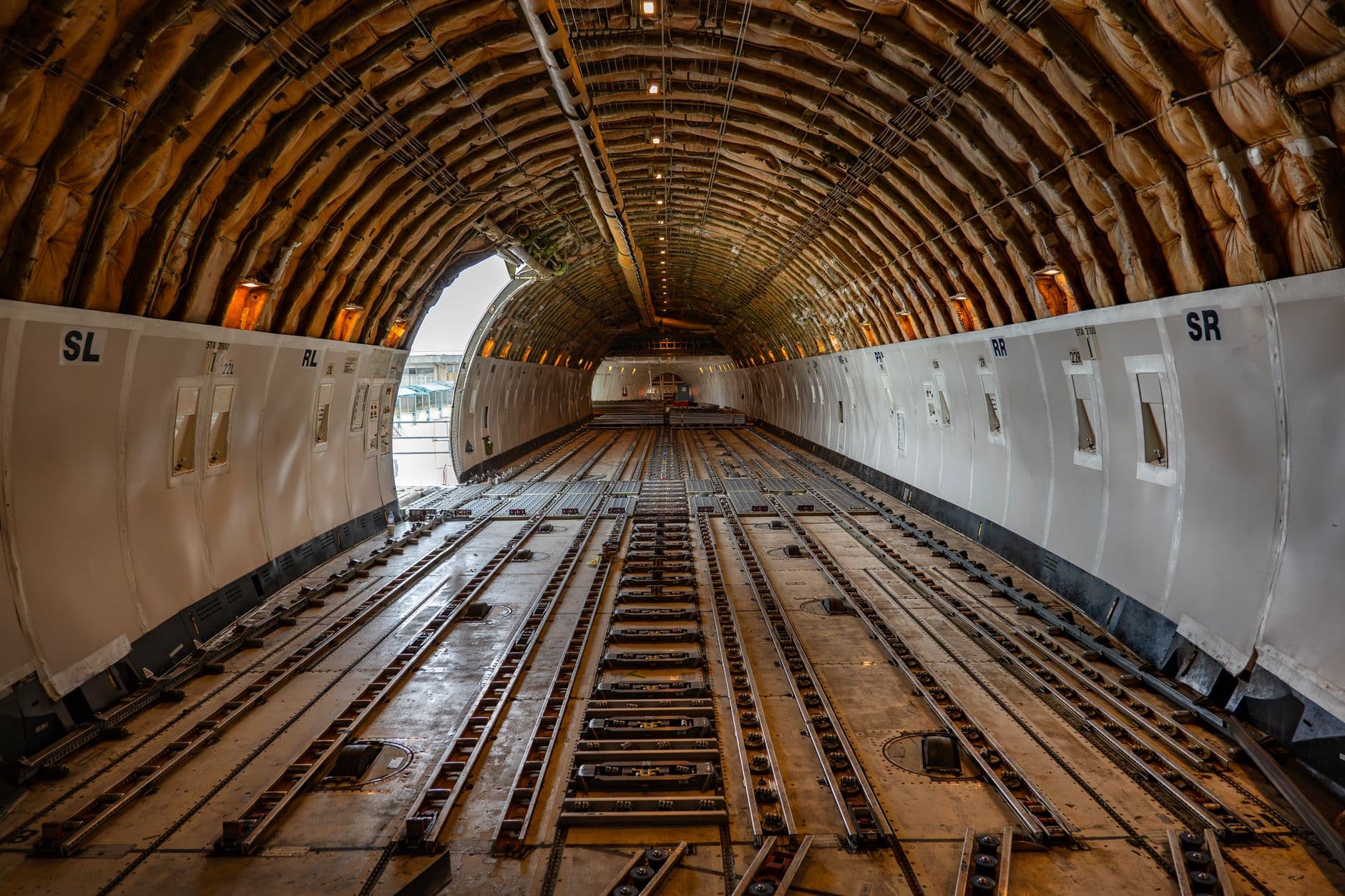
Ένα αεροσκάφος τύπου "hold" και ένα εμπορευματοκιβώτιο τύπου "consolidation box" εξαντλούνται σε χώρο πολύ πριν εξαντλήσουν την ικανότητα ανύψωσης. Φτερά, αφράτα στρώματα, άδεια πλαστικά περιβλήματα και ελαφριά ρούχα γεμίζουν ένα κοντέινερ ενώ μόλις που κουνάνε τη ζυγαριά. Αν οι αερομεταφορείς χρέωναν αυτά τα φορτία μόνο με βάση το μεικτό βάρος, ένας αποστολέας θα μπορούσε να κλείσει μια ολόκληρη θέση παλέτας με την τιμή λίγων κιλών. Για να διατηρήσουν την τιμολόγηση συνδεδεμένη με τον πόρο που πραγματικά καταναλώνεται, δηλαδή τον κυβικό χώρο, ο κλάδος μετατρέπει τον όγκο σε μια υποθετική βαρύτητα και στη συνέχεια τη συγκρίνει με αυτό που πραγματικά βάζετε στη ζυγαριά.
Το μεγαλύτερο από τα δύο νούμερα γίνεται το χρεώσιμο βάρος σας. Στην εμπειρία μας, κατά τη διαμόρφωση προσφορών μεταφοράς αεροπορικώς, περίπου επτά στις δέκα εμπορικές αποστολές καταλήγουν να χρεώνονται βάσει όγκου αντί για μεικτό βάρος, και η αναλογία αυτή αυξάνεται για τα δέματα του ηλεκτρονικού εμπορίου. Αυτό δεν είναι για να φουσκώσει ο αερομεταφορέας τον λογαριασμό. Αντανακλά πόσο κενός γίνεται ένας χώρος αποθήκευσης όταν το φορτίο είναι ογκώδες.
Αεροπορικές μεταφορές: ο διαιρέτης IATA 6000
Για γενικό αεροπορικό φορτίο, το ογκομετρικό πρότυπο προέρχεται από τον Διεθνή Οργανισμό Αεροπορικών Μεταφορών (IATA), κωδικοποιημένο στους κανονισμούς TACT (The Air Cargo Tariff). Παίρνετε τις διαστάσεις του κουτιού σε εκατοστά, πολλαπλασιάζετε μήκος επί πλάτος επί ύψος για να πάρετε κυβικά εκατοστά, και μετά διαιρείτε με 6000:
- Ογκομετρικό βάρος (kg) = (Μ x Π x Υ cm) / 6000
- Ο διαιρέτης 6000 ισοδυναμεί με πυκνότητα 167 kg ανά κυβικό μέτρο, επειδή ένα κυβικό μέτρο περιέχει 1.000.000 cm3 και 1.000.000 / 6000 στρογγυλοποιείται σε 166,67.
- Δουλεύοντας σε ίντσες και λίβρες αντίστοιχα, ο ισοδύναμος διαιρέτης είναι 366.
Η καθοδήγηση της Maersk για τις αεροπορικές εμπορευματικές μεταφορές και σχεδόν κάθε τιμοκατάλογος διαμεταφορέα αναφέρουν το ίδιο νούμερο 6000, επομένως είναι ασφαλές να θεωρήσετε το 6000 cm3/kg ως τη βάση για τις τακτικές αεροπορικές εμπορευματικές μεταφορές, εκτός εάν ένας συγκεκριμένος αερομεταφορέας σας ενημερώσει διαφορετικά. Μια άλλη συνήθεια έχει σημασία και διαφέρει ανά αερομεταφορέα. Σύμφωνα με την τυπική πρακτική της IATA, οι αεροπορικές εταιρείες στρογγυλοποιούν την τελική χρεώσιμη τιμή προς τα πάνω στο επόμενο μισό κιλό, οπότε μια αποστολή που υπολογίζεται στα 43,31 kg χρεώνεται στα 43,5 kg, και τα 43,6 kg θα στρογγυλοποιηθούν στα 44,0 kg. Ορισμένοι αερομεταφορείς και οι περισσότερες υπηρεσίες express στρογγυλοποιούν προς τα πάνω στο επόμενο ολόκληρο κιλό, κάτι που θα ωθήσει τα ίδια 43,31 kg στα 44 kg. Επιβεβαιώστε τον κανόνα στρογγυλοποίησης με τον αερομεταφορέα σας πριν υπολογίσετε το κόστος.
Εργαστηριακό παράδειγμα: αποστολή αέρα με τρία χαρτοκιβώτια
Φανταστείτε ότι μεταφέρετε αεροπορικώς τρία πανομοιότυπα κιβώτια με ελαφριά περιβλήματα ηλεκτρονικών συσκευών. Κάθε κιβώτιο έχει διαστάσεις 55 cm x 35 cm x 45 cm και ζυγίζει 10 κιλά στη ζυγαριά. Εδώ είναι ο πλήρης υπολογισμός.
| Μετρική | Αξία |
| Κούτες | 3 |
| Διαστάσεις (κάθε μία) | 55 x 35 x 45 εκ. |
| Όγκος (έκαστο) | 86.625 cm3 |
| Συνολικός όγκος | 259.875 κ.εκ. (0,26 CBM) |
| Μεικτό βάρος | 30 κιλά |
| Ογκομετρική στα 6000 (αεροπορική IATA) | 43,31 κιλά, στρογγυλοποιημένο στα 43,5 κιλά |
| Ογκομετρική στα 5000 (εκφράστε) | 51,98 κιλά, στρογγυλοποιημένο σε 52,0 κιλά |
| Χρεώσιμο βάρος (αεροπορικό IATA) | 43,5 κιλά |
Βήμα προς βήμα: 55 x 35 x 45 δίνει 86.625 cm³ ανά χαρτοκιβώτιο, και τρία από αυτά βγαίνουν 259.875 cm³. Διαιρώντας με 6000 παίρνουμε 43,31 kg, το οποίο στρογγυλοποιείται σε 43,5 kg. Το μικτό βάρος είναι μόνο 30 kg. Επειδή ο ογκομετρικός όγκος υπερτερεί του μικτού, η αεροπορική εταιρεία χρεώνει 43,5 kg. Τα 30 kg του προϊόντος σας ταξιδεύουν με ένα εισιτήριο 43,5 kg, και αυτή η διαφορά αφορά εξ ολοκλήρου τον αέρα μέσα στα κουτιά.
Θαλάσσια μεταφορά: FCL έναντι LCL και ο τόνος εσόδων
Η θαλάσσια μεταφορά χωρίζεται σε δύο κόσμους. Το Full-container-load (FCL) σημαίνει ότι νοικιάζετε ένα ολόκληρο κοντέινερ, συνηθέστερα μια μονάδα 20 ποδιών ή 40 ποδιών, με πάγια τιμή. Μόλις πληρώσετε για το κοντέινερ, το χρεώσιμο βάρος έχει ελάχιστη σημασία μέχρι να πλησιάσετε το όριο ωφέλιμου φορτίου ή τον νόμιμο όριο άξονα για οδική μεταφορά, οπότε η τιμολόγηση FCL αφορά το πόσο καλά γεμίζετε το κουτί που έχετε ήδη αγοράσει. Γι' αυτό το βαρύ, πυκνό φορτίο συνήθως προτιμά το FCL, και γι' αυτό μεγάλο μέρος του όγκου που διακινείται μέσω του τα πιο πολυσύχναστα λιμάνια εμπορευματοκιβωτίων στον κόσμο ταξιδεύει σε σφραγισμένα, πλήρη κοντέινερ αντί για μοιρασμένα.
Το LCL είναι εκεί που επανεμφανίζεται ένας ογκομετρικός κανόνας, επειδή μοιράζεστε ένα κοντέινερ ομαδοποίησης με άλλους αποστολείς και πληρώνετε μόνο για το τμήμα που χρησιμοποιείτε. Οι ομαδοποιητές θαλάσσιων μεταφορών τιμολογούν το LCL ανά τόνο εσόδων, που γράφεται επίσης R/T ή W/M για βάρος ή μέτρο. Ο κανόνας, όπως τον δημοσιεύουν η iContainers και άλλοι ομαδοποιητές, συγκρίνει ένα κυβικό μέτρο με έναν μετρικό τόνο:
- Εσοδα επί χρέωσι (τόνοι) = το μεγαλύτερο μεταξύ συνολικών CBM ή συνολικού μικτού βάρους σε μετρικούς τόνους
- Ένα CBM ορίζεται ίσο με 1000 kg, επομένως η κρίσιμη πυκνότητα είναι 1000 kg ανά κυβικό μέτρο
- Οι περισσότεροι ενοποιητές εφαρμόζουν ένα ελάχιστο ενός τόνου εσόδων και χρεώνουν σε προσαυξήσεις 0,1 πάνω από αυτό.
Επειδή το τυπικό μικτό φορτίο κυμαίνεται συνήθως μεταξύ 200 και 500 κιλών ανά κυβικό μέτρο, ο όγκος κερδίζει τη σύγκριση για τη συντριπτική πλειονότητα των κρατήσεων LCL. Μόνο τα πραγματικά πυκνά εμπορεύματα, σκεφτείτε κεραμικά πλακίδια ή εμφιαλωμένα υγρά, γέρνουν την πλάστιγγα ώστε το βάρος να υπερισχύει.
Εργαστηριακό παράδειγμα: μια αποστολή LCL έξι παλετών
Εικόνα έξι τυπικών παλετών με συσκευασμένα ρούχα. Κάθε παλέτα έχει αποτύπωμα 1,2 μ x 1,0 μ, ύψος 1,1 μ και ολόκληρη η αποστολή ζυγίζει 1.650 κιλά μεικτά. Εκτελέστε τη σύγκριση Β/Ο (Βάρος/Όγκος).
- Όγκος ανά παλέτα: 1,2 x 1,0 x 1,1 = 1,32 CBM
- Συνολικός όγκος: 1,32 x 6 = 7,92 CBM
- Μεικτό βάρος: 1.650 κιλά, που είναι 1,65 μετρικοί τόνοι
- Έσοδα ανά τόνο: το μεγαλύτερο μεταξύ 7,92 και 1,65, άρα 7,92 R/T
Η μέτρηση επικρατεί άνετα και χρεώνεστε με 7,92 τόνους εσόδων. Εάν η τιμή LCL από λιμάνι σε λιμάνι ήταν, ας πούμε, 85 δολάρια ΗΠΑ ανά τόνο εσόδων, μόνο η θαλάσσια μεταφορά θα έφτανε τα 673,20 δολάρια πριν από τα τέλη προέλευσης και προορισμού που προσθέτουν οι ενοποιητές. Η πυκνότητα εδώ ανέρχεται σε 208 κιλά ανά κυβικό μέτρο (1.650 διαιρούμενο με 7,92), που βρίσκεται ακριβώς στο εύρος όπου ο όγκος κυριαρχεί.
Τώρα αντιστρέψτε το. Υποθέστε ότι αντίθετα στέλνετε 2,5 CBM χυτών μηχανών βάρους 3.200 κιλών. Το ακαθάριστο βάρος είναι 3,2 μετρικοί τόνοι έναντι 2,5 CBM, οπότε ο μεγαλύτερος αριθμός είναι 3,2 και πληρώνετε για 3,2 τόνους εσόδων. Το φορτίο είναι αρκετά πυκνό (1.280 κιλά ανά κυβικό μέτρο) ώστε το βάρος να υπερισχύει τελικά. Η επεξεργασία και των δύο σεναρίων πριν κάνετε κράτηση είναι ο μοναδικός ταχύτερος τρόπος για να ελέγξετε την ορθότητα μιας προσφοράς LCL, και είναι επίσης εκεί που αποφασίζετε αν το φορτίο έχει μεγαλώσει αρκετά ώστε να δικαιολογεί ένα πλήρες κοντέινερ αντ' αυτού.
Δέμα και ταχυμεταφορική: γιατί ο διαιρέτης είναι διαφορετικός
Αν στείλετε και με εξπρές κούριερ, ετοιμαστείτε για έναν αυστηρότερο αριθμό. Οι ενοποιητές εκδίδουν τους δικούς τους διαιρέτες διαστάσεων, και είναι αυστηρότεροι από το αεροπορικό πρότυπο IATA. Η δημοσιευμένη τιμολόγηση της DHL, μαζί με τις διεθνείς εξπρές της UPS και της FedEx, χρησιμοποιεί 5000 cm³/kg σε μετρικό σύστημα, που αντιστοιχεί σε πυκνότητα 200 kg ανά κυβικό μέτρο. Σε ίντσες και λίβρες, οι ίδιοι μεταφορείς εφαρμόζουν διαιρέτη 139, και η USPS χρησιμοποιεί 166. Όσο αυστηρότερος είναι ο διαιρέτης, τόσο περισσότερο "τιμωρείται" ένα ογκώδες δέμα.
Ανατρέχοντας στο παράδειγμα των τριών χαρτοκιβωτίων. Κάτω από τον εκφρασμένο διαιρέτη των 5000, τα ίδια 259.875 cm³ υπολογίζονται σε 51,98 kg, που στρογγυλοποιούνται σε 52,0 kg, έναντι 43,5 kg υπό τον κανόνα αερομεταφοράς IATA. Πανομοιότυπα κουτιά, διαφορετικά βιβλία, μια αυξομείωση 8,5 kg. Γι' αυτό πάντα ρωτώ ποιος διαιρέτης χρησιμοποιείται για τον υπολογισμό μιας τιμής, πριν συγκρίνω μια εκφρασμένη προσφορά με μια συγκεντρωτική αεροπορική προσφορά. Η σύγκριση των τιμών χωρίς έλεγχο των διαιρετών είναι ο τρόπος με τον οποίο οι αποστολείς παρασύρονται στη λάθος διαδρομή.
| Τύπος υπηρεσίας | Διαιρέτης μέτρου | Ισοδύναμη πυκνότητα | Στρογγυλοποίηση |
| IATA αεροπορικές εμπορευματικές μεταφορές (γενικό φορτίο) | 6000 cm³/kg | 167 κg/m3 | έως τα επόμενα 0,5 κιλά |
| Εξπρές / Courier (DHL, UPS, FedEx διεθνές) | 5000 cm³/kg (139 για in/lb) | 200 κιλά/μ³ | έως τα επόμενα 0,5 κιλά |
| USPS εσωτερικού | 166 (σε/lb) | περίπου 200 kg/m3 | μέχρι το επόμενο lb |
| Ωκεανός LCL (W/M) | 1 CBM vs 1000 kg | 1000 κιλά/μ³ νεκρό σημείο | 0,1 R/T, 1 R/T το ελάχιστο |
Πώς να μειώσετε το χρεώσιμο βάρος σας
Μόλις μπορείτε να δείτε από πού προέρχεται η ποινική ρήτρα όγκου, οι περισσότερες από τις διορθώσεις αφορούν την εξώθηση του αέρα από την αποστολή. Λίγα που μετακινούν σταθερά το τιμολόγιο:
- Σωστό μέγεθος κιβωτίου. Ένα κουτί με 8 cm κενό χώρο κεφαλής, κοστίζει για 8 cm όγκου χρέωσης. Η μείωση ενός κιβωτίου 45 cm σε 37 cm, στο προηγούμενο παράδειγμα αεροπορικών μεταφορών, θα μείωνε το ογκομετρικό βάρος κατά περίπου 18 τοις εκατό.
- Αύξηση πυκνότητας. Η στοιβάξη (nesting) και η επίπεδη συσκευασία (flat-packing) αυξάνουν τα κιλά ανά κυβικό μέτρο και ωθούν τη σύγκριση ξανά προς το μικτό βάρος, όπου συνήθως χρεώνεστε λιγότερο.
- Σταθμίστε το αντάλλαγμα της παλετοποίησης. Η παλετοποίηση προστατεύει το φορτίο και επιταχύνει τους χειρισμούς, αλλά η ίδια η παλέτα προσθέτει ύψος και βάρος στο κατάστρωμα. Στο ελαφρύ φορτίο, αυτόν τον επιπλέον όγκο μπορεί να αυξήσει το χρεώσιμο ποσό, οπότε υπολογίστε τις τιμές και για τις δύο περιπτώσεις.
- Συγκεντρώστε τη χρονομέτρηση. Ο συνδυασμός πολλών μικρών κρατήσεων LCL σε μία μπορεί να ξεπεράσει το ελάχιστο ενός τόνου εσόδων πιο αποτελεσματικά και μερικές φορές να ξεπεράσει το όριο όπου το FCL γίνεται φθηνότερο ανά μονάδα.
- Προσέξτε το τελευταίο μίλι. Πιο πυκνές, λιγότερες παλέτες μειώνουν επίσης τον χειρισμό στο λιμάνι, κάτι που συμβάλλει στο κόστος εσωτερική μεταφορά και στις χερσαίες δαπάνες κατάντη.
Όταν ζητάτε προσφορά στο GetTransport.com, το χρεώσιμο βάρος υπολογίζεται για εσάς από τις διαστάσεις και το βάρος που εισάγετε, χρησιμοποιώντας τον διαιρέτη που αντιστοιχεί στον τρόπο μεταφοράς. Βλέποντας αυτό το νούμερο πριν δεσμευτείτε, σημαίνει ότι μπορείτε να δοκιμάσετε διαφορετικό μέγεθος κιβωτίου ή διαφορετική υπηρεσία χωρίς να περιμένετε να επανέλθει ο μεταφορέας με κάποια έκπληξη.
Πού χάνεται πραγματικά τα χρήματα
Η μεγαλύτερη υπερβάλλουσα δαπάνη που βλέπω δεν είναι ένας λανθασμένος διαιρέτης. Είναι οι αποστολείς που βελτιστοποιούν το ναύλο, αγνοώντας τον ογκομετρικό πολλαπλασιαστή και τα συμπληρωματικά κόστη που συνδέονται με αυτόν. Μια ελαφρώς φθηνότερη αεροπορική τιμή ανά κιλό σε ένα ογκώδες φορτίο χάνει πάντα σε σύγκριση με μια υψηλότερη τιμή σε ένα πυκνότερο, επειδή το χρεώσιμο βάρος, όχι η βασική τιμή, καθορίζει το σύνολο. Από την πλευρά της θαλάσσιας μεταφοράς, η ίδια πειθαρχία εφαρμόζεται στις χερσαίες μετακινήσεις γύρω από το τερματικό, όπου η ελλείψεις πλαισίων και παραμονή πλοίων στα λιμάνια μπορεί να προσθέσει περισσότερα από το ίδιο το φορτίο. Και ειδικά για τις αεροπορικές μεταφορές, η δρομολόγηση μέσω ενός από τα πιο πολυάσχολα αεροδρόμια εμπορευμάτων σας προσφέρει συχνά συχνότητα και ανταγωνισμό στην τιμή που μια λεπτή δευτερεύουσα διαδρομή δεν μπορεί να αντιστοιχίσει. Κάντε πρώτα τους ογκομετρικούς υπολογισμούς, έπειτα διαπραγματευτείτε. Αυτή η σειρά έχει μεγαλύτερη σημασία από οποιαδήποτε μεμονωμένη τιμή.
Συχνές ερωτήσεις
Τι είναι το χρεώσιμο βάρος με απλά λόγια;
Είναι το βάρος για το οποίο ο μεταφορέας σας χρεώνει πραγματικά, οριζόμενο ως το μεγαλύτερο μεταξύ του ακαθάριστου βάρους σας (ζυγισμένο) και του ογκομετρικού βάρους σας. Το ογκομετρικό βάρος μετατρέπει τον κυβικό χώρο που καταλαμβάνει το φορτίο σας σε ένα θεωρητικό βάρος, έτσι ώστε οι ελαφρές ογκώδεις αποστολές να πληρώνουν για τον χώρο που καταλαμβάνουν αντί για το βάρος τους.
Γιατί ο διαιρέτης των αεροπορικών εμπορευμάτων είναι 6000, ενώ οι ταχυμεταφορείς χρησιμοποιούν 5000;
Ο αριθμός 6000 cm3/kg είναι το πρότυπο της IATA για το γενικό αεροπορικό φορτίο, ίσος με 167 kg ανά κυβικό μέτρο. Οι ενσωματωτές εκφράσεων όπως η DHL, UPS και FedEx θέτουν ένα αυστηρότερο όριο 5000 cm3/kg (200 kg ανά κυβικό μέτρο, ή 139 σε ίντσες και λίβρες) επειδή τα δίκτυα δεμάτων έχουν ακόμη μεγαλύτερους περιορισμούς χώρου, οπότε το ίδιο κουτί χρεώνεται ως βαρύτερο στο κανάλι express.
Εφαρμόζεται το χρεώσιμο βάρος στα εμπορευματοκιβώτια πλήρους χωρητικότητας (FCL) θαλάσσιες μεταφορές;
Όχι με τον ίδιο τρόπο. Το FCL τιμολογείται ανά κοντέινερ με σταθερή τιμή, οπότε το ογκομετρικό βάρος είναι σε μεγάλο βαθμό άσχετο μέχρι να φτάσετε στο όριο ωφέλιμου φορτίου ή άξονα. Ο κανόνας εμπορικού τόνου (W/M), συγκρίνοντας ένα CBM με 1000 kg, εφαρμόζεται στο LCL, όπου μοιράζεστε ένα κοντέινερ και πληρώνετε μόνο για το μερίδιό σας.
Πώς υπολογίζεται το ογκομετρικό βάρος για αεροπορικές μεταφορές;
Πολλαπλασιάστε το μήκος επί το πλάτος επί το ύψος σε εκατοστά, στη συνέχεια διαιρέστε με 6000 για τυπικές αεροπορικές μεταφορές. Συγκρίνετε το αποτέλεσμα με το ακαθάριστο βάρος σας και κρατήστε το μεγαλύτερο. Στη συνέχεια, στρογγυλοποιήστε προς τα πάνω στο επόμενο μισό κιλό. Για παράδειγμα, 259,875 cm3 διαιρούμενο με 6000 ισούται με 43,31 kg, τιμολογείται ως 43,5 kg.
Τι είναι τόνος εσόδων στη ναυτιλία LCL;
Ένας τόνος εσόδων (R/T), γνωστός και ως W/M, είναι η μονάδα χρέωσης για μεταφορικά LCL ωκεανού. Παίρνετε τη μεγαλύτερη τιμή από τα συνολικά κυβικά μέτρα σας ή τους συνολικούς μετρικούς τόνους σας. Έξι παλέτες με 7,92 CBM που ζυγίζουν 1,65 τόνους χρεώνονται με 7,92 τόνους εσόδων, επειδή η τιμή του όγκου είναι μεγαλύτερη από την τιμή του βάρους.
Μπορώ να χρεωθώ βάσει του πραγματικού βάρους αντί για τον όγκο;
Ναι, όταν το φορτίο σας είναι αρκετά πυκνό. Εάν το μικτό βάρος υπερβαίνει το χωροταξικό ή το βάρος ανά τόνο εσόδων, υπερισχύει το βάρος της ζυγαριάς. Αυτό συμβαίνει με βαριά εμπορεύματα όπως μεταλλικά χυτά ή εμφιαλωμένα υγρά, περίπου πάνω από 167 κιλά ανά κυβικό μέτρο για αεροπορικές μεταφορές και 1000 κιλά ανά κυβικό μέτρο για LCL.