



A Successful Voyage through the Red Sea: What It Means
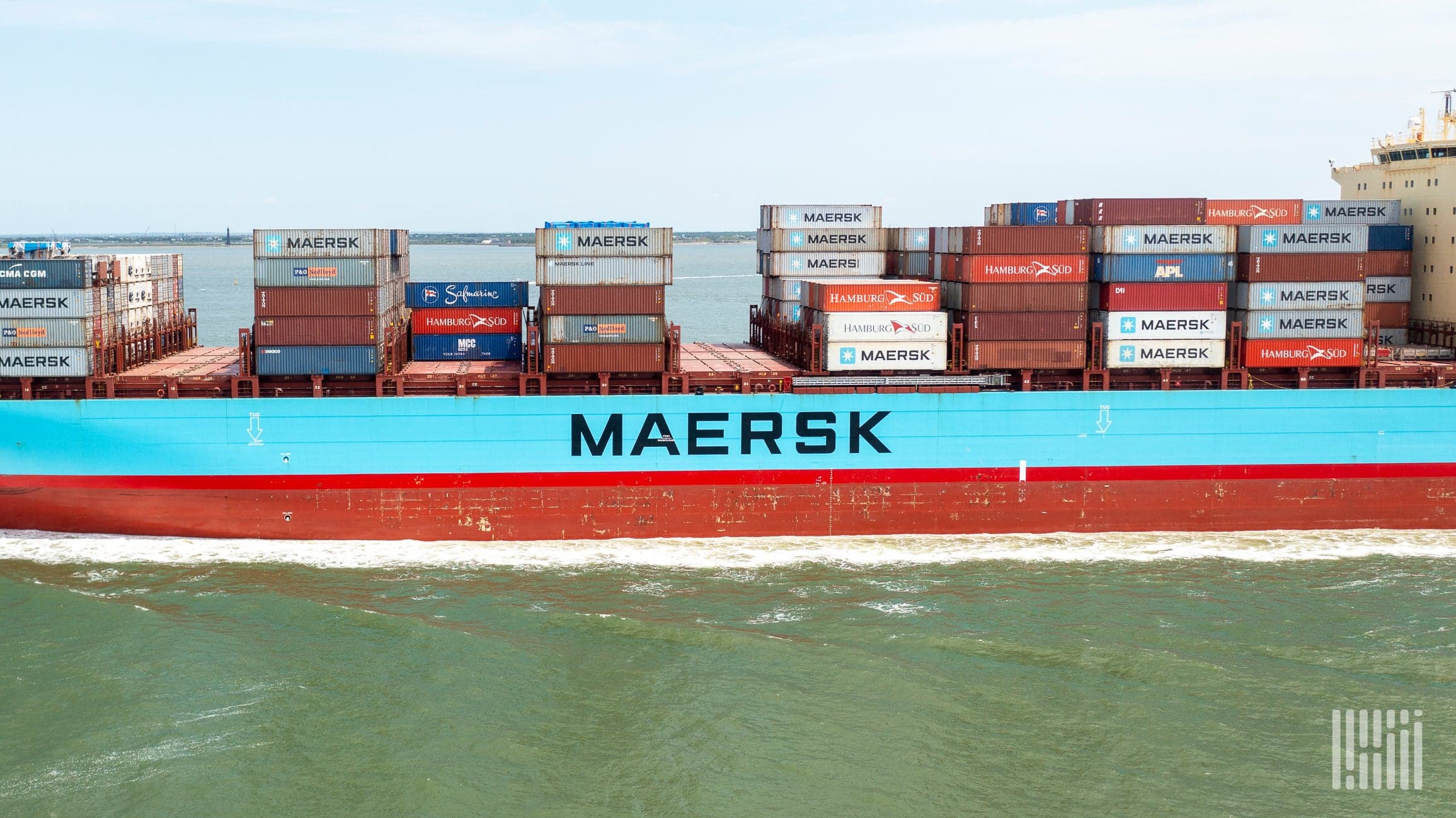
A recent voyage by the Singapore-flagged Maersk Sebarok, a 6,500-TEU container ship, successfully transited the Bab el-Mandeb Strait and the Red Sea on December 18-19. This marks an important milestone, as it demonstrates the feasibility of using this route between Asia and the United States, connecting critical trade lanes.
However, despite this accomplishment, Maersk remains cautious about fully shifting back to this path, given ongoing security concerns in the region. There are currently no concrete plans to reroute the majority of East-West shipping via the Suez Canal and Red Sea, but the door is open for a gradual, carefully monitored return.
Why the Red Sea Route is Back in the Spotlight
Historically, the Red Sea and the Suez Canal form a vital link between Asia, Europe, and the United States, significantly shortening shipping times compared to the Cape of Good Hope route. Recently, though, maritime operators, including Maersk, diverted around Africa—circumnavigating the Cape—to avoid security threats from Houthi militia attacks in Yemen.
This detour adds operational costs and time, sometimes extending voyages by up to two weeks. Yet, the landscape shifted somewhat with falling diesel prices, sparking debate over whether the longer but toll-free African route might now rival the shorter Suez path in cost-efficiency.
Current Challenges and Safety Considerations
- Security Concerns: Houthi attacks in the Gulf of Aden pose a significant risk to ships, crews, and cargo, necessitating heightened caution and avoidance by many carriers.
- No Immediate Full Return: Despite the successful test transit, Maersk explicitly stated they are not yet ready to resume full operations via the Suez Canal.
- Stepwise Approach: Any return will be slow and dependent on safe operating conditions, with initial sailings limited and under constant security evaluations.
The Operational Impact and Logistics Angle
From a logistics standpoint, the choice of maritime routes impacts scheduling, costs, and cargo availability along the entire supply chain. Longer routes translate into longer transit times, which ripple through freight forwarding, warehousing, and delivery operations worldwide.
Using the Red Sea route, if security conditions stabilize, could reduce transit times and costs, making it easier for shippers to plan and optimize delivery schedules. Conversely, longer voyages around Africa require more fuel and vessels tied up longer, squeezing margins and pushing up freight rates.
Table: Comparison of Asia-US Shipping Routes
| Route | Approximate Transit Time | Key Considerations | Costs |
|---|---|---|---|
| Via Suez Canal and Red Sea | Shortest, typically 20-25 days | Security risks currently present; toll fees apply | Higher toll fees, potential lower fuel cost due to shorter distance |
| Around the Cape of Good Hope | Longer, often 35-40 days | Safe from Red Sea attacks; longer voyage; no tolls | More fuel consumption but no canal fees |
Looking Ahead: What Could This Mean for Global Shipping?
While the global shipping industry adapts to changing geopolitical realities, Maersk’s cautious progress through the Red Sea signals possible restoration of the traditional route, given that security conditions improve. Freight and cargo handlers must keep a close eye on such developments, as route shifts influence scheduling, vessel availability, and overall supply chain reliability.
For logistics professionals, the ongoing debate between route safety, transit time, and cost versus toll fees isn’t just theory—it directly affects freight rates, shipment reliability, and operational planning. Careful route selection can mean the difference between a smooth delivery chain and unexpected delays or surcharges.
Key Takeaways
- Maersk’s successful transit shows the Red Sea route is navigable under current conditions.
- Full-scale return to Suez is on hold pending greater security assurances.
- Longer African route remains an alternative, balancing fuel savings and safety risks.
- Future shifts in fuel prices and security environments will influence the favored transit choices.
Personal Experience vs Public Reports: The Real Deal for Shippers
No matter how many detailed reviews or honest reports circulate in the industry, nothing quite beats firsthand experience. Every shipment comes with its own quirks, unexpected turns, and lessons learned. This is why having flexible and reliable options is crucial for cargo planners and logistics managers.
Platforms like GetTransport.com provide a valuable window into diversified transport solutions that accommodate changing global routes. Whether moving office equipment, home furnishings, vehicles, or hefty industrial cargo, customers can benefit from real-time access to competitive offers for global shipments.
By leveraging a network of trusted carriers and transparent pricing, GetTransport.com empowers users to make informed decisions without overpaying or facing surprises. This is a game-changer for professionals managing complex logistics in an unpredictable world. Book your Ride at GetTransport.com.
Conclusion: Seamless Shipping in a Changing World
The successful Red Sea transit by Maersk’s Sebarok is a promising sign that, with evolving security conditions, traditional shipping lanes between Asia and the US could become viable again. This unfolding scenario could optimize transit times and costs, influencing freight forwarding, distribution, and international haulage globally.
That said, the logistics industry must remain prepared to pivot between routes, balancing safety, speed, and economics. Platforms like GetTransport.com simplify this balancing act by offering flexible, affordable cargo transport options worldwide, from home moves and office relocations to shipping bulky, heavy consignments and vehicles.
In the complex dance of international shipping, having a go-to platform that understands these dynamics and provides reliable, cost-effective solutions is essential. With GetTransport.com, managing freight, parcels, pallets, and containers becomes not just easier but smarter—giving businesses and individuals alike the confidence to keep their supply chains moving forward smoothly.