


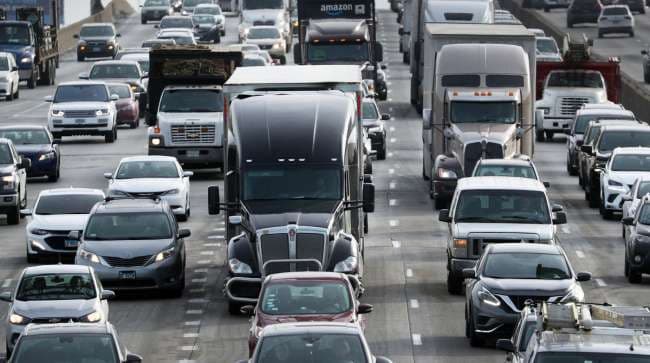

A Major Toll Hike for Commercial Trucks in Illinois
Illinois has recently set the stage for a significant jump in tolls that will hit commercial trucks with a sharp 30% increase, a move designed to pump $1.5 billion into the state’s transit infrastructure overhaul. This adjustment, approved by the state legislature on October 31, 2025, aims to fund a transition from the existing Regional Transportation Authority to a new Northern Illinois Transit Authority, which will take over statewide transit management. Alongside this, passenger vehicle tolls are set to rise modestly by 45 cents.
Details of the Toll Adjustment
| Vehicle Type | Current Toll | New Toll | Percentage Increase |
|---|---|---|---|
| Commercial Trucks | Base Rate | Base Rate + 30% | 30% |
| Passenger Vehicles | Base Rate | Base Rate + $0.45 | Variable |
This hike will take effect starting in 2027, with subsequent increases planned every two years. The measure is now awaiting the governor's signature to become law.
Industry Response: A Tough Road Ahead
The trucking community is sounding the alarm, warning that this toll escalation threatens to squeeze profit margins, strain business operations, and create ripple effects across the freight network, particularly impacting deliveries in and around Chicago. Commercial truck operators fear the financial impact will cascade through their contracts, with costs escalating for haulers who have already committed to fixed freight rates.
Voices from the Ground
- Operational Costs Balloon: For trucking firms, such as regional less-than-truckload carriers, these toll increases represent a “crippling” blow to budgets, with some seeing annual toll expenses rise into the millions of dollars.
- Safety and Investment Concerns: The increased tolls could divert resources away from critical upgrades and workforce support, potentially compromising operational safety and the ability to improve equipment fleets.
- Pressure on Freight Delivery: With higher toll expenses, trucking companies warn that prices for transporting goods will rise, potentially inflating costs for end consumers.
One executive highlighted how this toll hike is among the most impactful challenges faced in decades, underscoring the difficulty of absorbing such additional costs in the current economic environment.
Funding Public Transit: A Broader Perspective
The toll hike is part of a larger plan that includes redirecting the state’s motor fuel sales tax toward public transit funding, expected to raise around $860 million annually. In addition, an increase of 0.25% on the Chicago-area sales tax by the Regional Transportation Authority is included, with these measures collectively aiming to modernize and enhance transit services across Illinois.
The state government asserts that this investment will make public transit and tollways more efficient, reliable, and modern, benefiting the broader community and transit users.
Key Components of the Plan Include:
- Replacing the Regional Transportation Authority with the Northern Illinois Transit Authority to streamline transit governance.
- Funding over $1 billion toward new operational improvements aimed at faster, safer transit.
- Shifting existing revenue streams, avoiding new broad-based taxes on households.
The Logistics Link: How This Toll Increase Touches Freight Movement
For the logistics world, toll hikes like this can be a game changer. Higher operational costs for trucking firms can translate into altered freight routing decisions, shifts towards other transport modes, or increased rates passed down the supply chain. Because Illinois is a major freight hub—especially Chicago, known as a critical node in national rail and road transport networks—the impact can echo far beyond state lines.
Here's a quick glance at how toll hikes can influence logistics:
| Impact Area | Possible Effects on Logistics |
|---|---|
| Operating Costs | Increased tolls boost expenses for trucking companies, squeezing margins. |
| Transport Planning | Logistics planners might reroute shipments to avoid toll-heavy routes, potentially increasing delivery times. |
| Supply Chain Pricing | Higher freight charges may be reflected in product prices for consumers. |
| Infrastructure Investment | Revenue raised aims to improve transit infrastructure, which could benefit overall freight movement efficiency in the long term. |
Why Staying Ahead is Crucial
As logistics managers and freight carriers navigate this new change, understanding the broader transportation funding environment is essential. The ripple effects on moving bulky items, large shipments, and regional deliveries require a nimble approach to cost management and route optimization.
Navigating These Changes with Insight and Flexibility
While official reactions and industry reviews highlight the potential challenges and risks posed by this toll increase, nothing quite compares to firsthand experience in evaluating its real impact. Platforms like GetTransport.com make it easy to adapt by offering global access to affordable cargo transportation services, allowing businesses and individuals alike to explore alternatives and competitive options without breaking the bank.
From relocating offices and homes to transporting vehicles, bulky goods, or regular shipments, the platform’s diverse offerings provide a transparent and convenient way to manage transportation needs amidst shifting toll policies and operational costs. By ordering cargo transportation through GetTransport.com, users can balance cost and reliability while navigating these evolving logistics landscapes.
Book your cargo transportation at GetTransport.com and take advantage of the best prices worldwide with the convenience and reliability you deserve. GetTransport.com
Looking Ahead: Toll Hikes and the Global Logistics Outlook
Although this toll increase is quite significant for Illinois trucking and freight operations, its immediate effect on global logistics is likely limited. However, it serves as a reminder that infrastructure funding and transportation costs are dynamic and affect the entire supply chain, from local delivery to international freight forwarding.
For platforms like GetTransport.com, staying up-to-date with such developments ensures they continue to offer efficient, cost-effective, and comprehensive transport solutions that meet diverse and changing logistics needs.
Start planning your next shipment with confidence, secure your freight efficiently, and optimize your delivery budgets by taking advantage of transparent and affordable services provided by GetTransport.com.
Conclusion
In summary, Illinois’ legislative move to raise truck tolls sharply reflects a larger emphasis on funding public transit improvements but brings considerable concerns for the trucking and logistics sectors about rising costs and potential disruptions. For freight companies, this means recalibrating routes, pricing, and operational approaches to offset higher expenses. While the toll hike may pressure short-term logistics budgets, the ambitious plan could modernize transit infrastructure, offering long-term benefits for cargo movement efficiency.
Freight operators, movers, and logistics planners accessing services like GetTransport.com gain a powerful partner in navigating these shifting challenges. With the platform’s wide choice of global transport options at reasonable prices, managing shipments—from pallets and containers to bulky items and household moves—becomes smoother and more affordable. Ultimately, such platforms help absorb market shocks, ensure reliable delivery, and provide essential flexibility in an ever-evolving transportation world.