




Begin with a mandatory due-diligence policy that requires disclosure of origin for all refined minerals and a verified supplier list. This sets clear expectations for all participants and helps commissioners and governments coordinate risk response, clearly defining what must be listed and verified. Suppliers complied with the policy, and public reporting highlights gaps and strengthens accountability across the supply chain.
Establish traceability that covers both direct and indirectly sourced materials. Create a standard data set that records country of origin, mining entity, and chain of custody steps. This supports robust efforts to remove high-risk material from supply lines and provides clearly verifiable evidence for commissioners and governments. Records can be verified by a auditor to compare with international listed datasets and supplier declarations, and flag discrepancies. By documenting detail in a consistent format, you reduce ambiguities and enable risk assessment globally.
To reduce risk, align procurement with international standards and maintain an ongoing dialogue with many suppliers. Use straightforward, machine-readable disclosures for each shipment, including mineral type and country of extraction. This practice, called due diligence, helps you detect red flags early and keep focus on material origin rather than general assurances. When records are shared, an independent review by a auditor can verify claims against listed sources and flag discrepancies. This drives improvements and clarifies where control gaps remain, with guidance that is applicable globally.
Communicate progress with stakeholders via concise dashboards and public summaries. Governments and commissioners benefit from a standard, consistent set of metrics, so audits and improvements are trackable over time. Many organizations adopt a phased plan: begin with the highest-risk minerals on the international lists, then expand to other materials as data quality improves. This approach reduces ambiguities and builds trust among suppliers, customers, and civil society, while demonstrating tangible progress in how minerals are sourced and managed globally.
Conflict Minerals: Practical Guide to Responsible Sourcing and EU Due Diligence
Implement an EU-aligned due-diligence plan immediately, starting with a complete mapping of all 3TG minerals and their suppliers, then establish a risk-based remediation framework.
Assign clear ownership within management, designate a due-diligence lead, form a cross-functional team, and define budgets for auditing, traceability, and supplier engagement as a part of the program.
Map the supply chain to identify mining origins, then assess risks by country, commodity, and supplier tier. Use a scoring model and alert mechanisms to flag high-risk nodes, then coordinate remediation with the supplier.
The EU Regulation provides a mandatory framework for importers of tin, tantalum, tungsten, and gold; required steps include due-diligence policies, country-of-origin mapping, risk assessments, supplier engagements, ongoing monitoring, and annual reporting where applicable. For us-listed groups, align with SEC disclosures while staying compliant with EU requirements to streamline efforts and reduce regulatory friction.
Build guiding principles for responsible sourcing, address identified risks publicly where appropriate, alert management to emerging risks, and allocate financial resources to implement corrective actions without delay.
Engage with mining communities and groups to understand on-the-ground risks, and collaborate with organization networks to establish shared standards and improve traceability across the supply chain. This guiding collaboration helps address gaps quickly and strengthens public confidence.
Consider india as a notable example of a diverse sourcing landscape; tailor due-diligence controls to local regulations, document origin tracing, and verify supplier certifications to maintain consistent risk management across countries.
Remediation and supplier exit plans protect the supply chain: if a supplier falls short of standards, escalate to management, set a concrete remediation timeline, and, if needed, terminate the part of the supply arrangement while informing stakeholders.
Monitor progress with concrete metrics: track the number of suppliers screened, the share of spend covered by due diligence, time-to-remediate, and the rate of non-compliant suppliers resolved. Integrate findings into internal controls and financial oversight to support ongoing improvements.
Define minerals and the due-diligence scope under the EU framework
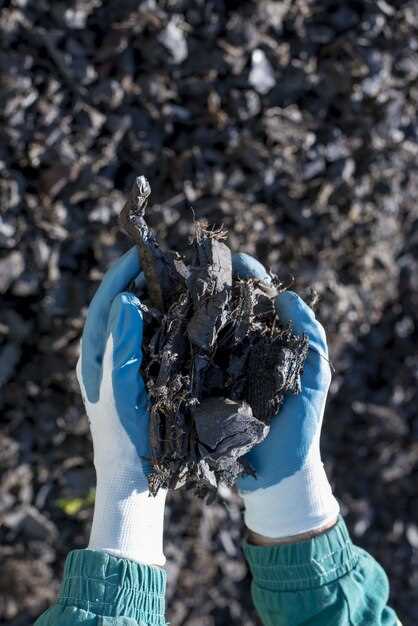
Begin by mapping minerals: Tin, Tantalum, Tungsten and Gold (the 3TG group). Align these with EU due-diligence rules covering imports, refining and components placed on the single market. The legal obligation applies to importers who bring 3TG into the EU and to the suppliers in the chain, from mine to market, across the ecosystem.
Minerals in scope are the 3TG family. The due-diligence flow below applies to products containing these metals and to the activities that place them on the market. Stakeholders include those operating in the supply chain, from extraction sites to EU-based purchasers.
Five-step framework provides the structure to identify and address risks while ensuring traceability and accountability. This approach guides actions across teams and partners to build a compliant program you can audit, report on, and improve over time.
- Establish a due-diligence policy and governance: define roles, assign oversight, and document expectations for suppliers and internal teams.
- Map and assess risks: identify origin countries, mine sites, refineries, and supply-paths; set risk ratings and maintain auditable data sources.
- Mitigate and remediate: require supplier action plans, support capacity building where needed, and replace sources that fail risk criteria.
- Document and disclose: maintain a complete evidence package and publish a summary or full report that readers can review; ensure data is accessible to stakeholders.
- Verify and improve: commission third-party verification of the due-diligence process and use findings to strengthen controls.
Implementation tips: build a data-gathering cadence with suppliers, keep a root-cause log for remediation, and align with OECD due-diligence guidelines as guiding principles for risk management. Use a data-retention plan to support audits and inquiries over time.
Supplier inquiries
- Do you operate a due-diligence policy in line with OECD guidance and EU rules?
- Can you provide origin data, mine locations, and refiner details for metals sourced in the prior year?
- Do you have chain-of-custody documents for refined material and finished components?
- What remediation steps are in place for suppliers identified as high risk?
Takeaway: a clear minerals definition and a structured due-diligence scope enable responsible sourcing across the EU market, supporting risk reduction and long-term value creation for the company and its partners.
Map the supply chain: from mine to smelter and end product

Begin with a linked data map that ties each mine to its downstream link and the final product. Use a consistent data template to capture the flow from ore to concentrator, refinery, smelter, and the manufacturer that assembles final goods.
Engage organizations and suppliers regardless of geography to collect baseline disclosures. Require early document submissions from mines and smelters to obtain chain-of-custody detail. Create below a simple set of fields: type of minerals, mine name, mine country, next facility (concentrator/refinery/smelter), facility ID, location, responsible person, batch/lot ID, extraction date, shipment date, and chain-of-custody status.
Ask targeted questions to test supply chain integrity: What type of minerals are in the ore? Which producer or equipment supplier provided the concentrate? Do the documents cover origin, transport, and intermediate products? These questions help regulate and verify minerals origin and flow, regardless of where the goods travel. Address difficult traces by validating documents with independent audits.
Set provisions for traceability, with clear expectations for data quality. If data are weak or incomplete, flag the item and require follow-up before moving to the next stage. Establish a data-quality score: target 90% completeness, and require quarterly audits. Keep the mind focused on improvements; rehearing of cases may be needed by regulators to tighten standards.
Consider regional programs, including efforts in rwanda, to illustrate practical controls. Use the template to obtain traceability data below and share with buyer organizations, manufacturers, and retailers. This approach helps them meet provisions and ensures responsible sourcing across goods and type of minerals.
The document sets a concise, auditable record that organizations can rely on to link mine data with smelter outputs and finished goods. This approach helps regulator bodies and buyer teams understand the chain and ask the right questions, ensuring traceability from mine to market.
Assess risks: origin, suppliers, and control environment
Begin by mapping origin and mandate disclosure for all direct suppliers and their second-tier networks to establish a clear baseline that you have to act on. This step reduces blind spots and gives teams a concrete starting point to manage risk daily.
Assess origin by geography, focusing on states with large mineral production and unstable political conditions. Review money flows that connect mines to manufacturing sites to identify hidden risk. This risk often hinges on opaque networks and requires a risk matrix to rate origin issues from 1 to 5, and document requirements for suppliers to address each gap.
Build a robust control environment that teams can conform to. Mandate a baseline set of supplier requirements and measures, including on-site audits, chain-of-custody checks, and quarterly disclosure updates. Direct and indirectly connected suppliers must align with the policy; the money trail should be auditable.
Map supplier networks: list members of the chain and identify pending remediation items. Prioritize second-tier suppliers for risk reviews, because issues often originate beyond first-tier. Set boundaries to prevent leakage into high-risk regions and require documentation to conform with standards.
Implement traceability and disclosure routines: publish a concise report that shows number of audited entities, the share that conform, and social impact outcomes. For each item, record the state of progress and any pending actions. This keeps stakeholders informed and reduces ambiguity.
In the context of tantalum and other conflict minerals, apply OECD-aligned due diligence steps: identify origin, verify supply chain through documentation, and require suppliers to provide a traceable money trail from mine to manufacturing plant; if verification fails, escalate to senior members and impose a temporary halt until remedial actions are completed.
Prioritize measures that can be implemented quickly: require initial risk assessments at onboarding and update quarterly; use a transparent scoring rubric to categorize risk levels and to guide supplier development plans.
Thanks to a collaborative culture, teams stay focused and compliant across states and across the supply network. A note of thanks goes to teams for their diligence in maintaining boundaries and pushing for transparent disclosure.
Set up ongoing due-diligence processes: policies, audits, and corrective actions
Implement a formal due-diligence policy approved by the executive team within 30 days, and embed it into the corp strategy to guide procurement and sustainability initiatives. This policy sets clear expectations for suppliers and internal teams and anchors accountability across the organization.
Develop district-level mapping to identify minerals from mined sources and recycled content across supply chains, and assign responsibility to the district and business units as part of a large governance plan. Use a practical guide that aligns with regulatory standards and regulate sourcing practices throughout the district.
Institute a three-layer audit program: internal checks, external audits by qualified firms, and independent verification. The external audits should pass defined criteria and be conducted with sufficient scope to reflect material risk. Build audit findings into a live update that informs changes to the process and controls, ensuring the functionality of data capture and traceability systems. Even smaller suppliers are included through sampling and tailored criteria to prevent gaps. Audits that passed independent verification remain on file for governance reviews.
Define corrective actions with a fixed workflow: root-cause analysis, assignment of owners, remediation steps, and a target date. Each finding triggers a follow-up review, and the closure evidence is documented. Update the CAPA plan as new developments emerge, and ensure the organization stays aligned with evolving expectations.
Governance and accountability take place at the highest level: the executive team reviews audit results, and the board approves annual summaries. The company sets clear roles, deadlines, and escalation paths, and stays aligned with the best practices in supply-chain integrity. This approach keeps the corp aligned with stakeholder needs and markets that demand responsible sourcing.
Keep reports and communications transparent: publish policy updates and periodic progress updates to internal teams, suppliers, and district partners as appropriate. This update cycle reflects the latest research and regulatory developments, and supports continuous improvement through a straightforward, accountable pipeline. Follow the set plan and believe that consistent action strengthens trust and value across the organization. Obviously, leadership must stay engaged to ensure lasting impact.
Disclose and report: timelines, formats, and stakeholder communication
Recommendation: Publish a fixed, public timeline for disclosing conflict-affected sourcing data, and format your reports to meet stakeholder needs across countries.
Adopt a 12-month reporting cycle with explicit milestones: once the initial dataset is released, publish a mid-cycle update, and issue a final reconciliation within the year. This keeps numbers transparent and allows buyers, civil society, and governments to meet accountability expectations and to keep the most relevant data up to date.
Provide both human-readable and machine-readable formats, labeling every field: countries, mines, products, year, and source of conflict-affected mining. Use a labeled structured data file (CSV) and a machine-readable format (JSON or XML) paired with a concise interpretive mapping document to help issuer teams and external comment writers interpret things clearly.
Share updates with a broad set of stakeholders via your issuer channels, civil society, supplier networks, and governments. Use guiding comments to explain data gaps, provide context on conflict-affected areas, and clarify any assumptions. Maintain an open feedback loop to meet differing needs across jurisdictions, making the process mostly transparent.
Keep communications labeled clearly and version-controlled; publish the rationale behind numbers and any estimations. Include a brief note on reasonableness and limitations, so readers understand what is known and what remains uncertain.
Most updates should be concise yet complete, covering the most material changes. Use summaries that meet every stakeholder group, and offer deeper dive sections for those who need more detail. If you label data by country, provide a quick crosswalk to the underlying sources and the mining context to avoid misinterpretation.
After release, monitor feedback through formal and informal channels, adjust formats as needed, and keep your audience informed about how your reporting is improving; annual assessments show accountability progress and help both producers and buyers stay aligned.