




Maailman suurinta huolitsijaa ei ole yhtä, eikä se ole kiertelyä. Se riippuu siitä, mitataanko sitä bruttoliikevaihdolla, merikonttien volyymilla vai lentotonnimäärällä, koska kussakin niistä johtaa eri yritys. Aseta huolitsijat järjestykseen merirahtien mukaan, ja kiinalainen ryhmä Sinotrans siirtää eniten kontteja. Aseta ne järjestykseen lentorahtien mukaan, ja Kuehne+Nagel kuljettaa eniten tonnimäärällä. Aseta ne järjestykseen rahan mukaan, ja DSV on nyt taulukon kärjessä DB Schenkerin nielaisemisen jälkeen. GetTransport.comissa työskentelemme näiden huolitsijoiden rinnalla ja vastaan tosielämän lähetyksissä, joten luemme rankingit karttana siitä, kuka hallitsee kapasiteettia missäkin kuljetusmuodossa, ei ainoana trofeena. Tässä on vuoden 2026 tilanne, joka perustuu Armstrong & Associatesin maailmanlaajuisiin rankingeihin ja selitys siihen, miksi johtaja vaihtuu mittarin mukaan.
Kerätyt tulokset, liikevaihdon, merikuljetusten ja lentokuljetusten mukaan
Armstrong & Associates arvioi maailman parhaat huolitsijat yhdistettynä keskimääräisenä bruttologistiikkatuottojen, merikuljetusten TEU-yksiköiden ja lentorahtitonnien perusteella. Tämä on nimenomaan huolitsijaluettelo, ei laajempi Armstrong 3PL -arviointi, jossa Amazon on kärjessä noin 172 miljardilla Yhdysvaltain dollarilla sisäisen logistiikkansa ansiosta. Alla oleva taulukko näyttää huolitsijoiden järjestyksen kolmella taustalla olevalla luvulla käyttäen uusimpia A&A-tietoja. Lue rivi poikki äläkä vain katso alaspäin sijoitusta, koska sarakkeet eroavat toisistaan.
| Järjestys | Huolitsija (pääkonttori) | Liikevaihto | Ocean TEU / Ilma-metritonnit |
|---|---|---|---|
| 1 | Kuehne+Nagel (Sveitsi) | noin 33,8 miljardia Yhdysvaltain dollaria | 4,33 miljoonaa TEU / 2,03 miljoonaa tonnia (ilmajohtaja) |
| 2 | DSV (Tanska) | noin 37,4 miljardia Yhdysvaltain dollaria (liikevaihtojohtaja) | 3.70M TEU / 2.01M tonnia |
| 3 | DHL Global Forwarding (Saksa) | noin 35,5 miljardia USD | 3,27 milj. TEU / 1,77 milj. tonnia |
| 4 | Sinotrans (Kiina) | Noin 13,6 miljardia USD | 4,93M TEU (merijohdossa) / 0,91M tonnia |
| 5 | Nippon Express (Japani) | noin 17,2 miljardia Yhdysvaltain dollaria | 1,81 milj. TEU / 0,93 milj. tonnia |
| 6 | CEVA Logistics (Ranska) | noin 18,3 miljardia Yhdysvaltain dollaria | 1,73 miljoonaa TEU:ta / 0,68 miljoonaa tonnia |
| 7 | Expeditors (USA) | noin 11,1 miljardia USD | 0,86 miljoonaa TEUa / 0,93 miljoonaa tonnia |
| 8 | C.H. Robinson (USA) | Noin 14,8 miljardia dollaria | 1,26 milj. TEU / 0,28 milj. tonnia |
| 9 | GEODIS (Ranska) | Noin 11,7 miljardia USD | 0,96 milj. TEU / 0,27 milj. tonnia |
| 10 | Maersk (Tanska) | noin 15,1 miljardia USD | 0,64 milj. TEU / 0,32 milj. tonnia |
Kolme johtajaa ovat kolme eri yritystä. Sinotrans johtaa meriliikennettä lähes 4,93 miljoonalla TEU:lla, Kuehne+Nagel johtaa lentoliikennettä noin 2,03 miljoonalla tonnilla ja DSV johtaa liikevaihdolla, joka on noin 37,4 miljardia USD. Yksikään huolitsija ei voita kaikkia kolmea, mikä on taulukon yksittäinen hyödyllisin fakta, kun valitset kumppania.
Kuehne+Nagel, DSV ja DHL, suuri kolmikko ja DB Schenkerin mullistus
Yhdistetyn rankingin kärjessä on kolme eurooppalaista ryhmää, jotka kumpikin käsittelevät yli kolme miljoonaa konttia vuodessa. Kuehne+Nagel on Armstrongin yhdistetyn mittarin ykkössijalla ja johtaa maailmaa rahtikapasiteetissa noin 2,03 miljoonalla tonnilla. DHL Global Forwardingilla on vertailukelpoinen meri- ja ilmakuljetusmäärä, jonka liikevaihto on noin 35,5 miljardia Yhdysvaltain dollaria.
Suuri muutos on DSV. DB Schenkerin yritysoston valmistuttua 30. huhtikuuta 2025 DSV nousi liikevaihdoltaan markkinajohtajaksi noin 37,4 miljardilla dollarilla ja sen meri- ja lentokuljetusten volyymit nousivat lähelle Kuehne+Nagelia. Sen vuoden 2026 ensimmäisen vuosineljänneksen liikevaihto kasvoi noin 75 prosenttia vuodentakaisesta Schenker-yhtiön integroinnin myötä. Konsolidaatiolla on merkitystä rahdin tilaajalle, koska se keskittää enemmän kapasiteettia harvempiin käsiin, mikä voi auttaa ostovoimassa ja haitata valinnanvaraa. Seuraamme näitä liikkeitä tarkasti, sillä huolitsijoiden yhdistyminen voi hiljaisesti muuttaa asiakkaidemme käyttämien reittien hintoja ja tilaa.
Sinotrans, merikuljetusten lukumäärältään suurin, josta et ehkä ole kuullut
Sinotrans on nimi, joka yllättää ihmiset. Se on neljäs yhdistetyssä mittarissa ja sen liikevaihto on vain noin 13,6 miljardia dollaria, selvästi eurooppalaisten johtajien alapuolella, mutta silti se liikkuu enemmän merikontteja kuin mikään logistiikkayritys maailmassa, lähes 4,93 miljoonaa TEU:ta. Sen vaatimattoman liikevaihdon ja sen ennätyslukemissa olevan meriliikenteen volyymin välinen ero on selkein esimerkki alalla siitä, kuinka yksi mittari voi johtaa harhaan.
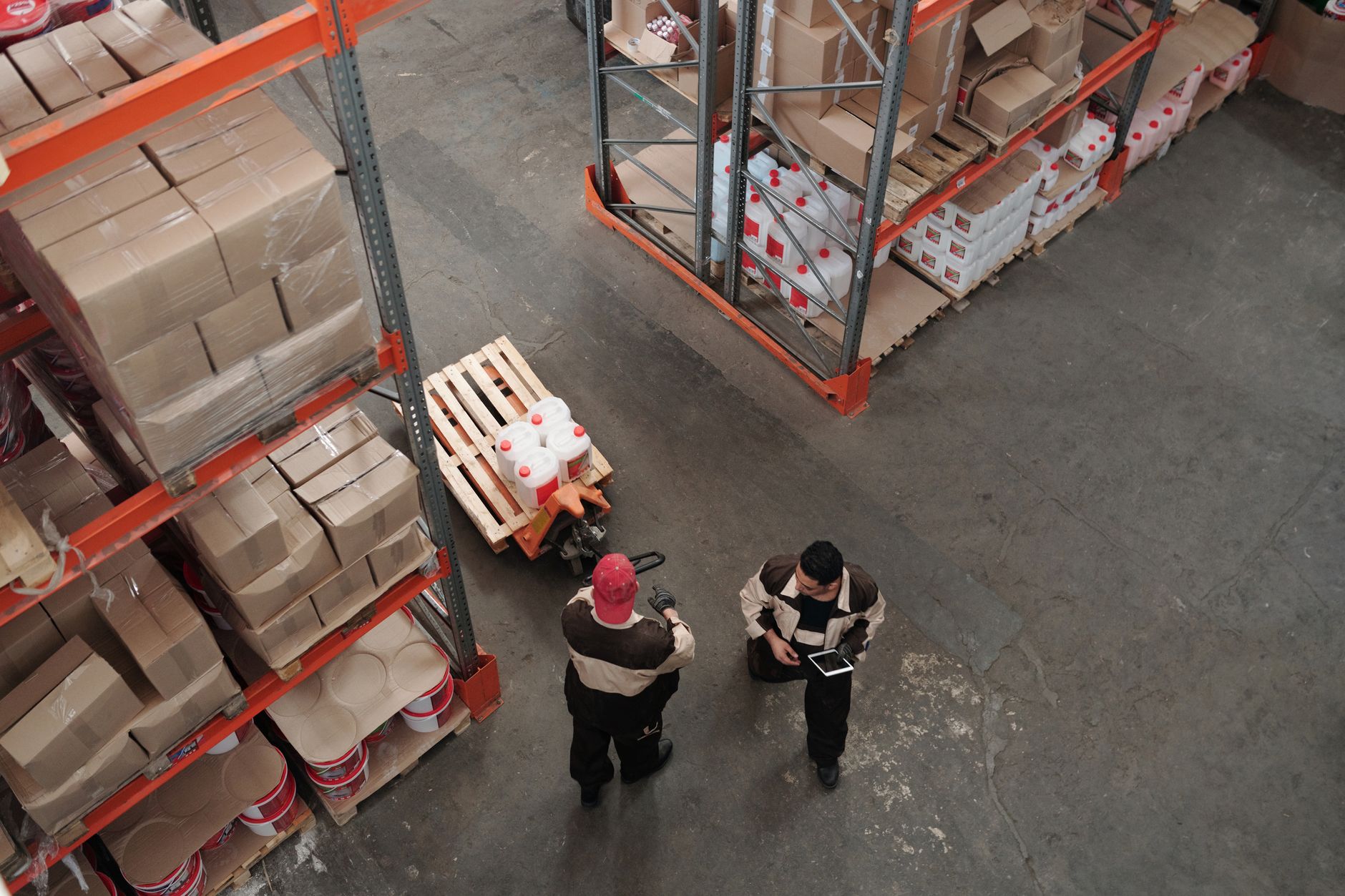
Selitys on kuljetusmuotojen yhdistelmä ja maantiede. Sinotrans keskittyy voimakkaasti merikuljetuksiin Kiinasta, jossa valtavat konttimäärät takaavat pienemmät marginaalit, joten se kirjaa valtavia TEU-määriä ilman korkean arvon lento- ja sopimuslogistiikan tuottoja, jotka nostavat eurooppalaisia ryhmiä. Kiinasta merikuljetuksia lähettävälle lähettäjälle tämä merikuljetusten syvyys voi kääntyä todellisiksi tilaeduiksi, mikä on erilainen arvo kuin globaaliin lentoverkostoon valitulla huolitsijalla. Siksi kysymme aina, mitä asiakas lähettää, ennen kuin pidämme mitään yksittäistä sijoitusta merkityksellisenä.
Miksi suurin huolitsija lähetyksellesi riippuu kuljetusmuodosta ja reitistä
Tässä kohtaa rankingista tulee käytännöllinen. Jos rahtisi kulkee meritse Aasiasta, huolitsijat, joilla on syvimmät merelliset TEU-volyymit, kantavat eniten painoa kuljetusliikkeiden kanssa ja pyrkivät pitämään tilan sesonkiaikana, kun kysyntä kasvaa. Jos rahtisi kulkee ilmateitse, tonnaasijohtajilla on verkosto ja allokaatiot pitääkseen sen liikkeellä, kun rahtitila vähenee. Jos hoidat monimutkaista monen maan sopimusta, bruttotuloilla ja varastointiasteikolla alkaa olla enemmän merkitystä kuin pelkällä rahtimäärällä.
Valitsemme huolitsijan harvoin kokonaiskoon perusteella. Valitsemme sen perusteella, miten hyvin se sopii reitille ja kuljetustapaan, sitten palvelun ja hinnan perusteella. Keskikastin huolitsija, jolla on vahva asema teidän tietyllä reitillänne, voi voittaa globaalin ykkösen, joka pitää reittiänne taka-ajatuksena, ja tämä on juuri se ero, jonka teemme oppaassamme parhaat huolitsijat Kiinasta Yhdysvaltoihin, jossa reitin vahvuus on tärkeämpi kuin globaali sijoitus.
Mitä huolitsijan mittakaavan muutokset merkitsevät lähettäjälle
Lue tämä käyttöoppaana eikä tulostaulukkona; sijoitus vaikuttaa siihen, miten valitsemme kumppanin:
- Yhdistämme huolitsijan kuljetusmuotoon, suosien valtameri-TEU-johtajia, kuten Sinotransia tai Kuehne+Nagelia merirahdissa, ja lentotonnijohtajia aikakriittisissä lentokuljetuksissa.
- Luemme bruttotuloksen sopimuslogistiikan ja varastoinnin laajuuden merkkinä, emmekä yksittäisen reitin rahtikapasiteetin mittarina.
- Käsittelemme mittakaavaa ostovoimana, jolla voi varmistaa tilan huippusesongin aikana samalla kun hyväksymme sen, että se tuo usein vähemmän joustavuutta epätavallisille rahtiille.
- Tarkkailemme keskittymistä, sillä DSV:n kaltaiset yritykset, jotka imevät DB Schenkerin, keskittävät kapasiteettia ja voivat vaikuttaa hinnoitteluun tietyillä reiteillä.
- Arvioimme linjan vahvuutta globaalia sijoitusta korkeammalle, koska keskitason huolitsija, joka on vahva reitilläsi, päihittää usein suuremman, joka ei ole.
Mikään tästä ei korvaa tarjousta varsinaiselle lähetyksellesi. Mutta se selittää, miksi ei ole yhtä suurinta huolitsijaa, jota kannattaisi tavoitella, ja miksi oikea valinta riippuu edessäsi olevasta laatikosta tai lavasta ja portit, joiden kautta se liikkuu:stä.
Usein kysytyt kysymykset
Kuka on maailman suurin huolitsija vuonna 2026?
Se riippuu mittarista. Armstrong & Associates sijoittaa Kuehne+Nagelin ensimmäiseksi yhdistetyssä rahdin välittäjien pisteissä ja ilmakuljetusten johtajaksi noin 2,03 miljoonalla tonnilla. DSV on bruttotulojen kärjessä noin 37,4 miljardilla Yhdysvaltain dollarilla DB Schenkerin yritysoston jälkeen 30. huhtikuuta 2025, kun taas Sinotrans kuljettaa eniten merikontteja, lähes 4,93 miljoonaa TEU:ta. (Armstrongin laajemmassa 3PL-luokituksessa Amazon on yleisesti kärjessä, mutta se on eri lista kuin edellä oleva rahdin välittäjien taulukko.)
Miksi Sinotrans johtaa meriliikenteen volyymissa, mutta on kokonaisarviossa alempana?
Koska se on painottunut suuren volyymin, matalapetoisen merirahtiin Kiinasta. Sen ansiosta se saa eniten TEU:ta kaikista huolitsijoista, noin 4,93 miljoonaa, mutta ilman korkean arvon lentorahti- ja sopimuslogistiikkatuloja, jotka nostavat eurooppalaisia ryhmiä, joten sen bruttotulot, noin 13,6 miljardia USD, jäävät selvästi johtajista.
Pitäisikö minun valita huolitsija sen globaalin sijoituksen perusteella?
Ei itsenäisesti. Paras huolitsija lähetykselle riippuu kuljetusmuodosta ja reitistä. Keskikastin huolitsija, jolla on vahva asema juuri sinun kulkureitilläsi, on usein parempi kuin maailman ykkönen, joka kohtelee reittiäsi vähäpätöisenä, joten painotamme reitin vahvuutta ja palvelua kokonaiskoon sijaan.