




Lock in prices and begin stockpiling critical materials now to blunt forecasted shocks and rising costs. For contractors and project teams, this reduces volatility in the short term and preserves schedule integrity by maintaining a minimum stock level that covers six to eight weeks of work.
Global disruptions keep pressure on materials and logistics, pushing costs higher across segments. One challenge remains volatility in several inputs, and prices rise into cement, steel, and engineered wood, with forecasted shortages projected for the second half of 2025. Shocks in supply chains often translate into longer lead times and higher logistics costs, impacting working capital for contractors and project budgets.
To counteract this, implement a supplier diversification plan and a rolling review of procurement levers. Prioritize flexibility in sourcing, including regional suppliers, alternative product mixes, and modular design options that reduce bespoke components. Establish a formal review cadence every 4–6 weeks to adjust orders as forecasts update; set minimum stockpiling targets for at least 4–6 weeks of critical materials to stabilize cash flow, and allow some contingency on material choice to adapt to supplier shocks.
Forecasts project a 6–9% annual rise in core inputs through 2025, with concrete, steel, and timber experiencing the strongest pressure. To limit this impact, negotiate price-adjustment clauses with suppliers that cap increases, use long-term or indexed contracts to lock in portions of the bill, and consider early ordering. Where possible, place orders earlier and consider mixed lots to spread risk, reducing penalties from stockouts and enabling price protection.
Execute a 30/60/90-day forecast and supplier scorecard to drive action. Create a single source of truth for lead times and inventory levels, with dashboards that flag when stockpiling targets fall short. Track costs trends, review contracts for price protections and force majeure clauses, and ensure suppliers are financially sound to reduce disruptions impacting project delivery.
Identify Primary Global Disruption Drivers for Construction Materials
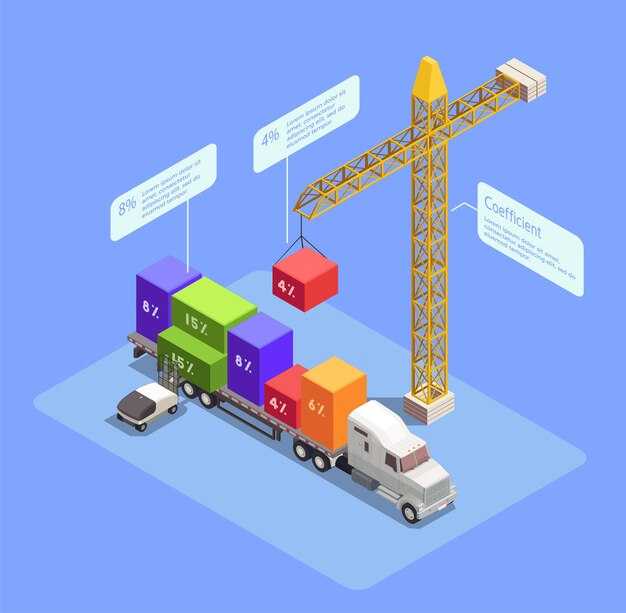
Adopt a diversified supplier network and transparent pricing contracts to shield budgets from global material shocks. Build a forecasted demand view and lock in critical materials with proactive procurement strategies.
Global disruption drivers span supply, demand, and policy. The most crucial ones today include supply chain fragmentation, port congestion, and the pace of trade restrictions. The demand surge for building materials in emerging markets compounds volatility, while commodity-specific swings in aluminum, copper, cement, and steel create unpredictable pricing signals. The risk remains elevated for several inputs, including rare earths and high-demand metals.
For aluminum and other metals, forecasted supply gaps depend on mine output, energy costs, and recycling streams. The demand side remains tight as urbanization grows and public sector projects recover. Companies should map material-specific lead times and identify alternative materials where feasible.
Adopt innovative forecasting models that combine contractor schedules, macro trends, and weather-linked risk. Track demand at the project level and align it with procurement cycles to avoid overstock or shortfalls. Maintain visibility within the supply base, including critical commodities like aluminum.
Practical approaches include multi-sourcing, nearshoring where possible, and long-term procurement agreements that lock pricing ranges. This reduces pricing volatility and builds confidence with suppliers. The goal is to keep budgets intact while ensuring delivery through capacity constraints.
Labor and logistics labor shortages affect fabrication, packaging, and shipping. When labor costs rise, project margins shrink unless procurement teams negotiate better terms or adjust schedules. Build risk buffers, and track port, rail, and trucking throughput to avoid bottlenecks. Coordinate contingency plans through data sharing.
Management and teams should implement a risk dashboard that covers global disruption drivers, supplier health, and material availability. Use a forecasted demand view to guide purchasing windows, within budget limits, and to validate needs. Collaboration with suppliers and trade partners helps mitigate lacks of capacity and improves response time.
Finally, maintain a tight budget and monitor pricing trends weekly. If disruptions persist, adjust management plans and consider innovative material substitutions or design changes that preserve function at lower cost. The objective is to keep demand aligned with supply and to stabilize project timelines globally.
Assess Regional Lead Times and Freight Cost Variability
Lock in regional freight rates via long-term contracts and build a data-driven lead-time baseline to meet needs during disruptions.
Data foundation: Gather data from sites, suppliers, carriers, and logistics partners to map lead times between regions, sites, and ports. Build a realistic distribution of transit times, including late deliveries, weekend gaps, and seasonal spikes. Use that data to forecast increases in lead times during disruptions and to plan for stockpiling where needed. weve found that regional variability often exceeds initial projections.
- Lead-time mapping between some regions, major ports, and inland hubs; quantify average, 25th, and 75th percentile times and track changes by tariffs, weather, and labor availability.
- Inventory buffers for concrete, hvac, and other critical components; set available stock targets at regional sites to cover at least a 7–14 day window during late-delivery periods.
- Tariffs and natural disruptions: model tariff exposure and natural events; adjust contracts with price collars or escalation clauses to meet cost constraints.
- Contract strategy: mix fixed and flexible freight contracts; lock in a base rate for long-term projects while reserving capacity for peak demand periods.
- Operations alignment: coordinate with procurement, field teams, and contractors to align lead-time forecasts with scheduling, ensuring many milestones stay on track.
Implementation plan: validate data in the next 30 days, renegotiate key routes, and set stockpile thresholds; extend to 60–90 days for site-level contingency planning and fully institutionalize the process by the next fiscal year. While navigating volatile markets, this approach accelerates decision cycles and reduces late project risks.
Expedited Action for Regional Variability
- Prioritize regions with the most volatile lead times and freight costs; focus on available capacity and alternate routes to reduce delays.
- Develop short-term contingency kits for high-risk sites to avoid production halts in tight periods.
Long-Term Resilience and Cost Stability
- Establish proactive supplier partnerships to smooth demand, share data, and stay ahead of disruptions; leverage data to forecast tariff impacts and adjust procurement windows.
- Implement stockpiling strategies for critical constructs and equipment, ensuring the period of risk is covered without overinvesting in idle inventory.
Quantify How Price Volatility Transmits to Budgets and Schedules

Recommendation: Build a rolling price-at-risk model that links volatile material prices to budgets and project timelines. Use a baseline forecast for a 12-month period and add scenario bands ±10–25% by sector. Track these within your procurement and project controls to stay proactive and informed.
Identify price drivers across sectors so you can quantify exposure. Shortages and price spikes for drywall and electrical materials propagate to costs and labor, and this shifts schedules. When prices rise, bids go up and contracts may require price adjustments or escalation clauses. The trend over the last 18 months shows heavy volatility in materials tied to global supply chains, with spikes in steel, copper, and resin used in electrical components.
To quantify, run a sensitivity analysis: adjust each material price by +/- 15% and observe impact on total costs and critical-path length. Within the forecast, link price inputs to a probabilistic model to estimate expected overruns. The factor linking price input to costs is the elasticity of material usage. Express risk in dollars and in days so managers can decide on proactive shifts in order timing and inventory strategies, reducing the chance of experiencing shortages at peak demand. Use a simple formula: Budget impact = base_cost * price_change. Schedule impact = lead_time_pressure * price_change, where lead_time_pressure reflects supplier delivery windows.
Establish policies and contracts that lock in pricing where feasible, or index pricing with caps. Create inventory policies that maintain safety stock for key items like drywall and electrical components. Use proactive supplier engagement to smooth order timing and maintain between supplier lead times. Align labor scheduling with material deliveries to minimize idle time. Take early actions on critical items and structure contracts to include price escalation mechanics and volume discounts, so the team strives to reduce variability across periods.
| Material/Sector | Volatility Range (12m %) | Budget Impact Range | Schedule Impact (days) | Mitigation |
|---|---|---|---|---|
| Drywall | 12–20 | 3–6% of total costs | 2–5 | Stock reserves, index-based contracts |
| Electrical | 8–16 | 2–5% | 1–4 | Long-term contracts, forecasted orders |
| Steel | 6–14 | 1–3% | 0–3 | Hedging, price caps |
| Concrete | 4–12 | 1–2% | 0–2 | Batch orders, fixed-price windows |
Map Roles and Interfaces Across Suppliers, Transporters, and Contractors
Create a cross-functional map of providers, transporters, and contractors within 7 days, assign a single interface owner, and maintain a live dashboard that tracks orders, shipments, and site readiness. This concrete step helps recover from disruptions faster by reducing handoffs and miscommunication between contractors, transporters, and suppliers, and it builds confidence in the plan. It also delivers increased visibility for the construction industry and reduces associated costs.
Roles and Interfaces Alignment
Define clear roles and interfaces for each link in the chain: suppliers provide materials, transporters move goods, and contractors receive deliveries at the site. Use a RACI-style model to designate who is Responsible, Accountable, Consulted, and Informed for each interface; align this with contract clauses that govern lead times, change management, and penalties. These decisions shorten decision cycles, improve forecasts alignment, and reduce risk to the project timeline. These roles face longer lead times and higher pressure when disruptions occur, but they align with a shared vision of transparent interfaces.
Information Flows, Forecasts, and Contract Clauses
Establish standardized information exchanges (EDI or API) so forecasts from providers feed into transport planning and site readiness. Link the period for data refresh to the supplier forecast cycle, and ensure that affected parties receive timely updates through automated alerts. Proactive updates at each interface increase confidence and shorten the time to mitigation when disruptions occur. Include an alternative transport option to handle port congestion or weather-based slowdowns, and document how natural disruptions will be managed within contract clauses to protect results. Teams learn from disruptions to tighten interfaces, benefiting the construction industry and reducing associated costs. Through these steps, you recover faster, maintain efficiency under pressure, and achieve longer-term results.
Close Communication Gaps with Clear Protocols, Tools, and Shared Dashboards
Implement a single protocol playbook and a standard toolset across all sites by year-end, with every trade partner logging updates in shared dashboards to trigger alerts when supply levels or lead times shift.
Define clear decision rights and response times across teams; establish a cross-site daily status view that shows variances in components, hvac, and trade lead times to prevent an increase in lead times, so site managers act within hours, not days.
Attach ownership through a simple account of actions: define ways to coordinate, assign a dedicated liaison at each site, require weekly updates, and align contract terms to agreed data formats, with an alternative channel for urgent requests.
Invest in training and tools that support global collaboration: cloud-based dashboards, common data models, and proactive alerts; this aligns strategies to respond quickly as teams encounter supply pressure across routes.
Measurement and results: across many sites, the approach shows significantly faster issue resolution, higher builders confidence, and a decrease in stockouts; however, numbers depend on accurate input and timely dashboard updates.