


This article is available in several public languages. Choose the version you need.

Recommendation: Frontloading your critical shipments ahead of the peak season, and starting now to lock rates where possible, with a close eye on tariffs and offered options from major carrier on the transpacific lanes, to reduce risk this year.
Demand surges when consumer spending accelerates and retailers push restocking ahead of pricing or tariff shifts. On the transpacific lanes, volumes rise, even as slot availability narrows, so levels tighten despite new ships entering service. These dynamics push rates higher and make forward planning essential for your logistics calendar.
Cycles follow capacity signals: when space tightens, carriers pull capacity and box dwell times rise, and when demand cools, rates ease. You can spot the shift by watching booking window lengths and shortfalls in equipment. mid-July often represents a turning point, as inventory cycles align with back-to-school demand and the onset of peak backhaul pressure across the Pacific. This pattern repeats with a degree of year-on-year variation, driven by macro demand and supply conditions.
Key indicators for your planning include tracking levels in contract vs. spot rates, carrier capacity utilization, and included service features. Look at forward curves, import lead times, and port congestion indices to gauge the likely peak window. When levels exceed your tolerance, you should consider hedging options, alternative corridors, or nearshoring to reduce risk. Use these signals to adjust your schedule and vendor mix, while staying aligned with tariff announcements and year-round cycles.
Operational steps for your team would include: map your lanes on the transpacific, compare tariffs and offered terms, and build a frontloading plan that reserves space ahead of known peak windows. Create a year calendar that highlights the year’s rhythm, including mid-July, back-to-school, and year-end surges, and set trigger levels to switch between container sizes or routes as conditions shift. This disciplined approach helps reduce risk and stabilize your supply chain.
Key Demand and Capacity Signals for Peak Detection
Recommendation: Track forward rates and spot rates daily on the xeneta platform, alongside container demand indicators and capacity constraints, to spot the peak window ahead. The data through xeneta shows how these signals interact and helps you act before the crowd moves.
Increasing demand through the last week and into october has pushed utilization higher on key routes such as Asia-to-Europe and trans-Pacific, signaling tighter space through the lanes that matter most.
Seen signals span multiple countries, and others join in as orders rise, with early activity often concentrated on high-volume corridors and major hubs.
Even as new services appear, space tightens; kong hubs and typhoon disruptions add pressure to schedules, especially on routes affected by weather and port congestion.
These patterns align with weekly data from xeneta forward and spot indexes and are supported by port authorities, carrier networks, and shipper feedback. White noise in the data is filtered by a disciplined view that prioritizes the signals that precede peak periods.
By last week, increases in bookings, nearing capacity, and rising rates reached a point where proactive hedging and space protection become prudent decisions ahead of the peak window.
Signals to monitor
Monitor demand momentum indicators such as booking pace, cancellations, and order age across the main lanes. Track capacity indicators including vessel utilization, queue times at key ports, and equipment availability to gauge how tight space remains.
Keep an eye on route-specific pressure, with added focus on Asia-to-Europe and trans-Pacific lanes, where changes tend to arrive first. Weather disruptions, such as typhoon events, and port congestion in kong regions can abruptly shift the balance and require quick routing adjustments.
Watch pricing signals by comparing forward and spot movements; a widening spread often signals hedging activity that foreshadows a peak. Align these data points with carrier announcements and service changes to anticipate capacity moves before they unfold.
| Signal | What it indicates | Data sources | Recommended action |
|---|---|---|---|
| Forward rate movements (increasing) | Demand pressure and capacity squeeze ahead | xeneta forward index, weekly reports | Lock in space where possible; consider longer-term contracts to stabilize cost |
| Spot rate movements | Real-time market tightness and immediate capacity stress | xeneta spot index, carrier announcements | Evaluate near-term cover strategies; adjust tender deadlines accordingly |
| Vessel utilization and equipment availability | Rising load factors; gaps in containers or chassis | carrier schedules, port data | Secure slots ahead; diversify carriers or routes to reduce risk |
| Booking lead times and cancellations | Peak risk signals from longer lead times | booking data from shippers, freight forwarders | Increase forward contracting; adjust capacity planning horizons |
| Congestion and weather disruptions (typhoon, port delays) | Local bottlenecks escalate disruption risk | port authorities, weather services, vessel trackers | Consider rerouting and contingency plans; monitor alternate gateways |
| New service announcements / blank sailings | Capacity adjustments by carriers | carrier advisories, schedules | Align network mix with anticipated demand; adjust pricing and service levels |
Practical steps for teams
Build a weekly signal digest that merges xeneta forward and spot trends with shipper booking pace and port congestion updates. Set alerts for rapid changes and for routes that historically lead peak periods.
Document lane-specific playbooks for APAC–NA and EU–NA corridors, assign owners, and test scenario plans when typhoon risk or adverse weather hits. Use the insights to time tenders, lock space earlier, and prepare alternative routings before the drama escalates.
Data Center Construction as a Driver of Project Cargo Volumes
Lock capacity two quarters ahead and secure forward pricing with your carrier partners to minimize fees and stabilize timelines for data center modules.
Data center construction has seen volumes push higher as modular builds move via containers and flat racks. Many components are transported in specialized crates, and high-value gear triggers careful handling. This pushes volumes onto ocean corridors and, when speed is critical, onto airports for rapid land legs. In the mediterranean corridor and along the west coasts, carriers offered reliable schedules, backing project timelines and helping to keep spare capacity in view. October data showed a shift toward multi-modal routes, with rising demand on the ocean and at airports, indicating a need for closer coordination between site teams and carriers. There is also a visible cause in capex cycles, as larger programs nearing completion push volumes across networks there and ahead of site readiness.
History shows that major data center programs can move thousands of containers and elevate landed costs; these patterns show how project cargo responds to capex cycles. Insights from this history point to two clear actions for your team: map critical nodes (ports, airports, inland hubs) and align procurement with site deadlines. By coordinating with their project desks and using a mix of ocean and air moves, you keep your timelines intact and reduce unnecessary delays, while the carrier network backs your plan to avoid bottlenecks.
- indicates shifting demand across routes; monitor spreading volumes and adapt to changes in October and beyond
- nearing completion of large campuses tends to push throughput toward coasts and airports, so plan a dual-path strategy
- there is a strong link between capex activity and spot rates, so lock terms before spikes appear
- Consolidate shipments into fewer loads to reduce fees and cut handling steps.
- Pre-book slots for critical modules to avoid delays as capacity tightens, especially in October.
- Use multi-modal routing: ocean for bulk modules and air for time-critical pieces; coordinate with your carrier their project teams.
- Position near your coasts or airports to shorten last-mile delivery; consider Mediterranean routes for European suppliers and the west corridor for North American networks.
- Monitor spot rates and contract terms to lock in favorable pricing before peak windows, and adjust plans if a surge in volumes is seen.
Typhoon Disruptions: Measuring Far East Freight Rate Movements
Track mid-month freight rate movements using freightos data to maintain a stable view of transpacific trends. They show how typhoon disruptions shift volume from China’s coast toward US ports, with the latest week revealing back-to-back spikes and a growing backlog that is already postponed. To reduce risk, secure capacity earlier in the week and lock flexible space with carriers that offer their hold options. Also, monitor the volume patterns and adjust forecasts for the next 4–6 weeks.
Insights from the industry indicate that the impact travels beyond a single port. The pattern indicates that disruptions propagate under transpacific lanes, and last week’s moves show an increase in the cost curve with growing pressure on both the West and East Coast terminals. There is also a trend toward longer routes, making it possible to spread volume across ports and shores. There, shippers can balance cost, reliability, and resilience as carriers adjust schedules.
Act now: pair Freightos data with carrier advisories to build a stable forecast. If you see postponed volume piling up, shift some orders earlier and consider alternative ports on the coast like East Coast ports or inland connections to ease congestion in the transpacific market. Also, monitor whether chinas constraints ease within the year; if not, lock flexible terms and run tighter lead times. The year-end surge is possible, especially if demand grows, so plan capacity, pricing, and inventory accordingly.
Europe’s Capacity Strain and the Red Sea Return: Routing and Carrier Repositioning
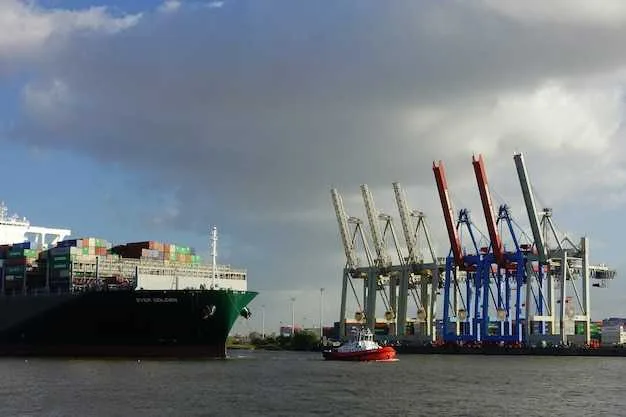
Adopt an immediate routing adjustment: shift a meaningful share of European-bound freight to Red Sea routes to ease port gridlock and free inland capacity for more predictable deliveries; coordinate carrier repositioning to secure space on mainlines and reduce terminal dwell. Freightos data show current congestion easing in some hubs, while Xeneta indicators point to price volatility tied to capacity swings.
Employ frontloading where possible to lock space earlier in the cycle, especially for transpacific streams that feed into Europe via the Red Sea corridor. This move reduces exposure to typhoon-driven disruptions and improves predictability of ship calls at core ports.
By rerouting, carriers reposition assets to Europe, lowering penalties for late bookings and easing price spikes in peak periods. Data from Freightos and Xeneta confirm a widening gap between long-haul and regional rates, creating room for flexible deployment to move capacity where it is most needed.
Operationally align schedules with feeder networks and port calls to sustain cadence without overloading networks. Continue to monitor Freightos and Xeneta dashboards to spot shifts in volume flows, so you can adjust plans before disruption narrows margins and while Red Sea paths regain momentum for the next quarter.
Ex-Asia Rates and GRIs: Oct 2025 Update Across Ocean and Air Indices
Lock in GRIs now and frontload high-priority imports from Asia for the next quarter; this platform shows a practical path to protect margins amid volatility on ex-Asia routes.
As of the Oct 2025 date, ocean indices reveal a pullback from the late-Q3 spike, while remaining exposed to weather and congestion risks. The Freightos Baltic Index (FBX) for Asia-to-North America West Coast sits near 5,200 USD per 40ft, down about 11% month over month and roughly 3% higher than a year earlier. Asia-to-Europe trades run around 3,000 USD per 40ft, down about 6% MoM with flat year over year. Asia-to-North America East Coast sits near 6,900 USD per 40ft, down about 9% MoM and up around 2% year over year. These figures reflect easing bunker costs and fewer blank sailings, but headline risks persist if typhoon activity increases or port throughput tightens again in peak periods.
GRIs announced on major ex-Asia lanes in Oct 2025 typically range from 120 to 180 USD per 40ft on key routes to USWC and EU, with some carriers layering bunker surcharges up to 25 USD per TEU. A subset of lines adds a late-October peak-season component on select trades. The trend signals carriers’ effort to restore revenue buffers after the crisis-driven squeeze earlier in the year, while multiple markets still see volatility from labor actions and terminal congestion in pockets.
On the air side, Freightos Air Index (FAI) from Asia to the US shows an upward move in Oct 2025: roughly 1.85–2.05 USD per kg, up about 9–12% MoM. Asia-to-Europe air shipments run around 1.60–1.80 USD per kg, up 7–11% MoM. These air moves support fast-response needs for high-value or time-critical cargo, even as ocean options remain the more cost-efficient path for standard volumes. Some shippers use frontloading on urgent items to avoid backlogs when space tightens, and to mitigate risk of damage or delays seen on peak bounce-backs across platforms like Freightos.
Key Oct 2025 Observations for Ex-Asia Rates
Developments point to a bifurcated landscape: ocean lanes show easing from the crisis peak, while GRIs continue to anchor revenue as carriers manage fuel, terminal, and equipment costs. In the westbound lanes, which include US West Coast and EU hubs, rate movements remain sensitive to weather disruptions and port call schedules; some date-sensitive shipments benefit from shorter transit via air when frontloading becomes viable. Some units already received confirmation of space through year-end on core lanes, signaling a stabilizing demand pattern as capacity discipline returns.
Observers should watch the October surge in typhoon activity and the cross-border union dynamics at major ports, which could tighten capacity again. For logistics planners, the clear call is to align carrier selections with the latest GRIs, lock space early for mission-critical cargos, and balance ocean savings against air flexibility on time-sensitive goods. The last window to protect margins lies in combining near-term locking with forward-looking risk buffers, using the platform to track index movements and adjust booking strategies before the next cycle begins.
Actionable Steps for Shippers

1) Frontload high-priority cargo on ex-Asia lanes now, especially for USWC and EU routes, to lock prevailing GRIs and avoid last-minute surcharges.
2) Tie bookings to the latest index signals from Freightos and related platforms; if FBX values trend down toward 5,000–5,500 USD/40ft on key lanes, advance space reservations while terms are favorable.
3) Diversify between ocean and air for time-critical shipments; use air sparingly on high-value items to avoid backlogs and damage risk, while leveraging lower ocean rates for bulk or non-urgent flows.