


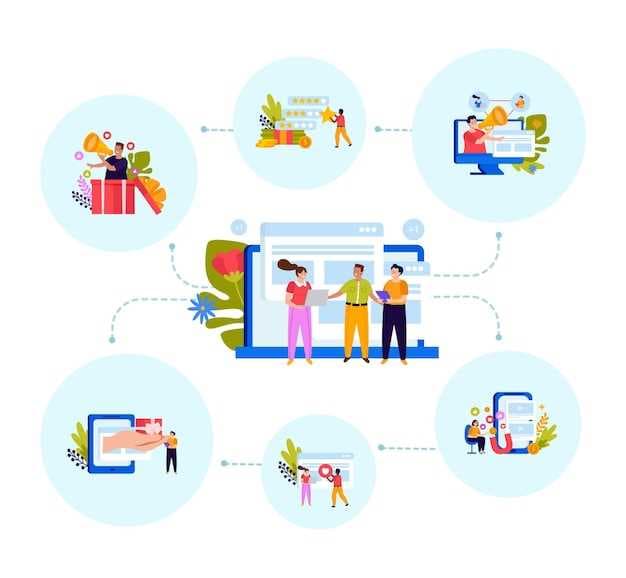

Begin with a unified data model that links orders, inventory, and customer profiles across every channel. This goal provides a single source of truth for the director, the teams, and frontline ops, helping you avoid data silos during change.
Map experiences end to end across search, product pages, checkout, delivery, and returns to ensure consistent pricing, messaging, and post-purchase support. In 2024 data, retailers who aligned supply and fulfillment across stores and online saw 15–30% higher conversion, 10–20% more repeat purchases, and retargeting campaigns that spent less per recovered cart, avoided the challenge of fragmented data.
Practical steps: enable real-time inventory across locations, implement ship-from-store, buy-online-pickup-in-store, and empower teams with analytics dashboards accessible anywhere. If a channel goes dark at entry, trigger personalized offers via retargeting to keep the experience seamless. This helps teams avoid difficult decisions and boost efficiency.
Real-world 2024 examples show how omnichannel investments pay off: a retailer cut shipping costs by consolidating fulfillment across stores, reduced returns processing time by 25%, and increased share of wallet by 8–12% through targeted retargeting and coordinated campaigns. A director-level oversight team reviews dashboards weekly to track supply coverage, channel mix, and the impact on revenue and gross margin.
For teams just starting, focus on three quick wins: unify data, align supply with channel demand, and launch a pilot in two locations with clear metrics. Expect to spend 4–8 weeks to move from concept to measurable lift, and ensure you have spent time analyzing results before scaling to more channels, anywhere you have customers.
Practical Omnichannel Retail Blueprint for 2024
Implement a customer-centric data foundation and cross-channel orchestration now: connect POS, ecommerce, CRM, loyalty, and ad networks into a single network within 30 days, then apply modeling to forecast demand and tailor messages by interests. Typical pilots should include store, instagram, and pinterest touchpoints, with a 5-week rollout and a 15-20% lift in engagement.
Build a delivery-first fulfillment plan across channels: unify inventory, enable store delivery, store pickup, and home delivery with smart routing. Typical results show 2-3 day delivery to most regions; 1-hour or same-day pickup in 40% of flagship stores where capacity allows.
Deploy chatbots to handle common inquiries across the site and instagram DMs; surface personalized offers based on interests; use retargeting with dynamic creatives on instagram and pinterest; adjust ad spend accordingly.
Define 6 core KPIs: engagement rate, retargeting ROAS, gross margin, average order value, repeat purchases, and incremental revenue. Run weekly experiments and monthly refreshes; therefore ensure the modeling framework receives fresh data and the insights feed back into campaigns.
Establish governance: set data-privacy controls, consent, data-use policies, and retention windows; ensure store, ecommerce, and social signals are compliant; maintain data quality and lineage.
Implementation blueprint: roll out in phases: Phase 1 gather data, Phase 2 pilot core touchpoints (store, instagram, pinterest), Phase 3 scale across regions; track incremental impact by channel weekly; as results rise, reallocate budgets to top-performing touchpoints.
Map cross-channel customer journeys: identify touchpoints and handoffs
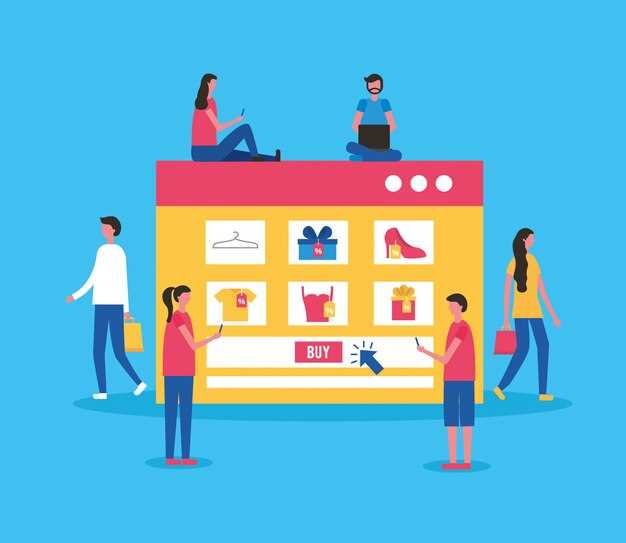
Begin with one concrete recommendation: inventory all interaction points across channels and assign an owner for each handoff to ensure accountability and speed. This approach delivers much clarity and a faster path to measurable results.
-
Build a touchpoint inventory across channels
Define every interaction a user can have with your brand: website, mobile app, physical store, email, SMS, and social channels (notably Instagram). List each touchpoint with: channel, name, user goal, data signals, and the owner responsible for that touchpoint. This creates a foundation you can act on within weeks, without guessing where friction happens.
- Channel examples include: visit, product page view, category browse, add_to_cart, checkout_start, purchase, store visit, call_center_interaction, chat, email_open, email_click, push notification, Instagram post or DM, and paid advertising click.
- Data signals to capture: session, event, page_view, form_submit, loyalty_status, search_term, and offline receipts from services or in-store POS.
-
Document handoffs and ownership
Describe how context moves between teams at each touchpoint. For example, after a site visit, the email engine should trigger a nurture message; a store purchase should feed CRM with preferences for post-purchase support; a chat escalation should pass context to a human agent. Assign an owner for each handoff and define SLA. Clear ownership accelerates response and improves satisfaction.
-
Capture events and signals
Track core events that signal intent and readiness to act. Examples: visit, product_page_view, add_to_wishlist, add_to_cart, checkout_start, and purchase. Ensure every event aligns with a data layer and a consistent naming convention so analysts and marketers can fuse signals across sessions and devices. This enables you to tailor follow-ups in a way that feels seamless and enjoyable.
-
Align data sources and tools
Consolidate data into a single customer view. Tie website sessions, app sessions, email interactions, and in-store receipts via persistent identifiers. Your tools should share a common ID across sessions and devices, improving reach and reducing wasted advertising spend. This alignment makes it possible to serve relevant product recommendations and timely offers without overwhelming the customer.
-
Set up measurement and optimization
Define concrete goals such as a final purchase, signup, or store visit. Track progress with a simple dashboard showing goal completion, time to action, and channel contribution. Monitor data quality daily and address gaps within 24 hours. A clear metric framework keeps everyone aligned with the strategic priorities and shows where advertising or content can rise in impact.
-
Governance, iteration, and ongoing alignment
Launch a 4-week pilot to validate the map with 2 personas. Use a weekly summit to align on actions, share findings, and adjust tactics. Focus areas include creative alignment, sequencing, and timing of messages across email, social advertising, and organic posts. Track signs of improvement: higher visit depth, better product discovery, and increased customer satisfaction with the experience.
Tips to sharpen results: maintain a clear goal for each touchpoint, ensure your team knows where data originates, and train frontline staff to recognize signals that indicate intent. Consider how your catalog and services cater to different needs–by simplifying paths for returning customers or offering proactive help at critical moments. With a unified map, you can design touchpoints that feel natural, reach across channels, and help customers visit and engage where they spend time, while you keep advertising aligned with actual behavior. This approach supports a much better experience across channels and makes the path to purchase more predictable for both customers and teams.
Centralize data: unify inventory, orders, and customer profiles
Implement a centralized data platform that unifies inventory, orders, and customer profiles into one source of truth. Connect ERP, eCommerce, POS, and CRM to feed a single hub, and ensure the data landscape across your website, mobile app, marketplaces, and branded stores pulls from the same record. This setup lets teams work with a consistent picture and helps your consumer-facing operations respond in real time on every device. The moment you align data, the goal becomes clear: reduce stockouts, speed fulfillment, and unlock richer consumer insights.
Define a pragmatic data model and governance: map inventory, orders, and customer data to common fields (sku, stock_level, order_id, customer_id). Use near-real-time connectors and ELT pipelines to preserve raw signals, and enforce standards so analyses align across teams. Then expose a 360-degree customer view (history, preferences, loyalty status) while keeping inventory sync accurate to a tight window. Early governance and data quality checks prevent anomalies that would derail forecasting and fulfillment. Thats why we document field definitions in a simple data catalog. This clarity helps teams that manage campaigns and operations stay aligned and respond faster.
Concrete impact from a well-orchestrated central data layer includes cross-channel visibility, instant order status, and faster restock. In pilots, teams have reported 20–30% fewer stockouts, 15–20% faster restock cycles, and 5–10% higher order value when recommendations leverage unified profiles. For a brand like nikes, the unified view supports coordinated campaigns across branded stores and marketplace partners, reducing consumer friction and giving teams the edge to act in high-momentum moments.
Dont rely on manual exports; build automation into your data flow. Create a concise training plan for merchandising, operations, and marketing so every team understands the unified view and its dashboards. Use a phased rollout: start with core SKUs and top channels, then expand to rest of catalog. Take advantage of event-driven updates and set up alerts for stockouts, delays, and data quality drift. Network the data across the branded ecosystem so partners share a common understanding, unlock faster decisions, and take advantage of a unified customer profile across channels.
Choose scalable integration patterns: APIs, event streaming, and middleware
Start with a unified integration plan that centers APIs, event streaming, and middleware as the three scalable patterns you’ll rely on today. This approach lets you move fast while keeping data consistent across apps and partners without duplicating work. For leading brands such as coca-cola, a unified layer accelerates sharing product, inventory, and marketing signals in real time, driving real outcomes everywhere. Which patterns fit each domain depends on data gravity and partner needs. Drive a pattern of deliberate, incremental wins to show progress quickly.
Define the needed API strategy to balance openness with control. Establish contracts first, enable versioning, and deploy a gateway that enforces security and rate limits. Use REST for broad adoption and gRPC where low latency matters; ensure idempotent operations and strong schema validation to reduce errors. Track latency, error budgets, and usage patterns to create ways to evolve endpoints without breaking existing integrations, keeping customers satisfied in todays complex environment. youll gain control without slowing your teams.
Event streaming gives a real-time backbone for emerging data flows. Pick a durable platform like Kafka or Kinesis, define events with stable schemas, and publish them to downstream services and analytics layers. This approach delivers near-instant visibility into promotions, inventory shifts, and customer interactions–across channels and devices, including videos and chatbots. It also supports enhancing the experience by reacting to events instead of polling systems, helping influence daily operations across the business.
Middleware connects APIs and events into coherent workflows. Prefer lightweight, cloud-native connectors (iPaaS or microservice-ready middleware) over heavy ESB stacks; design adapters that normalize data, handle retries, and support idempotent processing. Implement centralized governance, observability, and secure credential management to keep the whole system resilient as you scale, enabling partners and markets everywhere to access needed data without friction; youll ignore legacy bottlenecks and accelerate time to value.
Implementation checklist and metrics: map data contracts and events, select primary patterns for each domain, set security baselines, run pilot programs with a small partner group, and then scale to global coverage. Track time to onboard partners, API latency under 200 ms for user actions, event throughput targets, and system availability. With this approach, customers experience unified interactions across stores, apps, and virtual channels.
Analyze 2024 exemplars: retailers that scaled omnichannel successfully

Build a unified data layer that connects online and offline touchpoints to deliver personal, consistent experiences across channels. In retailing contexts, this approach resulted in higher efficiency and higher conversion, as emerging technologies extend reach.
Sephora uses digital-native experiences to feel personal to digital natives, with their app and loyalty program personalization driving conversions. Store staff access personal data, inventory, and order status on mobile devices, enabling some enjoyable interactions. This resulted in higher average order value and more repeat visits, and their customers receive tailored recommendations and support, strengthening individual engagement.
Best Buy's omnichannel push embraced BOPIS and curbside, with real-time inventory across stores and online, improving efficiency of fulfillment and increasing share of wallet. The company built a powerful cross-channel service model that supports customers doing more online while visiting stores for installation and pickup.
IKEA expanded through AR tools in the shopping experience, letting shoppers preview furniture at home and order through the same account. These digital tools boosted confidence and conversion, while reducing returns and increasing customer enjoyment. Store staff using in-store kiosks can do more with fewer steps, strengthening cross-channel support.
Another guideline for 2025: build on a single source of truth for product and inventory, use data to personalize offers, empower in-store teams with mobile devices, and measure impact by higher conversions and retention across channels. Focus on efficiency of fulfillment, simpler returns, and credit the team for their work, because their effort translates into stronger customer outcomes.
Define go-to-market metrics: adoption rates, channel mix, and fulfillment speed
Target adoption rates by channel and tie incentives to hitting them. Build a shared dashboard that shows adoption by channel for each product line and ties to revenue outcomes. For example, set a 40% adoption rate for Shopify-based shop fronts and Facebook Shop combined within the next 90 days, with a minimum 25% contribution to online revenue and a 15% lift in average order value on those lines.
Define adoption rate as the percentage of customers who use a channel at least once per quarter. Closely monitor channels like facebook, shopify, pop-ups, and stores. Focus on those that show the strongest influence on revenue and preference signals; if a channel like pop-ups shows a 10% impact, scale by running limited-time promotions tied to the line, and use training to improve the team's ability to convert in-store interactions into online orders.
Channel mix should reflect customer interests and the stage of the product line. Use data to determine which channels contribute most to revenue and engagement. The same approach applies to brands such as nikes or vida shop; a line that performs well on shopify and pop-ups may also require augmented reality try-ons to drive conversion. Use pop-ups in high-traffic stores to experiment with those channels, then unify with a long-term strategy.
Fulfillment speed: track average delivery time by channel and region. Target to reduce average delivery to under 2 days for local delivery and under 5 days for national shipments; track on-time delivery rate above 95%; implement a simplified logistics stack with Shopify fulfillment network and local pop-up pickup options to accelerate delivery. Leverage augmented reality previews to show real-time stock for those channels. Align with delivery times; ensure least friction at checkout.
Training and team alignment: designate owners, set weekly reviews, and deliver short training modules for those teams. Use these insights to determine changes in assortment, channel mix, and delivery options, and keep the team closely aligned with revenue goals and customer preferences. Apply a future-proof lens to channel choices to stay ahead of shifting trends and influencer activity on facebook and other platforms.
| Channel | Adoption Target (%) | Revenue Share Target (%) | Avg Delivery Time (days) | On-Time Fulfillment |
|---|---|---|---|---|
| Shopify Shop | 40 | 28 | 2 | 98% |
| Facebook Shop | 15 | 12 | 2 | 97% |
| Stores & Pop-ups | 20 | 18 | 3 | 95% |
| Vida Marketplace | 15 | 20 | 4 | 92% |
| Amazon/Other | 10 | 22 | 4 | 93% |