


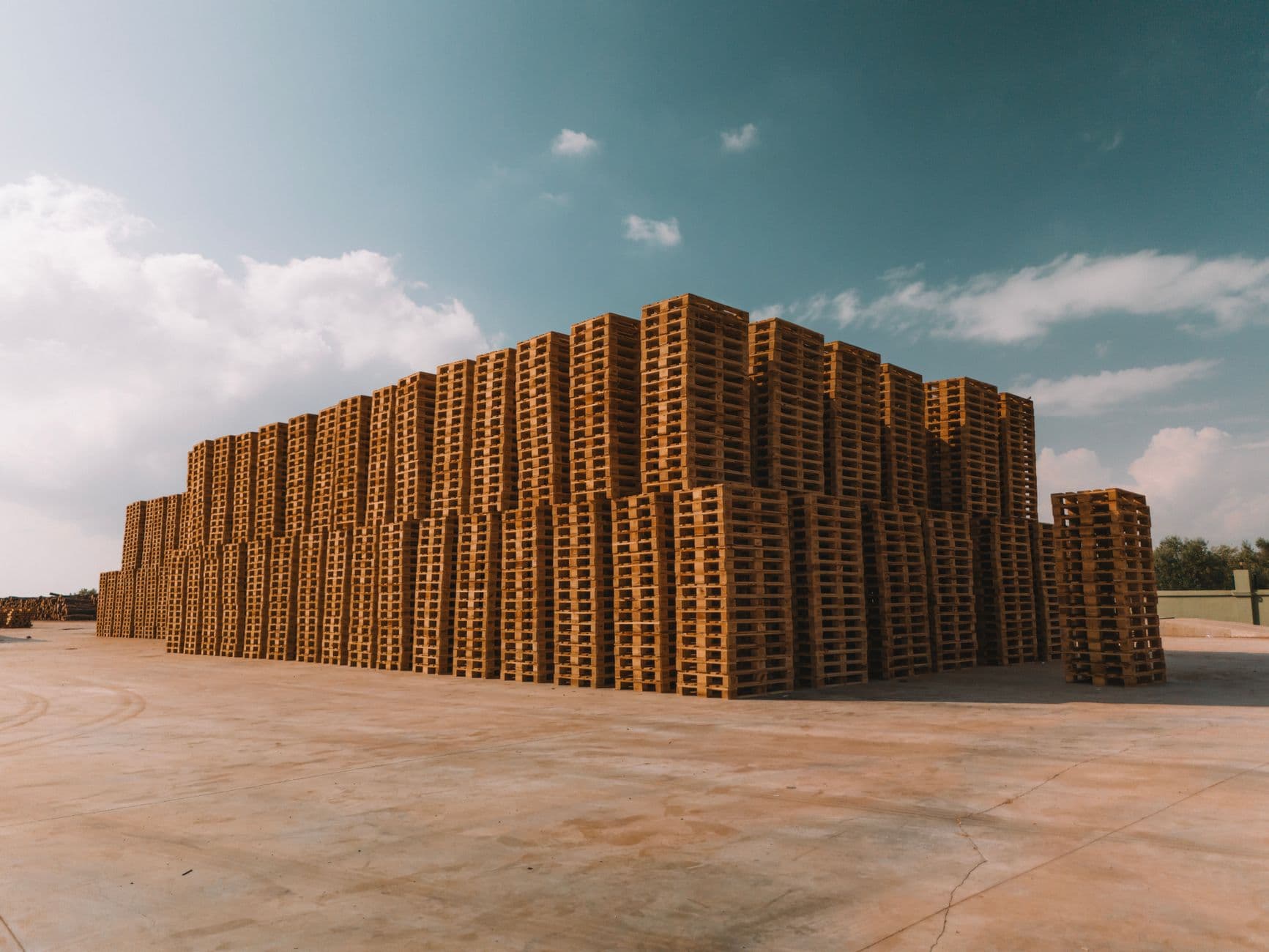

We once watched a full container get denied entry because of the pallets under the cargo, not the cargo itself. The goods were clean and the file was in order, then an agriculture officer flagged the raw-wood crate at the base of the load for a missing stamp. In that market there was no quick fumigation at the dock. The whole consignment had to be re-exported at the shipper's cost, and the box racked up demurrage while it waited. Wood packaging is treated as a pest risk in its own right, judged separately from whatever it carries, and one unmarked pallet can freeze an entire shipment. We run a freight marketplace at GetTransport.com and we do not heat-treat or stamp wood ourselves, so our job is helping the shippers and forwarders on our platform get the packaging right before a box ever reaches the yard.
What ISPM-15 actually is, and why border agents care
ISPM-15 is International Standard for Phytosanitary Measures No. 15, issued by the International Plant Protection Convention (IPPC) under the FAO. It was first adopted in 2002 and revised since, notably in 2009 when debarking became a firm requirement. The standard governs one narrow thing: wood packaging material, known in the trade as WPM. That means pallets, crates, boxes, dunnage, bracing, and cable spools built from solid or raw wood thicker than 6 mm.
The reason an officer cares is biology, not bureaucracy. Untreated wood can carry live pests deep inside it. The Asian longhorned beetle is the textbook case. It first turned up in New York in 1996, traced to wood packaging arriving from Asia, and the USDA Forest Service has estimated that if it became established nationwide it could kill up to 1.2 billion urban trees and cause losses reaching 669 billion US dollars. The emerald ash borer, another wood-borer, has already killed tens of millions of ash trees at a cost researchers put in the billions. ISPM-15 sets a treatment that kills those hitchhikers, plus a mark that proves the treatment happened.
More than 180 contracting parties belong to the IPPC, and the big buyers of the world enforce the standard on inbound wood, among them the United States, the EU, China, the GCC states, and Australia. One point trips people up. Wood packaging used purely inside one country, never crossing a border, sits outside the standard. The moment your pallet leaves the customs territory, it needs to comply.
The treatments that make wood compliant
What matters is not the type of wood but the treatment it received, and whether that treatment is stamped on it. The IPPC recognises a short list of approved methods, each with its own code in the mark.
Heat treatment, the workhorse
Heat treatment carries the code HT, and it is what we see on the overwhelming majority of pallets moving through our platform. The rule is specific. The core of the wood has to reach at least 56 °C and hold there for a minimum of 30 continuous minutes, right through the profile of the timber, not just at the surface. Conventional kiln drying that hits the same 56 °C for 30 minutes qualifies as HT, which is why North American producers often show it as "KD-HT" on the stamp. Heat treatment is accepted everywhere ISPM-15 applies, so it is the safest default for an exporter shipping to mixed destinations.
Fumigation, and why methyl bromide is fading
Methyl bromide fumigation, code MB, was the other historic option. It is being pushed out because the gas depletes the ozone layer. The EU has not permitted methyl bromide treatment since 2010, and a lengthening list of countries will reject an MB-marked pallet on arrival. If your treatment provider still offers only MB, treat that as a warning sign. Sulphuryl fluoride, code SF, is a newer fumigant the IPPC approved through its phytosanitary treatment PT 23, and some regions now accept it. There is also dielectric heating, code DH, which uses microwave energy to raise the wood core quickly.
| Code | Method | What it means, and where it stands |
| HT | Heat treatment | Wood core at 56 °C for 30 continuous minutes. Accepted everywhere. The most common mark. |
| DH | Dielectric heating | Microwave heating of the core. Fast, useful for thicker timber. |
| MB | Methyl bromide fumigation | Being phased out. Banned in the EU since 2010 and refused by many others. |
| SF | Sulphuryl fluoride fumigation | Newer option under IPPC treatment PT 23. Not accepted in every market yet. |
| DB | Debarked | Not a treatment. An added marking, mandatory since the 2009 revision, showing bark was removed. |
How the mark works, and who stands behind it
The proof of treatment is a stamp burned or stencilled onto the wood, and the trade calls it the wheat stamp after the logo. No mark means non-compliant, however the wood was actually treated. When we vet a supplier's pallets, we look for four elements.
- The IPPC logo. A small stylised wheat-stalk symbol on the left, the internationally recognised badge that this wood falls under the Convention.
- The two-letter ISO country code. Where the wood was treated, for example US, CN, DE, or AE. It sits next to a producer number.
- A unique producer or treatment-provider number. The traceability key, assigned by the national plant protection organisation, so an inspector can trace a suspect pallet back to who treated it.
- The treatment code. HT, MB, DH, or SF, sometimes with DB for debarked.
The mark has physical rules too. It must appear on at least two opposite sides of each unit so it stays visible however the pallet is stacked, and it has to be permanent and legible, never hand-written and never in ink you could add with a marker pen. The IPPC even asks that the mark not be red or orange, because those colours are reserved for dangerous-goods labelling. One formatting detail now matters for US-bound cargo. Since 1 January 2026, US Customs and Border Protection has resumed full enforcement of the requirement that the two-letter country code be separated from the producer's registration number by a hyphen, so the mark should read "US-12345", not "US 12345" or "US12345". This is not a new rule but a return to full enforcement after a temporary suspension that ended on 31 December 2025. A missing hyphen may not reject the load outright, but it sharply raises the odds the shipment is pulled for inspection, and inspection means delay and demurrage. The mark travels on the wood, so if the physical pallet carries no stamp, a paper "certificate" will not make it compliant.
Here is the detail most exporters never think about: in many countries the stamp is not self-certified. In the United States the marking runs through the American Lumber Standard Committee (ALSC), which operates the wood packaging program under a memorandum of understanding with USDA APHIS. The ALSC currently oversees around 15 accredited third-party inspection agencies, and those agencies audit roughly 5,300 enrolled facilities. That producer number in the stamp ties a questioned pallet back to one of those accountable, audited sites, which is why a homemade stamp fools nobody.
What is covered, and what is exempt
Not every piece of wood in your load falls under the standard, and knowing the line saves needless treatment cost. The trigger is solid, raw wood over 6 mm thick used to hold or protect the cargo. Processed wood products are out, because the manufacturing already destroys any pest.
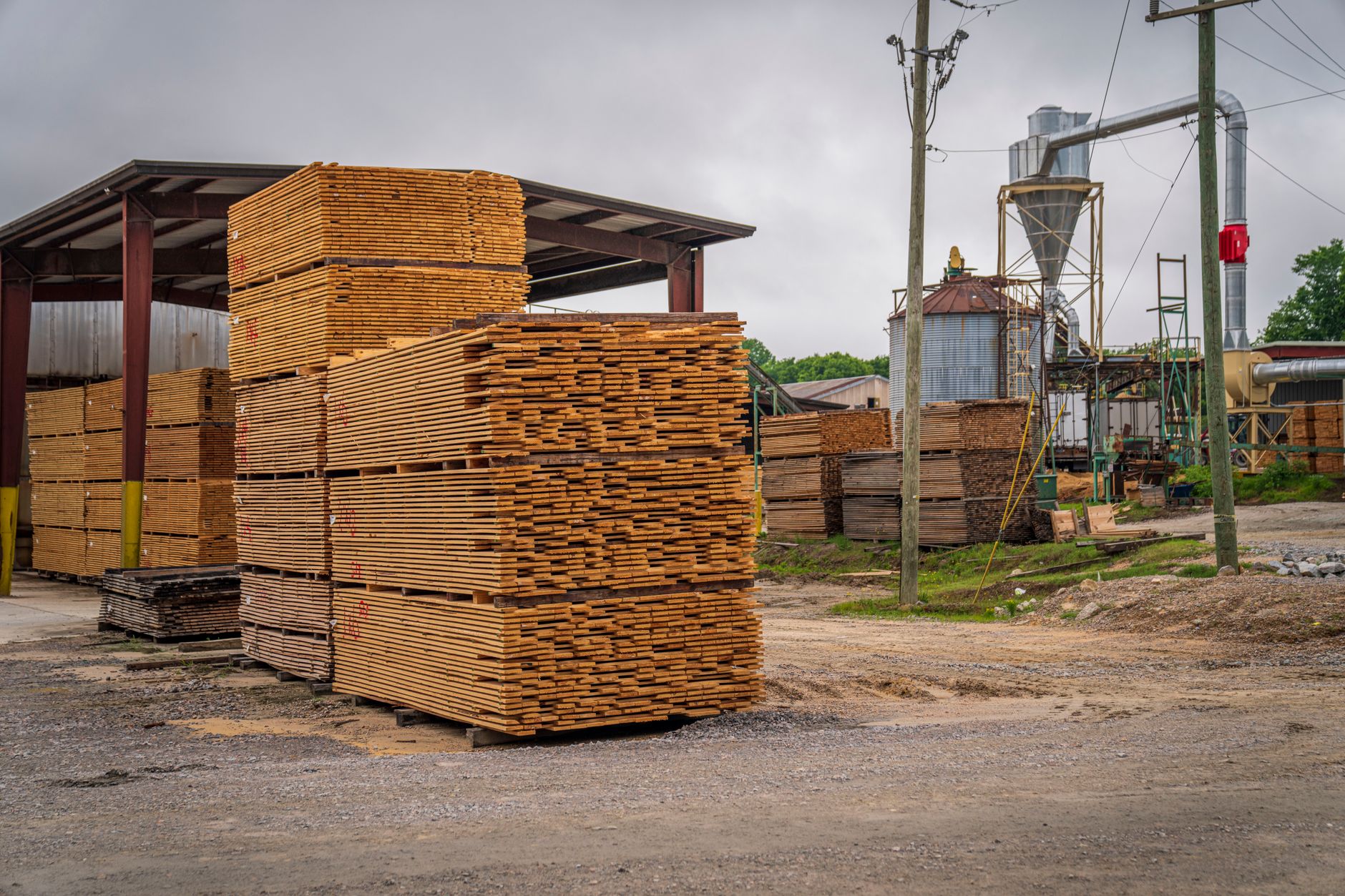
- Covered: pallets, wooden crates and boxes, dunnage, bracing timber, cable drums, and solid-wood pallet collars.
- Exempt: plywood, oriented strand board (OSB), and particleboard, all made with heat, glue, and pressure. Also raw wood 6 mm or thinner, and packaging from other materials such as plastic, metal, or corrugated cardboard.
Dunnage catches people out more than anything. It is the loose timber wedged in to stop cargo shifting, and shippers often grab whatever scrap is to hand. That scrap has to be ISPM-15 treated and marked exactly like a pallet, or it can hold the whole container. We flag it on every quote where a client loads heavy or awkward machinery.
One standard, many national twists
ISPM-15 is a single global standard, but it does not play out the same way at every border, and the differences are where exporters get caught.
- United States. US Customs and Border Protection dropped its old tolerance of five violations a year on 1 November 2017. Since then a single unmarked pallet can draw a penalty, and civil penalties can run as high as 250,000 US dollars. APHIS will not let you fix it on the spot either: non-compliant wood arriving in the US generally has to be re-exported, not treated at the dock.
- US and Canada together. The two countries recognise each other's programmes, so wood packaging moving solely between them is treated as domestic and does not need the ISPM-15 mark. Ship that same pallet onward overseas and the exemption vanishes.
- European Union. The EU enforces the mark on all inbound WPM and has banned methyl bromide treatment since 2010, so an MB pallet that is legal at origin can still be turned away in Rotterdam or Hamburg.
- China. The General Administration of Customs (GACC) inspects almost all inbound wood packaging and holds a strict bark-free line on top of the mark, where even small bark remnants can trigger rejection.
- Australia. The Department of Agriculture, Fisheries and Forestry (DAFF) layers a seasonal brown marmorated stink bug (BMSB) regime on top of ISPM-15, running on goods shipped on board between 1 September and 30 April. In that window, target goods from listed countries need heat treatment or fumigation before arrival, so an exporter can face two treatment regimes at once.
What a rejection actually costs
The penalty for non-compliant packaging is expensive, and it lands on the shipper, with the exact response depending on the country. Take the container we opened with. Because the US does not allow WPM to be fumigated at the port, it had to be re-exported, a second ocean leg and a second set of terminal charges before the goods reached the buyer.
Elsewhere the menu can include fumigation at the port at your cost, with the wait for a treatment slot, or destruction of the packaging and sometimes the goods along with it. Fines sit on top, and demurrage and detention accrue the whole time the box is held, often running into the low hundreds of dollars per container each day once the free-time window closes. Who ultimately absorbs all that can turn on your delivery terms, so it pays to know who pays at the border under DDP versus DAP before a problem lands. The clients who feel this hardest ship perishable or time-sensitive cargo, where a few days of hold can be worse than the freight bill.
A pre-export checklist we run with clients
Most ISPM-15 problems are caught in five minutes before dispatch. Here is the run-through we use before a container books out.
- Confirm the destination requires it. Almost every developed market does, but verify against the importing country's plant-health rules, since some add local twists like China's bark-free line or Australia's stink bug season.
- Physically look at the wood. Check every pallet, crate, and piece of dunnage for a clear wheat stamp on two opposite sides. Do not take a supplier's word for it.
- Read the code, not just the logo. Prefer HT for mixed destinations. If you see MB, confirm your destination still accepts methyl bromide before you ship.
- Check the wood is sound. A stamped pallet that is now split, mouldy, or carrying fresh bark or insect holes can still be rejected, because the mark certifies the treatment, not today's condition.
- Keep the treatment provider's details. Note the producer number and agency so you can answer fast if an officer queries the mark.
- For US-bound cargo, check the hyphen. Confirm the country code and producer number are separated by a hyphen, for example GB-12345, since CBP now enforces this and a missing hyphen invites an inspection hold.
The mistakes we flag most often
After enough shipments, the failures start to rhyme. Here is what we see go wrong, and what it usually costs.
- Assuming new wood is treated. Fresh-looking timber tells you nothing. Untreated new pallets are common and carry the same pest risk as old ones, so only the mark counts.
- Forgetting the dunnage. Clients treat the pallets carefully, then brace the load with random unstamped offcuts that can hold the container.
- Trusting a paper certificate over the stamp. Officers inspect the physical wood. If the pallet is not stamped, a PDF will not save it.
- Missing the hyphen on US shipments. A stamp reading "US 12345" instead of "US-12345" now flags the box for inspection at US ports, a tiny formatting slip with an outsized cost.
- Shipping MB-treated wood into a country that has banned it. Methyl bromide is still used in parts of the world, so an MB pallet can be lawful at origin and refused at destination.
- Letting the packaging clash with the file. The packing detail should line up with the rest of your export paperwork, from your bill of lading to your certificate of origin. A weight or description that disagrees invites a closer look at everything, the pallets included.
We stamp no wood ourselves. As a marketplace, we connect you with vetted carriers and forwarders and pressure-test the logistics logic, packaging included, before a box leaves the yard. The same discipline behind an accurate verified gross mass and an honest chargeable weight applies to the wood under your cargo.
Frequently asked questions
What is ISPM-15 in simple terms?
ISPM-15 is an international rule, set by the IPPC under the FAO and adopted in 2002, that requires wood packaging like pallets and crates to be treated against pests and marked before it crosses a border. The aim is to stop insects such as the Asian longhorned beetle travelling inside untreated wood.
What does the HT stamp mean on a pallet?
HT stands for heat treatment. It confirms the core of the wood was held at a minimum of 56 °C for at least 30 continuous minutes, which kills wood-boring pests. HT is accepted in every market that applies ISPM-15, so it is the safest mark to look for when you ship to more than one country.
Which wood packaging is exempt from ISPM-15?
Processed wood products are exempt because manufacturing already destroys any pest. That covers plywood, OSB, and particleboard. Raw wood 6 mm thick or thinner is also exempt, as is packaging from plastic, metal, or cardboard. Solid raw wood over 6 mm, including dunnage, must be treated and marked. Wood packaging moving only between the US and Canada is also exempt.
Is methyl bromide still allowed for ISPM-15?
It is approved under the standard, with the code MB, but it is being phased out for environmental reasons. The EU has banned methyl bromide treatment since 2010 and other countries reject MB-marked wood on arrival. Where you can, ship heat-treated (HT) wood instead, and always confirm your destination accepts MB before you load it.
What happens if my pallets are not ISPM-15 compliant?
It depends on the country. Some importing authorities order the wood fumigated at the port at your cost, others refuse the shipment and send it back, and some destroy the packaging and the goods with it. The United States generally requires non-compliant wood to be re-exported rather than treated on arrival, with civil penalties that can reach 250,000 US dollars. Fines and demurrage pile up while the box waits, and the charges land on the shipper, so it is far cheaper to check the stamp before dispatch.