


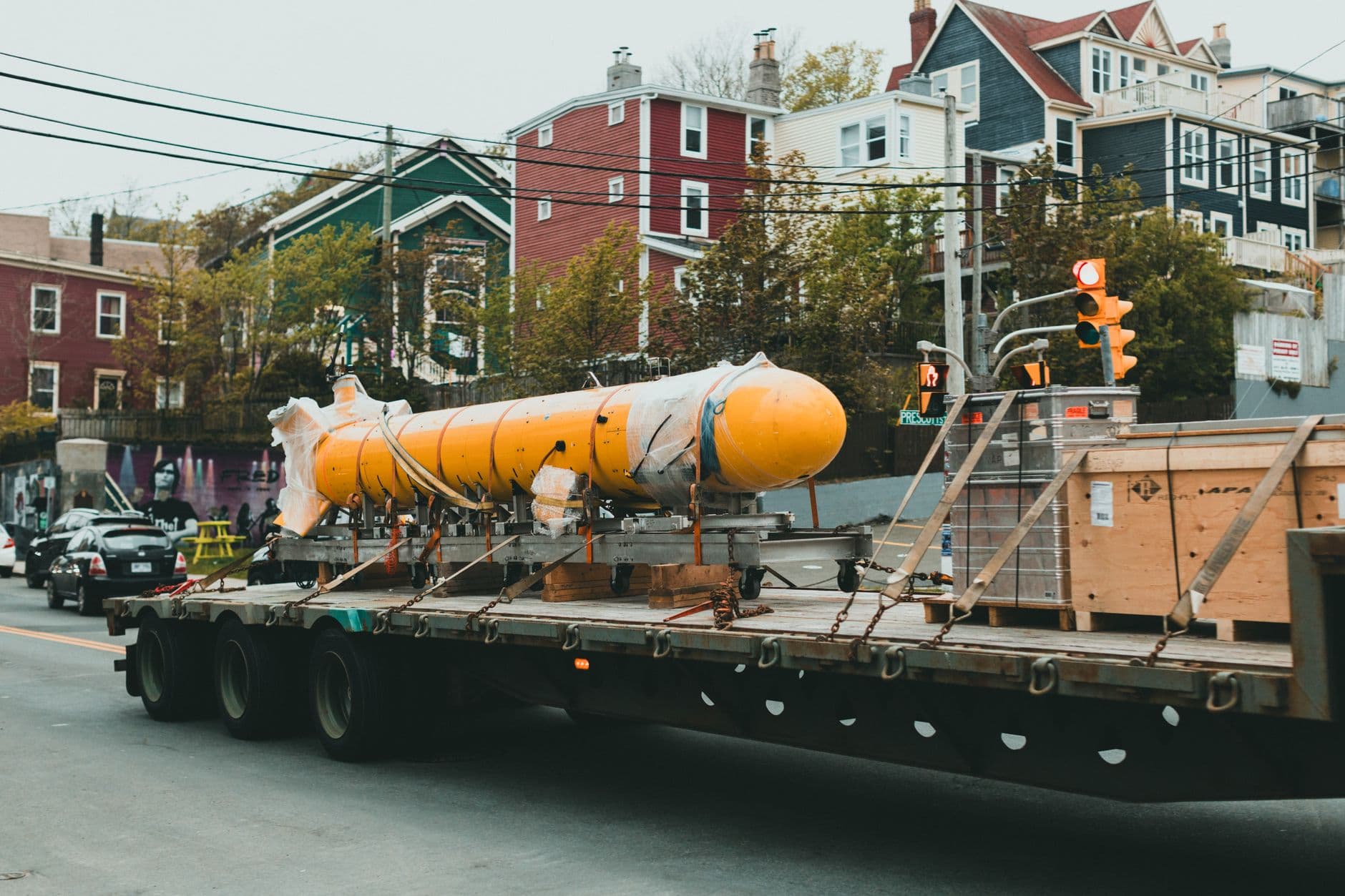

The first time a client called us about shipping a 62-tonne transformer, the conversation started where these always do: "It does not fit in a container, so what now?" That single sentence is the entire world of project, out-of-gauge, and breakbulk cargo. When a piece is too long, too wide, too tall, or too heavy for a standard box, the rules of ordinary container freight stop applying, and a different discipline takes over: specialised vessels, route surveys, lifting plans, and permits. We move this kind of cargo regularly, and the cost of getting it wrong is measured in cranes that cannot lift, bridges that cannot pass, and vessels that sail without your piece. This guide explains what these cargo types are, the vessels and methods that carry them, and how to plan a move in 2026 so the steel arrives without an expensive surprise.
Defining the Cargo: Breakbulk, OOG, and Project Freight
The three terms overlap, and clients use them interchangeably, but they describe different things. Out-of-gauge, or OOG, cargo is freight that exceeds the dimensions of a standard container in height, width, or length but can still travel on specialised container equipment like a flat rack or open top. Breakbulk, also called non-containerised cargo, is freight shipped as individual units because its weight, shape, or size makes a container impossible, so each piece is loaded, secured, and stowed on its own. Project cargo is the commercial label for a large, complex, often one-off move, typically the oversized components of an infrastructure or industrial project, which usually travels as breakbulk or OOG.
The practical threshold to remember: cargo longer than 40 feet, wider than 14 feet, higher than 14 feet, or heavier than roughly 70,000 pounds, about 30 tonnes, generally moves out of standard equipment and onto a flat rack platform or directly onto a vessel. Once you cross any one of those lines, you are in OOG or breakbulk territory and the planning changes completely.
The Vessels That Carry Non-Standard Cargo
Matching the cargo to the right vessel type is the first real decision, and it drives both cost and risk.

- Breakbulk and multipurpose vessels carry pieces too large for containers, loading each item individually with the ship's own cranes or shore cranes. They suit machinery, structural steel, and oversized components that need lifting aboard and securing in the hold or on deck.
- Roll-on, roll-off, or RoRo, vessels are built for wheeled or tracked cargo that can be driven aboard. For anything self-propelled or mountable on a trailer, RoRo is often cheaper and lower-risk than lifting, because the piece rolls on rather than being craned, which cuts handling and the damage that comes with it.
- Heavy-lift vessels carry their own high-capacity cranes for the heaviest single pieces, the transformers, reactors, and port cranes that no ordinary ship can lift. They are the most specialised and the most expensive, booked when the weight or geometry leaves no alternative.
The choice is not only about whether a piece fits. A unit that could technically be craned onto a breakbulk vessel may move more safely and cheaply by RoRo if it can be put on wheels, so we test the RoRo option before defaulting to a lift.
Regulatory and Documentation Reality in 2026
Oversized cargo carries a documentation and permitting load that container freight does not. Beyond the standard bill of lading, an OOG or breakbulk move typically needs route surveys for the inland legs, oversize and overweight transport permits for road movement, lifting and method statements, and marine cargo insurance written for the specific piece rather than a blanket policy. These are lead-time items: permits and verified lifting plans are not arranged in the week before sailing.
The 2026 context adds pressure. The Breakbulk 2026 gathering in New Orleans, held from 20 to 22 April 2026, put the sector's live challenges on the table: an aging specialist workforce, tightening safety and permitting regimes, fuel costs, and the drag of geopolitical uncertainty on long project timelines. Regulation is tightening in concrete ways too. From 1 May 2026 Hamburg restricted its Köhlbrand bridge to vehicles under 44 tonnes, a single change that reshapes how out-of-gauge loads route through one of Europe's major ports and a reminder that an inland permit problem can strand a piece as surely as a missing vessel. Demand itself is not the constraint: the market for oversized-cargo engineering and logistics is estimated at around 10.5 billion dollars and projected to roughly double by 2036, and operators such as BigLift are adding purpose-built heavy-lift tonnage to meet it. The squeeze is specialist capacity and labour catching up, which is why the booking and permitting runway needs to be longer than you would expect from ordinary ocean shipping.
Packing, Lashing, and Stowage
With breakbulk, the securing of the cargo is not a formality, it is the part that determines whether the piece survives the voyage. Each unit is lifted, positioned, and lashed individually to the vessel according to its weight and geometry, and the stowage plan has to account for how the load behaves in a seaway. Heavy or awkward pieces need engineered lashing calculations, cribbing, and sometimes custom cradles fabricated to spread the load. This is specialist work performed by the carrier and surveyors, and it is one reason breakbulk costs more per tonne than container freight: every piece is handled as a one-off.
How to Plan an Oversized Move in 2026
- Get exact dimensions and weight first. Length, width, height, weight, and the centre of gravity decide everything downstream: equipment, vessel, permits, and price. Cross the 40-foot, 14-foot, or 30-tonne lines on any axis and you are planning a specialist move.
- Test RoRo before assuming a lift. If the piece can be put on wheels or a trailer, RoRo often beats a breakbulk lift on both cost and damage risk. Default to the lower-handling option where the geometry allows.
- Start permits and route surveys early. Oversize road permits and inland route surveys have lead time and can dictate the whole schedule. Begin them as soon as dimensions are fixed, not after the vessel is booked.
- Insure the piece specifically. Arrange marine cargo insurance written for the actual unit and value, not a blanket container policy, because a single high-value component is the whole risk.
- Book specialist capacity with a long runway. Breakbulk and heavy-lift capacity and the labour to handle it are tighter than container space in 2026; book earlier than you would for a box, and use a forwarder with genuine project-cargo experience rather than a general freight desk.
FAQ
Q: What is the difference between breakbulk, OOG, and project cargo?
A: Out-of-gauge cargo exceeds standard container dimensions but can still ride specialised container equipment like a flat rack. Breakbulk is cargo shipped as individual non-containerised units because its size, shape, or weight rules out a container. Project cargo is the commercial term for a large, complex, usually one-off move, often the oversized components of an infrastructure project, which typically travels as breakbulk or OOG. The terms overlap, but the distinction guides which equipment and vessel you need.
Q: When does cargo stop fitting a standard container?
A: As a working rule, cargo longer than 40 feet, wider than 14 feet, higher than 14 feet, or heavier than about 70,000 pounds, roughly 30 tonnes, generally moves out of standard equipment onto a flat rack or directly onto a vessel. Crossing any one of those thresholds on a single axis is enough to put you into OOG or breakbulk handling.
Q: Breakbulk vessel or RoRo, which should I use?
A: Use RoRo when the cargo is wheeled, tracked, or can be mounted on a trailer and driven aboard, because rolling a piece on is usually cheaper and lower-risk than craning it. Use a breakbulk or multipurpose vessel when the piece must be lifted aboard and stowed individually, and a heavy-lift vessel when the weight exceeds what ordinary ship or shore cranes can handle. Test the RoRo option first where the geometry allows.
Q: How far ahead should I book a project cargo move?
A: Earlier than you would for container freight. Oversized moves depend on permits, route surveys, engineered lifting plans, and tight specialist capacity, all of which carry lead time, and the 2026 market has flagged workforce and permitting constraints that make that capacity scarcer. Begin permits and surveys as soon as dimensions are confirmed, and book specialist vessel space well in advance.
The Practical Takeaway
Project, OOG, and breakbulk cargo is a different discipline from container freight, and the moment your piece crosses 40 feet, 14 feet, or 30 tonnes on any axis you are in it. The cost and safety of the move are decided early, by getting exact dimensions, matching the piece to the right vessel, testing whether RoRo can save you a lift, and starting permits and route surveys before the booking rather than after. In 2026, with specialist capacity and labour tighter than for container freight, the runway matters more than ever. We treat every oversized move as a one-off engineering exercise rather than a booking, because that is what it is, and the shippers who plan it that way are the ones whose steel arrives on schedule and undamaged.