Download de app


Auteur
De opkomst van digitaal nomaden transformeert de reisindustrie en biedt een geweldige kans voor degenen die zich aanpassen. Digitale nomaden zoeken naar werkvriendelijke bestemmingen met culturele rijkdom, en het voldoen aan deze behoeften zal uw bedrijf positioneren als een vertrouwde keuze. Nu is het moment om uw diensten af te stemmen op deze groeiende trend en de uitbreidende markt van remote werkers aan te boren die graag de wereld willen verkennen.

When Growth Mandates Change, Blue Diamond Reevaluates Its Supply Chain
Blue Diamond faces growth-driven demand surges that strain current suppliers and logistics. To stay innovative in response, we propose a two-tier approach: nearshore sourcing for core SKUs and a flexible network of backup partners. This approach is grounded in real experience and reduces exposure to volatile markets while keeping costs predictable. What’s revealing is how much variance we see across markets when a single sourcing node is stressed. The founder team compares two scenarios: stay the course or decentralize with regional hubs. In pilots, nearshore facilities in the U.S. Midwest and Southeast cut transit times by up to 40% and travel distance by hundreds of miles, providing a

AI Agents Transform Design, Production, and Supply Chain Management
Cloud-based AI agents should be your first deployment to accelerate design iterations and deliver complete , data-driven proposals. In pilots across automotive, electronics, and consumer goods, teams report 20-40% faster concept-to-availability cycles and up to 15% material waste reductions when agents optimize selecting among design alternatives under real constraints. Simulations and field data feed continuously, keeping the process daily and real-time . In production and logistics, AI agents monitor availability and detect disruption signals. They compare alternatives and re-plan real-time schedules when pandemic-related shocks hit supplier capacity. Across hazardous materials shipments,

About Trucking - A Comprehensive Guide to the Trucking Industry
Recommendation: Begin with a data-driven routing and scheduling plan to boost dependability and position your operation for sustainable growth. Dedicated dispatch teams should use real-time location data, weather, and traffic feeds to cut idle time by 12–20% in the first quarter. Standardize procedures for drivers and shippers to reduce things like loading times and handoffs. Automating routine tasks frees crew to focus on safety and service. Implement a centralized dispatch platform that tracks location and status for your trucks and trailers, flagging delays before they cascade into late deliveries. Build a shift schedule for drivers and maintenance crews to minimize overtime and maximize

Think Tank RSS - A Complete Guide to RSS Feeds for Think Tanks
Start with eight essential RSS feeds today. This creates a focused briefing for your think-tank team and builds a dependable bulletin that associates can review quickly. Subscribing to a tight, curated set saves hours weekly and preserves saved time for deeper analysis; consider using a simple dashboard to monitor items. Know your coverage gaps to avoid shortages. There are areas where coverage is thin; identify them and add targeted feeds to fill the gaps. Align feeds with your policy priorities and ensure you know how each item becomes actionable in your research workflow. Using a shared bulletin reduces duplication and sharpens retention. Use filters, tags, and a creative scoring rubric

6 Steps to Build a Winning Business Continuity Strategy
Recommendation: start with a concise plan to keep your services operating during disruption. Define the critical services, establish clear roles, and lock a single, well-communicated plan that aligns with your strategic objectives and planning cycles. Step 1: Assess risks and map dependencies. Capture all critical dependencies and quantify potential loss. Create a central repository and ensure visibility across teams so everybody knows what to protect. This focused assessment makes it easier to monitor progress and allocate resources quickly. Step 2: Define recovery objectives and safety controls. Set realistic RTOs and RPOs for core services, assign owners, and document escalation paths.

FMCSA Revises Hours of Service Final Rule - What You Need to Know
Start now: audit your HOS settings and implement the new rule to stay compliant from day one. Review driver logs, switch to the updated time-tracking approach, and train dispatch to reduce risk of violations. The final rule updates the regulatory framework that defines off-duty, on-duty, and driving time. It clarifies what drivers may do during shifts, outlines exceptions for specific operations, and sets the conditions under which settings can be adjusted without violating compliance. For commercial fleets, the update discusses the following changes and how they interact with the regulatory structure. However, these changes aim to improve safety while keeping operations predictable. Prior

How to Start a Continuous Improvement Program - 6 Simple Steps for Your Supply Chain
Define three concrete goals for the next 90 days and establish baseline metrics to track progress. In a food supply chain, tie each goal to measurable outcomes such as on-time deliveries, defect rates, and yield. This focus helps teams contribute to a shared plan, and it gives you a clear way to measure efficiency gains. Create a simple end-to-end map of your sourcing, production, and distribution processes to illuminate where value is added and where problems occur. Use a value stream technique to capture cycle times, handoffs, and delays. Start with your top three product families, including food categories, if applicable, to spotlight the most impactful bottlenecks. Prioritize fixes and

First Moment of Truth (FMOT) - What It Means and How to Use It
Place a fresh, eye-catching display and ready samples at the FMOT to capture attention within seconds. When the product is placed at the shelf, use a single, crisp value proposition, large typography, and a prominent call to action. Keep the display at eye level and remove distractions so customers can read and decide in under three seconds. An omnichannel approach keeps the FMOT coherent across store, website, and social touchpoints. For a carlzon -style display, align the shelf with clean typography, tactile fixtures, and eye-catching visuals so there and here feel like one experience. Shoppers decide in seconds; studies show 3-5 seconds to form an impression, and up to 70% say it guides

Supply Chain Visibility - Real-Time Tracking and Transparency
Adopt a centralized, real-time visibility platform that ingests data from supply networks, suppliers, forwarders, carriers, and production facilities, with strict data entry standards and automatic alerts for deviations within minutes. This gives your organisation a reliable basis for decisions without relying on siloed spreadsheets. With real-time tracking across modes–road, rail, ocean, and air–you can cut stockouts by 15–25% and shrink order cycle times by 1–2 days for typical mid-size networks. This solution also lowers emergency transport costs by 10–30% through proactive routing and smarter carrier selection. Encourage early feedback from field teams to refine forecasts and responses.

Casey's General Stores, Inc. - History, Growth, and Market Strategy
Recommendation: Establish a robust logistics hub in ankeny that accelerates integrating inventory across stores while maintaining a tight cost-to-serve, enabling primarily growth in Midwest markets. Casey's began primarily as a single store operation in Des Moines in 1959 and expanded to several hundred locations by the late 1990s, reflecting a dynamic shift toward convenient, fuel-centered retail. A mature logistics backbone supports the network, with distribuées and regional hubs that shorten replenishment cycles and improve service levels across several markets. Growth has been aggressive, driven by openings in dynamic markets and a push to pair fast convenience with ready-to-eat

Clean Core in SAP - Straight Answers to the Questions Customers Actually Ask
Begin with a clear action: cut most bespoke code and align the SAP core with standard capabilities; this move simplifies maintenance and enables stable development. This sets a predictable path for updates and helps teams onboard faster. In developing the clean core, map legacy customizations to concrete SAP capabilities, isolate bespoke code, and adopt standard interfaces. This approach makes dependencies visible, where data flows , and reduces risk during upgrades. heres a practical sequence to implement this shift: inventory current developments and mark those that duplicate SAP-provided code; compare with target technologies, create a deprecation plan, and define a migration timeline;
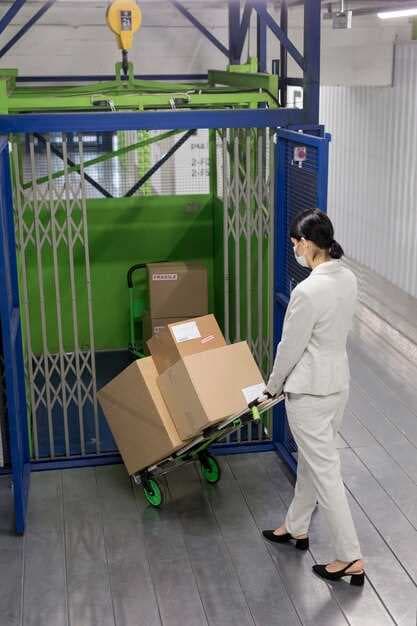
3PL Warehouse Safety - A New Standard with Autonomous Forklifts
Deploy these systems to gain higher throughput and lower risk in daily operations. These machines improve cycle times and reduce human exposure in high-traffic areas, creating a steadier status for your teams. These machines cut cycle times by 15-40% in typical pallet moves, because they follow optimized routes and avoid human blind spots. Yet you must manage these limitations : perception in wet floors, load variations, and signage clutter. Build a plan including on-site training , dedicated charging zones, and a clear safety norma for interactions with human staff. Role of leadership is to define the workflow, map the product flow, and update status in your WMS to reflect real-time
