


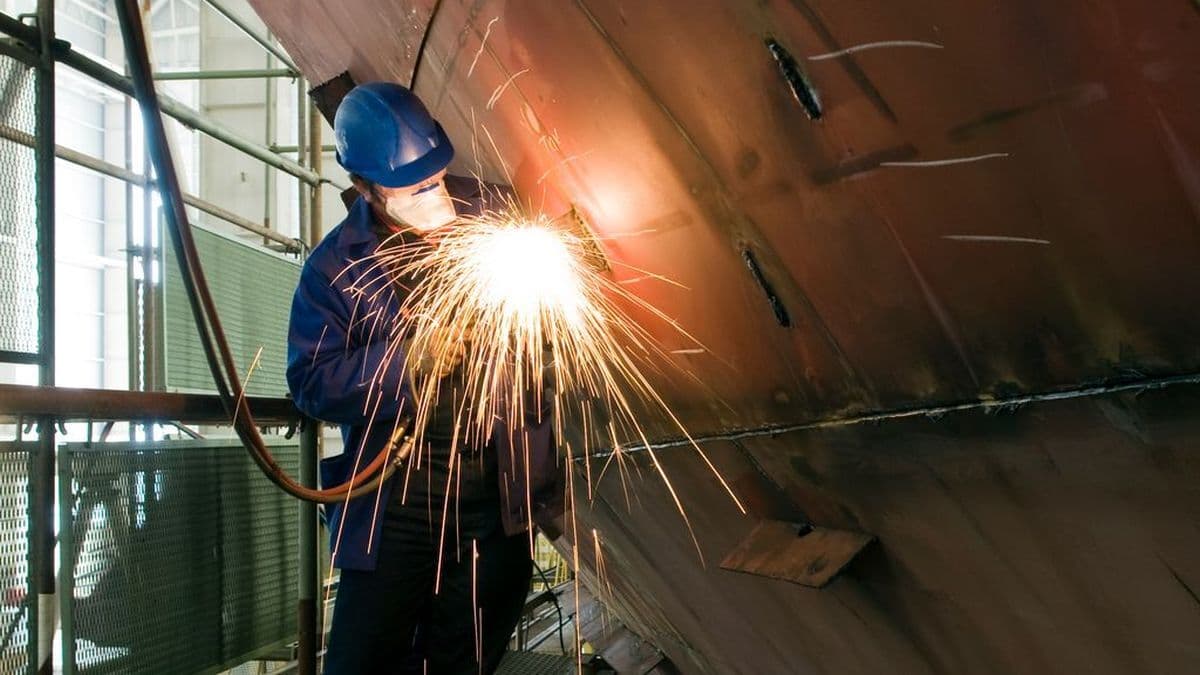

The Overlooked Carbon Cost of Shipbuilding Steel
When we think about decarbonizing ships, the spotlight usually shines on the fuel they burn on the water. But here’s the kicker: the steel that forms the backbone of these vessels is a hefty contributor to emissions, often flying under the radar. Steel production for shipbuilding hit a staggering 72.2 million tonnes of CO2 equivalent emissions between 2021 and 2022, accounting for about 4% of the total emissions linked to international shipping. That’s not pocket change in the climate stakes!
Steel isn’t just a minor player—it makes up 75-85% of a ship’s weight. The lifecycle emissions don’t just come from the shipyards but trace back upstream through mining, production, transportation, and recycling processes. Oddly enough, these embedded emissions tend to be left out of existing regulations, leaving a significant blind spot in the global decarbonization strategy for shipping.
Heading Towards a Heavier Carbon Burden
If we keep cruising down the current path, emissions from shipbuilding steel are projected to swell by 25% come 2050. Why? Most of the steel production still happens in countries relying on carbon-intensive methods. Ships built today have a lifespan extending towards 2050, which means the environmental print we ink now will linger for decades. It’s like writing a tale that future generations have to read—only this one’s about carbon footprints.
Three Pathways to Steel Emissions Reduction
The Sustainable Shipping Initiative breaks down three main approaches to tackling steel emissions in this critical sector. Spoiler: easy wins are in short supply.
- Virgin Green Steel: This high-tech marvel is created via hydrogen-based direct reduction combined with renewable energy-powered electric arc furnaces. Sounds futuristic, right? While technically possible, it’s commercial feasibility is a steep mountain to climb. Green steel relies on scarce, high-grade ore and affordable green hydrogen, which is currently up to 10 times pricier than traditional fossil routes. This means limited production scale and prohibitive costs for shipping companies that operate on razor-thin margins.
- Recycled Steel: Here lies a more immediate and practical opportunity. Recycled marine-grade steel is beginning to match conventional steel in cost and is already being incorporated into newbuilds. Ship recycling over the next decade alone could free up to 150 million tonnes of usable steel. However, mixed scrap contamination can degrade essential properties like weldability and fatigue resistance, putting a damper on how extensively recycled steel can be used in shipbuilding.
- Circular Design Strategies: Probably the most scalable game-changer, circular design includes modular construction and disassembly-friendly ships. This approach not only preserves material value but also slashes demand for fresh steel. Real-world applications show promise, but fragmented adoption, lack of standardization, and poor procurement coordination mean the sector hasn’t fully pulled together yet.
Regulatory Innovation: Bringing Steel Into the Emissions Spotlight
To really shake things up, there’s a call to extend the International Maritime Organization’s greenhouse gas strategies to cover emissions embedded in materials—starting with steel. The proposal includes two practical tools:
| Tool | Function |
|---|---|
| Material Intensity Indicator (MII) | Measures lifecycle emissions specifically tied to steel used in shipbuilding. |
| Lifecycle Design Index (LDI) | Assesses vessel design circularity by evaluating recycled content, traceability, and readiness for reuse. |
These innovations align snugly with existing IMO measures like the Carbon Intensity Indicator and Energy Efficiency Existing Ship Index, making integration feasible. Plus, they pave the way for new opportunities around carbon pricing, climate-conscious finance, and sustainable procurement—all missing pieces in today’s emission puzzles.
Early Wins and Industry Momentum
Despite challenges, momentum is building. Noteworthy is the emergence of oceangoing vessels constructed with certified recycled-content steel, confirming the technical viability of greener materials. Collaborative buying groups, especially in Japan, are scaling the delivery of such steel by pooling resources to handle premium costs. This shared approach is a smart workaround for the financial hurdles facing greener shipbuilding materials.
What the Implementation Roadmap Looks Like
- Voluntary data collection: Encouraging early players to report steel’s lifecycle emissions.
- Standard alignment: Defining and harmonizing metrics with frameworks like ResponsibleSteel.
- IMO system integration: Folding new indicators into existing regulatory structures.
- Full regulatory adoption: Formalizing measures under international conventions.
- Linking with carbon pricing: Connecting performance data to finance incentives and market pricing.
Stakeholder Roles and Economic Implications
From shipyards to classification societies, everyone in the chain has a part to play. Shipowners need to specify recycled or low-emission steel standards. Steel makers should seek certification for marine-grade recycled products, while recyclers are tasked with accurate steel grade documentation. Failure to coordinate these efforts risks missing out on huge carbon savings—and let’s face it, the economic stakes are high.
| Factor | Potential Impact |
|---|---|
| Steel reuse per vessel (tonnes) | 30,000 |
| Equivalent CO2 avoided (tonnes) | 30,000 |
| Carbon price per tonne (USD) | $100 |
| Total emissions cost saved per ship | $3 million |
This is a compelling financial carrot, encouraging traceability and circular use to move from niche to mainstream maritime decarbonisation practices.
Breaking Through Barriers
The big hurdles? Twofold:
- The absence of effective regulations to upscale circular steel use, despite its demonstrated success.
- The lack of coordinated demand and supply for certified, high-quality recovered steel suited for shipbuilding.
With an anticipated release of up to 150 million tonnes of ship-recycled steel by 2032, the perfect storm for systemic change is brewing.
Why Steel Emissions Matter in Logistics and Shipping Transport
Decarbonizing shipbuilding steel has a ripple effect on the broader realm of logistics and cargo transport. As vessels are the backbone of global freight movement, cleaner shipbuilding processes reduce the carbon footprint embedded in every ton of shipping capacity. This shift promotes more sustainable freight delivery chains, making the entire shipping and forwarding sector greener—from container transport to bulky cargo haulage.
For logistics providers and businesses orchestrating global supply chains, being mindful of lifecycle emissions associated with ships can shape choices around carriers, routes, and partnerships. This adds another dimension of responsibility beyond fuel efficiency into the equation, encompassing vessel design, material sourcing, and end-of-life recyclability.
Key Takeaways on Tackling Steel Emissions in Shipbuilding
- Steel used in ships is a substantial but overlooked source of greenhouse gases, driven by mining, production, and recycling stages.
- Current steel production methods in major markets remain heavily carbon-intensive with projected emissions growth unless addressed.
- Green virgin steel, while promising, faces economic and geographic challenges limiting near-term impact.
- Recycled steel and circular design methods offer more immediate leverage to cut material emissions.
- New regulatory frameworks incorporating steel lifecycle emissions are needed to close existing loopholes and incentivize circular shipping materials.
- Successful decarbonisation requires coordinated action among shipbuilders, owners, steel producers, recyclers, and regulators.
- Integrating these efforts aligns directly with logistics' goals of efficient, sustainable, and reliable cargo transport.
Making Informed Transport Decisions with GetTransport.com
Even the best industry reports and feedback can’t beat seeing and feeling the difference firsthand. On GetTransport.com, you can arrange your cargo transportation globally at highly competitive rates, ensuring you have access to real-world logistics solutions without blowing your budget. The platform offers unparalleled choices for moving everything from office and home relocations to transporting bulky goods like furniture, vehicles, and heavy cargo.
This transparency and convenience means you’re empowered to make smart transport decisions tailored to your unique freight needs. The added benefit? All the complexities of hauling logistics are handled for you, providing peace of mind so you can focus on what matters.
Start planning your next delivery and secure your cargo with GetTransport.com. Book your Ride with GetTransport.com
Conclusion
As global shipping pushes toward sustainability, it’s clear that the embedded carbon in steel is no small fish in a big pond. Efforts to regulate and reduce steel-related emissions promise to strengthen the battle against climate change while reshaping shipbuilding and maritime logistics profoundly. By embracing circular design and recycled materials alongside innovative regulatory frameworks, the industry can curb its carbon footprint without sacrificing viability.
For logistics and shipping enterprises, this evolution translates into more responsible shipping and forwarding options, reinforcing the drive toward cleaner, smarter cargo transport worldwide. Platforms like GetTransport.com sit right at the crossroads of these trends, connecting shippers with efficient, cost-effective global freight solutions that embody the future of sustainable logistics.