


 Română
  English (UK)
  Русский
  العربية
  日本語
日本語  한국어
한국어  Magyar
  Türkçe
  Español
  Čeština
  Svenska
  Português
  Ελληνικά
  Suomi
Suomi  Nederlands
  Italiano
  Français
  Polski
  Українська
  Deutsch
  简体中文
简体中文  Slovenčina
 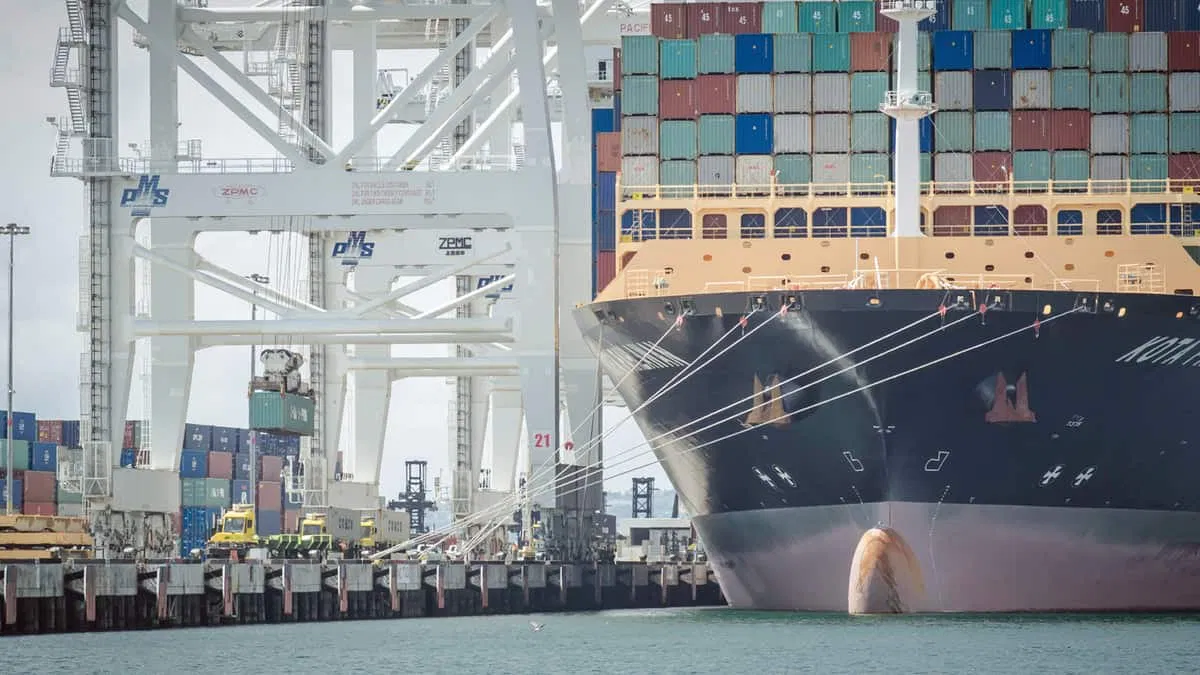 Navigating Challenges in Ocean Freight Pricing While Balancing Capacity and Demand">

Understanding the Current Ocean Freight Pricing Puzzle
Ocean freight rates have been on a rollercoaster lately, especially across key trade routes like the trans-Pacific lane. The heart of the matter? Overcapacity coupled with softening demand, making carriers scramble to keep prices afloat through tactics like General Rate Increases (GRIs) and blanked sailings. Yet, despite these efforts, market stability remains elusive, leaving pricing caught in a teasing tug-of-war.
The Capacity Conundrum
Container liners are having a tough time managing a fleet that just keeps growing. On one hand, they’ve used blanked sailings—canceling certain voyages—to trim excess supply temporarily. On the other, they’ve pushed through GRIs aiming to boost freight charges as a countermeasure. But it’s like trying to plug a leaky boat with duct tape; new vessels hitting the water and returning routes through the Suez Canal (after reduced Red Sea diversions) are pushing capacity back above demand levels.
Fleet Growth and Route Changes
The expansion of container ship fleets adds layers of complexity. Earlier, detour routes around the Red Sea helped carriers charge premiums due to longer journeys and limited alternatives, but that’s fading fast as regional conditions normalize. The anticipated resumption of shipping through the faster Suez Canal route threatens to flood the market anew, exacerbating the capacity overflow.
Demand Dynamics: U.S. Imports and Seasonal Swings
On the demand front, the U.S. ocean import scene is showing signs of decline stretching into early 2025. This trend feeds the tricky balancing act for carriers who want to hold rates high but face thinning volumes. The National Retail Federation points out that October imports slipped back close to year lows, influenced partly by earlier tariff-related frontloading that drew imports ahead into mid-2024.
Seasonal Rebounds and Challenges
There’s the usual seasonal uptick before Lunar New Year — think January and February — but the rebound is set against the backdrop of last year’s heavy frontloading, meaning volumes will still be down compared to early 2024. It’s a case of “same old story, different year,” as carriers prepare for a patchy recovery that might still fall short of their rate expectations.
Rate Movements Across Trade Lanes
| Trade Route | Recent Rate Movement | Current Rate (per FEU) | Note |
|---|---|---|---|
| Asia to U.S. West Coast | Up 48% (recent week) | $2,958 | Driven mostly by Nov 1 GRIs, but recent daily rates are dipping slightly |
| Asia to U.S. East Coast | Stable (near October levels) | Variază | Carriers added blanked sailings to curb rate erosion |
| Asia to Europe | Up 9% (past week), Mediterranean up 24% | ~$2,500 (Asia-Europe), $2,837 (Mediterranean) | Mid-month GRIs push some carriers to target $3,000 per FEU |
What These Shifts Mean for Logistics
Rate volatility and capacity surpluses might seem like just another headline for shippers, but in real terms, they translate to unpredictability in freight scheduling, budget planning, and ultimately, delivery timelines. For logistics planners, understanding these dynamics is not just a nice-to-have, it’s essential for aligning shipment expectations and negotiating smarter contracts.
Carrier Tactics and Market Realities
Carriers are playing a strategic game of chess involving blanked sailings and GRIs, trying to manage the ocean of containers flooding the market. But when the ocean’s tides shift—whether due to geopolitical shifts or market behaviors—these maneuvers often feel like whack-a-mole, keeping prices temporarily steady but lacking long-term stability.
Why This Matters for Your Shipments
If you’re planning large freight movements, maybe moving bulky or high-volume goods, this period of shuffling rates and capacity might throw a wrench in your logistics chain. Booking in advance might offer some buffer, but staying flexible is key. Getting savvy on carrier patterns and port congestion can save surprises down the line.
Key Challenges & Takeaways:
- Overcapacity persists amidst soft demand, especially in the trans-Pacific corridor.
- Carrier attempts to control supply via blanked sailings and GRIs offer momentary relief.
- Economic factors like tariffs and seasonal frontloading complicate demand predictions.
- Upcoming changes like potential returns to Suez Canal routes could intensify capacity issues.
- Rates on Asia-Europe lanes show modest growth amid contract tendering seasons.
The Bottom Line: Experience Outweighs Reviews
While plenty of reviews and industry commentary shed light on the shifting ocean freight scene, nothing beats firsthand experience. Navigating through fluctuating rates, carrier choices, and timing nuances helps you dial in the perfect logistics plan tailored for your cargo. Platforms like GetTransport.com provide an accessible gateway to connect with reliable carriers worldwide, offering competitive pricing on everything from office relocations to bulky freight deliveries, making your shipping decisions less of a shot in the dark.
With transparent pricing and global reach, GetTransport.com empowers users to book transport services wisely, avoiding the pain of unexpected costs or delays. For cargo owners eyeing smooth and efficient shipments, using such a platform can mean the difference between a headache and a hassle-free move. Book your ride today on GetTransport.com and experience the ease of modern logistics.
Privind spre viitor: implicații pentru logistica globală
Although the current challenges in ocean freight pricing mainly influence specific trade routes and have limited global disruption, they are a useful signal for the logistics sector to stay nimble. Capacity management and demand forecasting remain a delicate dance, underscoring the need for flexible, cost-efficient shipping solutions. GetTransport.com continues to monitor these developments closely, ensuring its users can adapt quickly and keep their supply chains flowing despite market vagaries. Start planning your next delivery and secure your cargo with GetTransport.com.
Rezumat
Ocean freight rates are caught in a tricky situation where rising capacity clashes with uneven demand, especially in key lanes like trans-Pacific and Asia-Europe. While carriers use tools like GRIs and blanked sailings to stabilize prices, the bigger picture is shaped by fleet expansions, tariff effects, and shifting shipping routes. This creates complexities for logistics professionals who must juggle timing, cost, and reliability to keep shipments on track. Platforms such as GetTransport.com offer a trustworthy, global marketplace that simplifies freight, haulage, and relocation operations. By leveraging such services, shippers gain access to affordable and dependable transport options, enhancing the efficiency and transparency critical for modern logistics management.