


 Română
  English (UK)
  Русский
  العربية
  日本語
日本語  한국어
한국어  Magyar
  Türkçe
  Español
  Čeština
  Svenska
  Português
  Ελληνικά
  Suomi
Suomi  Nederlands
  Italiano
  Français
  Polski
  Українська
  Deutsch
  简体中文
简体中文  Slovenčina
 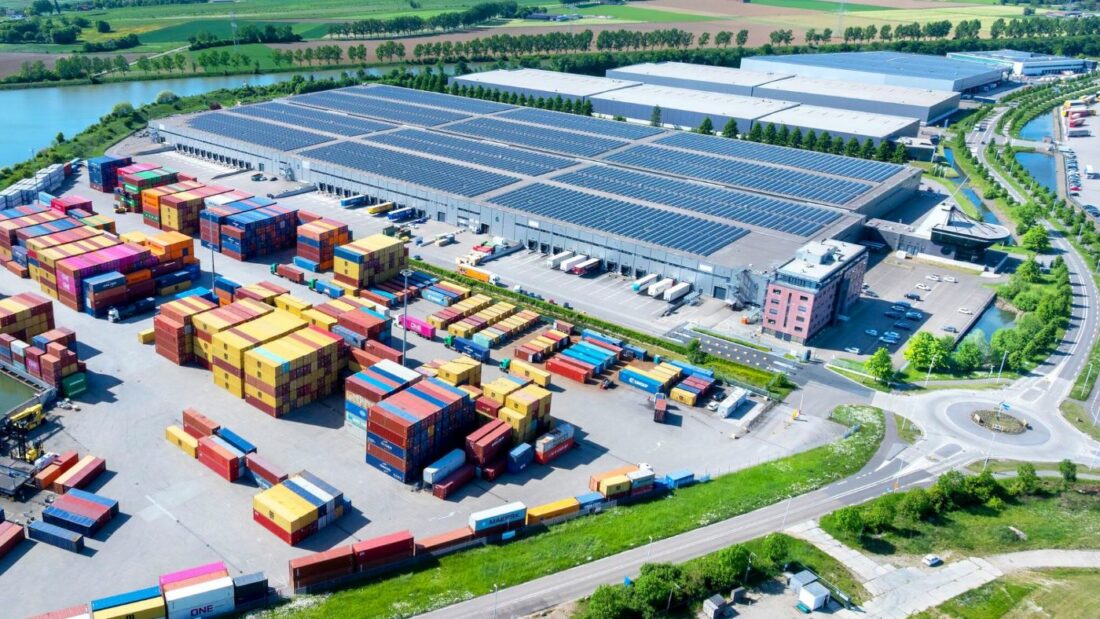 Seven trends that will shape logistics in 2026, according to Prologis">

The seven key trends Prologis predicts for 2026 will be laid out here, focusing on how each element can reshape supply chains and logistics decision-making.
Overview: What Prologis sees on the horizon
Prologis Research condenses decades of market data into seven headline predictions for 2026 that carry direct implications for Europe and Spain. These range from tighter industrial real estate markets to the rising pull of comerț electronic, from energy limitations to a shrinking road transport capacity. Each trend is a domino: when one falls, it nudges the others.
1. International markets expected to outperform the average
Several international markets will outpace the global average. Europe is singled out as one of the most tensioned logistics markets with vacancy rates below 5% driven by limited speculative supply, higher construction costs and stricter urban regulations. Markets such as Brazil are seeing double-digit rent growth, while India is entering a logistics boom thanks to infrastructure modernization.
De ce contează
For logistics planners, this means more competition for well-located, modern assets. In Spain, pressure is acute in Madrid, Barcelona and Valencia where scarcity of land and complex zoning push asset values up.
2. E-commerce will continue to be a structural demand engine
Online sales are forecast to approach roughly 20% of world retail, and will account for nearly a quarter of new lease activity. Continental Europe still lags the UK’s e-commerce penetration, leaving room for significant growth in Spain and other markets.
Numbers to note
The study projects that Europe will need an additional 1.4–1.9 million m² of logistics space per year to support e-commerce growth over the coming five years.
3. Energy availability becomes a decisive location criterion
As warehouses automate, they require much more power—sometimes three to five times that of traditional facilities. In Spain and other regions, grid constraints make access to high-capacity electrical connections a limiting factor for modern logistics solutions.
- Power-ready assets will attract premium rents.
- Solar PV plus battery storage will be a competitive differentiator.
- Cold storage, automation and climate control all increase energy intensity.
4. Road transport capacity will shrink and push costs up
A contraction in road haulage capacity is expected to drive double-digit increases in transport tariffs in 2026. That will raise the share of transport in total supply chain cost and elevate the value of strategically placed distribution hubs.
5. Demand will reach multi-year highs in core markets
Companies are likely to bring inventory closer to consumption centers, boosting coastal US markets and European urban logistics. Rent adjustments since the pandemic are restoring a more sustainable balance between price and operational value.
6. Warehouse utilization will hit expansionary thresholds
Utilization rates are moving toward an 85.5% expansionist threshold; many operators will hit functional capacity and restart hiring and leasing activity, particularly in essential goods, e-commerce and manufacturing.
7. Structural constraints will define winners and losers
Long permitting timelines, limited grid connections and tougher regulation are structural shifts that will favor existing, well-situated and modernized assets. As Eva Van der Pluijm, Vice President, Research & Strategy, notes, scarcity mechanically creates value for current logistics real estate.
Quick reference: Predictions vs. logistics impact
| Prediction | Immediate logistic impact | Strategic response |
|---|---|---|
| Tighter markets | Higher rents, lower vacancy | Prioritize location and partner with flexible landlords |
| Creșterea comerțului electronic | Demand for urban distribution and micro-fulfillment | Invest in last-mile hubs and automation-ready facilities |
| Energy limits | Constraints on automation roll-outs | Deploy PV + batteries and select power-ready sites |
| Transport contraction | Rising freight costs, longer lead times | Optimize network design and reduce distance to market |
What logistics teams should do now
When the playing field shifts, practical adjustments matter. Consider this shortlist as a starting point:
- Audit energy needs and prioritize power-ready properties.
- Reassess network design to minimize road haulage exposure and transport spend.
- Build e-commerce capacity with scalable micro-fulfillment nodes.
- Secure flexible warehousing options to hedge against market tightness.
- Factor in regulatory delays and land scarcity when planning expansions.
Operational note
It’s one thing to read the trends and another to implement them. Companies that plan capacity, lock in key locations, and invest in resilient energy will have an edge when utilization hits expansionist levels. Cristian Oller, SVP, Head of Asset Management for Southern Europe, highlights Spain’s strategic place in European supply chains but notes it must tackle land, energy and transport efficiency to remain competitive.
Highlights and real-world takeaways
Key points worth bookmarking: comerț electronic growth will keep leasing activity strong, energie limits will determine which sites can host automation, and road transport bottlenecks will push up freight costs—making proximity to markets and flexible distribution networks more valuable than ever.
Provide a short forecast on how this news could impact the global logistics. If it’s insignificant globally, please mention that. However, highlight that it’s still relevant to us, as GetTransport.com aims to stay abreast of all developments and keep pace with the changing world. Start planning your next delivery and secure your cargo with GetTransport.com. Book now GetTransport.com.com
Even the clearest data and the most honest reviews don’t replace hands-on experience. These predictions paint a clear direction, but the real test comes when supply chains are reconfigured on the ground. On GetTransport.com, you can order cargo transportation globally at competitive prices—covering office and home moves, bulky items like furniture, vehicles, palletized freight, and regular courier deliveries. The platform’s transparency, affordability and broad service mix let teams trial solutions without breaking the bank, so they can validate strategy in real conditions and avoid expensive surprises.
Rezumat
Prologis’ seven trends for 2026 point to a logistics landscape shaped by e-commerce expansion, constrained development, rising energie demands, and tighter road transport capacity. Companies should prioritize power-ready sites, rethink network footprints to reduce haulage costs, and be ready to scale warehousing as utilization rises. By aligning strategy with these realities—inventory placement, automation readiness, and smarter distribution—logistics teams can manage freight, shipment and delivery pressures more effectively. GetTransport.com complements these moves by offering efficient, cost-effective transport and forwarding options for cargo, parcel, pallet and bulky international shipments, helping simplify dispatch, haulage and relocation needs in a more constrained market.