


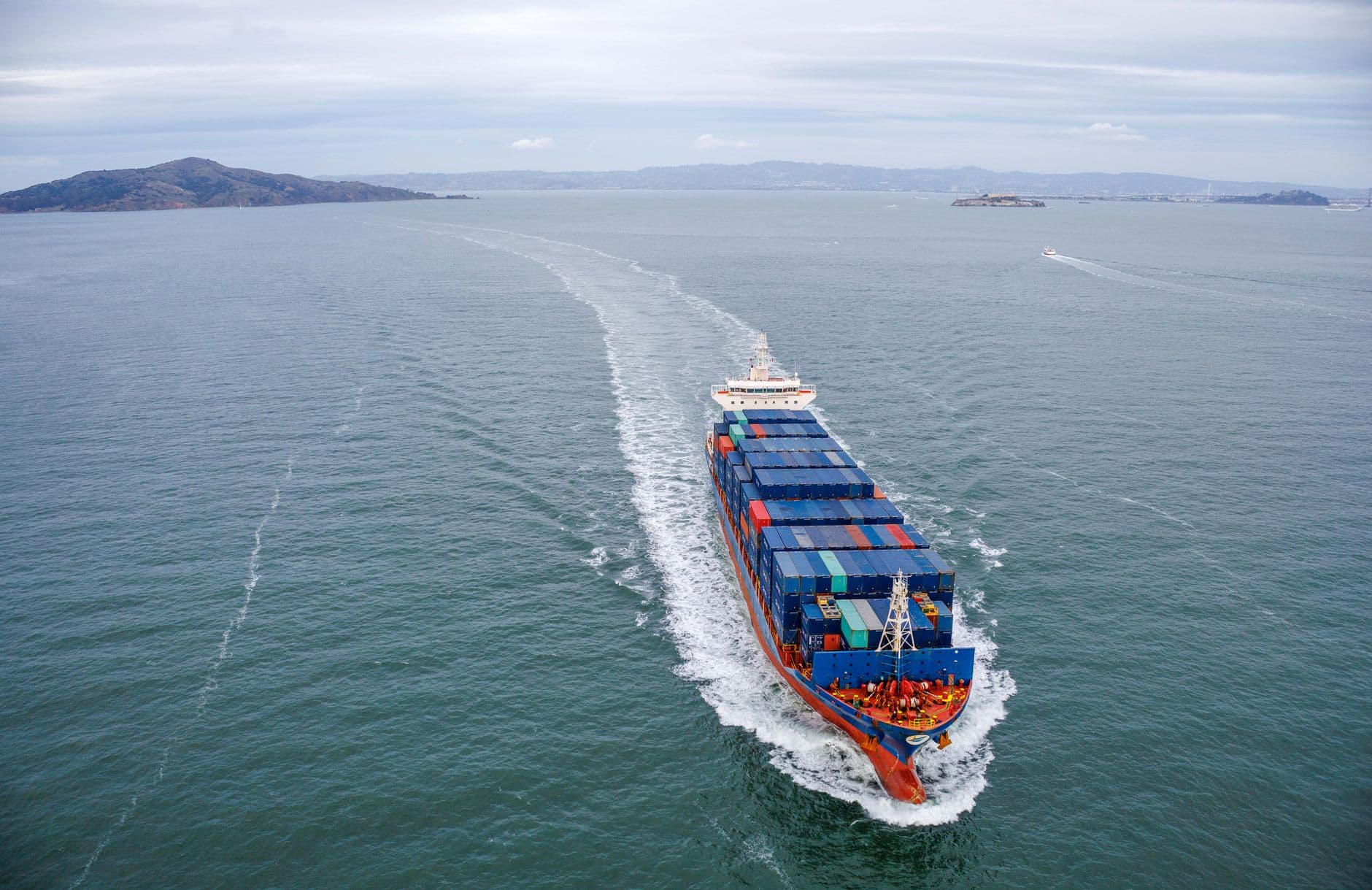
Oricine a configurat urmărirea containerelor cunoaște taxa tăcută a jobului. Fiecare transportator maritim expune etapele sale puțin diferit, așa că o integrare de vizibilitate care ar trebui să fie o singură bucată de lucru devine nouă, una pe linie, fiecare cu propriile câmpuri, particularități și autentificare. Asociația Digitală pentru Transportul Containerelor pe Mare a petrecut ani încercând să elimine această taxă cu un standard comun, iar în 2026 standardul său Track and Trace ajunge la versiunea 3.0. Pentru oricine construiește sau cumpără vizibilitate pentru transportul de mărfuri, aceasta este versiunea care merită înțeleasă, deoarece schimbă ceea ce poate însemna de fapt „integrare o singură dată”.
Voi păstra acest lucru ancorat în ceea ce face standardul pentru un integrator, mai degrabă decât în limbajul comitetului, și voi fi sincer despre partea pe care comunicatele de presă o omit: un standard publicat nu este același lucru cu adoptarea universală, iar decalajul dintre cele două este locul în care încă mai există muncă reală.
Ce este DCSA și de ce contează un standard
Organizația DCSA este o entitate non-profit înființată în 2019 de cele mai mari companii de transport maritim de containere pentru a conveni standarde digitale comune, în loc să concureze pe infrastructură. Membrii săi actuali includ mari transportatori globali precum Maersk, MSC, CMA CGM și Hapag-Lloyd, alături de ONE, Evergreen, HMM, Yang Ming și ZIM, care împreună transportă cea mai mare parte a traficului mondial de containere. Argumentul este simplu. Dacă fiecare transportator publică același eveniment în același format, un expeditor sau o platformă poate urmări un container pe toate cele nouă linii cu o singură integrare în loc de nouă.
Standardul Track and Trace organizează o expediere în cinci faze: pre-expediere, pre-oceanic, oceanic, post-oceanic și post-expediere. Fiecare fază emite evenimente definite, o ieșire din terminal, o încărcare, o plecare a navei, o descărcare, astfel încât un client care urmărește un container vede o poveste consistentă indiferent de ce transportator îl deplasează. Această consistență este scopul întregii abordări, și de aceea organismele de standardizare contează mai mult în domeniul transportului maritim decât sugerează documentația tehnică uscată.
Ce modificări aduce versiunea 3.0
Versiunea 3.0 este pasul înainte față de linia 2.x care a introdus abonamentele, securitatea sporită și evenimentele documentelor. Planul pentru 2026 plasează Track and Trace 3.0 în alfa în februarie, cu o versiune beta vizată pentru martie sau aprilie. În paralel, DCSA lansează definiții beta API pentru standarde separate de evenimente Reefer și evenimente IoT, care sunt concepute pentru a o completa. Astfel, pe parcursul anului 2026, familia mai largă trece de la „stabilă pentru etapele de bază” către „suficient de bogată pentru marfa care are nevoie de mai mult decât o locație”.
Schimbarea practică pentru un integrator se află în modelul de evenimente și în livrare. În loc să interogați fiecare transportator pentru status, modelul de abonament vă permite să primiți evenimente pe măsură ce acestea au loc, ceea ce este mai apropiat de modul în care sistemele moderne doresc să consume datele. Construiți conform schemei de evenimente 3.0 o singură dată, iar în principiu fiecare transportator care se conformează se conectează la aceeași conductă.
Standardele însoțitoare: evenimente pentru containere frigorifice și IoT
Unul dintre cele mai semnificative progrese din foaia de parcurs pentru 2026 nu face parte deloc din traseul etapelor importante. DCSA publică standarde separate pentru Evenimente Reefer și Evenimente IoT care se dezvoltă în paralel cu Track and Trace 3.0 și sunt concepute să funcționeze alături de acesta. Acestea oferă acces API standardizat la date privind temperatura, umiditatea și atmosfera din containerele frigorifice, acolo unde transportatorii și furnizorii de echipamente le pun la dispoziție. Pentru o etapă importantă, a ști că containerul a fost descărcat este suficient. Pentru un container frigorific care transportă produse farmaceutice sau produse proaspete, starea mărfii pe parcursul călătoriei este totul, iar până acum aceste date erau disponibile în portaluri specifice transportatorilor, dacă erau partajate deloc.
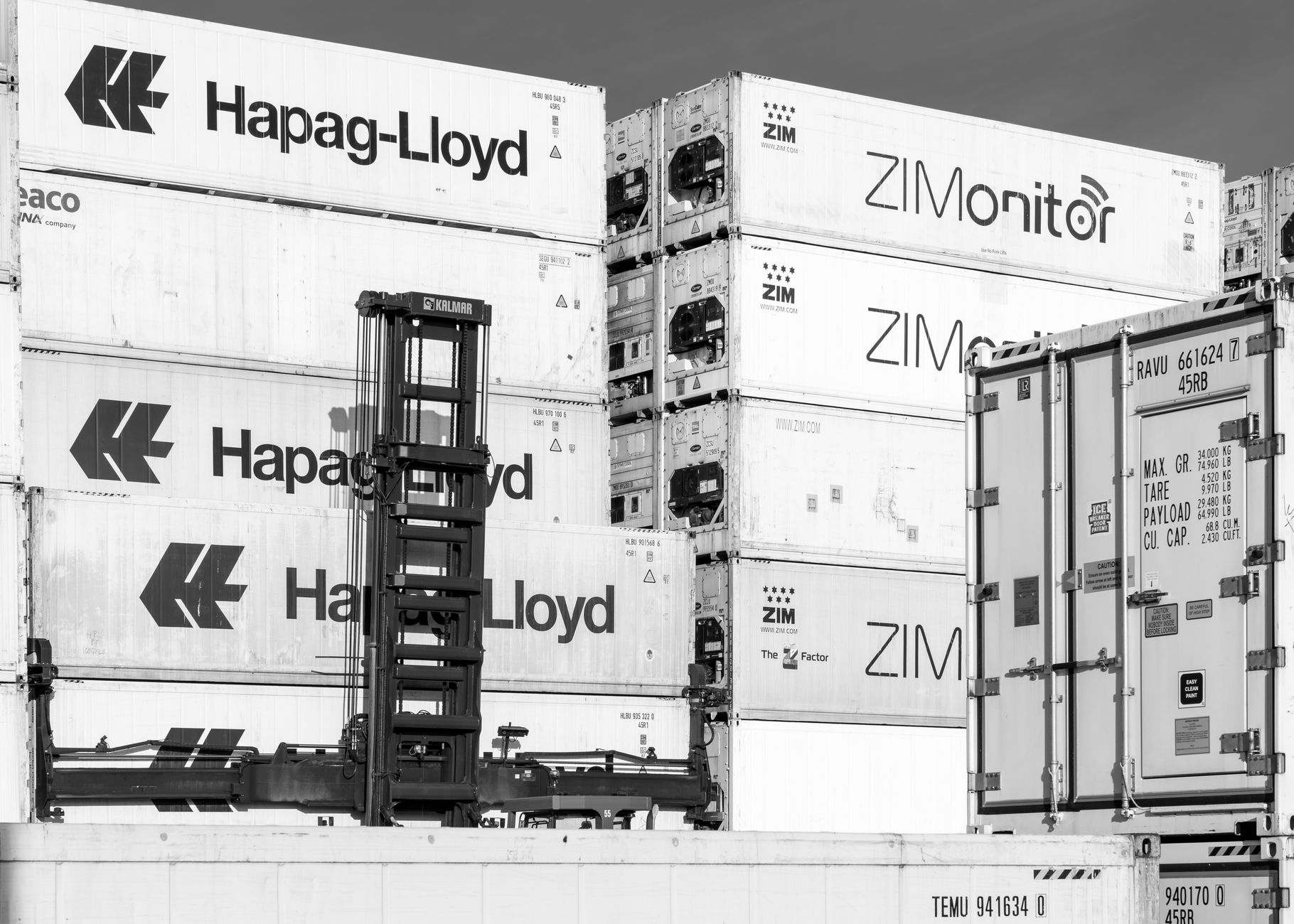
Un model de evenimente standardizat înseamnă că un operator de lanț frigorific poate, în principiu, urmări curba de temperatură a cutiilor refrigerate de la mai mulți transportatori printr-un singur flux și poate declanșa o alertă în momentul în care o citire deviază. Deoarece beta-ul Reefer Events poate rula singur sau împreună cu beta-urile Track and Trace 3.0 și IoT, un integrator de lanț frigorific poate adopta doar segmentul de care are nevoie, în loc de întreaga stivă.
Ce înseamnă dacă construiești sau cumperi vizibilitate
Pentru o platformă sau un expeditor cu resurse de inginerie, 3.0 este un motiv să vă standardizați ingestia acum. Construirea conform schemei de evenimente DCSA asigură integrarea pentru viitor, deoarece fiecare transportator care adoptă standardul devine un efort incremental mai mic, mai degrabă decât un proiect nou. Pentru un cumpărător al unui produs de vizibilitate, întrebarea de adresat unui furnizor se schimbă: nu "vă conectați la transportatorii mei", ci "consumați standardul DCSA, și ce versiune".
Există un model mai larg aici care merită observat. Evenimentele de transport standardizate, lizibile de mașină, sunt exact materia primă de care se hrănește următoarea undă de automatizare, inclusiv integrările cu agenți pe care le-am documentat în serverele MCP de marfă demontare. O interfață API curată pentru evenimente este ceea ce permite unui instrument sau unui agent să raționeze despre o expediere fără a fi nevoie să extragă date de pe un portal.
Avertismentul sincer: un standard nu este adoptare
Iată partea pe care anunțurile o minimalizează. Un standard publicat stabilește un obiectiv; nu obligă fiecare transportator să expună fiecare eveniment în mod clar din prima zi. În practică, acoperirea este inegală. Unele linii implementează setul complet de evenimente, altele un subset; unele expun datele despre containerele frigorifice în mod detaliat, altele minimal. O versiune beta este o versiune beta, iar 3.0 se va maturiza în luni, nu peste noapte.
Așadar, postura realistă pentru 2026 este să construiești conform standardului, planificând în același timp pentru lacune. Așteaptă-te să completezi evenimentele lipsă din propriul feed al unui transportator sau de la un agregator de date și tratează schema DCSA ca pe coloana vertebrală pe care normalizezi totul, nu ca pe o garanție că fiecare container raportează identic. Standardul face integrarea mai ieftină și mai curată în timp. Nu face ca realitatea dezordonată a acoperirii de la transportator la transportator să dispară într-o singură lansare.
Cum să abordezi 3.0 anul acesta
- Normalizează-ți datele de urmărire pe modelul de evenimente DCSA în loc de forma personalizată a fiecărui transportator.
- Preferă modelul de abonament în locul interogării periodice, astfel încât evenimentele să sosească în timp aproape real.
- Adoptă reefer-ul și beta-urile IoT doar dacă lanțul frigorific face parte din marfa ta, deoarece acestea pot funcționa independent.
- Întreabă orice furnizor de vizibilitate ce versiune DCSA consumă, nu doar ce armatori listează.
- Plan de completare a acoperirii neuniforme din fluxurile operatorilor sau agenților de agregare în timp ce 3.0 se maturizează prin beta.
Versiunea 3.0, împreună cu noile standarde Reefer și IoT, este cel mai util pas Track and Trace din ultimii ani, deoarece familia trece de la etapele de bază către datele bogate, în timp real, conștiente de condiții, de care au nevoie efectiv transporturile de mare valoare și cele din lanțul frigorific. Construiți acum pentru aceasta, mențineți o perspectivă clară asupra adoptării, iar taxa de lungă durată a celor nouă integrări cu transportatorii începe în sfârșit să scadă.
Întrebări frecvente
Ce este DCSA Track and Trace 3.0?
Este versiunea din 2026 a standardului comun al Asociației pentru Transportul Digital al Containerelor pentru evenimentele de urmărire a containerelor. Aceasta organizează o expediere în cinci faze, de la pre-expediere la post-expediere, și definește evenimentele emise de fiecare fază, astfel încât un client să poată urmări un container pe parcursul mai multor transportatori cu o singură integrare. Versiunea 3.0 intră în faza alpha în februarie, cu o versiune beta vizată pentru martie sau aprilie.
Ce adaugă versiunea 3.0 față de versiunile anterioare?
Aceasta se bazează pe linia 2.x, care a introdus abonamentele, securitatea îmbunătățită și evenimentele documentelor. În paralel, DCSA publică standarde separate pentru Evenimente Reefer și Evenimente IoT, concepute pentru a funcționa cu aceasta, oferind acces API standardizat la datele de temperatură, umiditate și atmosferice acolo unde transportatorii și echipamentele le expun, ceea ce urmărirea anterioară doar la etapele cheie nu putea face.
Adoptarea standardului DCSA înseamnă că pot renunța la integrările per-carrier?
Pe parcurs, în mare măsură da, dar nu instantaneu. Un standard publicat este o țintă, iar adoptarea de către transportatori este neuniformă: unele linii implementează setul complet de evenimente, iar altele doar un subset. Abordarea sensibilă este să normalizați datele pe modelul de evenimente DCSA și să completați evenimentele lipsă din fluxurile transportatorilor sau agenților de agregare în timp ce 3.0 se maturizează în faza sa beta.
Care transportatori suportă standardele DCSA?
The DCSA a fost fondată în 2019 de către principalele companii de transport maritim de containere, iar membrii săi includ în prezent transportatori globali precum Maersk, MSC, CMA CGM, Hapag-Lloyd, ONE, Evergreen, HMM, Yang Ming și ZIM. Aceștia reprezintă cea mai mare parte a capacității mondiale de containere, ceea ce face ca un standard comun de evenimente să merite construit, în loc să se integreze fiecare companie separat.
Dacă te gândești la modul în care automatizarea fluxurilor de date standardizate despre transportul de mărfuri și agenții de inteligență artificială, citește cum serverele reale de transport de mărfuri își expun instrumentele în serverele MCP de marfă demontare, apoi securizează acea suprafață cu modelele din asigurarea unui server de marfă MCP.