


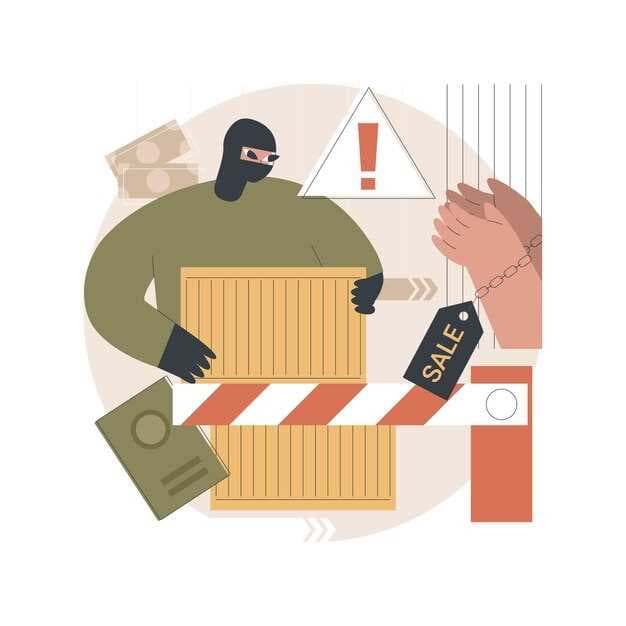

Choose the best carriers with verifiable security credentials and real-time tracking on every shipping load. Require tamper-evident seals on trailers and containers, GPS telematics, and a rapid intervention protocol to curb losses during thefts. Treat each shipment as a part of a tight security net and expect a clear incident-response plan from partners.
Risks concentrate around loading/unloading and handoff moments. A thief may exploit shift changes, arrive with counterfeit credentials, or exploit weak yard access to swipe high-value pharmaceuticals as well as general product targets. Common methods include tampered seals, fake pickup requests, and concealment within legitimate shipments. pharmaceuticals demand strict temperature controls but still face organized theft pressure; even small deviations can trigger bigger loss for a carrier or shipper.
Adopt layered prevention: secure yards with perimeter lighting and cameras, place fastened pallet covers, and require container seals that are checked at every transfer. Use guards during critical handoffs, verify pickup credentials, and schedule routine drills. Extend coverage with drones patrolling yards and gates to spot suspicious behavior before a theft reaches the shipping lane, and use product-specific controls for delicate goods like pharmaceuticals to prevent losses.
Establish proactive interventions using real-time alerts, data fusion from telematics and CCTV, and a clear escalation ladder. When an alert triggers, your control room should dispatch a rapid response and coordinate with the carrier's operations center. Align preventions with KPIs and learn from each incident to erode risk across lanes, noting patterns in theft methods and adjusting routes accordingly.
To understand your vulnerabilities, map the flow of goods from origin to destination. Collect data on dwell times at loading docks, the frequency of alarm triggers, and the percentage of shipments with active GPS reports. Target a detection time under 15 minutes and a policy to immediately halt movement if handle integrity is compromised. Tie every metric to concrete interventions so teams can prevent repeat incidents.
Operational blueprint for assessing risk, implementing safeguards, and aligning insurance coverage
Implement a real-time tracking system for every in-transit shipment and configure alerts when location, temperature, or tamper indicators deviate beyond a defined threshold.
Develop an organized risk review that maps traffic patterns, routes, and frequent loss points where criminals operate, and ensures you can respond before an incident occurs.
Install layered safeguards: tamper-evident seals on the product line, secure parking at facilities, driver vetting, and strict handoff procedures to cover your supply.
Leverage intek-enabled sensors and predictive analytics to provide real-time visibility and tracking across your product line, so you can preempt risk while shipments move.
Create an emergency response playbook that activates ground crews, notifies partners, and keeps the tracking feed active until a lost asset is recovered or secured.
Align insurance coverage with risk exposure by mapping routes to appropriate coverage levels, declaring value accurately, and requiring carriers to carry stated liability.
Vigilance training for your team ensures drivers and dock staff spot anomalies, record events, and review lessons to tune safeguards.
Some shipments will need extra oversight, while others can rely on automated triggers; set a review schedule to keep safeguards aligned with their routes.
Maintain visibility across the supply chain, ensure every handoff is tracked, each freight asset is accounted, and lost freight is traced to a root cause.
Identify high-risk routes, corridors, and peak theft time windows
Build a real-time risk dashboard for routes and corridors that flags high-risk segments and peak theft windows, then deploy targeted mitigations to cut losses.
To identify high-risk routes, use a layered approach that combines historical data, in-transit telemetry, and partner insights.
- Data inputs: Historical theft incidents by route, cargo type, and time; carrier performance; known relay points; weather patterns; port congestion; container tracking data. This data helps build a container-level risk profile and informs them where to target patrols or cameras.
- Risk scoring: Create a risk score 0-100 per route, corridor, and time window; weight incident frequency, cargo value, and exposure indicators; classify segments as high/medium/low risk.
- Corridor analysis: Identify corridors with repeat incidents; map security spend and response times; prioritize investments where a poorly protected relay point or long transit time exists.
- Peak theft windows: Analyze thefts by hour and day; frequently thefts occur late night and predawn on weekdays; adjust schedules to avoid high-risk intervals and align staffing to peak risk periods.
- Mitigation actions: Utilize cost-effective measures like real-time tracking, sensors, and relay checks at secure hubs; deploy stopping points at safe locations; use thermal cameras and improved lighting to boost visibility.
- Technology stack: Blockchain for chain-of-custody; integrate container sensors to feed real-time status; set alerts when anomalies occur; ensure data feeds are tamper-resistant.
- Training and trust: Provide training to drivers and dispatchers; share risk signals and safety protocols; build trust through transparent incident dashboards and clear ownership of actions.
- Operational routines: If risk rises on a route, consider rerouting to lower-risk corridors; adjust departure times to align with safer windows; use relay stops to shorten in-transit exposure.
- KPIs and monitoring: Track losses reduced, on-time deliveries, and incident rates; monitor false positives to prevent alert fatigue and maintain response quality.
Document theft methods by transit stage: loading, in transit, and unloading
Limit access at loading and unloading to vetted personnel and require two-person verification of documents before handover.
Loading
- Methods these criminals use during loading include impersonating carrier staff, forged manifests, counterfeit seals, mislabeling, and cargo swapping with similar-looking goods.
- These thefts occur when paperwork and seals are not simultaneously verified, allowing the cargo being loaded to move under false authorization.
- Effective controls start with dual verification for every handover, tamper-evident seals on each container, and cameras covering dock access and seal removal. Provide a real-time log of released pallets that ties to the bill of lading and loading list.
- Continue to monitor every loading event, and encourage prompt reporting of any mismatch between manifest data and physical pallets; use a unique match reference for here and now comparisons.
- To limit risk, assign part of the loading process to a small, trained team and conduct frequent spot checks on loaded consignments to find anomalies early.
- Impact can include creating potential damage and liability for the carrier and insurer, so train staff to spot indicators of tampering and to pause releases for verification.
In transit
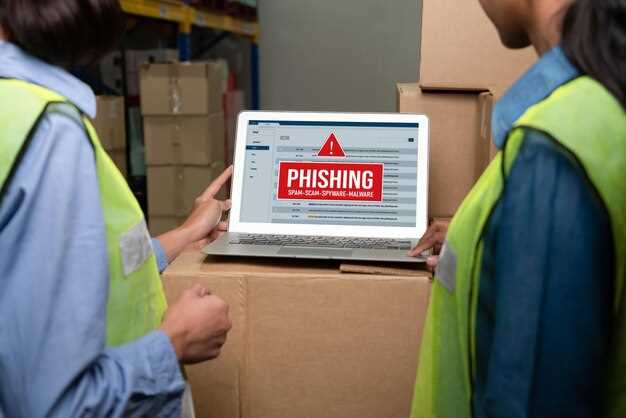
- In transit, theft methods span route diversions, seal tampering, and impersonating inspectors or couriers to gain access at checkpoints.
- These events occur when continuous visibility is not available and route data do not align with actual container movements.
- Mitigation relies on automated tracking, frequent status updates, and continuous verification of container seals and cargo content at regular intervals. Use cameras and GPS to confirm location and status, and require carrier confirmation for any detour.
- Encourage drivers and fleet managers to report suspicious requests and to log every stop; these actions help learn patterns and adapt controls, continuing education across the network.
- Operationally, implement a two-person handover for any transfer at rest stops, and restrict access to high-value shipments to authorized personnel only.
- Potential outcomes include damage to goods, higher claim costs, and gaps in coverage if safeguards fail; maintaining robust coverage with the insurer depends on traceable, consistent prevention measures.
Unloading
- At unloading, common methods involve fake delivery receipts, unauthorized release, and collusion with dock staff or third parties to bypass verification.
- These occurrences happen when the receiving process lacks rigorous cross-checks against the original shipment data and the seal state.
- Preventive steps include two-person handover at unloading, automated scans of the bill of lading against pallet IDs, and keeping seals intact until verified by the consignee or insurer.
- Here is how to apply these controls: enforce part-by-part verification, maintain a clear chain of custody, and require incident documentation for any anomaly.
- Data and learning: record pass-down notes, analyze repeated patterns, and limit repeat events by adjusting routes, personnel, or procedures as needed.
- Impact mitigation relies on preserving coverage and avoiding unnecessary claims by reducing opportunities for unauthorized releases and documenting every transfer with precise timestamps.
Implement physical and digital controls at warehouses, terminals, and carrier hubs
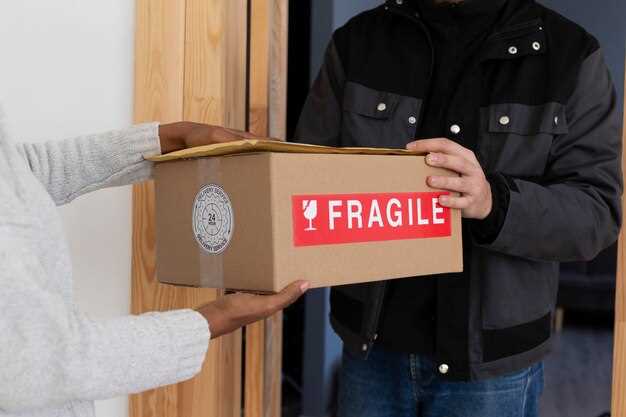
Install layered access controls at all sites: reinforced fences, gate vestibules, badge-based entry, and cameras with motion detection connected to a rapid alerting system. Pair these physical measures with a visible digital dashboard that provides real-time visibility across warehouses, terminals, and carrier hubs. This setup will provide clear instructions for action, and having a clear understanding of who is on site and where activities occur.
Adopt targeted strategies to deter theft: position supervisors at loading and unloading points, run rapid checks on unattended pallets, and deploy cameras with motion detection that focus on key zones. This approach helps enhance visibility and speed response times for incidents.
Work with carrier and partner teams to strengthen accountability: require check-in reminders, driver and crew location reporting, and shared incident drills. Clear, visible dashboards keep carriers aligned with risk patterns and enable prompt responses; teams can verify statuses themselves.
Secure in-transit shipments: attach RFID or GPS trackers to cargo and attach tamper-evident seals; integrate a mobile alerting workflow so field staff can respond immediately. For rail operations, monitor trains on key routes and coordinate with yard teams to prevent bottlenecks.
Cover roles and responsibilities for employees and managers: provide formal covers for critical positions during shift changes, conduct regular security briefings, and test incident reporting workflows. Training covers the basics, with rest periods built into shifts to prevent fatigue.
Maintain equipment and controls: ensure all locks, lighting, cameras, and access points are inspected weekly; add upgrades where vulnerability emerges. Avoid overreliance on any single control.
Measure and improve: track risk indicators by miles traveled, incident counts, and response times; analyze patterns to obtain a clearer result and adjust training and controls to reduce recurrence. When incidents occur, trigger rapid containment and reporting.
Establish real-time monitoring, alerts, and incident-response playbooks
Implement a centralized, real-time monitoring system across trucks, distribution hubs, and ground routes, with automated alerts triggered by patterns such as route deviations, abnormal idling, or tampering indicators. Focus on critical touchpoints, and set the initial alert to arrive within 60 seconds and escalate to the carrier security lead within 3 minutes for rapid containment.
Link monitoring to policies and operations, with a quarterly review of incident data and learnings. Track commodities and household goods separately, map theft attempts to the main theft chain by stage (pre-transit, in-transit, stops, post-delivery), and use this data to refine response actions for sold goods and opportunistic thieves. This supports strategic risk reduction and helps teams act with confidence.
Almost every quarter, review outcomes to learn from incidents and improve securing controls. Being proactive helps recognize patterns whilst addressing ground threats tied to the chain, ensuring teams stay prepared to respond.
Whilst a real-time system cannot prevent every theft, it creates an excellent foundation for rapid intervention, reduces dwell time at key nodes, and strengthens collaboration between dispatch, security, and carrier partners.
| Aspect | Data Source | Threshold / Action | Owner | Notes |
|---|---|---|---|---|
| Real-time monitoring coverage | GPS/telematics, door sensors, temperature, event logs | Deviation > 5% route, idle > 15 min, door open while stopped | Operations control | Focus on trucks and ground units |
| Alerts & escalations | System alerts, human-in-the-loop | First alert < 60 s; escalation to supervisor < 3 min; incident team contact < 8 min | Security & dispatch | Include carriers and 3rd party security ops |
| Incident-response playbooks | Playbook repository | Containment steps within 15-30 min; recovery within 4 hours | Incident lead | Stage-specific actions for pre-transit, in-transit, and post-transit |
| Review & improvement | Incident reviews, post-incident reports | Monthly review of number of attempts, pattern shifts | Policy owner | Update policies and training based on learnings |
| Training & drills | Drill logs, simulation results | Quarterly exercises with 90% participation | Training lead | Include household goods and commodities scenarios |
Insurance coverage: types, clauses to check, and claims steps
Review and implement updates to your cargo insurance now to reduce exposure from theft and damage across shipments. For years of commercial operation, you recognize where gaps appear–from docks during loading to handoffs at warehouses–so confirm your policy covers theft by thief, pilferage, and damage in transit, including electronics and other high-value goods. Continue to adjust limits as shipments vary over the years.
Types of coverage you should consider include all-risk protection, which covers most risks unless specifically excluded, and named-perils policies that target specific events. For commercial shipments, seek higher limits and confirm availability across routes, with special terms for high-value items such as electronics, and ensure the policy remains in force if shipments move between carriers. If goods are sold before delivery, ensure coverage continues through to the final destination. Continue to evaluate terms to cover temporary stops or re-seating of cargo at intermediate docks.
Clauses to check include insurable interest naming, the policy territory, voyage-by-voyage versus annual coverage, deductibles, subrogation waivers, and how late reporting affects claims. Ensure you have an additional insured if you rely on third-party carriers, and verify on-dock coverage as shipments move from ship to truck. Cover changes should align with your risk profile for multi-leg routes and transshipment to avoid gaps. Your policy requires timely reporting to activate coverage.
Claims steps: when an incident occurs, alert your broker and insurer immediately; preserve evidence with time-stamped photos, damaged packaging, and carrier notes; gather documents such as bills of lading, packing lists, proof of purchase, and any shipment updates; file a claim within the period stated by your policy; document the economic value of the shipments and any damage to electronics or other goods; coordinate with the carrier for salvage or return shipments if needed. Having proper documentation speeds the process and supports your claim. In an emergency, activate your emergency contact and speed up the process with your insurer.