




Smart LED lighting with occupancy controls minimizes energy waste in corridors and loading zones. This offering delivers fast savings by cutting electricity use and reducing cooling demand, boosting efficiency across buildings in active operations.
Adopt innovation in climate control with a connected, efficient HVAC strategy that learns usage patterns. It monitor energy peaks, evaluate equipment health, and ensures comfort with minimal waste. Developed analytics provide insights from buildings and leveraging these data to trim overhead in corridors and work zones.
Streamline packing and routing to minimize waste during last-mile delivery; switch to recyclable packaging, returnable totes, and protection of goods with reusable dunnage. Centralized sorting for waste streams in loading corridors reduces contamination, while monitoring recycling rates ensures stakeholders see insights into circular flows.
Outdoor spaces and outside areas receive attention: install solar PV on buildings and deploy demand-based occupancy zoning to reduce peak loads. This boost energy independence while lowering emissions as growing demand continues. If you want to keep pace with growing demand, use a common data platform to align equipment with operations, enabling others in the chain to adopt similar measures.
Set clear KPIs: energy per pallet moved, water usage per m2, and waste diversion rates; these insights drive continuous improvement. A developed monitoring framework evaluates progress across buildings and corridors, leveraging supplier and partner data to identify needed changes and to protect asset integrity in the last-mile network.
Greener Warehousing: A Practical Guide to Sustainability
Install high-efficiency LED panels with occupancy sensors in active zones; that reduces energy use by up to 40% during peak shifts and improves visibility, supporting safer handling and accuracy.
Launch a monitoring program to capture current energy and fuel consumption along cargo routes; identify volume hotspots where reposition of assets yields shorter idle distances and quicker throughput.
Regulatory compliance hinges on disposal management and current material streams; the disposal manual includes steps to comply and to document waste flows, helping audit trails and accountability.
Leasing terms started with energy-efficient equipment, including sensors and efficient motors; used assets can be phased in with a clear lifecycle plan, lowering risk and capital exposure.
A designed floor plan minimizes travel; repositioning cargo paths starts with a pilot, then scales; this play reduces fuel burn and improves throughput.
Employee engagement plays a pivotal role; training includes safety, waste separation, and energy-aware operating procedures; monitoring results keep them aligned and accountable.
Current portfolio includes solar panels, LED upgrades, HVAC load management, and modular racking options; another lever is leasing used equipment with service-enabled maintenance.
Operational metrics track disposal rate, cargo handling times, and regulatory reporting; according to regulatory expectations, dashboards illustrate where enhancing efficiency correlates with compliance and operational clarity.
| Area | Action | Impact |
|---|---|---|
| Lighting | Install panels with sensors; time-of-day tuning | Lower energy spend; safer visibility |
| Flow | Reposition routes; redesigned layout | Less travel; fuel reduction |
| Regulatory | Update disposal manual; ensure comply | Better reporting; penalties avoidance |
| Asset management | Leasing inspections; replace used equipment on schedule | Lower downtime; longer asset life |
Energy-saving Lighting and Smart HVAC Controls
Immediately retrofit all general lighting to energy-efficient LEDs, install occupancy sensors, and deploy daylight harvesting in skylit zones. LED upgrades typically cut electricity usage by 40–70%, with simple payback of 1–3 years on mid-size facilities.
Smart HVAC controls linked to the building management system enable occupancy-based temperature setbacks, reset schedules after hours, and demand-controlled ventilation. Some climates see greater savings, and this enables precise regulation of layouts by zone, boosting utilization and comfort across spatial zones.
Equipment and controls specifics: select LEDs with efficacy ≥150 lm/W and color rendering index above 80; use 0–10 V or DALI dimming; pair with wireless sensors to monitor temperature, humidity, and occupancy. A sensor density of 1 per 15–20 m2 yields meaningful utilization data without excessive wiring.
Locations and daylight strategy: map high-usage aisles and bays first; install skylights or light shelves where possible; apply advanced shading to protect from glare while allowing daylight penetration. Daylight harvesting reduces artificial lighting during daytime, increasing utilization of natural illumination and lowering energy consumption.
Compliance and performance metrics: track CO2 footprint reductions from electricity savings; document energy intensity improvements. Prologis case studies illustrate lighting retrofits plus smart controls delivering 20–30% lighting energy reductions, with CO2e decreases in the same range. Using these measures, the planet benefits through lower emissions.
Costs and financing: upfront capex varies with scale; typical paybacks range 2–4 years; ongoing maintenance reduces labor costs by enabling remote checks. Alternative funding options and energy-performance contracts enable continued momentum with growing site networks, while reducing fuel usage and operating costs. Annual cost reductions strengthen the business case.
Governance and responsibility: designate a single owner, ensure compliance with energy codes, and use utilization metrics to drive improved efficiency. Assign your facilities team to monitor consumption continually. The growing program rests on pillars including lighting, HVAC controls, equipment management, and material insulation, supporting spatial planning across multiple locations; coastal sites gain from marine-grade enclosures.
Noise Pollution: Measurement, Targets, and Mitigation
Begin with baseline noise assessment using calibrated sound level meters and dosimeters, measure Leq and Lden across day and night, and set a 3 dB reduction target within 12 months. Noise management is part of a broader safety program that includes environmental considerations and worker well-being.
-
Measurement framework
- assessing exposure with time-weighted averages (Lavg) and peak values (Lmax) to capture variation; collect data over 30–60 days across shifts; measure at the source, at operator ear height (about 1.2 m), and at the facility boundary to evaluate potential impact on mammals and human comfort.
- Use Class 1 sound level meters and personal dosimeters; calibrate before and after each session; maintain a central database within the infrastructure to ensure traceability.
- Find dominant sources by zone (conveyors, pumps, compressors, doors, fans, lighting gear); plot sound maps to identify targets between highly noisy areas and worker zones.
-
Targets and benchmarks
- Urban contexts commonly require Leq daytime ≤ 60 dB(A) and Leq nighttime ≤ 50 dB(A); establish a reduction path of 3 dB within 12 months, verified by quarterly audits.
- Document the progress on a banner near entrances indicating current level and next milestone; align with international standards such as ISO environmental management and local regulations; seek certifications where applicable.
- Track time windows when noise exceeds thresholds and adjust operations to keep within allowed ranges.
-
Mitigation actions
- Equipment strategy: install acoustic enclosures around loud units; add mufflers and anti-vibration mounts; consider replacing chains with quieter belt drives to cut sound transmission; target 8–12 dB attenuation from enclosures and 5–15 dB from drives, depending on the setup.
- Building envelope: retrofit roofs with absorptive materials and add baffles around roof vents; seal gaps around doors; install sound-absorbing panels on walls in high-noise zones; deploy curtains near docks to damp reverberation.
- Operational practices: schedule high-noise tasks during daytime; create quiet hours at night and reduce simultaneous noise events between zones; automate doors to lessen slam noise; route material flow away from office spaces; boost overall acoustic comfort without compromising throughput.
- Infrastructure and utility upgrades: reposition or shield loud utility equipment; install vibration isolation foundations; maintain equipment to prevent exceedances; upgrade to meet environmentally friendly standards and align with certifications.
- Light and ambiance: adjust light fixtures near noise-prone areas; use shielded, dimmed lighting to reduce maintenance noise and glare, contributing to a calmer environment.
- Wildlife and environment: assess effects on mammals in nearby urban habitats; establish buffer zones and time windows to minimize nighttime disturbances; coordinate with governments and international bodies to address noise across cities globally.
- Monitoring and transparency: display a banner near entrances with current noise levels and milestones; implement a regular certification cycle and publish progress within internal dashboards; report investments and payback periods; maintain the same baseline across sites when rolling out improvements.
-
Evaluation and ongoing improvement
- Review data quarterly; assess whether targets are met; adjust the plan based on new ideas from cross-functional teams; document changes in an internal position paper; ensure findings flow to both local teams and international partners.
Waste Reduction through Packaging Redesign and Recycling Streams

Redesign packaging to cut material use by at least 20–30% and deploy dedicated recycling streams at each site. This initiative lowers material costs, reduces transport weight, and improves overall utilization across the value chains.
- Design to enable disassembly and recycling: choose mono-materials, avoid laminates, ensure labels are removable, and keep brackch-level options in mind so elements can be separated quickly during recovery. This design improves recovery rates and keeps streams clean.
- Standardize sizes and formats: implement core dimensions that fit pallets and automated sorters, maximizing utilization and reducing handling noise across docks.
- Material selection and end-of-life design: prioritize eco-friendly materials with renewable content; favor recycled content in components where performance permits; design to enable easy separation of elements, improving recycling probability. Consider solar-powered process steps where appropriate to reduce electricity usage. This helps them reuse materials more effectively.
- On-site recycling streams and infrastructure: deploy color-coded bins for paper, plastic, metal, and composites; partner with certified recyclers to create clear streams; implement supplier take-back programs to reclaim packaging after use; monitor acceptance rates to adjust packaging choices and contribute to cleaner streams.
- Supply-chain collaboration and initiative: align with packaging suppliers to adopt take-back options; lets packaging teams test new designs; use vendor scorecards to reward eco-friendly designs; this provides the industry with a chance to reduce waste and drive growth across ecosystems.
- Measurement, governance, and energy integration: track packaging weight, material flow, diversion rate, and recycling rate; quantify electricity and renewable-energy contributions; apply life-cycle assessments to compare options; set targets and report progress monthly.
- Instance and scaling: in a pilot instance at a regional site, replacing foam with corrugated reduced waste by up to 30% and cut packaging weight substantially; roll out to additional sites within 12–18 months.
- Benefits and industry impact: leading players report improved performance, lower costs, and stronger brand value; this initiative offers much to the sector and signals a shift toward circular value chains.
Water Use and Cooling System Optimization
Start with a closed-loop cooling upgrade and condensate recovery to cut makeup water by 30–40% while preserving heat rejection efficiency. Conduct a site-wide audit of water flows in cooling towers, condensers, and service lines to identify leaks, drift, and waste. Here, implement a phased plan that combines measurement, automation, and quick fixes to yield measurable results within a quarter.
Build a data-driven baseline with a water balance, feedwater, blowdown, and conductivity sensors. Leverage automation to adjust feedwater, blowdown, and bleed cycles, minimize evaporation, and keep water quality in spec. Learn from globally adopted practices such as variable-speed pumps, anti-scaling programs, and automatic drift eliminators. Solar-powered pumps reduce electricity demand while boosting reliability; a leed-certified approach to hardware ensures long-term performance. This emphasis highlights the importance of water stewardship across operations.
Engage the workforce; employee-led initiatives conduct routine checks, logging flow, temperature, and water-quality data. Find opportunities where condensate reuse and alternative cooling modes cut fresh-water intake. Here, ideas from vehicle fleets, maintenance crews, and other site assets support a broader transformation, safeguarding goods during changeovers. leed-certified controls and solar-powered hardware contribute to reliability and resilience.
Metrics and targets: track makeup-water reduction, cycle of concentration, drift loss, and condensate recovery rate. Aimed figures include 25–40% makeup-water reduction in the first year; 15–25% energy savings via pumps and fans; payback often 1–3 years depending on site. Leverage dashboards to alert operators; report quarterly to executives to reinforce the transformation.
Implementation ideas include solar-powered pumps, energy-efficient heat exchangers, automated condensate capture, leak-detection sensors, and optimized cycle control. Leverage alternative cooling approaches where climate permits, such as dry or hybrid towers; use leed-certified equipment to meet green-building standards. This initiative positions maintenance staff as contributors to site-level goals; vehicle fleets and other assets operate with lower water and energy footprints; employees gain hands-on experience in transformation. A dedicated contributor can track results, share ideas, and drive continual refinement.
Greener Transport and Inbound/Outbound Logistics
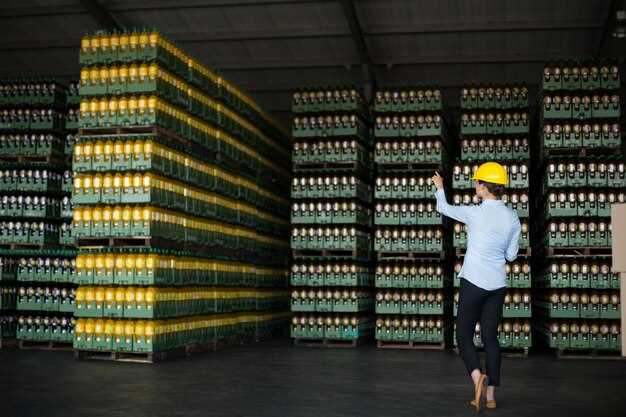
Start with an energy audit across inbound and outbound transport, then apply route optimization to reach shorter cycles and a clearer impact on emissions.
Divide activities into areas such as inbound dock, outbound loading, and yard movement; anchoring decisions to your area data improves details and accountability.
Coordinate efforts across transport, dock, and yard teams to heighten efficiency.
Enhance flexibility in scheduling and load consolidation to move cargo more efficiently, shifting more activity into off-peak windows, cutting idle time and accelerating deliveries.
Apply Autostore as part of building upgrades to boost space utilization, reduce handling steps, and accelerate moving of items within the building.
Investing in equipment upgrades such as electric trucks, smart charging, and solar panels lowers energy and utility costs while contributing to staff well-being and safety.
Run a regular audit cycle and address findings, building a cohesive portfolio of initiatives exploring details with your partners, and pursuing awards for quantifiable impact.
Measure outcomes with clear KPIs: carbon intensity per cargo unit, on-time performance, space utilization, and the efficiency of inbound/outbound flows; these details justify investing and building momentum.